
Feeding your feline companion doesn’t have to break the bank! Discover smart, budget-friendly cat food ingredients that provide essential nutrition for a happy, healthy cat. Learn what to look for on labels to make genius choices without overspending.
It’s a common worry for cat parents: how can I give my furry friend the best nutrition without spending a fortune? You want to see that happy purr and wagging tail, fueled by good food, but the pet food aisle can feel overwhelming and expensive. Don’t fret! Choosing affordable cat food ingredients is absolutely achievable. It’s all about knowing what to look for and understanding what truly benefits your cat. We’ll guide you through making smart, cost-effective choices that support your cat’s well-being.
Understanding What Your Cat Truly Needs

Cats are obligate carnivores, meaning their bodies are designed to thrive on a diet primarily composed of animal protein. This isn’t just a preference; it’s a biological necessity. Animal-based proteins provide essential amino acids like taurine, which cats cannot synthesize on their own. Without enough taurine, cats can develop serious health issues, including blindness and heart problems. Therefore, when looking at cat food ingredients, prioritizing high-quality animal protein is paramount.
Beyond protein, cats need fats for energy and healthy skin and coat, as well as vitamins and minerals for overall bodily function. Carbohydrates are not a primary nutrient for cats, and while they can digest them, excessive amounts can lead to weight gain and other health concerns. The key to affordable nutrition is finding foods that emphasize these essential components without unnecessary fillers.
The Protein Powerhouse: What to Seek
The first ingredient on any cat food list should ideally be a named meat source. This means you’ll see specific animal names rather than vague terms like “meat by-products” (though some by-products can be nutritious, named sources offer clarity). Here are some genius choices for affordable, high-quality protein sources:
- Chicken: A widely available and often cost-effective protein source. Look for “chicken,” “chicken meal,” or “dehydrated chicken.” Chicken meal is a concentrated source of protein and nutrients, making it a great ingredient even in smaller quantities.
- Turkey: Similar to chicken, turkey is a lean protein that’s well-tolerated by many cats. “Turkey meal” is also a nutrient-dense option.
- Salmon: While sometimes pricier, smaller amounts of salmon or salmon meal can provide excellent protein and beneficial omega-3 fatty acids. Look for it listed as a primary ingredient.
- Lamb: A good option for cats with sensitivities to chicken or other common proteins. “Lamb meal” offers concentrated nutrition.
- Beef: Another solid protein choice, often found in affordable wet and dry foods. “Beef meal” is a concentrated form.
Navigating the Ingredient List: Your Top Tips
Reading cat food labels can seem like deciphering a secret code, but with a few tips, you’ll become a pro. The ingredients are listed in descending order by weight. This means the first few ingredients make up the bulk of the food. Aim for a named animal protein to be at or near the top of the list.
Be aware of how ingredients are categorized. For example, “chicken” is different from “chicken by-product meal.” While by-products can contain nutritious organs and bones, “chicken by-product meal” can be more variable. Prioritizing named sources offers better assurance of what you’re feeding.
Look for natural sources of vitamins and minerals. Many foods also add synthetic vitamins and minerals, which can be perfectly fine, but natural sources are often a sign of a more wholesome approach.
Decoding ‘Meat By-Products’ and Other Terms
The term “meat by-products” often gets a bad rap, but it’s not always a bad thing. By-products are the non-muscle parts of an animal, such as organs (liver, kidney, heart), bones, and blood, that are nutritious. The key is that the by-products are from a specified animal (e.g., “chicken by-products”) rather than generic (“meat by-products”). Nutritious organs are excellent sources of vitamins and minerals. However, when by-products are listed very high on the ingredient list, and the primary protein source is less clear, it might be worth looking closer at other options.
Whole Grains vs. Grains as Fillers
While cats don’t require grains, small amounts of properly prepared whole grains like brown rice, barley, or oats can provide beneficial fiber and energy in a balanced diet. They are often more nutritious and digestible than refined grains or fillers like corn. If grains are present, they should appear lower on the ingredient list, after the primary protein sources.
The Role of Fats
Fats are a concentrated source of energy and are crucial for nutrient absorption. Animal fats, such as chicken fat or fish oil, are excellent choices. They also contribute to a healthy skin and shiny coat. Omega-3 and omega-6 fatty acids, often found in fish oils and flaxseed, are important for overall health.
Budget-Friendly Protein Sources: Genius Choices

The good news is that many high-quality proteins are also the most affordable. This happens because they are commonly used and readily available. Making smart choices here is a win-win.
Chicken: The Consistent Champion
Chicken is a staple in many cat foods for good reason. It’s a complete protein, packed with essential amino acids, and is generally well-digested by most cats. Various forms appear on ingredient lists:
- Chicken: This refers to the muscle meat. It’s a great source of protein.
- Chicken Meal: This is rendered chicken that has had water removed. It’s a concentrated protein source. 1 pound of chicken meal is equivalent to 4 pounds of chicken, making it highly nutrient-dense.
- Chicken By-Product Meal: As mentioned, this includes organs like liver, heart, and gizzards, which are packed with nutrients. When listed after named meat sources, it can contribute positively to the overall nutritional profile.
You’ll often find chicken or chicken meal as the first or second ingredient in many affordable, yet good-quality, cat foods. This makes it a reliable and budget-friendly choice.
Turkey: A Lean and Nutritious Option
Turkey is another excellent lean protein. Like chicken, it provides all the essential amino acids cats need. Turkey meal offers a concentrated nutritional punch, making it a great ingredient to have in your cat’s food.
It’s a good alternative for cats who might develop sensitivities to chicken over time. The inclusion of turkey or turkey meal in the first few ingredients signals a good quality protein source that can also be economical.
Fish Options on a Budget
While premium fish like salmon can be expensive, other fish sources can be more budget-friendly. Look for ingredients like:
- Fish Meal: A general term for rendered fish, which can be a good protein source.
- Menhaden Meal: Menhaden is a small, oily fish that is often used in pet food. It’s a sustainable and nutrient-rich protein source.
- Whitefish: Often less costly than salmon or tuna, whitefish (like cod or haddock) can provide good protein and essential fatty acids.
You might find fish listed further down the ingredient list in more affordable foods, often in combination with other protein sources to boost the nutritional profile and omega fatty acid content.
Understanding “Digest”
You might see “animal digest” or “poultry digest” on ingredient lists. This is a flavoring agent created by hydrolyzing animal tissues, breaking down proteins into smaller peptides and amino acids. While it provides palatability and a boost of amino acids, it’s not a primary protein source. Its presence at the top of the list, without a clear meat source earlier, could indicate a less desirable food.
Carbohydrates & Fillers: What to Be Wary Of

Cats have very little dietary need for carbohydrates. While they can digest them, excessive amounts can lead to obesity and health issues like diabetes. Some affordable cat foods use cheaper carbohydrate sources as fillers to bulk up the product. Be mindful of these:
- Corn: Corn, corn gluten meal, and corn flour are common fillers. They offer some protein but are less digestible and bioavailable for cats compared to animal proteins.
- Wheat: Wheat, wheat gluten, and wheat flour can also be used as fillers. Some cats may also develop sensitivities to wheat.
- Soy: Soybeans and soy protein concentrate are plant-based proteins that are not ideal for cats and can be harder to digest.
- General “Grains”: If a food lists multiple types of grains very high on the ingredient list (e.g., corn, wheat, and rice all in the top 5), it suggests a lower meat content.
While small amounts of highly digestible carbohydrates like brown rice, barley, or oats further down the ingredient list are usually fine in a balanced diet, avoid foods where these, or the less digestible options, dominate the ingredient list.
The Case for Wet Food vs. Dry Food on a Budget
Both wet and dry cat food can be budget-friendly and nutritious, but they have different benefits and considerations:
Wet Cat Food Advantages
- Hydration: Wet food has a high moisture content—typically 70-80%. This is crucial for cats, who often don’t drink enough water, helping to prevent urinary tract issues and kidney problems.
- Palatability: Many cats find wet food more appealing, making it a good choice for picky eaters.
- Lower Carbohydrate Content: Generally, wet foods have fewer carbohydrates than dry foods.
Budgeting for Wet Food: Cases of wet food cans or pouches are often more economical than buying single cans. Look for sales and consider larger multipacks. Store brands can also be a good value.
Dry Cat Food Advantages
- Cost-Effectiveness: Dry kibble is often cheaper per serving than wet food.
- Convenience: It’s easy to store, serve, and leave out for cats to graze on throughout the day (though portion control is important).
- Dental Health (Debatable): Some believe the kibble helps clean teeth, but this effect is minimal and not comparable to professional dental care. Actual dental benefits are limited and debated within veterinary circles.
Budgeting for Dry Food: Buying larger bags of dry food is typically more cost-effective per pound. Look for brands where the first ingredients are named meat sources, even in the more affordable lines.
The Best Choice for Your Wallet: Often, a combination of both can be ideal. For example, feeding a more affordable, high-quality dry food and supplementing with a less expensive wet food can provide hydration and variety without a huge cost. Always ensure your cat has access to fresh water, regardless of diet type.
Making Smart Choices: A Practical Guide
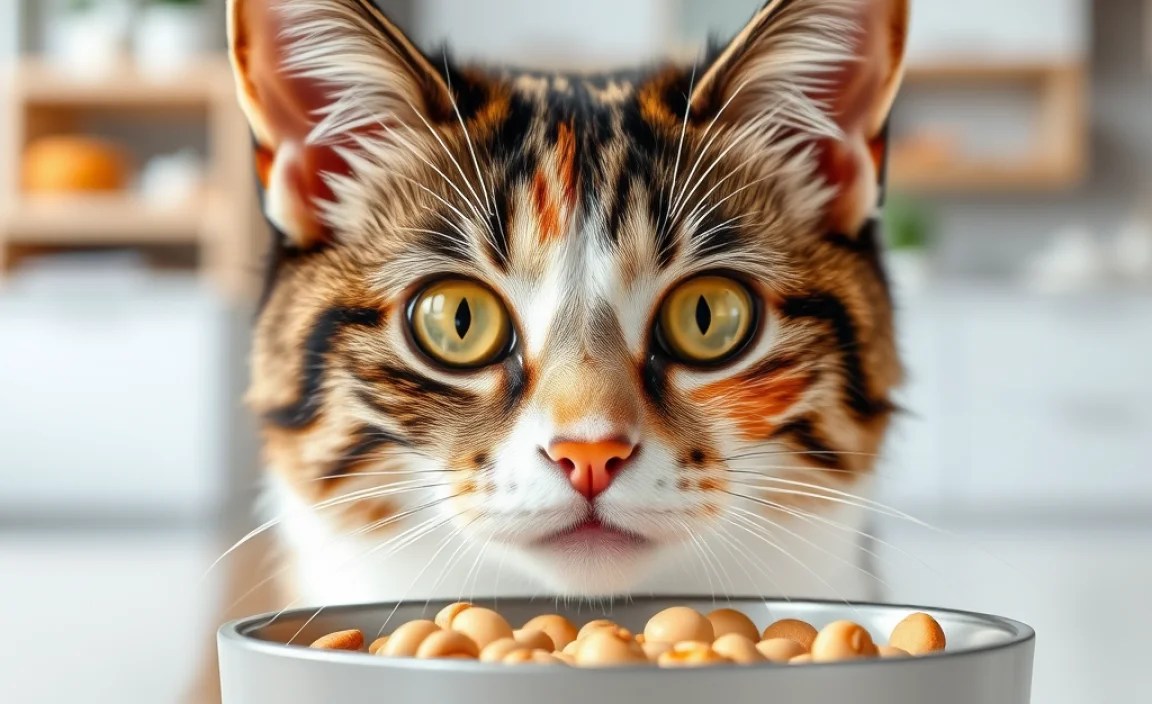
Let’s put it all together. Here’s how to make genius, affordable ingredient choices:
Step-by-Step Guide to Affordable & Nutritious Cat Food
- Prioritize Protein: Look for named animal proteins (chicken, turkey, lamb, fish) as the first one or two ingredients in both wet and dry food.
- Check the Fat Source: Seek animal-based fats like chicken fat or fish oil.
- Be Wary of Fillers: Minimize foods that list corn, wheat, soy, or excessive generic grains high on the ingredient list.
- Consider Nutrient Density: Ingredients like “meal” (e.g., chicken meal) are concentrated and can be very beneficial.
- Hydration is Key: If feeding primarily dry food, ensure excellent water access. Wet food contributes significantly to daily water intake.
- Compare Prices Per Serving: Don’t just look at the total package price. Calculate the cost per pound or per day of feeding to find the true value.
- Look for Complete & Balanced Formulas: Ensure the food meets the nutritional levels established by the Association of American Feed Control Officials (AAFCO) for your cat’s life stage (kitten, adult, senior). This is a great indicator of a well-formulated food. You can often find AAFCO statements on the packaging or manufacturer’s website. For more on AAFCO, visit their official website.
Example Ingredient Comparisons
Let’s look at how ingredient lists can vary:
| Hypothetical Cat Food A (Budget-Friendly Focus) | Hypothetical Cat Food B (Lower Quality/Filler Focus) |
|---|---|
| 1. Deboned Chicken | 1. Corn |
| 2. Chicken Meal | 2. Poultry By-Product Meal |
| 3. Brown Rice | 3. Wheat Gluten |
| 4. Chicken Fat (preserved with mixed tocopherols) | 4. Corn Gluten Meal |
| 5. Fish Meal | 5. Soy Flour |
| 6. Peas | 6. Animal Fat |
| 7. Dried Plain Beet Pulp | 7. Artificial Flavors |
| 8. Flaxseed | 8. Colors Added |
In food A, we see named meat sources and beneficial whole grains and fiber sources. In food B, the first few ingredients are less ideal fillers, with animal protein sources appearing much lower on the list. The difference is clear!
Understanding Nutritional Adequacy Statements
Every reputable cat food should have a “nutritional adequacy statement” from AAFCO. This statement will tell you that the food is formulated to meet the nutritional requirements of cats for a specific life stage (e.g., “growth,” “maintenance,” “all life stages”). This is a crucial indicator that the food provides a complete and balanced diet, regardless of price point. For instance, you might see:
- “This product is formulated to meet the nutritional levels established by the AAFCO Cat Food Nutrient Profiles for All Life Stages.”
- “This product is formulated to meet the nutritional levels established by the AAFCO Cat Food Nutrient Profiles for Adult Maintenance.”
Always look for this statement to ensure your cat is getting balanced nutrition. You can learn more about AAFCO’s role in pet food from reliable sources.
Beyond Ingredients: Other Cost-Saving Tips

Choosing affordable ingredients is just one part of a budget-friendly feeding plan. Here are a few more genius tips:
- Buy in Bulk: Larger bags of dry food or cases of wet food cans are almost always cheaper per unit than smaller packages.
- Stock Up During Sales: Keep an eye on sales at your local pet store or online retailers. Buy a little extra when your cat’s favorite food is discounted.
- Consider Store Brands: Many major pet retailers offer their own brand of cat food. These can often rival named brands in quality and nutrition for a lower price. Always check the ingredient list and AAFCO statement.
- Loyalty Programs: Sign up for loyalty programs at your preferred pet supply stores. You can earn points or get discounts that add up over time.
- Subscription Services: For dry food, consider subscription services that offer regular deliveries. Sometimes these come with a slight discount and the convenience saves you time and impulse buys.
- Portion Control: Feeding the correct amount of food prevents overfeeding, which is not only unhealthy for your cat but also a waste of money. Follow the feeding guidelines on the packaging, adjusted for your cat’s individual needs and activity level. Consult with your veterinarian if you’re unsure.
When to Consult a Veterinarian
While this guide provides excellent information for making informed choices, every cat is an individual. Factors like age, activity level, breed, and any underlying health conditions can influence dietary needs. If your cat has a sensitive stomach, allergies, or other health concerns, always consult your veterinarian. They can provide personalized recommendations and endorse specific brands or ingredient types that would be best for your feline friend.
Your vet can also help you understand how to transition your cat to a new food safely, which is crucial for preventing digestive upset. They are an invaluable resource in ensuring your cat stays healthy and happy on a budget. The American Veterinary Medical Association offers helpful general feline health resources.