
An airline approved cat carrier is a genius essential for stress-free travel with your feline friend. This review dives into features that make a carrier safe, comfortable, and compliant with airline rules, ensuring your cat enjoys a smooth journey.
Taking your cherished cat on a trip can feel overwhelming, especially when their safety and comfort are your top priority. We know how frustrating it is to research different carriers, trying to figure out which ones meet strict airline requirements while also being cozy for your pet. You want to avoid any last-minute panics or unexpected issues at the airport. This guide will walk you through finding the perfect airline approved cat carrier, turning travel worries into happy adventures. Get ready to discover the “genius essential” that makes flying with your cat a breeze!
Why an Airline Approved Cat Carrier is a Must-Have

Traveling with pets involves navigating a complex set of rules, and when it comes to air travel, these regulations become even more stringent. Airlines have specific requirements for pet carriers to ensure the safety and security of both the animals and the passengers. An airline approved cat carrier is designed and built to meet these exacting standards. This means it’s not just about finding any old carrier; it’s about selecting one that has been vetted for durability, ventilation, size, and security.
Without the right carrier, you risk denied boarding, which can be incredibly stressful for you and your cat. These carriers are often more robust, with stronger materials and secure locking mechanisms to prevent escapes. They also typically offer better ventilation, crucial for maintaining a comfortable environment for your pet during potentially long journeys. Investing in an airline approved carrier is an investment in peace of mind, knowing your cat is as safe and comfortable as possible while adhering to all necessary regulations.
Key Features to Look For
When embarking on your search for the perfect airline approved cat carrier, there are several non-negotiable features to keep in mind. These elements contribute directly to your cat’s safety, comfort, and your compliance with airline policies.
Size and Dimensions: This is paramount. Each airline has a maximum size for in-cabin carriers. These dimensions vary slightly, so it’s essential to check the specific airline’s requirements before purchasing. For example, some common dimensions might be around 17 inches long, 12 inches wide, and 10 inches high, but always verify. A carrier that’s too large won’t fit under the seat, and one that’s too small will be uncomfortable and potentially unsafe for your cat. The Transportation Security Administration (TSA) offers guidance on traveling with pets, which often includes carrier size considerations.
Ventilation: Adequate airflow is critical. Look for carriers with mesh windows or panels on multiple sides. This ensures your cat can breathe fresh air and see a bit of their surroundings, which can reduce anxiety. Proper ventilation also helps regulate temperature, preventing your cat from overheating, especially in a pressurized cabin.
Durability and Material: The carrier should be made from sturdy, pet-safe materials, often a strong fabric or durable plastic. It needs to withstand the rigors of travel, including being placed under a seat and the general jostling that can occur. Zippers and seams should be robust and well-constructed to prevent any accidental escapes.
Security: A secure closure is absolutely vital. Double-locking zippers or secure buckle systems prevent your cat from pushing the enclosure open. For soft-sided carriers, reinforced zippers are essential. For hard-sided carriers, ensure the latches are strong and properly engaged.
Comfort: While airline requirements focus on safety, comfort is also key for a less stressful journey for your cat. A soft, removable, and washable mat or bedding inside the carrier is a great addition. Ensure there’s enough room for your cat to stand up, turn around, and lie down comfortably, as per most airline guidelines.
Easy Access and Cleaning: Carriers with top or side entry can make it easier to get your cat into, especially if they are hesitant. Removable floors or liners simplify the cleaning process, which is a lifesaver after any travel accidents.
Water/Food Dish Accessibility: Some carriers have features that allow you to offer water or food without fully opening the carrier, adding an extra layer of security and convenience during long flights.
Top Airline Approved Cat Carrier Reviews: Our Picks
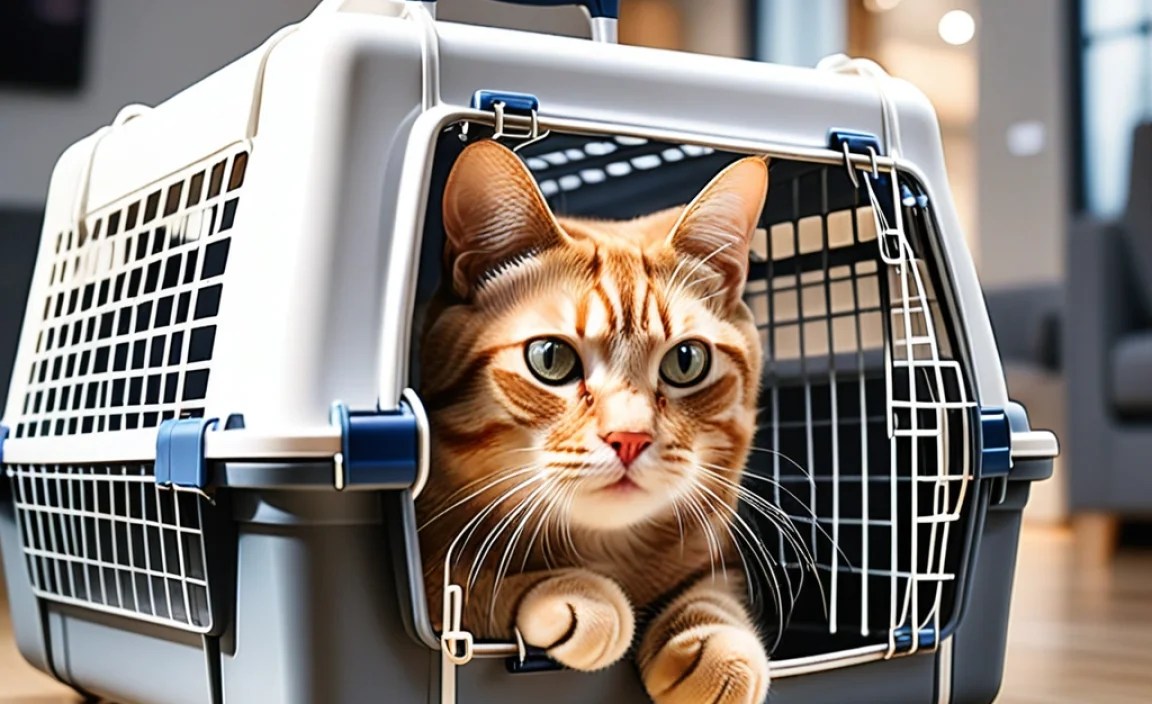
After thorough research and considering the essential features, we’ve identified a few standout airline approved cat carrier models that consistently receive high marks from pet parents and travel experts alike. These carriers balance airline compliance with your cat’s comfort.
1. The Soft-Sided Voyager: Ideal for Comfort and Portability
The Soft-Sided Voyager is a popular choice for many travelers due to its flexibility and ease of use. Often made from durable, water-resistant nylon, these carriers are lightweight and easy to stow.
Pros:
Flexible: Can often squeeze into slightly tighter spaces if compliance is borderline, thanks to its soft sides.
Lightweight: Easy to carry through airports.
Comfortable: Frequently comes with plush bedding and good ventilation through mesh panels.
Storage Pockets: Many models include pockets for travel documents, treats, or small toys.
Cons:
Less Durable than Hard-Sided: Can be less resistant to chewing or scratching from anxious pets.
Less Structured: May not always hold a rigid shape, which can make fitting it under the seat a bit trickier if not fully packed.
Potential for Collapsing: If not properly secured, the sides could potentially collapse slightly.
A notable carrier in this category is the Sherpa Travel Pet Carrier. It’s known for its patented “spring-wire frame” that allows the rear of the carrier to be flexible, fitting snugly against the airline seat while providing stability. It also features a washable faux lambskin lining and mesh panels for ventilation.
2. The Hard-Sided Secure Dome: Ultimate Protection and Stability
For cats who might be anxious or prone to trying to escape, a hard-sided carrier offers superior security and unwavering stability. These carriers are typically made from durable plastic and are known for their resilience.
Pros:
Maximum Security: Very difficult for pets to chew or claw their way out of.
Excellent Ventilation: Usually features ventilation slots or grates on multiple sides.
Stable Structure: Holds its shape, making it easy to place under the seat.
Easy to Clean: Plastic is generally simple to wipe down and sanitize.
Cons:
Heavier: Can be heavier to carry than their soft-sided counterparts.
Less Flexible: The rigid structure means it won’t bend to fit into tight spaces.
Potentially Less Comfortable: Some cats may find hard plastic less cozy without adequate padding.
A highly regarded option here is the Petmate Vari Kennel. This carrier is a classic for a reason. It’s constructed from durable plastic, has secure locking mechanisms, and provides ample ventilation. It’s a robust choice that many owners trust for long-distance travel and has a proven track record of airline compliance when adhering to size guidelines.
3. The Convertible Carrier: Versatility at Its Best
Some innovative designs offer the best of both worlds, allowing a carrier to function as both a soft-sided under-seat option and a more structured, expandable travel kennel.
Pros:
Adaptable: Can be used in multiple configurations for different travel needs.
Expandable Space: Many models offer expandable sections that can provide more room for your cat when they are not in the immediate under-seat area (e.g., at your destination).
Good Ventilation & Comfort: Often combines mesh panels with comfortable interiors.
Cons:
Can be Bulkier: The expandable features can sometimes make them larger or heavier than standard carriers.
Higher Price Point: Versatility often comes at a higher cost.
Complexity: More moving parts and zippers can sometimes be more prone to malfunction if not cared for.
An example of this versatility is the Sleepypod Air. This unique carrier can be used in its compact form for under-seat travel, and it also features a top-loading design and a mesh dome that can offer an expanded, more open environment for your cat when you’re not actively in transit.
Comparing Your Options: A Quick Guide

To help you make the best choice for your feline companion, here’s a table comparing the key aspects of different carrier types. Remember that specific models within each category will have their own unique features.
| Feature | Soft-Sided Carrier | Hard-Sided Carrier | Convertible Carrier |
|---|---|---|---|
| Airline Compliance (Size) | Generally good, flexible for fit. | Excellent, rigid structure. | Varies, check specific model and airline. |
| Durability | Moderate. Can be susceptible to chewing. | High. Very resilient. | Generally high, depending on materials. |
| Comfort for Cat | High. Often includes plush lining. | Moderate. Requires added bedding. | High. Offers flexibility and space potential. |
| Weight | Lightweight. | Heavier. | Moderate to Heavy. |
| Security | Good. Requires strong zippers. | Excellent. Secure latches. | Good to Excellent. Relies on robust construction. |
| Ventilation | Good. Mesh panels. | Very Good. Grates and slots. | Very Good. Combines mesh and solid panels. |
| Ease of Cleaning | Moderate. Removable liners help. | Excellent. Wipeable plastic. | Good. Removable sections can simplify. |
| Price Range | Moderate. | Moderate. | Moderate to High. |
Step-by-Step Guide: Preparing Your Cat for Travel

Purchasing the right carrier is only half the battle. Getting your cat accustomed to it is crucial for a stress-free travel experience. This process should start well in advance of your trip.
Step 1: Introduce the Carrier Positively
Leave it out early: Place the carrier in a common area of your home for several days, or even weeks, before your trip.
Open door policy: Keep the carrier door open at all times so your cat can explore it on their own terms.
Make it inviting: Place comfortable bedding, familiar blankets, and favorite toys inside. Sprinkle some catnip or use a Feliway spray (a synthetic cat facial pheromone) on the bedding to create a calming scent.
Step 2: Encourage Entry and Exploration
Treats and praise: Whenever you see your cat showing interest in the carrier, or venturing inside, offer praise and a high-value treat.
Food motivation: Place your cat’s meals inside the carrier. Start by placing the food bowl just inside the door, then gradually move it further back inside. This helps them associate the carrier with positive reinforcement and nourishment.
Step 3: Practice Short Periods Inside
Short durations: Once your cat is comfortable entering the carrier voluntarily, try closing the door for very short periods, perhaps just a minute or two.
Gradual increase: Slowly increase the duration the door is closed. Always do this when you are present and can reassure your cat.
Gentle association: Don’t force your cat into the carrier or close the door if they are clearly distressed. This will create a negative association.
Step 4: Introduce Motion
Gentle rocking: Once your cat is okay with being inside with the door closed, gently rock the carrier.
Short car rides: Progress to taking your cat on short car rides around the block. Gradually increase the length of these rides.
Reward calmness: Reward your cat with praise and treats for remaining calm during these practice sessions.
Step 5: Final Preparations Before Travel
Vet Visit: Ensure your cat is up-to-date on vaccinations and has a health certificate if required by the airline. Many airlines require a certificate of health issued within 10 days of travel. You can find more information on pet travel regulations and health requirements from the USDA Animal and Plant Health Inspection Service (APHIS).
Identification: Ensure your cat is wearing a collar with an ID tag and consider microchipping if they aren’t already.
Comfort Items: Do not put any bulky toys or blankets your cat could get tangled in, but a familiar small item might be comforting.
Food and Water: Offer a light meal a few hours before travel, but avoid feeding them right before putting them in the carrier to prevent motion sickness. Some water can be given in the carrier just before boarding.
What the Airlines Say: Key Compliance Points
Understanding airline policies is crucial for a smooth travel day. While configurations and specific rules can change, some general guidelines from major airlines represent common requirements for in-cabin pet travel. Always verify directly with your chosen airline before booking your travel.
Here’s a general overview of what most airlines look for in an in-cabin pet carrier:
Carrier Dimensions: Most airlines specify maximum external dimensions for under-seat carriers. These typically range from 17-22 inches in length, 9-14 inches in width, and 7-10 inches in height. Flexibility in soft-sided carriers is sometimes accommodated if the overall volume is within limits.
Under-Seat Fit: The carrier MUST fit completely under the seat in front of you without any part of it protruding into the aisle.
Ventilation: Carriers must have adequate ventilation on at least two to three sides. This ensures your pet can breathe easily and see out.
Leak-Proof: The carrier must be leak-proof and escape-proof.
One Pet Per Carrier: Generally, only one pet is allowed per carrier.
Pet Remains Inside: Your cat must remain inside the carrier for the entire duration of the flight. They cannot be taken out to be petted or played with in the cabin for safety and regulatory reasons.
No Carry-On Bag Alternatives: The pet carrier counts as your one carry-on item. You cannot bring an additional carry-on bag in addition to the pet carrier. Some airlines may permit a small personal item (like a purse) in addition to the carrier, but this varies.
Puppy/Kitten Age: Most airlines have a minimum age requirement, typically 8-10 weeks old for air travel.
Health Documentation: A health certificate from a veterinarian, issued within a specific timeframe before travel (often 10 days), is usually required.
Example of a typical airline policy summary (always check directly with the airline):
| Airline Carrier Name | Example Max Dimensions (L x W x H) | Key Requirements |
| United Airlines | 18″ x 13″ x 7.5″ | Must be leak-proof, well-ventilated, and secure. Must fit fully under the seat. Pet must remain in the carrier inside the cabin at all times. Carrier counts as a carry-on bag. Check specific cabin and seat configuration for exact fit. |
| Delta Air Lines | 18″ x 11″ x 5.5″ | Must be leak-proof, ventilated, and comfortable for your pet. Must fit under the seat in front of you. Pet must remain in the carrier throughout the flight. Carrier counts as your carry-on item. Smaller personal item may be permitted in addition. |
| American Airlines | 18″ x 13″ x 8″ | Must be leak-proof, well-ventilated, and secure. Must fit under the seat in front of you. Pet must remain inside the carrier at all times. Carrier is considered your carry-on item, though a small personal item may be allowed. |
| Southwest Airlines | 18.5″ x 13.5″ x 9.5″ | Must be leak-proof and well-ventilated with adequate room for your pet to stand and turn around. Must fit under the seat. Pet must remain in the carrier at all times. Carrier counts as one carry-on item. |
Note: These dimensions are examples and can vary. Always confirm the latest requirements on the airline’s official website.*
Frequently Asked Questions (Beginner-Friendly)
Here are some common questions beginner pet parents have about airline approved cat carriers.
Q1: Can I use any cat carrier on a plane?
No, not just any carrier will do. You need an “airline approved” carrier. This means it must meet specific size, ventilation, and security requirements set by the airline you’re flying with to fit under the seat and keep your pet safe.
Q2: How do I know if a carrier is truly airline approved?
The best way is to check the dimensions listed by the carrier manufacturer against the specific rules of the airline you are traveling with. Look for carriers that explicitly state they are designed for airline travel and mention dimensions that align with airline standards.