
Find the perfect stylish airline approved cat carrier to make travel a breeze for you and your feline friend. Look for soft-sided carriers with ample ventilation, a secure closure, and dimensions that fit under the seat. Prioritize comfort and safety for happy travels.
Planning a trip with your beloved cat can be a rewarding experience, but navigating airline regulations and ensuring your cat’s comfort can feel overwhelming. It’s a common worry for pet parents: how do I keep my furry companion safe and secure while meeting strict airline requirements? The good news is, with the right airline approved cat carrier, travel can be much smoother for everyone. We’re here to guide you through finding a carrier that’s not only compliant but also stylish and comfortable for your cat.
Why a Stylish Airline Approved Cat Carrier is a Must-Have Essential

Traveling with pets has become increasingly popular, and airlines have specific rules to ensure the safety and comfort of all passengers, including our furry friends. An “airline approved cat carrier” is designed to meet these various carrier size, ventilation, and security standards. But it doesn’t stop at just being functional; it can also be a stylish accessory that reflects your personal taste and adds a touch of flair to your travel gear. A good carrier is more than just a box; it’s a safe haven for your cat, providing security and a sense of familiarity even in a new environment.
When choosing an airline approved cat carrier, it’s essential to look for features that prioritize your cat’s well-being. This includes adequate ventilation for fresh air, a secure and escape-proof design, and enough space for your cat to turn around comfortably. Beyond these practicalities, the aesthetic appeal of the carrier can also be a factor for many pet owners. A stylish carrier can make the experience feel less like a chore and more like an extension of your overall travel style.
Key Features to Look for in a Stylish Airline Approved Cat Carrier
Selecting the right carrier involves balancing airline regulations with your cat’s comfort and your personal style. Here are the crucial elements to consider:
1. Airline Compliance: The Non-Negotiable Foundation
This is the most critical aspect. Every airline has its own policies, but most share common requirements for in-cabin pet carriers:
- Size Restrictions: Carriers must generally fit under the seat in front of you. The dimensions vary slightly by airline, so always check their specific guidelines before booking your flight. Many carriers are designed with these under-seat dimensions in mind.
- Ventilation: Ample mesh panels are crucial to ensure good airflow. This prevents your cat from overheating and allows them to see out, which can reduce anxiety.
- Secure Closure: Zippers and latches must be sturdy and escape-proof. Your cat should not be able to open the carrier from the inside.
- Leak-Proof Bottom: A durable, waterproof base is essential to contain any accidents.
- Soft Sides: Most airlines prefer or require soft-sided carriers for in-cabin travel, as they can be more easily manipulated to fit beneath the seat.
According to the U.S. Department of Transportation, airlines are required to make accommodations for pets traveling in the cabin, provided they meet safety and containment requirements. This underscores the importance of a compliant carrier.
2. Comfort for Your Cat: A Happy Traveler
A stressed cat is an unhappy traveler. Ensure the carrier is a comfortable and safe space:
- Ample Space: While it needs to fit under the seat, the carrier should be large enough for your cat to stand up, turn around, and lie down comfortably. Consider your cat’s size when choosing dimensions.
- Soft Interior: A comfortable, removable, and washable liner or bedding makes the carrier more inviting and easy to clean.
- Familiar Scents: Bringing a favorite blanket or toy from home can help your cat feel more secure.
- Stress Reduction: Look for carriers with features like roll-up privacy covers for the mesh windows, allowing you to create a darker, quieter space if your cat becomes overstimulated.
3. Durability and Material: Built to Last
A good carrier should withstand travel wear and tear:
- Strong Fabrics: Look for rip-stop nylon or sturdy polyester, which are durable and easy to clean.
- Reinforced Stitching: Strong seams are vital to prevent tears and ensure longevity.
- Sturdy Frame: Even soft-sided carriers often have internal framing that helps them maintain their shape while remaining flexible enough to fit under seats.
4. Style and Aesthetics: Travel in Fashion
Your carrier can be more than just functional:
- Color and Design: Many carriers come in a range of colors and patterns, from classic neutrals to vibrant hues. Choose one that suits your personal style.
- Discreet Branding: Some carriers have subtle logos, while others are designed to look more like designer pet bags, blending in with your luggage.
- Functional Pockets: Stylish doesn’t mean sacrificing utility. Look for carriers with convenient pockets for storing travel documents, treats, or a small water bowl.
5. Ease of Use for the Owner
A carrier should be practical for you too:
- Multiple Carrying Options: Adjustable shoulder straps and padded handles offer flexibility and comfort during transport.
- Easy Access: Top and side entry options can make it easier to get your cat in and out, especially if they’re hesitant.
- Washability: Removable, machine-washable liners are a lifesaver for easy cleanup.
Top Picks for Stylish Airline Approved Cat Carriers

While specific models can change, here are some popular types and brands known for combining airline compliance, comfort, and style. Always double-check current airline regulations and the exact dimensions of any carrier before purchasing.
Soft-Sided Expandable Carriers
These are fantastic for maximizing space when you’re not at the airport. When under the seat, they compress, but when you have some room, they can expand outwards, giving your cat more lounging area.
- Pros: Offer more interior space, often come with comfortable padding, good ventilation, typically airline compliant when compressed.
- Cons: Can be bulkier, expansion feature is useless when fully under the seat.
- Style Factor: Many come in sophisticated colors and designs that don’t scream “pet carrier.”
Soft-Sided Standard Carriers
The classic choice. These are generally lightweight, flexible, and designed to fit most under-seat requirements. They offer a good balance of portability and comfort.
- Pros: Lightweight, easy to maneuver, generally more affordable, excellent ventilation.
- Cons: Less interior space compared to expandable models.
- Style Factor: Available in a vast array of colors, patterns, and even textures, from sleek black to chic floral prints.
Hard-Sided Carriers (With Caveats)
While many airlines prefer soft-sided carriers, some allow hard-sided ones if they fit the under-seat dimensions. These offer more protection but can be less flexible for fitting. They are more common for checked baggage or car travel.
- Pros: More durable, offer better protection against impact.
- Cons: Less flexible for fitting under seats, can be heavier, less comfortable for cats to move around in.
- Style Factor: Usually come in basic colors, but some brands offer more modern, streamlined designs.
Designer Pet Carriers
These are often indistinguishable from fashionable handbags or totes. They prioritize aesthetics and may offer premium materials.
- Pros: Highly stylish, can blend in with human luggage, often made with high-quality materials.
- Cons: Can be expensive, may have less focus on ventilation or ease of cleaning, always verify airline compliance meticulously.
- Style Factor: The entire point! Think quilted fabrics, leather accents, and sleek silhouettes.
Comparing Features: A Practical Guide
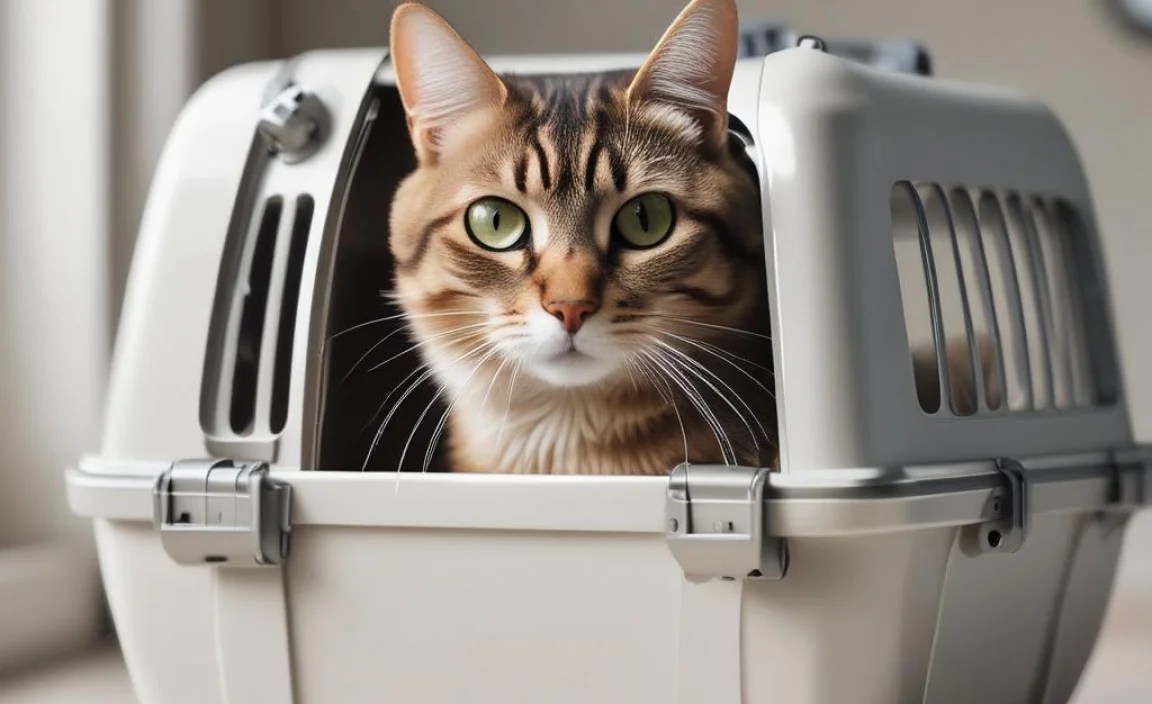
Choosing the right carrier depends on your priorities. Here’s a table to help you compare key features:
| Feature | Soft-Sided Standard | Soft-Sided Expandable | Hard-Sided | Designer Pet Carrier |
|---|---|---|---|---|
| Airline Compliance | Excellent (designed for under-seat) | Good (when compressed) | Variable (check dimensions carefully) | Variable (verify rigorously) |
| Comfort for Cat | Good | Very Good (with expansion) | Fair to Good | Fair to Good (depends on design) |
| Durability | Good | Good | Excellent | Variable (high-end materials can be durable) |
| Ventilation | Excellent (mesh panels) | Excellent (mesh panels) | Good (grills/holes) | Variable (check mesh placement) |
| Portability | Excellent | Good | Fair | Good to Excellent |
| Style Factor | Good (many options) | Good (sophisticated designs) | Basic to Average | Excellent |
| Price Range | $ – $$ | $$ – $$$ | $$ – $$$ | $$$ – $$$$ |
Preparing Your Cat for Travel

Even with the perfect carrier, your cat might experience some anxiety about traveling. Here’s how to help:
Acclimatizing Your Cat to the Carrier
- Start Early: Don’t introduce the carrier for the first time on travel day. Begin weeks in advance.
- Make it Inviting: Leave the carrier door open in a comfortable area of your home. Place favorite toys, treats, or a familiar blanket inside.
- Positive Reinforcement: Offer praise and treats when your cat explores or enters the carrier willingly. Feed meals inside the carrier.
- Short Trips: Once your cat is comfortable being inside, close the door for short periods while you are present. Gradually increase the time.
- Simulate Travel: Once your cat is used to being in the carrier with the door closed, take short, gentle car rides around the block. This helps them associate the carrier with movement but not necessarily distress.
During the Journey
- Keep it Secure: Always ensure the carrier is securely fastened using the car seatbelt if traveling by car, or placed on the floor under the seat in front of you on the plane.
- Minimize Stress: Keep the carrier covered with a light cloth to provide a darker, quieter environment that can help reduce external stimuli.
- Temperature Control: Ensure the cabin temperature is comfortable. Avoid placing the carrier directly in front of an air vent or in direct sunlight.
- Hydration: For short flights, water is usually not necessary. For longer journeys, consider using a spill-proof water dispenser attachment or offering small amounts of water during layovers.
- Food: Avoid feeding your cat a large meal right before or during travel, as this can lead to motion sickness. A small, digestible treat before the journey might be acceptable.
- Calming Aids: If your cat experiences significant anxiety, consult your veterinarian about safe and effective calming aids, such as pheromone sprays (like FELIWAY Classic Spray) or natural supplements.
Navigating Airport Security with Your Cat

Airport security procedures often require you to remove your pet from the carrier. Here’s how to handle it smoothly:
- Be Prepared: Have your cat on a leash or in a harness inside the carrier before you reach security. This allows you to quickly secure them if they try to bolt.
- Communicate: Let the TSA agent know you have a pet. They can often provide a private area or direct you to a less chaotic lane.
- Step-by-Step:
- Place your carrier on the conveyor belt for X-ray screening.
- Remove your cat from the carrier and place them securely in your arms or a harness.
- Carry your cat through the metal detector.
- Once you’re through, quickly place your cat back into the carrier.
- Collect your carrier from the other side.
- Stay Calm: Your own calmness will help your cat remain more relaxed.
Remember, the primary goal of airport security is safety. By being organized and communicating with staff, you can get through the process efficiently.
Frequently Asked Questions (FAQ)
What are the most important factors for an airline-approved cat carrier?
The most crucial factors are meeting the airline’s specific size dimensions for under-seat carriers, ensuring adequate ventilation through mesh panels, and having a secure, escape-proof closure. Comfort features for your cat, like sufficient space and a soft lining, are also very important.
How do I know if a carrier will fit under the airplane seat?
Always check the exact dimensions of the carrier against the specific airline’s pet policy. Airlines typically provide the maximum dimensions allowed for under-seat carriers on their websites. Soft-sided carriers are often more flexible and easier to fit.
Are there specific airlines that are more pet-friendly?
While most major airlines allow small pets in the cabin, their policies on size, fees, breed restrictions, and number of pets per flight can vary significantly. It’s always best to research the pet policy of the airline you plan to fly with thoroughly.
Can my cat travel in a hard-sided carrier on a plane?
Some airlines do allow hard-sided carriers if they meet the under-seat dimensions and have proper ventilation. However, many prefer or mandate soft-sided carriers because they are more pliable and easier to fit into tight spaces. Always confirm with your airline.
What is the best way to keep my cat calm during a flight?
Acclimatizing your cat to the carrier beforehand is key. During the flight, keeping the carrier covered to create a den-like environment, maintaining a comfortable cabin temperature, and using vet-approved calming aids can help significantly. Avoid feeding right before the flight.
Should I let my cat out of the carrier during the flight?
As a general rule, no. Airlines prohibit pets from leaving their carriers during the flight to ensure safety and prevent disturbances. The carrier serves as their safe space, and opening it can increase stress and the risk of escape.
How often should I clean my cat’s travel carrier?
It’s good practice to clean the interior lining after each trip, especially if there have been any spills or messes. A deeper clean of the entire carrier can be done periodically, or whenever it appears visibly dirty. Removable, machine-washable liners make this process much easier.
A Stylish and Safe Journey Starts Now
Traveling with your cat doesn’t have to be a source of stress. By understanding airline requirements and prioritizing your cat’s comfort and safety, you can choose a stylish airline approved cat carrier that makes your journey as pleasant as possible. Remember that a well-chosen carrier is more than just an accessory; it’s an essential tool for ensuring your beloved feline companion travels securely and calmly.
Take the time to research, compare options, and prepare your cat for the adventure ahead. With the right approach and the perfect carrier, you and your cat can look forward to many happy travels together. Happy journeys!