
As a cat owner, you can provide a healthy, grain-free diet by understanding essential nutrients, choosing quality ingredients, and selecting appropriate food types. This guide simplifies creating a balanced grain-free meal plan to keep your feline friend happy and well.
Worried about what to feed your cat? Many pet parents wonder if a grain-free diet is the best choice. It’s a common question, and the good news is, it’s much simpler than you might think! You want the best for your kitty, and understanding their dietary needs is the first step. This guide will walk you through everything you need to know about grain-free eating for your cat, making it easy and reassuring.
We’ll uncover the building blocks of a healthy cat diet, explore the benefits and considerations of grain-free options, and help you choose the right food. Plus, we’ll cover important factors like hydration and treats, so you can feel confident about your cat’s nutrition. Let’s make feeding time a breeze!
The Core Nutrients Your Cat Needs
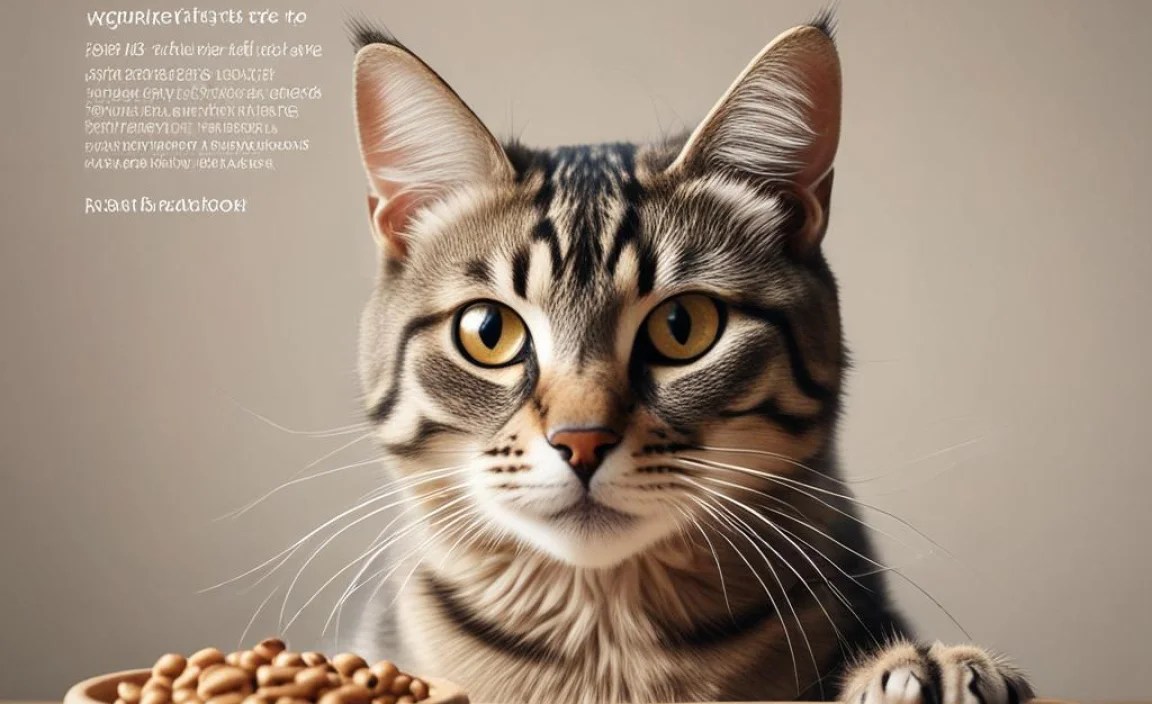
Cats are obligate carnivores, which means their bodies are designed to thrive on meat. Unlike dogs and humans, they have specific nutritional requirements that must be met through their diet. Understanding these core nutrients is the foundation of providing any balanced diet, grain-free or otherwise.
Protein: The Building Blocks
Protein is absolutely vital for cats. It’s essential for building and repairing tissues, supporting their immune system, and providing energy. High-quality animal-based protein sources are non-negotiable. Look for foods where meat, poultry, or fish are listed as the first few ingredients.
Fats: For Energy and More
Fats are a concentrated source of energy and play a crucial role in nutrient absorption, skin and coat health, and hormone production. Essential fatty acids, like Omega-3 and Omega-6, are particularly important. These are typically found in animal fats and fish oils.
Vitamins and Minerals: The Supporting Cast
Cats need a range of vitamins and minerals to support various bodily functions, from vision to bone health. These include Vitamin A for vision and immune function, B vitamins for metabolism, and minerals like calcium and phosphorus for strong bones and teeth. These are typically found in animal tissues and fortified foods.
Amino Acids: The Specialized Proteins
Cats have a higher requirement for certain amino acids, such as taurine, arginine, and methionine, compared to other animals. Taurine, in particular, is incredibly important for heart health and vision. It must be obtained from animal-based protein sources; plants do not contain sufficient amounts of this essential nutrient. Many commercial cat foods are fortified with taurine to ensure cats get enough.
Water: The Unsung Essential
While not a nutrient in the same way, water is arguably the most critical element of a cat’s diet. Cats have a naturally low thirst drive, often getting most of their moisture from their food. Proper hydration is key to kidney function, digestion, and overall health.
Why Consider a Grain-Free Diet for Your Cat?

The “grain-free” label has become very popular in pet food, and for cats, it often comes with a specific reasoning. While not all cats need to be on a grain-free diet, understanding the common motivations behind choosing one can help you decide if it’s right for your feline companion. It’s important to base this decision on your cat’s individual needs and veterinary advice.
Common Motivations for Grain-Free Diets
- Digestive Sensitivities: Some cats may have sensitive stomachs and find it easier to digest foods without grains. Grains like corn, wheat, and soy can sometimes be more challenging for them to process.
- Allergies or Intolerances: While less common than protein allergies, some cats can develop sensitivities or allergies to specific grains. A grain-free diet can help eliminate potential allergens.
- Mimicking a Natural Diet: Cats are natural carnivores, and traditionally, their diet would not include grains. Many owners opt for grain-free to get closer to what they perceive as a more natural, ancestral diet for their cats.
- Nutrient Density: Grain-free formulas often replace grains with higher concentrations of meat or protein sources, making the food more nutrient-dense and potentially more satisfying for obligate carnivores.
Important Considerations About Grain-Free Diets
It’s crucial to approach grain-free diets with informed consideration. While they can be beneficial for some cats, they aren’t a universal solution and come with their own points to ponder. Always discuss dietary changes with your veterinarian.
- Not a Cure-All: Grain-free doesn’t automatically mean better. Many cats thrive on high-quality, grain-inclusive diets. Grains can be a source of carbohydrates and fiber that many cats tolerate well.
- Alternative Carbohydrates: When grains are removed, they are often replaced by other carbohydrate sources like potatoes, peas, or tapioca. These are still carbohydrates and can contribute significantly to the carb content of the food.
- Potential for Increased Protein/Fat: Some grain-free foods may have higher protein or fat levels. This can be beneficial for some cats but might be too much for others, potentially leading to weight gain or digestive upset if not monitored.
- Dietary Diluted Issues (DCM): While research is ongoing and primarily focused on dogs, there have been concerns and investigations into potential links between certain diets (including some grain-free formulations high in legumes) and a heart condition called Dilated Cardiomyopathy (DCM). This is an area where consulting with your vet is especially important, as they can guide you based on current research and your cat’s specific health profile. The FDA provides ongoing updates on this topic.
Choosing the Right Grain-Free Food

Selecting a grain-free cat food involves looking beyond just the “grain-free” label and diving into the specifics of the ingredients and nutritional profile. The goal is to find a food that is not only free of grains but also rich in the nutrients your cat needs to thrive.
Decoding the Ingredient List
The ingredient list is your roadmap to understanding what’s in your cat’s food. It’s listed in order of weight, so the first few ingredients are the most important.
- First Ingredients: Look for named meat sources like “chicken,” “turkey,” “salmon,” or “lamb” as the primary ingredients. Avoid generic terms like “meat by-products” at the top.
- Protein Sources: Animal-based protein is key. While some plant-based proteins might be present, they should not be the primary source.
- Avoid Fillers: Watch out for excessive amounts of ingredients like corn starch, wheat gluten, or soy, even if they are not whole grains. These can be less digestible or offer fewer nutritional benefits.
- Healthy Fats: Look for named fat sources like “chicken fat” or “fish oil,” which provide essential fatty acids.
- Beneficial Additives: Many good grain-free foods include added vitamins, minerals, and antioxidants. Added taurine is also a good sign.
- Carbohydrate Sources: In grain-free foods, you’ll typically see ingredients like sweet potatoes, peas, lentils, tapioca, or potatoes. Moderate amounts of these are generally acceptable, but excessive amounts, especially from multiple legume sources, warrant closer inspection due to ongoing research into DCM.
Understanding Guaranteed Analysis
The guaranteed analysis on the packaging provides essential nutritional information. While it doesn’t tell you the quality of the ingredients, it gives you a baseline for macronutrients.
- Crude Protein: Aim for a minimum of 30% protein for dry food and 35-45% for wet food, but higher is often better for obligate carnivores.
- Crude Fat: This typically ranges from 15-25% for dry food and 5-15% for wet food.
- Crude Fiber: Usually between 3-5%.
- Moisture: For wet food, this will be around 70-80%. For dry food, it’s typically 10% or less.
- Ash: This represents the mineral content. A typical range is 6-8%.
Wet Food vs. Dry Food (Grain-Free Options)
Both wet and dry grain-free foods have their pros and cons. The best choice often depends on your cat’s preferences and your lifestyle.
Wet Food (Canned or Pouch)
Pros:
- High Moisture Content: Excellent for hydration, which is crucial for cats with a low thirst drive. This is particularly beneficial for urinary tract health and kidney function.
- Palatability: Often more appealing to picky eaters.
- Lower Carbohydrate Content: Generally contains fewer carbohydrates than dry food, closer to a cat’s natural dietary needs.
- Often Higher Protein: Typically formulated with higher protein percentages.
Cons:
- Cost: Can be more expensive over time.
- Dental Health: Doesn’t provide the same abrasive action for dental cleaning as dry kibble might.
- Convenience: Once opened, it needs refrigeration and can spoil if left out.
Dry Food (Kibble)
Pros:
- Convenience: Easy to store, serve, and can be left out for free-feeding.
- Cost-Effective: Generally more budget-friendly.
- Dental Benefits: Some kibble is designed with a texture that can help scrape plaque off teeth.
Cons:
- Low Moisture Content: Can contribute to dehydration if the cat doesn’t drink enough water.
- Higher Carbohydrate Content: Often uses more carbohydrate binders to create the kibble shape, which may not be ideal for all cats.
- Can Be Less Palatable: Some cats are pickier about dry food.
Top Grain-Free Cat Food Brands (Examples)
To give you a starting point, here are a few well-regarded brands that offer grain-free options. Remember to always check the specific ingredient list and guaranteed analysis for the product you choose, as formulations can vary. This is not an endorsement, but a guide to brands known for quality in this category:
| Brand Example | Grain-Free Philosophy | Potential Ingredients to Note |
|---|---|---|
| Orijen | High-protein, whole-prey philosophy. Uses fresh meats, organs, and bone. | Features a variety of high-quality animal ingredients. Often includes limited fruits and vegetables. |
| Acana | Similar to Orijen, focusing on high meat content from regional farms. | Rich in animal protein, uses whole fruits and vegetables. Often includes peas and lentils. |
| Taste of the Wild | Grain-free recipes often use ancient grains (in some lines, but many are grain-free) or legumes. Focuses on protein and nutrients from various sources. | Variety of meat and fish proteins. Recipes often include sweet potatoes and peas. |
| Blue Buffalo Wilderness | Inspired by a wild ancestor’s diet, high in protein and grain-free. | Features deboned meats, sweet potatoes, peas, and fruits. |
| Merrick Grain Free | Uses high-quality protein sources and adds beneficial ingredients like omega-3 and omega-6. | Focuses on deboned meat as the first ingredient, uses peas, sweet potatoes, and berries. |
Making the Transition to Grain-Free

Switching your cat’s food, especially to a grain-free diet, should always be done gradually. A sudden change can upset their digestive system, leading to vomiting or diarrhea. A slow transition ensures your cat has time to adjust to the new ingredients and tastes.
Step-by-Step Transition Plan
Follow this general guideline, adjusting based on your cat’s tolerance:
- Days 1-2: 75% Old Food, 25% New Food. Mix the new grain-free food with their current food. See how your cat reacts.
- Days 3-4: 50% Old Food, 50% New Food. Increase the proportion of the new food.
- Days 5-6: 25% Old Food, 75% New Food. The new food is now the majority.
- Day 7 onwards: 100% New Food. If your cat has tolerated these changes well, you can transition to feeding the new food exclusively.
Monitor Your Cat for Changes
During the transition and after, keep a close eye on your cat. Look for:
- Appetite: Are they eating the new food readily?
- Digestion: Are their stools firm and normal? Any signs of vomiting or diarrhea?
- Energy Levels: Do they seem happy and active?
- Coat Quality: Is their fur looking healthy and shiny?
If you notice any negative signs, slow down the transition or consult your veterinarian. Some cats may need a longer transition period (up to 10-14 days).
Beyond the Kibble: Hydration and Treats

A balanced diet isn’t just about the main meal; it also includes ensuring adequate hydration and choosing healthy, complementary treats. These elements play a significant role in your cat’s overall well-being.
Encouraging Water Intake
Since cats have a low thirst drive, it’s essential to encourage them to drink. Adequate water intake is vital for preventing urinary tract issues and kidney problems, especially if feeding dry food.
- Fresh Water Daily: Always ensure your cat has access to clean, fresh water.
- Multiple Water Bowls: Place water bowls in different locations around your home.
- Ceramic or Stainless Steel Bowls: These are generally preferred over plastic, which can harbor bacteria and odors.
- Water Fountains: Many cats are attracted to the running water in a pet fountain. The movement and filtered water can encourage more drinking.
- Adding Moisture to Food: Incorporating wet food into their diet is the most effective way to increase moisture intake. Even adding a little water or unsalted, low-sodium broth to dry food can help.
Healthy Grain-Free Treat Options
Treats are a great way to bond with your cat or use them for training, but they should be given in moderation (no more than 10% of their daily caloric intake). Look for grain-free options that align with their dietary needs.
- Freeze-Dried Raw Treats: These are typically made from 100% meat and offer concentrated nutrition.
- Small Pieces of Cooked Meat: Unseasoned, plain cooked chicken, turkey, or fish in small amounts can be excellent treats.
- Commercial Grain-Free Treats: Many brands offer treats made with meat, fish, and natural ingredients, free from grains, artificial colors, and flavors. Check labels carefully.
- Tuna or Salmon Oil: A small lick can be a treat and provide beneficial omega-3 fatty acids.
Avoid commercial treats with artificial colors, flavors, and preservatives. Also, be mindful of the carbohydrate content in treats, even grain-free ones.
Important Note: While the focus is on grain-free, ensure any treat you offer is safe for cats. For instance, avoid giving raw fish regularly, as it can interfere with thiamine absorption, and ensure any cooked meats are plain and free of onion, garlic, or spices.
Supplements: Are They Necessary?
A high-quality, balanced grain-free cat food should provide all the necessary nutrients. However, some cats may benefit from supplements. Always consult your veterinarian before adding any supplements to your cat’s diet.
- Taurine: While essential, taurine is typically well-fortified in commercial cat foods. If you’re feeding a homemade diet (which is not recommended without expert guidance), taurine supplementation is critical.
- Omega-3 Fatty Acids: For cats with skin sensitivities or dry coats, fish oil supplements (like salmon or krill oil) can be beneficial.
- Probiotics: May help support digestive health in cats experiencing sensitive stomachs.
Your vet can assess your cat’s specific needs and recommend appropriate supplements if necessary.