
Quick Summary: To ensure your kitten thrives, choose kitten-specific food formulated with high protein, essential vitamins, and minerals like calcium and phosphorus for growth. Look for AAFCO approval and consult your vet for personalized recommendations. This ensures a safe and nutritious start for your furry friend.
Welcoming a new kitten into your home is pure joy! But suddenly, you’re faced with a pantry full of options, and the big question arises: what’s the best cat food safe for kittens? It can feel overwhelming trying to figure out what’s truly best for your tiny furball. Don’t worry, this guide will break down exactly what your growing kitten needs to be happy, healthy, and full of playful energy. We’ll explore essential nutrients, what to look for on food labels, and how to make the best choices. Get ready to feel confident about your kitten’s nutrition!
Understanding Your Kitten’s Nutritional Needs

Kittens are not just small cats; they are rapidly developing beings with unique dietary requirements that differ significantly from adult cats. Their bodies are working overtime to build bones, muscles, organs, and a strong immune system. This intense growth phase demands a precise balance of nutrients, particularly protein, fats, carbohydrates, vitamins, and minerals. Think of it like building a skyscraper – every component needs to be strong and in the right proportion for the entire structure to stand tall and be healthy.
The Power of Protein
Protein is the absolute cornerstone of your kitten’s diet. It’s essential for building and repairing tissues, forming enzymes, hormones, and antibodies that keep their immune system robust. Kittens need significantly more protein than adult cats to fuel their rapid growth. Look for high-quality animal-based protein sources listed as the first few ingredients on the food packaging. Common excellent sources include chicken, turkey, fish, and lamb.
For reference, the Association of American Feed Control Officials (AAFCO) sets nutritional standards for pet foods. For kitten growth, AAFCO recommends a minimum of 30% protein on a dry matter basis. This guideline ensures that pet food manufacturers are providing adequate protein levels for developing kittens.
Healthy Fats for Energy and Development
Fats are another crucial component of a kitten’s diet. They are a concentrated source of energy and are vital for the development of the brain, eyes, and nervous system. Essential fatty acids, such as Omega-3 and Omega-6, are particularly important. Omega-3 fatty acids support brain development and a healthy coat, while Omega-6 fatty acids contribute to healthy skin and a shiny fur. Your kitten’s food should contain a good balance of these healthy fats.
Carbohydrates: The Supporting Role
While protein and fats are primary, carbohydrates play a supporting role by providing readily available energy. However, kittens are obligate carnivores, meaning their digestive systems are best suited to a diet low in carbohydrates and high in animal-based ingredients. Some kittens can be sensitive to certain grains, leading to digestive upset. If you choose a food containing grains, opt for easily digestible ones like rice or oats. Many kitten foods today are grain-free, which can be a good option for sensitive kittens.
Vitamins and Minerals: The Tiny Helpers
Kittens have a higher need for certain vitamins and minerals than adult cats. Calcium and phosphorus, for example, are critical for developing strong bones and teeth. Vitamin A is essential for vision and immune function, while B vitamins support metabolism and energy production. Vitamin E acts as an antioxidant, protecting cells from damage. A well-formulated kitten food will have these nutrients in the precise ratios required for proper development. Too much or too little of certain minerals can cause serious health issues, so a balanced formula is key.
What to Look for on Kitten Food Labels

Navigating the pet food aisle can feel like deciphering a secret code. Fortunately, understanding a few key elements on the food label will empower you to make informed decisions about the best cat food safe for kittens.
The AAFCO Statement: Your Seal of Approval
One of the most important things to find on kitten food packaging is an AAFCO (Association of American Feed Control Officials) statement. This statement indicates that the food has been formulated to meet the nutritional levels established by AAFCO for a specific life stage. For kittens, you’ll want to look for a statement that says the food is “complete and balanced… for growth” or “for all life stages.” This is a fundamental indicator that the food provides all the necessary nutrients for your growing feline.
You can learn more about AAFCO’s role in pet food regulation on their official website: AAFCO.org
Ingredient List: Quality Matters
The ingredient list is presented in descending order by weight. This means the first few ingredients are the most abundant. For kitten food, you want to see high-quality animal protein sources like “chicken,” “turkey,” “salmon,” or “lamb” listed at the very top. Avoid foods where the primary ingredients are fillers like corn, wheat, or soy, or where protein sources are ambiguous (e.g., “meat by-products” without specifying the animal).
Guaranteed Analysis: Nutrient Breakdown
The guaranteed analysis provides a minimum percentage of crude protein and fat, and a maximum percentage of crude fiber and moisture. While helpful, it doesn’t tell the whole story about nutrient bioavailability or the specific levels of all essential vitamins and minerals. However, for kitten food, you’ll typically see higher protein and fat percentages compared to adult cat food. Pay attention to the protein content, aiming for a minimum of 30% as recommended by AAFCO for growth.
Dry Food vs. Wet Food for Kittens

Both dry kibble and wet food have their pros and cons when it comes to feeding kittens. The best choice often depends on your kitten’s preferences, your lifestyle, and veterinary advice. Many owners find a combination works best.
| Feature | Dry Kitten Food (Kibble) | Wet Kitten Food (Canned) |
|---|---|---|
| Convenience | Easy to store, measure, and leave out for free-feeding. Less prone to spoilage. | Requires refrigeration after opening. Can be a bit messier to serve. |
| Dental Health | The crunchy texture can help scrape plaque off teeth, potentially aiding in dental hygiene. | Softer texture offers little to no dental benefit. |
| Hydration | Lower moisture content (typically 6-10%). Kittens may need encouragement to drink more water. | High moisture content (typically 70-80%). Excellent for hydration, which is crucial for kidney health. |
| Nutrient Density | Generally more concentrated in calories and nutrients per serving. | Less concentrated; kittens may need larger volumes to meet calorie needs. |
| Palatability | May be less appealing to some kittens compared to wet food. | Often highly palatable, making it easier to entice picky eaters. |
| Cost | Typically more budget-friendly per serving over time. | Can be more expensive, especially for premium brands. |
Choosing the Right Formula
Regardless of whether you choose wet or dry food, always opt for a formula specifically designed for kittens. These formulas are more calorie-dense and contain higher levels of protein, fat, vitamins, and minerals necessary for rapid growth. Adult cat food does not meet these elevated needs and can lead to deficiencies or developmental issues.
Essential Nutrients for Kitten Development
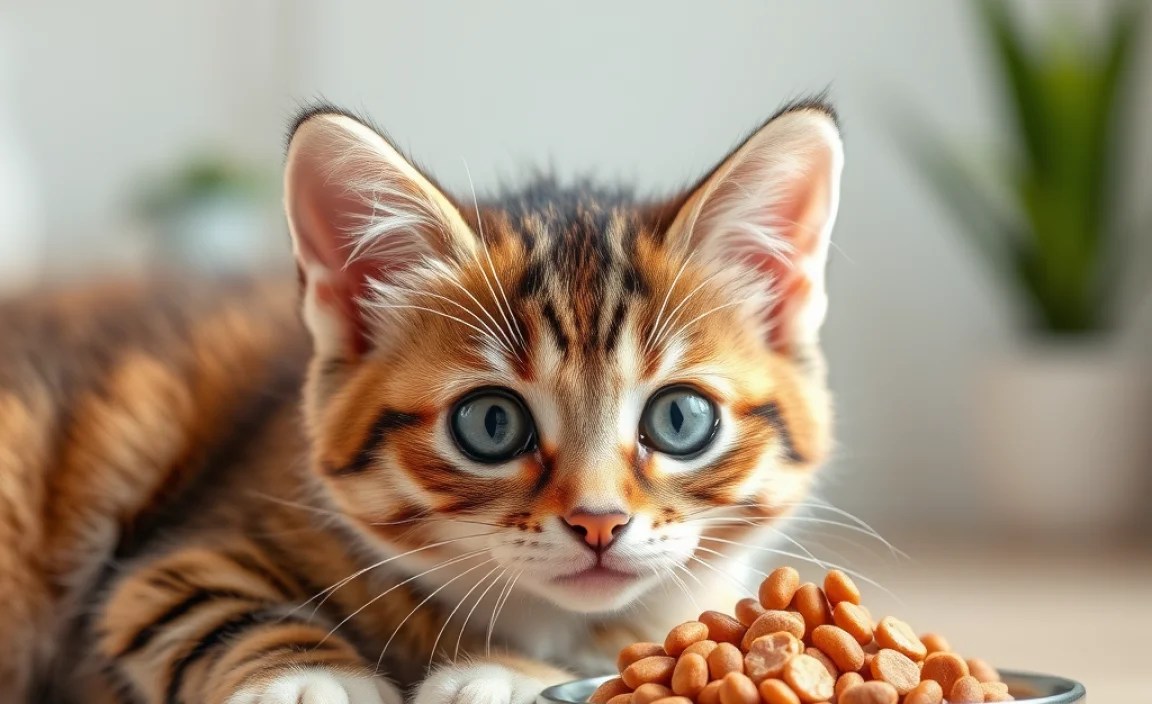
Let’s dive a little deeper into the “why” behind certain nutrients being so vital for your growing furball.
Taurine: A Crucial Amino Acid
Taurine is an essential amino acid that cats cannot synthesize themselves and must obtain from their diet. It plays a critical role in heart function, vision, and reproductive health. A deficiency in taurine can lead to severe health problems, including blindness and heart disease. High-quality cat foods, especially those formulated for kittens with adequate animal protein, will contain sufficient taurine. Always ensure the food is AAFCO-approved for growth to guarantee this essential nutrient is present.
DHA: Brain and Vision Booster
Docosahexaenoic acid (DHA) is a type of Omega-3 fatty acid that is particularly important for the development of the brain and eyes. Kittens obtain DHA from their mother’s milk, and it’s also found in many fish-based ingredients and supplemented into high-quality kitten foods. Ensuring your kitten receives adequate DHA during this critical developmental period can have long-lasting benefits for their cognitive function and visual acuity.
Calcium and Phosphorus: The Bone Builders
The ratio and adequate levels of calcium and phosphorus are paramount for building strong bones and teeth. These minerals work synergistically. Too much or too little, or an improper ratio, can lead to skeletal abnormalities during growth. Kitten-specific formulas are carefully balanced to provide these minerals in the correct amounts for healthy bone development. Foods with bone meal or calcium carbonate are common sources.
What to Avoid in Kitten Food

Just as important as knowing what to look for is knowing what to avoid. Certain ingredients and formulations can be detrimental to your kitten’s health.
- Artificial Colors, Flavors, and Preservatives: These offer no nutritional benefit and can sometimes cause sensitivities or allergic reactions in pets. Look for foods that use natural preservatives (like mixed tocopherols, which are Vitamin E derivatives) and avoid products with artificial dyes that make kibble look more appealing to humans but not to cats.
- Excessive Fillers: Ingredients like corn, wheat, and soy can be used as fillers to bulk up food. While not inherently bad for all cats, they offer less nutritional value compared to animal protein and some kittens can develop sensitivities or allergies to them. They also require more digestive effort.
- Ambiguous Protein Sources: Ingredients like “meat by-products” can be of variable quality. While some by-products are nutritious, it’s best to look for clearer meat sources as the primary ingredients. “Poultry by-product meal” is generally considered acceptable when it appears after a named meat like “chicken meal.”
- Low Protein Content: As discussed, kittens have high protein needs. Foods with protein percentages below the AAFCO recommendation for growth are not suitable.
- Plant-Based Proteins as Primary Sources: Cats are obligate carnivores and thrive on animal protein. Foods where pea protein, potato protein, or other plant-based proteins are the leading ingredients are not ideal for kittens.
Transitioning to New Food
If you need to switch your kitten’s food, whether it’s from a breeder, shelter, or just changing brands, do so gradually to avoid digestive upset. A sudden change can lead to vomiting or diarrhea.
- Day 1-2: Offer 75% old food and 25% new food.
- Day 3-4: Offer 50% old food and 50% new food.
- Day 5-6: Offer 25% old food and 75% new food.
- Day 7 onwards: Offer 100% new food.
If your kitten shows any signs of digestive distress (loose stools, vomiting, refusing to eat), slow down the transition process and extend each step by a day or two. You can also consult your veterinarian for advice.
How Much to Feed Your Kitten
The amount of food your kitten needs depends on their age, weight, activity level, and the specific food’s caloric density. Always refer to the feeding guidelines on the food packaging. These charts are a starting point, and you may need to adjust based on your kitten’s individual needs.
| Kitten Age (Weeks) | Approximate Feeding Frequency | General Guidance (Consult Packaging) |
|---|---|---|
| 3-4 | 4-6 small meals per day | Small portions, may still be nursing or transitioning to solids. |
| 5-12 | 3-4 meals per day | Calorie-dense food. Portions increase as they grow. |
| 12-24 | 2-3 meals per day | Continued growth, transition to adult portions as they approach maturity. |
It’s essential to monitor your kitten’s body condition. You should be able to feel their ribs easily with a light touch, but they shouldn’t be visibly protruding. They should have a visible waist when viewed from above.
Hydration is Key
Clean, fresh water should be available to your kitten at all times. While wet food contributes to hydration, many kittens still don’t drink enough water from bowls. Consider a pet drinking fountain, as the running water often encourages cats to drink more. Proper hydration is crucial for kidney function and overall health.
When to Consult Your Veterinarian
Your veterinarian is your most valuable resource for your kitten’s health and nutrition. They can provide specific recommendations based on your kitten’s breed, health status, and individual needs. Don’t hesitate to discuss:
- Food allergies or sensitivities.
- Digestive issues.
- Weight gain or loss concerns.
- Specific