
Have you ever watched two cats hiss and puff up at each other? It can be quite a sight! Cat aggression toward other cats is more common than you might think. Many cat owners face this issue every day. But why do cats act this way?
Imagine welcoming a new kitten into your home, only to have your older cat growl and chase it away. This can be confusing and upsetting. Understanding why this happens is important.
Here’s a fun fact: cats use body language and sounds to express their feelings. Just like people, they can feel threatened or scared. This can lead to aggressive behavior. In this article, we will explore the reasons behind cat aggression toward other cats and how to help your furry friends get along.
Get ready to learn some tips and tricks that can make your home peaceful again! Let’s dive into the world of our feline friends and their sometimes tricky social lives.
Understanding Cat Aggression Toward Other Cats: Causes And Solutions

Understanding Cat Aggression Toward Other Cats

Do you ever wonder why your cat hisses or swats at another cat? Cat aggression toward other cats can stem from fear, territory, or stress. It may also happen if they feel threatened in their home. Cats are natural fighters, but understanding their behavior can help.
Did you know that a cat’s body language speaks volumes? Ears back or a puffed-up tail are warning signs! Learning to recognize these cues can help you keep the peace in your home.
Signs of Aggression in Cats

Physical signs: body language, vocalizations, and posturing.. Behavioral signs: stalking, fighting, and hiding..
Watching a cat can be like reading a book of emotions. Body language speaks volumes. A puffed-up tail, flattened ears, and wide eyes are clear signs of trouble ahead. If your cat issues loud growls or hisses, watch out! They mean business. Cats also show aggression through behavior. If you see one stalking or lunging at another, it’s not playing hide-and-seek! It could end in an all-out furry melee. And let’s face it, nobody wants their home turned into a feline wrestling ring!
| Signs of Aggression | Physical Signs | Behavioral Signs |
|---|---|---|
| Puffed tail | Indicates fear or anger | Stalking behavior |
| Flattened ears | Ready to fight! | Fighting |
| Hissing or growling | Back off! | Hiding to avoid conflict |
Understanding Cat Social Behavior
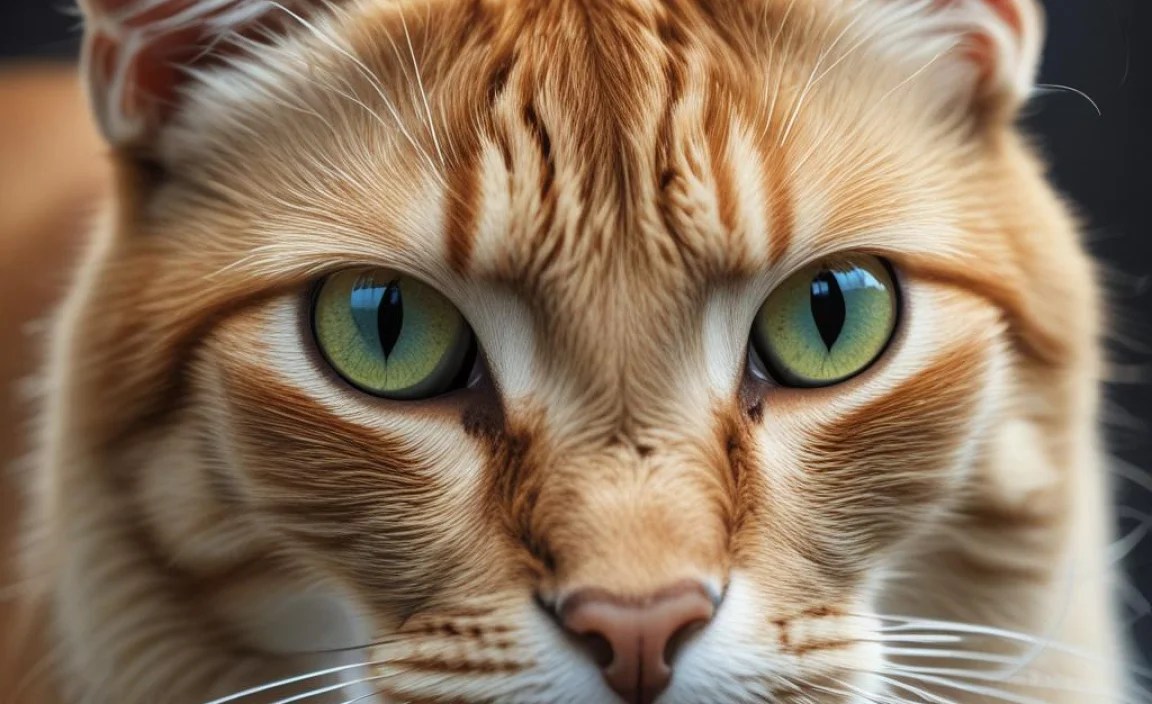
Basics of feline social structures and hierarchy.. How social dynamics impact aggression and interactions among cats..
Cats have their own communities. They form social groups with clear rules. Each cat has a place in these groups, kind of like a classroom. This order is called hierarchy. Some cats are leaders, while others are followers. This social setup can help or hurt them. Understanding their dynamics is key. If a new cat comes in, fights might happen. Stress can lead to cat aggression toward other cats. Knowing their behavior helps us keep them happy.
What causes cat aggression?
Cat aggression often comes from fear or stress. When a cat feels threatened or challenged, it may react aggressively. Changes in their environment can trigger these feelings.
Key Points of Feline Social Behavior
- Cats prefer to have a clear hierarchy.
- Social groups may form based on familiarity.
- New introductions can cause stress and fights.
- Understanding cats’ signals can reduce aggression.
Preventive Measures for Cat Aggression

gradually and safely.. Recommendations for creating a harmonious living environment with enough resources..
Welcoming a new cat into your home can be like throwing a party where one guest is convinced everyone else is up to no good. To start strong, introduce cats slowly. Let them sniff each other’s blankets first—kinda like passing notes in class! Give each kitty their own space and resources like food and litter boxes, so they don’t feel like they have to compete. Here’s a quick resource breakdown:
| Resource | Recommendation |
|---|---|
| Food Bowls | One for each cat, plus one extra! |
| Litter Boxes | At least one per cat, plus one extra! |
| Sleeping Areas | Separate cozy spots for each furry friend. |
Remember, patience is key! You wouldn’t eat a pizza in one bite, right? Take it slow, and soon your cats will be throwing their own parties—just with a little less fur flying!
Managing Aggression Between Cats
Techniques for intervening during aggressive encounters.. Behavioral modification strategies, including desensitization and counterconditioning..
When cats start hissing and swatting, it’s time to step in! Use some clever strategies to calm the fur flies. First, intervene safely by distracting them with a toy or noise. Keep a spray bottle handy, but don’t turn into a wet blanket! Behavioral techniques can help too. With desensitization, slowly expose your cats to each other, letting them take baby steps to friendship. Counterconditioning involves giving treats during peaceful moments. Soon, your cats may love each other more than catnip!
| Technique | Description |
|---|---|
| Intervention | Distract with toys or sounds. |
| Desensitization | Gradually expose cats to each other. |
| Counterconditioning | Reward calm behavior with treats. |
When to Seek Professional Help
Signs that indicate the need for a veterinarian or animal behaviorist.. Options for addressing severe aggression issues through professional interventions..
Noticing your kitty acting like a mini lion? It’s time to pay attention. If your cat shows signs like hissing, swatting, or constant hiding, seeking help is key. A vet or animal behaviorist can help decode your cat’s mood. They can offer serious strategies for tackling this fierce feline behavior. Remember, it’s better to ask for advice than to let fur fly.
| Signs to Watch For | Possible Actions |
|---|---|
| Frequent hissing or growling | Consult an animal behaviorist |
| Aggressive play or fighting | Schedule a vet check-up |
| Excessive hiding | Talk to a pet trainer |
Long-term Solutions and Management Strategies
Building a positive relationship between cats through play and training.. Ongoing behavioral observation and modification practices..
Creating a strong bond between cats takes time and fun! Use playtime as a tool for bonding. Try engaging games like chasing toys or laser pointers. This not only keeps them fit but also helps them become friendly. Training is another crucial step. Teach them simple commands while rewarding good behavior. Keep an eye on their actions. Observe how they interact and modify their environment if necessary. You are the cat whisperer they never knew they needed!
| Strategy | Benefit |
|---|---|
| Playtime | Builds friendship and reduces stress |
| Training | Encourages good behavior and trust |
| Observation | Helps modify behavior for a happier home |
Resources for Cat Owners
Recommended books, websites, and organizations specializing in feline behavior.. Contact information for qualified behaviorists and veterinarians..
For cat owners facing cat aggression, having the right resources can make a world of difference. Check out books like “Cat vs. Cat” by Pam Johnson-Bennett for great tips. Fun websites, like the ASPCA, offer valuable advice too. If you need expert help, reach out to veterinarians or behaviorists. They can help calm your feline warriors. Here’s a handy table of some top resources:
| Resource Type | Name | Contact Info |
|---|---|---|
| Book | Cat vs. Cat by Pam Johnson-Bennett | Available at local bookstores |
| Website | ASPCA | www.aspca.org |
| Organization | The Cat Behavior Association | (555) 123-4567 |
These resources can guide you in turning those fighting cats into best buddies. Remember, sometimes it takes a pro to get those claws to retract!
Conclusion
In summary, cat aggression toward other cats can come from fear, territory, or play. Understanding your cat’s body language helps you recognize their feelings. If you see aggression, try to calm your cats or give them space. You can also learn more by reading books or articles about cat behavior. Remember, helping your cats get along is important for their happiness!
FAQs
What Are The Most Common Triggers Of Aggression Between Cats In A Multi-Cat Household?
In a multi-cat household, some common triggers of aggression are food, space, and attention. When cats feel hungry, they might fight over food. If they get too close to each other, they can feel scared and lash out. Also, if one cat gets more love or petting than the other, it can create jealousy. It’s important to make sure each cat has their own space and resources.
How Can Cat Owners Identify Signs Of Aggression In Their Pets Before An Altercation Occurs?
You can see signs of aggression in your cat by watching their body language. If they puff up their fur, or their ears lay flat, they might be upset. Cats may also growl or hiss when they feel threatened. If your cat stares with wide eyes or swats at things, it could mean they’re ready to fight. Pay attention to these signs to keep your cat safe.
What Behavioral Modifications Can Be Implemented To Reduce Aggressive Interactions Between Cats?
To reduce aggressive interactions between cats, we can start by giving each cat its own space. Make sure they have separate areas to eat and sleep. We can also play with them using toys to keep them busy. Try using calm voices when we’re with them to create a peaceful atmosphere. Lastly, we should reward good behavior with treats, so they learn to be nice to each other.
How Does Territory Play A Role In Cat Aggression, And What Strategies Can Be Used To Manage Territorial Disputes?
Territory is really important to cats. They like to claim their spots and feel safe there. When a new cat comes into their area, they might get aggressive to protect their space. To help avoid fights, we can give each cat their own space and things, like separate food bowls and toys. We can also keep calm and make sure they meet in a safe way.
When Should Cat Aggression Escalate To The Point Of Seeking Professional Help From A Veterinarian Or Animal Behaviorist?
If your cat is hurting people or other pets, it’s time to get help. You should also seek help if your cat acts scared all the time or if its behavior suddenly changes. If your cat hides, stops eating, or seems very stressed, a veterinarian or animal behaviorist can help. They know how to make your cat feel better and help them stop being aggressive. Getting help early can keep everyone safe.