
Choosing a cat carrier for multiple cats is about providing a safe, secure, and stress-free travel experience for your feline friends. Look for spacious, well-ventilated, and easy-to-clean options with a sturdy design to ensure their comfort and safety during vet visits or travel.
Taking your beloved cats somewhere new can feel a bit overwhelming, especially when you have more than one! Wondering how to get them all to the vet or on a trip without a fuss? It’s a common puzzle pet parents face. But don’t worry, finding the right carrier for your multi-cat household is simpler than you think. We’ll guide you through everything you need to know to make travel safe and comfortable for all your furry companions. Get ready to learn how to choose the perfect carrier that keeps everyone happy and secure!
Why You Need the Right Carrier for More Than One Cat
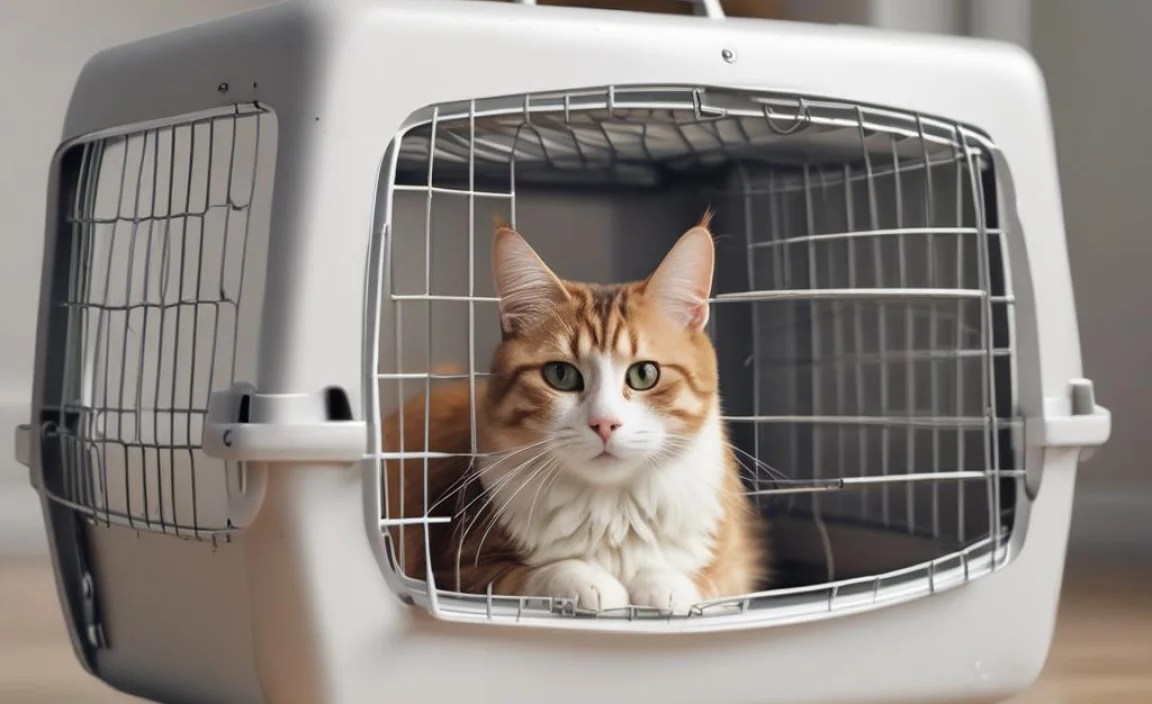
Owning multiple cats brings double the joy, but it also means double the responsibility when it comes to their care, including safe transport. When it comes to vet appointments, moving, or even just a holiday trip, getting more than one cat from point A to point B can be a challenge. If you’ve ever tried to cram two cats into one carrier, you know it’s not ideal. They can become stressed, territorial, or even injured. The right carrier isn’t just a box; it’s a safe haven.
A properly chosen carrier ensures that each cat has their own space, reducing anxiety and the risk of conflict. It makes the journey smoother for you and, more importantly, for your cats. We’ll explore the essential features to look for and how to make the experience as stress-free as possible for everyone involved.
Understanding Your Multi-Cat Carrier Needs

Before diving into specific products, let’s consider what makes a carrier suitable for more than one cat. The primary goal is safety and comfort. This means thinking about size, ventilation, security, and ease of cleaning. Each cat is an individual, and their needs might differ, but some general principles apply.
Size Matters: More Space for More Paws
This is the most crucial factor. A carrier that’s too small will make your cats feel cramped and stressed. They won’t be able to stand up, turn around, or lie down comfortably. Conversely, a carrier that’s too large might allow them to be thrown around during movement, which can also be frightening and potentially cause injury.
- Measure Your Cats: Gently measure your cats from nose to tail, and also their height when standing. This will give you a good idea of the minimum dimensions needed per cat.
- Consider Their Temperament: If your cats are generally relaxed and get along well, you might be able to accommodate them in a slightly larger single carrier if it’s designed for it. However, for cats who are more anxious or prone to conflict, separate carriers are often the best and safest bet.
- Multi-Level vs. Single Large: Some carriers are designed with multiple compartments or levels. Others are simply larger soft-sided or hard-sided carriers. The key is ensuring each cat has adequate personal space.
Ventilation is Vital: Fresh Air for Happy Felines
Cats can get stressed and overheated easily, especially when confined. Excellent airflow is non-negotiable. Look for carriers with ample mesh panels on multiple sides. This allows for cross-ventilation and lets your cats see out, which can sometimes reduce anxiety. It also allows you to keep an eye on them easily.
Security and Durability: Keeping Them Safe Inside
Your carrier needs to be robust. Cats can be surprisingly strong and determined when stressed. Ensure that zippers are self-locking or have a secure clasp. The frame should be sturdy, whether it’s a hard plastic shell or a reinforced soft-sided structure. You don’t want a door popping open or sides collapsing.
Ease of Cleaning: Accidents Happen!
No matter how well-trained your cats are, travel can sometimes cause upset stomachs or accidents. A carrier with a removable, washable liner or a wipeable interior is a lifesaver. This makes cleanup quick and efficient, keeping the carrier hygienic for future use.
Types of Carriers for Multiple Cat Households

When looking for a cat carrier for multiple cats, you’ll find a few main styles. Each has its pros and cons, and the best choice often depends on your specific cats and travel needs.
1. Expandable Carriers: More Room When Needed
Expandable carriers are a fantastic innovation for pet travel. They start as a standard-sized carrier and then can be expanded on one or more sides using zippers. This offers your cats more space to stretch out during longer journeys or when they are feeling particularly restless.
- Pros:
- Offer extra space when needed, reducing stress.
- Can be more compact for simple trips when not expanded.
- Versatile for cats of different sizes or temperaments.
- Cons:
- Can be bulkier when expanded.
- Zippers can be a potential weak point if not high quality.
- May be more expensive than standard carriers.
2. Dual-Compartment Carriers: Built-in Separation
These carriers are specifically designed with two separate compartments, often with a removable divider. This is ideal for cats who don’t tolerate each other well or for ensuring individual space even with friendly cats.
- Pros:
- Ensures each cat has its own distinct space.
- Great for cats with known behavioral issues with each other.
- Can provide a sense of security for each cat.
- Cons:
- Can be quite large and heavy when fully loaded.
- Divider may not be completely escape-proof for determined cats.
- Less flexibility in space compared to expandable models.
3. Large Single Carriers: For Cohabiting Companions
This is essentially a larger version of a standard cat carrier, designed to comfortably fit two cats side-by-side or one behind the other. This option works best for cats who are very bonded and accustomed to sharing smaller spaces, or for very small cats.
- Pros:
- Simpler design, often more affordable.
- Can be easier to maneuver if not overly large.
- If cats are friends, they might feel more secure together.
- Cons:
- Requires cats to be very comfortable with each other.
- Risk of conflict is higher if cats are stressed.
- Can be difficult to get two cats into a single carrier without stress triggers.
4. Soft-Sided vs. Hard-Sided for Multi-Cat Use
Both soft-sided and hard-sided carriers can be suitable for multiple cats, but there are distinctions:
- Soft-Sided Carriers: Typically lighter, more flexible, and often feature multiple entry points and mesh windows. They can be easier to store when not in use. However, they may not be as durable or secure if your cats are determined to escape or if they are particularly large. Expansion options are common in soft-sided carriers.
- Hard-Sided Carriers: Often more durable and easier to sanitize. They provide a more rigid structure, which can be better for preventing injury. Many have top and front loading options, which can be helpful for getting cats inside. However, they can be bulkier and heavier.
Essential Features to Look For in a Multi-Cat Carrier

Beyond the basic type, several features can make a multi-cat carrier a truly “essential” and safe choice.
Structural Integrity and Stability
This cannot be stressed enough. The carrier must be built to last and withstand the movement of two cats. Look for reinforced stitching on soft-sided carriers and sturdy latches and hinges on hard-sided ones. A carrier that can support the weight of two cats without buckling or feeling flimsy is paramount.
Multiple Entry Points
Getting cats into a carrier can be a wrestling match. Carriers with top-loading options or multiple doors can make the process much easier. For dual-compartment carriers, having separate entrances for each section is ideal.
Non-Slip Base and Interior
A slippery interior surface can make your cats feel insecure and unable to get their footing, especially during turns or stops. Look for carriers with a textured interior or include a non-slip mat. If the carrier comes with a washable pad, ensure it has a grippy underside.
Secure and Reliable Closures
Zippers should be heavy-duty and ideally self-locking. For hard carriers, latches need to be secure and not easily bumped open. Always double-check that all openings are firmly shut before lifting or transporting.
Mesh Paneling for Visibility and Ventilation
As mentioned, good airflow is key. Insist on carriers with generous mesh windows. This not only provides ventilation but also allows your cats to see out, which can be calming for some. It also lets you peek in without disturbing them unduly.
Washable and Easy-to-Clean Materials
Accidents happen. A carrier with a removable, machine-washable liner or a smooth, wipeable interior is a huge advantage. This helps maintain hygiene and prevent lingering odors, making future trips more pleasant.
Portability and Handling
Carrying one cat is one thing; carrying two can be a serious load. Consider carriers with comfortable, robust handles or optional shoulder straps. For very heavy carriers, a wheeled option might be worth exploring, though ensure they are still stable enough for your cats.
Best Cat Carriers for Multiple Cats: Recommendations

Here are some highly-regarded features and examples of carriers that often work well for multiple cats. Remember to always check dimensions and weight limits to ensure suitability for your specific pets.
| Carrier Type | Key Features for Multi-Cat Use | Best For | Considerations |
|---|---|---|---|
| Expandable Soft-Sided (e.g., PetAmi, Unidragon) | Multiple mesh windows, expandable sections, comfortable padding, washable base. | Cats who travel together occasionally and can tolerate proximity; or for providing extra space on demand. | Ensure zippers are durable; check if expansion holds its shape. |
| Dual-Compartment Soft-Sided (less common, often custom or specialized) | Sturdy divider, two separate access points, good ventilation on both sides. | Cats who need guaranteed separation or have mild conflict issues. | Divider must be secure; overall size can be significant. |
| Large Hard-Sided (e.g., Petmate Pet Porter, Frisco) | Durable construction, good ventilation, top-and-front entry options, secure latches. Often available in larger sizes suitable for two smaller cats. | Cats who need a very secure, durable carrier and are comfortable sharing a larger space; easier to clean. | Heavier and bulkier; ensure cats are compatible enough to share. |
| Pet Stroller Carrier (e.g., Beeztees, Hauck) | Wheeled base, enclosed cabin, can sometimes fit two smaller cats or be used with dividers. | Owners with mobility issues or who travel long distances and want to avoid carrying weight. | Not suitable for all travel types; ensure robust construction. |
When selecting, always read recent reviews from other pet owners who have used the carrier for multiple pets. This can provide invaluable real-world feedback on durability, ease of use, and pet comfort.
Making the Carrier a Safe Space: Acclimation Tips

A carrier isn’t just for transport; it can also be a little den for your cats. The key to stress-free travel is getting your cats accustomed to their carrier before you need to use it.
Step-by-Step Acclimation Process
- Carrier Placement: Leave the carrier out in a common area of your home with the door open. Make it a comfortable spot by placing familiar bedding, toys, or treats inside.
- Positive Associations: Feed your cats their meals inside or near the open carrier. Give them treats or praise when they go inside voluntarily. The goal is for them to associate the carrier with good things.
- Short Enclosures: Once your cats are comfortable entering the carrier on their own, try closing the door for very short periods (a few minutes) while you are present. Gradually increase the duration.
- Gentle Movement: With the door securely latched, try picking up the carrier and walking around the house for a minute or two. Let them out before they get stressed.
- Car Rides (Short & Sweet): For their first car ride, make it a short trip around the block with no specific destination. Gradually increase the length of the rides. Never leave your cats unattended in a car.
This process can take days or even weeks, depending on your cats’ individual personalities. Patience is key!
What to Pack for Multi-Cat Travel
For longer journeys or overnight stays, think about what your cats might need. This ensures they remain comfortable and their routine is disrupted as little as possible.
- Familiar Bedding: A small blanket or mat that smells like home can be incredibly comforting.
- Water and Food Bowls: Collapsible bowls are excellent for travel. Ensure you have a way to provide fresh water.
- Travel-Sized Litter Box and Litter: For longer trips, a small, disposable litter box or a portable one can be a lifesaver.
- Leash and Harness (Optional): If you plan on letting them out in a secure environment at your destination.
- Favorite Toys: A few small, quiet toys can help with boredom and stress.
- Calming Aids: Consider Feliway spray or calming treats if your vet recommends them.
- Treats: For positive reinforcement and to ease anxiety.
- Paper Towels and Pet-Safe Wipes: Essential for any quick cleanups.
- Medications: If any of your cats require them.
Always ensure the carrier is secure before placing any items inside. Don’t overstuff it to the point where your cats have no room to move.
Safety Guidelines for Transporting Multiple Cats
Safety is paramount. Here are crucial guidelines to follow:
- Never Transport Unsecured Cats: Loose cats are a serious danger to themselves and others, and a distraction to the driver.
- One Cat Per Carrier (Generally Recommended): While some carriers are marketed for multiple cats, it is generally safest to have one cat per carrier. This prevents fighting and allows each cat their own secure space. If using a dual-compartment carrier, ensure the divider is robust.
- Proper Ventilation: Always ensure the carrier has adequate airflow. Avoid covering carriers completely with blankets unless it’s for a very short period in a controlled environment to reduce stimulus.
- Secure the Carrier in the Vehicle: Place the carrier on the floor behind a seat or securely buckle it into the seat using the car’s seatbelt. This prevents it from sliding or tipping during braking or turns.
- Monitor Temperature: Never leave your cats in a parked car, even for a few minutes, as temperatures can rise or fall rapidly. A pet-safe temperature is crucial.
- Keep Carriers Cool: If traveling in warm weather, use sunshades on windows and ensure good air circulation.
- Avoid Distractions: Refrain from trying to interact with your cats during transit if it distracts you from driving.
- Emergency Preparedness: Have a plan for emergencies. Know the number of a pet-friendly veterinarian at your destination.
For more information on pet safety during travel, you can refer to resources from organizations like the American Veterinary Medical Association (AVMA).
Common Mistakes to Avoid When Choosing a Carrier for Multiple Cats
As a busy pet parent, it’s easy to make a mistake. Here are some common pitfalls to steer clear of:
- Underestimating Size Needs: Thinking “they’ll be fine” without measuring or assessing your cats’ comfort levels.
- Prioritizing Price Over Quality: Opting for the cheapest option without checking for safety features and durability.
- Ignoring Ventilation: Choosing a carrier with only one small mesh panel.
- Not Acclimating Cats: Trying to use a carrier for the first time on the day of travel.
- Over-Reliance on Product Descriptions Alone: Not reading user reviews or checking dimensions carefully.
- Using the Wrong Type of Carrier for Temperament: Forcing fearful or aggressive cats into a shared space.