
As our furry friends get older, they need extra care, especially when it comes to their diet. Have you ever noticed how your senior cat seems to nap more and play less? This change can signal a need for a better diet. The right food is key to keeping them healthy. But what does that mean exactly?
Imagine a diet that helps your cat leap like they used to. Sounds great, right? Senior cats may need special foods to help with their joints and energy levels. That’s where cat diet advice for senior cats comes in handy. You want to make sure you’re giving your aging buddy the best.
Did you know that some cats can have food sensitivities as they age? This means they might need different types of food than they did when they were younger. Providing the right nutrition can help your senior cat feel like a kitten again!
Let’s dive into some helpful tips. This article will guide you on how to choose the best diet for your beloved feline. Keeping them happy and healthy has never been easier!
Essential Cat Diet Advice For Senior Cats’ Healthと Wellness

Cat Diet Advice for Senior Cats

As cats age, their dietary needs change. Did you know that senior cats may need fewer calories? It’s true! Older felines often require diets rich in protein to maintain muscle mass. Look for high-quality ingredients in cat food. Additionally, hydration becomes crucial. Providing wet food can help keep them hydrated. Always consult your vet when changing diets. Your beloved feline deserves the best nutrition for their golden years!
Understanding the Nutritional Needs of Senior Cats

Importance of adjusting diets for aging cats. Key nutrients essential for senior felines.
As cats age, their bodies change. Older cats need special food to stay healthy. It’s important to adjust their diets to give them the right nutrients. This helps them feel better and live longer. Key nutrients for senior cats include:
- Protein: Helps maintain strong muscles.
- Fiber: Aids digestion and prevents weight gain.
- Omega fatty acids: Support skin and coat health.
- Vitamins and minerals: Boost overall health and immunity.
Adjusting their food can help your senior kitty thrive!
What is the best diet for senior cats?
The best diet for senior cats includes high-quality protein, low carbohydrates, and plenty of water. **Consult your vet** for specific recommendations based on your cat’s health needs.
Best Foods for Senior Cats

Recommendations for highquality commercial cat foods. Homemade diet options and considerations.
When choosing food for older felines, quality is key! Look for high-protein options that keep their energy up and help maintain strong muscles. Commercial brands like Royal Canin and Hill’s Science Diet make great picks for senior cats. You can even go homemade! Just remember to add protein like chicken or fish, along with some veggies. Balance is the name of the game. Remember, a cat’s gotta eat well to nap well!
| Type of Food | Examples | Benefits |
|---|---|---|
| Commercial | Royal Canin, Hill’s Science Diet | High protein, balanced nutrients |
| Homemade | Chicken, fish with veggies | Customizable, fresh ingredients |
Portion Control and Feeding Guidelines
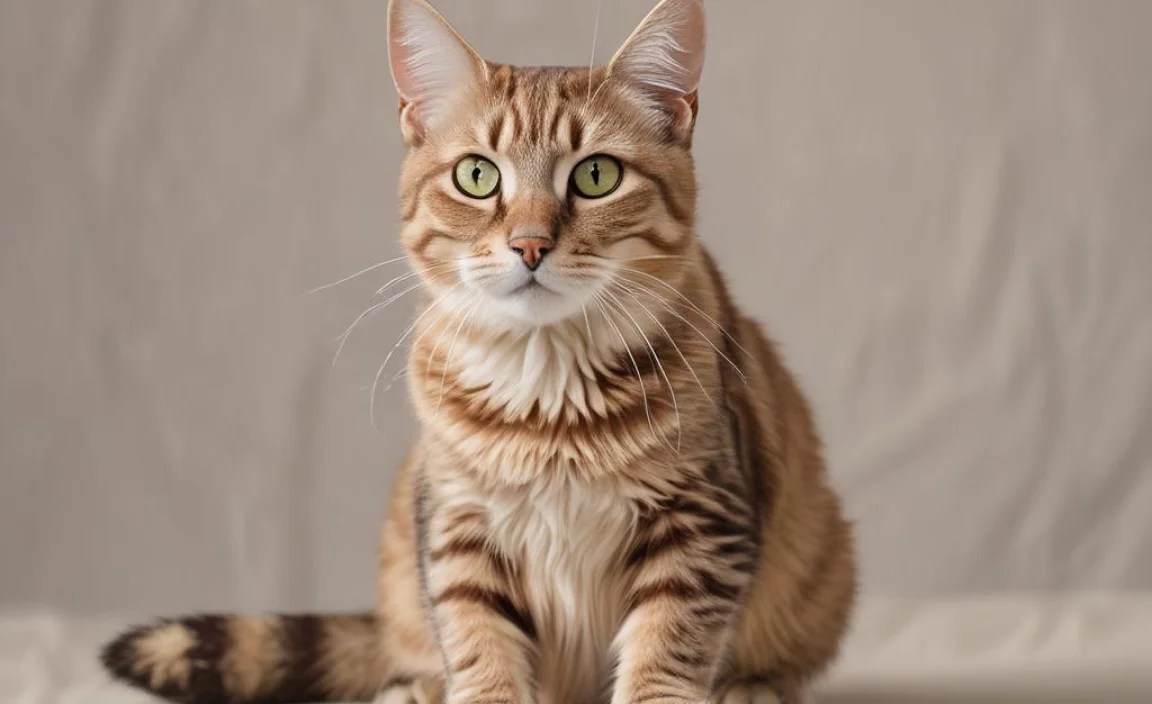
Determining appropriate serving sizes for senior cats. Frequency of feeding and its importance.
Finding the right amount of food for senior cats is very important. Older cats need balanced meals to stay healthy. Portion control helps prevent obesity and keeps their weight steady. Here are some tips:
- Determine serving size based on your cat’s weight and activity level.
- Feed smaller amounts more often, about 2-3 times a day.
- Monitor their weight regularly to adjust food portions.
Regular feeding times create a routine. This can make your cat feel secure. Remember, every cat is unique. Make sure to talk to your vet for personal advice.
How often should I feed my senior cat?
Feed your senior cat 2-3 times a day for best results. Divide their daily food into smaller meals.
Special Diets for Specific Health Concerns
Lowprotein diets for kidney issues. Joint support diets and supplements.
When our senior cats have special health issues, a tailored diet can work wonders. For kidney problems, a low-protein diet helps reduce the workload on their little kidneys. Think of it as lightening their load for better functioning! Joints may also need some extra love as they age. Foods rich in Omega-3 fatty acids can help keep those joints happy. A sprinkle of fish oil might just turn dinnertime into a fishy feast!
| Health Concern | Diet Suggestion |
|---|---|
| Kidney Issues | Low-Protein Diet |
| Joint Support | Omega-3 Rich Foods |
So, give your furry friend a boost with the right meals. A happy kitty makes for a happy home! After all, even cats know that a good diet means more purring and less grumpy moods.
Hydration and Its Importance for Senior Cats
Importance of water intake and hydration sources. Encouraging fluid consumption in elderly felines.
Water is vital for senior cats. It helps their organs work well and keeps them feeling good. Older cats often drink less, making hydration even more important. You can help by offering water in different ways, like:
- Fresh water daily in a clean bowl.
- Wet food, which adds moisture to their diet.
- Water fountains can entice cats to drink more.
Keep an eye on your cat’s drinking habits. If they drink very little, consult your vet. A well-hydrated cat is a happy cat!
How much water should a senior cat drink?
On average, a senior cat should drink about 3.5 to 4.5 ounces of water per 5 pounds of body weight daily. Adjust this based on activity level and diet.
Monitoring Weight and Body Condition
How to assess your senior cat’s weight. Strategies for maintaining a healthy weight in aging cats.
Keeping an eye on your senior cat’s weight is important. You can check their weight at home using a scale. Watch their body shape too. A healthy cat should have a small waist and feel fit when you touch them. To keep your cat at a good weight:
- Feed small meals regularly.
- Choose high-quality cat food.
- Encourage playtime and movement.
Regular vet visits can also help. They can give you the best advice for your cat’s needs.
How can I tell if my senior cat is at a healthy weight?
Check if your cat has a defined waist, feels firm but not thin, and can move easily. Regular weigh-ins help track changes!
Transitioning to a Senior Cat Diet
Tips for smoothly changing your cat’s food. Signs to watch for during the transition period.
Changing your senior cat’s food can feel like a high-stakes game of tennis. Start slowly! Mix a little of the new food with the old one. Gradually increase the new food while decreasing the old. This makes the switch easier and lowers the chance of an upset tummy. Keep an eye out for signs of trouble like vomiting or changes in behavior. If your cat gives you the side-eye, they might not be a fan! Here’s a quick look at the transition process:
| Days | Mix Ratio |
|---|---|
| 1-3 | 75% old, 25% new |
| 4-6 | 50% old, 50% new |
| 7-10 | 25% old, 75% new |
| 11+ | 100% new |
Remember, a happy cat is a healthy cat. And if they start to behave like a diva, it could mean you need to reassess their menu!
Consulting with a Veterinarian
Importance of professional guidance in dietary changes. Regular checkups and nutritional assessments for senior cats.
Diet changes for senior cats can be tricky, so it’s best to get some pro help. Consulting a veterinarian is like having a personal trainer for your furry friend. They know what nutrients your cat needs as they age. Regular check-ups are important too! These visits allow the vet to check your cat’s health and suggest the best foods. Just like we check our cars, a healthy cat needs a tune-up!
| Check-up Benefits | Why It Matters |
|---|---|
| Personalized Diet Plans | Meow-some meals tailored for your cat! |
| Health Assessments | To catch any issues before they become big problems! |
| Weight Monitoring | Because nobody wants a chubby kitty! |
So, don’t skip those vet visits! Because, let’s face it, a happy cat means a happy home!
Conclusion
In summary, caring for your senior cat’s diet is crucial. Choose high-quality cat food with protein and low carbs. Always keep fresh water available. Consider adding supplements for better health. Monitor your cat’s weight and adjust portions as needed. For more detailed advice, check with your vet. Let’s help our furry friends age gracefully together!
FAQs
What Are The Specific Nutritional Needs Of Senior Cats Compared To Younger Cats?
Senior cats need special food because they age differently than younger cats. They need less fat but more protein for their muscles. They also need extra water to stay hydrated. Some senior cats may need special diets for their health, like for their kidneys. Always check with your vet to find the best food for your cat.
How Can I Determine The Appropriate Portion Sizes And Calorie Intake For My Senior Cat?
To find the right portion sizes and calories for your senior cat, you can start by checking the food label. It usually shows how much to feed based on your cat’s weight. Senior cats often need less food than younger ones, so look for special senior cat food. You can also talk to your vet about the best amount for your cat. They can help you make sure your kitty stays healthy and happy!
Are There Any Ingredients Or Food Types That Should Be Avoided In A Senior Cat’S Diet?
Yes, we should avoid certain foods for senior cats. Stay away from lots of salt and sugar. Foods with bones can hurt their teeth. Also, avoid onions and garlic because they can make them sick. It’s best to give them healthy, safe food!
How Can I Help My Senior Cat Maintain A Healthy Weight And Prevent Obesity?
To help your senior cat stay healthy and not gain too much weight, you can feed them smaller meals. Use a measuring cup to give the right amount of food. We should also make sure they get enough exercise each day by playing with them. Try using toys that encourage them to move around. Regular vet check-ups can help too!
What Are The Benefits Of Wet Food Versus Dry Food For Senior Cats, And How Should I Incorporate Both Into Their Diet?
Wet food has more water, which helps keep your senior cat hydrated. It’s often softer, making it easier for them to chew. Dry food can help keep their teeth clean. You can mix both by giving wet food at one meal and dry at another. This way, your cat gets the good stuff from both kinds!