
Quick Summary: Raising a healthy kitten starts with proper nutrition. This guide provides essential cat diet advice for kittens, focusing on age-appropriate food, feeding schedules, and key nutrients to ensure optimal growth and development for your new furry friend.
Bringing a tiny kitten into your home is an incredibly joyful experience! But with all the excitement, you might wonder about the best way to nourish your new little companion. What should kittens eat? How often? It might seem complicated, but don’t worry! Feeding your kitten a healthy diet is simpler than you think, and the right food now sets the stage for a lifetime of good health. This guide will walk you through everything you need to know about cat diet advice for kittens, from choosing the right food to understanding their specific nutritional needs. Get ready to feel confident about feeding your growing furry family member!
Understanding Your Kitten’s Nutritional Needs

Kittens are like tiny whirlwinds of energy, constantly growing and exploring their world. This rapid development demands a special kind of fuel! Unlike adult cats, kittens have significantly higher energy requirements, along with a greater need for protein, vitamins, and minerals to support their bones, muscles, and immune system. Think of it like building a house – a strong foundation and the right materials are crucial for a sturdy structure. For kittens, that foundation is built with proper nutrition.
Their bodies are working overtime to develop organs, grow fur, and build their immune defenses. This means their food needs to be nutrient-dense, meaning it delivers a lot of good stuff in a small package. Protein is especially vital, as it’s the building block for almost everything in their bodies, from muscles to antibodies. They also need specific fatty acids for brain and vision development, and essential vitamins and minerals for overall health.
It’s crucial to feed a diet specifically formulated for kittens. Adult cat food simply won’t provide the concentrated nutrition they require. The difference is like giving a growing sapling a whole fertilizer pack versus a simple watering – one is designed for growth, the other for maintenance. We’ll delve into specific food types and what to look for next, ensuring you’re armed with the knowledge to make the best choices for your little one.
Why Kitten-Specific Food is Non-Negotiable
The market is flooded with cat food, but not all of it is created equal, especially when it comes to delicate kittens. Kitten food is engineered to meet their unique, demanding nutritional profile. It contains significantly higher levels of protein, calories, and essential nutrients likeDHA (a fatty acid crucial for brain and eye development) compared to adult cat food. This isn’t just a marketing gimmick; it’s a scientific necessity for healthy development. Imagine a construction worker needing more energy and building materials than someone sitting at a desk all day – it’s the same principle for a growing kitten versus a mature cat.
Here’s a quick look at why this is so important:
- Higher Protein Content: Kittens need more protein to build strong muscles, organs, and a healthy immune system. Kitten foods typically have 30% or more protein.
- Increased Calories: All that growing and playing burns a lot of energy! Kitten food is calorie-dense to keep up with their constant activity and growth spurts.
- Essential Vitamins and Minerals: They require higher levels of specific vitamins (like Vitamin A and B vitamins) and minerals (like calcium and phosphorus) for bone growth and overall health.
- DHA for Development: Many kitten foods are fortified with Docosahexaenoic Acid (DHA), a crucial omega-3 fatty acid that supports optimal brain and vision development.
- Smaller Kibble Size: Often, kitten kibble is smaller and easier for tiny mouths to chew.
Choosing a food formulated for kittens ensures they receive a perfectly balanced diet tailored to their stage of life, preventing potential deficiencies or excesses that could impact their long-term health.
Choosing the Right Kitten Food: Wet vs. Dry

When you walk down the pet food aisle, you’ll primarily see two main types of cat food: wet (canned) food and dry (kibble) food. Both have their pros and cons, especially for kittens, and many veterinarians recommend a combination of both to reap the benefits of each. The best choice for your kitten often depends on their individual needs, your lifestyle, and what your veterinarian recommends.
Wet Cat Food for Kittens
Wet kitten food, typically found in cans or pouches, has a high moisture content, often around 70-80%. This is a significant advantage for feline health, as cats are not naturally inclined to drink a lot of water, relying more on their diet for hydration.
Pros of Wet Kitten Food:
- Excellent Hydration: The high moisture content aids in kidney and urinary tract health. This is particularly beneficial for young kittens who may not drink enough from a water bowl.
- Often More Palatable: Many kittens find wet food more appealing due to its texture and aroma, making it a good option for picky eaters or those recovering from illness.
- Lower Carbohydrate Content: Generally, wet foods have fewer carbohydrates than dry foods, which can be beneficial for weight management and overall health.
- Easier to Digest: The softer texture can be easier for very young kittens with developing teeth to chew and digest.
Cons of Wet Kitten Food:
- Can Be More Expensive Per Serving: Often, wet food costs more than dry food over time.
- Spoilage: Once opened, wet food needs to be refrigerated and can spoil relatively quickly, leading to potential waste if not consumed.
- Less Effective for Dental Health: Does not provide the same abrasive action on teeth as dry kibble, which can help clean teeth.
Dry Cat Food (Kibble) for Kittens
Dry kitten food, or kibble, is a convenient option that is shelf-stable and easy to store. It’s often more economical than wet food and can be left out for grazing throughout the day if managed properly.
Pros of Dry Kitten Food:
- Convenience and Storage: Easy to store, measure, and serve. It doesn’t spoil quickly once opened.
- Cost-Effective: Generally less expensive per serving than wet food.
- Dental Benefits: Some kibbles are designed with a texture that can help scrape plaque off teeth, contributing to better dental hygiene.
- Good for Free-Feeding: Can be left in a bowl for kittens to eat at their leisure, which suits some cats’ natural eating habits.
Cons of Dry Kitten Food:
- Low Moisture Content: Can contribute to dehydration if the kitten doesn’t compensate by drinking enough water, potentially increasing the risk of urinary tract issues.
- Higher Carbohydrate Content: Can sometimes be higher in carbohydrates, which might be a concern if weight gain becomes an issue later.
- Less Palatable for Some Kittens: Palatability can be less appealing to some young kittens compared to the aroma and texture of wet food.
A Combined Approach
Many cat owners find success by feeding a combination of wet and dry kitten food. This approach allows you to take advantage of the benefits of both. For example, you could offer wet food in the morning and evening to ensure good hydration and palatability, and leave dry kibble available throughout the day for grazing. Always ensure fresh, clean water is available at all times, regardless of whether you feed wet, dry, or a mix.
When selecting any kitten food, always look for the AAFCO (Association of American Feed Control Officials) statement on the packaging. This statement ensures the food is “complete and balanced” for a specific life stage, such as “growth” or “all life stages.” For kittens, you want to see a readily identifiable statement confirming it’s appropriate for growth.
Key Nutrients Your Kitten Needs
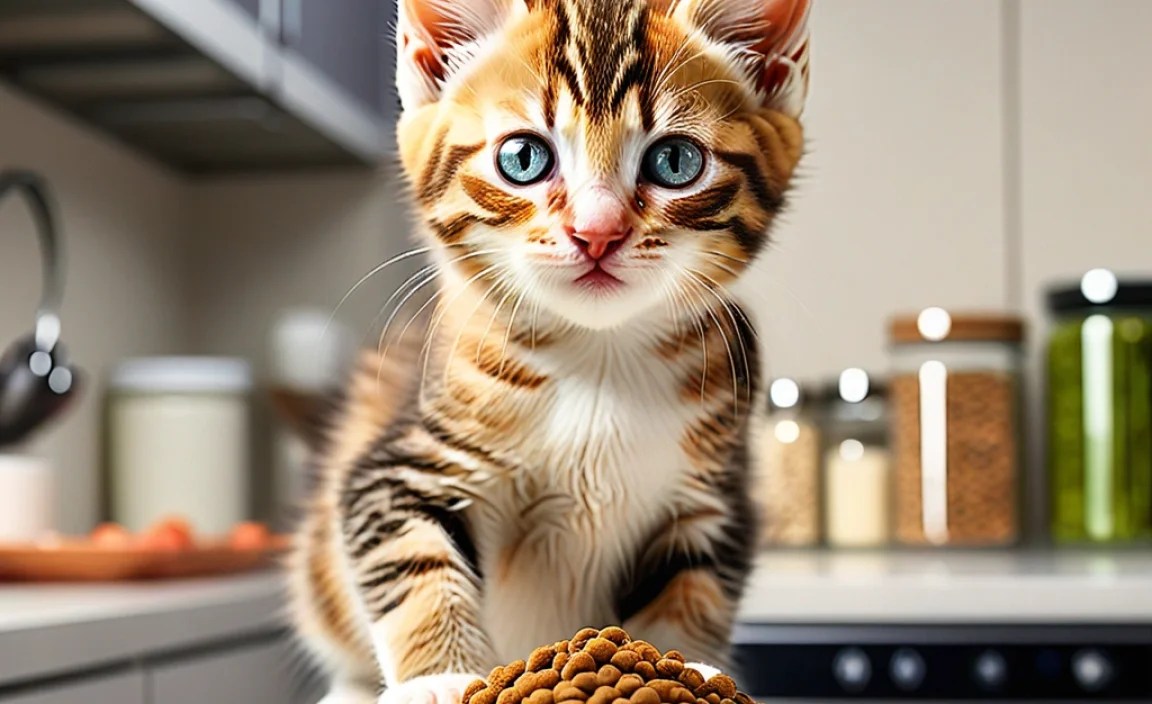
Beyond choosing between wet and dry, understanding the core nutrients in kitten food is essential for identifying high-quality options. These nutrients are the building blocks for your kitten’s rapid growth and development. Focus on formulas that are rich in these essential components, as they are the foundation for a healthy, active feline.
Protein: The Foundation of Growth
Protein is the most critical component of a kitten’s diet. It’s not just about muscle; protein is vital for the development of their organs, immune system, and even their skin and coat. Kittens require a much higher protein percentage in their diet than adult cats. Aim for kitten foods where animal-based protein sources, like chicken, turkey, or fish, are listed as the first few ingredients. This indicates a higher quality and more bioavailable source of protein.
Generally, kitten foods should contain at least 30% protein on a dry matter basis. Animal proteins are superior because they contain all the essential amino acids cats need, which they cannot synthesize themselves.
Fats: Essential for Energy and Development
Fats are a concentrated source of energy, which kittens need in abundance for their constant activity and growth. More importantly, fats provide essential fatty acids, such as linoleic acid and arachidonic acid, which are crucial for healthy skin and coat. Omega-3 and Omega-6 fatty acids, particularly DHA (Docosahexaenoic Acid), are vital for brain and vision development during this critical early stage. Look for healthy fat sources like chicken fat or fish oil in the ingredient list.
Carbohydrates: Use Sparingly
Cats are naturally carnivores and do not have a high requirement for carbohydrates. While not entirely detrimental, excessive carbohydrates can contribute to weight gain. Kitten foods will contain some carbohydrates from grains or other sources, but the focus should always be on protein and fat. If you’re concerned about carb content, choose foods with fewer fillers and more nutrient-dense ingredients.
Vitamins and Minerals: For Overall Health
Kittens have specific vitamin and mineral needs for their developing bodies.
- Calcium and Phosphorus: Crucial for strong bone and tooth development. The ratio between these two minerals is also important; an imbalance can lead to skeletal problems. Kitten foods are carefully formulated to provide the correct amounts.
- Vitamins: Essential vitamins like Vitamin A for vision and skin, B vitamins for energy metabolism, and Vitamin E as an antioxidant are vital.
- Taurine: This is an essential amino acid that cats cannot produce themselves. A deficiency can lead to serious heart problems and blindness. High-quality kitten foods will be fortified with taurine.
Water: The Unsung Hero
While not a nutrient in the traditional sense, water is absolutely critical. Kittens, like all cats, are susceptible to dehydration. Ensure constant access to fresh, clean water. If your kitten isn’t drinking much, consider a water fountain, which can entice cats to drink more, or ensure you’re feeding a good portion of wet food.
According to the Cornell University College of Veterinary Medicine, proper nutrition is fundamental to a kitten’s health and plays a significant role in their long-term well-being.
Feeding Schedule and Portion Control

Once you’ve chosen the right food, the next crucial step is establishing a consistent feeding schedule and managing portion sizes. Overfeeding can lead to unhealthy weight gain, while underfeeding can hinder growth. Kittens have small stomachs and high metabolic rates, so frequent, smaller meals are best.
Frequency of Feeding
The number of meals a kitten needs per day changes as they grow.
| Kitten Age | Recommended Feedings Per Day | Notes |
|---|---|---|
| 0-4 weeks | Kitten is typically nursing from its mother. If orphaned or weaned early, requires specialized milk replacer fed every 2-3 hours. | Consult your veterinarian immediately for orphaned kittens. |
| 4-12 weeks | 4-6 meals per day | As solids are introduced, start with a mix of soaked kibble or wet food. |
| 3-6 months | 3-4 meals per day | Portion sizes will increase. |
| 6 months – 1 year | 2-3 meals per day | Transitioning towards adult feeding patterns, but still requiring kitten-specific nutrition. |
It’s important to establish a routine. Kittens thrive on predictability, and this can also help with litter box training.
Determining Portion Sizes
Portion control is vital, and it’s not a one-size-fits-all situation. The amount of food your kitten needs depends on several factors:
- Age: Younger kittens need more frequent, smaller amounts.
- Activity Level: A very active kitten will burn more calories than a sedentary one.
- Metabolism: Just like people, some kittens have faster metabolisms than others.
- Type of Food: Calorie density varies between wet and dry foods, and even between brands.
The best place to start is the feeding guide on the kitten food packaging. These guides offer recommendations based on your kitten’s current weight and age. However, these are just guidelines. You’ll need to monitor your kitten’s body condition.
How to Monitor Your Kitten’s Body Condition:
You should be able to feel your kitten’s ribs gently without pressing hard, but not see them sticking out. They should have a visible waist when viewed from above, and a slight tuck in their belly when viewed from the side.
If your kitten seems too thin, you might need to slightly increase their food intake. If they are becoming pudgy, you may need to reduce it slightly. Always make gradual adjustments and consult your veterinarian if you are unsure.
For wet food, use measuring cups to ensure accuracy. For dry food, use a measuring cup. If feeding a combination, calculate the total daily caloric needs and divide the food portions accordingly.
Transitioning to Adult Food
Your kitten will typically transition to adult cat food between 9 and 12 months of age. This transition should be gradual to avoid digestive upset. Start by mixing a small amount of adult food with their kitten food, gradually increasing the proportion of adult food over 7-10 days, until they are eating only adult food. Continue to monitor their body condition and energy levels.
Common Kitten Feeding Mistakes to Avoid

Ensuring your kitten thrives involves not only knowing what to do but also what not to do. Many common feeding mistakes can inadvertently impact your kitten’s health. Being aware of these pitfalls can help you steer clear of issues and provide the best possible care. Remember, your goal is to support their healthy development, and avoiding these common errors is a big part of that.
Here are some common mistakes to watch out for:
- Feeding Adult Cat Food Too Soon: As discussed, adult food lacks the concentrated nutrition kittens need for growth. Until they are about a year old, stick to kitten-specific formulas.
- Not Feeding Enough: Kittens have high energy demands, and some may be shy eaters. If your kitten isn’t eating readily, it’s important to encourage them and ensure they’re getting adequate calories.
- Overfeeding: While it might be tempting to spoil your growing fluffball, excessive calories lead to unhealthy weight gain, which can put stress on their developing joints and organs.
- Feeding Table Scraps or Human Food: Many human foods are toxic to cats (like onions, garlic, chocolate, and grapes), and even otherwise safe foods can disrupt their delicate digestive system or lead to nutritional imbalances.
- Not Providing Enough Fresh Water: Dehydration is a serious risk for cats. Always ensure a clean water source is available and encourage drinking.
- Sudden Food Changes: Abruptly switching brands or types of food can cause digestive upset, including vomiting and diarrhea. Always transition foods gradually over a week.
- Ignoring the AAFCO Statement: Feeding pet food that isn’t “complete and balanced” for growth can lead to nutritional deficiencies. Always check for the AAFCO statement.
When in doubt, always consult your veterinarian. They can provide personalized advice based on your kitten’s specific health and breed needs.
Introducing New Foods and Treats
As your kitten grows, you might want to introduce new foods or occasional treats. Doing this correctly ensures their digestive system can adapt without issues. Treats can be a great tool for training and bonding, but they should always be given in moderation.
Introducing New Foods
If you’re switching from one kitten food to another, or introducing a new type of wet food, do it gradually. Here’s a common method:
- Days 1-3: Mix 25% new food with 75% old food.
- Days 4-6: Increase to 50% new food and 50% old food.
- Days 7-9: Use 75% new food and 25% old food.