
Cat digestion comparison reveals that understanding your cat’s unique needs, from kibble to wet food and ingredient sensitivities, is key to a happy tummy. This guide breaks down the differences to help you choose the best for your feline friend.
Cats are fascinating creatures, and one of the most puzzling aspects of their care can be their digestion. You might notice changes in your cat’s bathroom habits, their energy levels, or even their mood, and often, the culprit lies within their digestive system. Understanding how different foods affect your cat is crucial for their overall health and happiness. This guide is designed to make learning about cat digestion easy and stress-free, helping you pinpoint what works best for your furry companion.
We’ll explore the fundamental differences in how cats process various nutrients and compare common food types, ingredient sensitivities, and how external factors can play a role. By the end, you’ll feel more confident in making informed decisions about your cat’s diet and ensuring their digestive system runs like a well-oiled machine. Let’s dive in!
Understanding Your Cat’s Unique Digestive System

Cats are obligate carnivores, which means their bodies are designed to thrive on a diet primarily composed of meat. This fundamental biological fact dictates many aspects of their digestive process. Unlike omnivores or herbivores, cats have shorter digestive tracts and specific enzyme systems optimized for breaking down animal proteins and fats. This makes understanding their nutritional needs paramount to avoiding digestive upset.
Key Characteristics of Feline Digestion:
- Short Digestive Tract: Cats have a relatively short intestinal tract compared to omnivores. This means food moves through their system quickly, and they need highly digestible nutrients to absorb maximum goodness.
- High Protein Requirement: Their bodies are geared towards processing proteins from animal sources. Proteins provide essential amino acids like taurine, which cats cannot produce themselves and are vital for heart health, vision, and more.
- Limited Carbohydrate Digestion: While some carbohydrates can be present, cats have limited abilities to digest and utilize them efficiently compared to other animals. Excessive carbs can sometimes lead to digestive issues.
- Fat as an Energy Source: Fats are a crucial and efficient energy source for cats, aiding in the absorption of fat-soluble vitamins.
- Specific Enzyme Needs: Feline digestive enzymes are tailored to break down animal-based proteins and fats more effectively than plant-based ones.
Cat Digestion Comparison: Food Types

The type of food you feed your cat significantly impacts their digestion. Each has its pros and cons, and what works well for one cat might not be ideal for another. Here’s a breakdown of common food formats:
1. Dry Food (Kibble)
Dry cat food is a popular choice for many pet owners due to its convenience, long shelf life, and cost-effectiveness. It’s easy to store, measure, and can help keep teeth clean through the mechanical action of chewing. However, kibble is typically lower in moisture content.
Pros of Dry Food:
- Convenient for storage and feeding.
- Can be cost-effective.
- May help with dental hygiene by reducing tartar buildup.
- Available in a wide variety of formulations.
Cons of Dry Food:
- Low moisture content can contribute to dehydration and urinary tract issues if cats don’t drink enough water.
- Often higher in carbohydrates than other food types.
- Can be less palatable for some fussy eaters.
- May be harder to digest for cats with sensitive stomachs due to processing methods and ingredients.
2. Wet Food (Canned or Pouch)
Wet cat food mimics the moisture-rich diet of a cat’s natural prey more closely. It has a higher moisture content, which is beneficial for hydration, and is often more palatable for cats. The texture and aroma can be very appealing.
Pros of Wet Food:
- High moisture content aids hydration, supporting kidney and urinary tract health.
- Generally more palatable and easier to eat, especially for older cats or those with dental problems.
- Often higher in protein and lower in carbohydrates than dry food.
- Easier to digest for many cats due to its composition and texture.
Cons of Wet Food:
- Shorter shelf life once opened may lead to waste if not consumed quickly.
- Can be more expensive per serving than dry food.
- Does not provide the same dental cleaning benefits as kibble.
- Can be messier to serve.
3. Raw Food Diets
Raw food diets for cats consist of uncooked meat, bones, and organs. Proponents believe this diet most closely resembles what cats would eat in the wild, offering maximum nutrient bioavailability and fewer processed ingredients. It’s crucial to ensure a raw diet is properly balanced to avoid nutritional deficiencies or excesses.
Pros of Raw Food:
- Mimics a natural diet, potentially leading to improved coat health and increased energy.
- High protein and moisture content.
- Fewer processed ingredients and fillers.
Cons of Raw Food:
- Risk of bacterial contamination (e.g., Salmonella, E. coli), posing a risk to both pets and humans. Check resources from the Centers for Disease Control and Prevention (CDC) for safety information.
- Requires careful preparation to ensure nutritional completeness.
- Can be expensive and time-consuming to prepare.
- Not suitable for all cats, especially those with compromised immune systems.
4. Limited Ingredient Diets (LID)
Limited ingredient diets are formulated with a minimal number of ingredients. These are often recommended for cats with known food allergies or sensitivities. By reducing the number of potential triggers, LIDs can help simplify the digestive process and reduce inflammation.
Pros of LID:
- Ideal for cats with food sensitivities or allergies.
- Helps identify specific ingredients that cause digestive upset.
- Can lead to improved stool consistency and reduced vomiting.
Cons of LID:
- May lack variety, and some cats may reject them.
- Requires careful monitoring to ensure all necessary nutrients are still provided.
- Can be more expensive than conventional foods.
Cat Digestion Comparison: Key Ingredients and Digestive Impact

Beyond the food format, the specific ingredients within your cat’s food play a critical role in their digestive health. Understanding these components can help you make better choices.
1. Protein Sources
Cats, as obligate carnivores, require high-quality animal protein. Different protein sources can affect digestion differently. Some cats may be sensitive to common proteins like chicken or beef, while others digest them perfectly well. Novel protein sources like duck, rabbit, or venison are often well-tolerated by sensitive cats.
| Protein Source | Digestibility | Potential for Sensitivity | Notes |
|---|---|---|---|
| Chicken | Generally high | Common allergen for some cats | Widely available, usually affordable. |
| Beef | Generally high | Common allergen for some cats | Rich in nutrients. |
| Lamb | High | Less common allergen | Often recommended for sensitive cats. |
| Fish (Salmon, Tuna) | Moderate to High | Allergen for some; potential for mercury in some types | Good source of omega-3s, but should be balanced. |
| Duck/Rabbit/Venison | High | Less common allergen (novel proteins) | Excellent for cats with sensitivities; can be more expensive. |
2. Carbohydrates and Fillers
While cats require minimal carbohydrates, many commercial foods include them as binders or energy sources. Common sources include corn, wheat, soy, potatoes, and peas. For some cats, these can be harder to digest, potentially leading to gas, bloating, or looser stools. Grain-free diets often replace these with other starches like legumes or sweet potatoes.
3. Fiber
Fiber is essential for maintaining healthy digestion, helping to regulate bowel movements and promote a balanced gut microbiome. Cats need both soluble and insoluble fiber. Soluble fiber helps to absorb water and regulate blood sugar, while insoluble fiber adds bulk to stool, aiding in its passage. Foods rich in natural fiber sources like psyllium or beet pulp can be beneficial.
4. Fats
Healthy fats are crucial for cats, providing energy and helping to absorb fat-soluble vitamins. Omega-3 and omega-6 fatty acids are particularly important for skin and coat health, as well as reducing inflammation. Animal-based fats like chicken fat or fish oil are generally well-digested and utilized by cats.
Common Digestive Issues in Cats and Their Causes

When a cat’s digestive system isn’t happy, it can manifest in various ways. Recognizing these signs can help you pinpoint the problem and seek the right solution.
1. Vomiting
Occasional vomiting, especially after eating too quickly or expelling hairballs, can be normal. However, frequent vomiting can indicate an underlying issue such as food intolerance, a sudden diet change, intestinal parasites, or more serious medical conditions. If your cat is vomiting white foam or yellow bile, it could be a sign of an empty stomach and potential irritation.
2. Diarrhea
Loose, watery stools can be caused by dietary indiscretion, rapid food changes, stress, food sensitivities, infections, or inflammatory bowel disease (IBD). The color and consistency of the diarrhea can sometimes offer clues. For instance, very watery diarrhea could suggest faster transit, while diarrhea with mucus might point to irritation.
3. Constipation
Infrequent or difficult bowel movements are a sign of constipation. This can be due to insufficient fiber, dehydration (especially common with dry food diets), lack of exercise, or underlying medical problems like kidney disease or an enlarged prostate.
4. Gas and Bloating
Excessive gas or a visibly bloated belly can result from consuming certain ingredients that are difficult to digest, such as complex carbohydrates or fermentable fibers, or from swallowing air while eating too fast. Probiotics can sometimes help manage gas production.
5. Lack of Appetite
While not a direct digestive issue, a cat refusing to eat can be a symptom of digestive discomfort or pain. If your cat suddenly stops eating or eats significantly less, it’s a sign to investigate, as prolonged fasting can lead to serious health problems like hepatic lipidosis (fatty liver disease).
Tips for Improving Cat Digestion
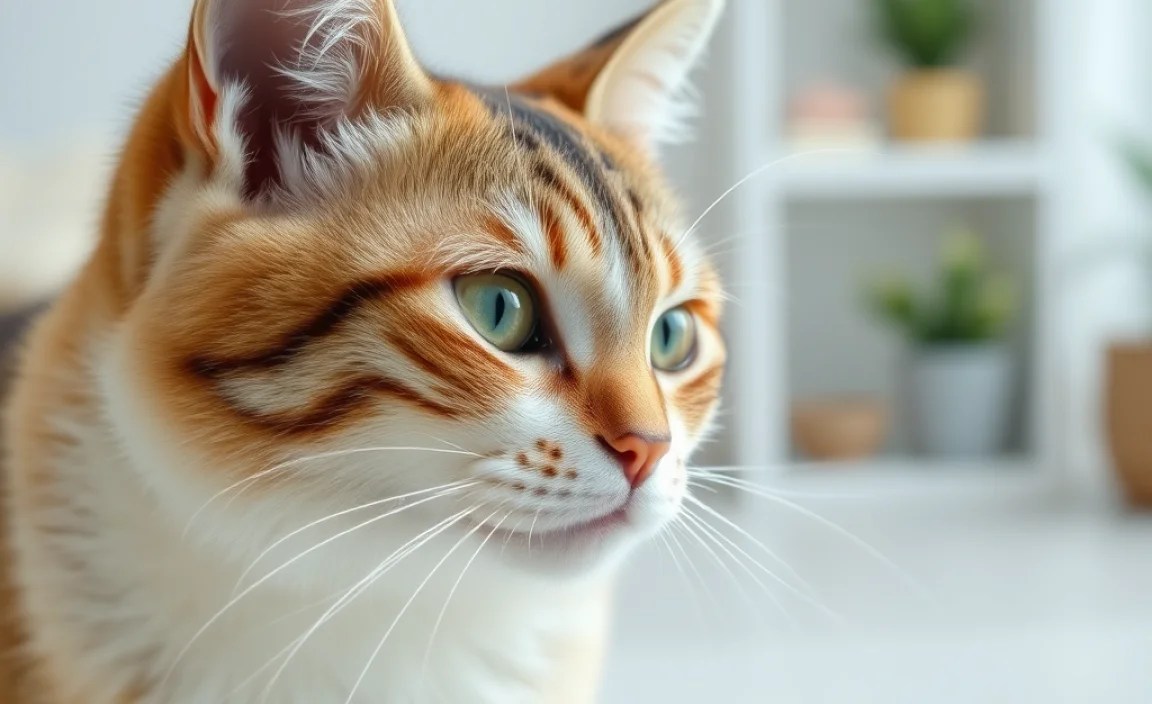
Making small, informed changes can often lead to significant improvements in your cat’s digestive health. Here are some practical tips:
1. Gradual Food Transition
Never switch your cat’s food abruptly. This can shock their system and lead to digestive upset like vomiting or diarrhea. Always transition slowly over 7-10 days:
- Day 1-2: 25% new food, 75% old food
- Day 3-4: 50% new food, 50% old food
- Day 5-6: 75% new food, 25% old food
- Day 7-10: 100% new food
2. Hydration is Key
Ensure your cat has access to fresh, clean water at all times. For cats that don’t drink much, consider a pet water fountain, as the running water can be more appealing. Wet food also significantly contributes to daily water intake and is highly recommended for optimal hydration.
3. Consider Food Quality and Ingredients
Opt for high-quality cat foods with a named animal protein as the first ingredient. Look for foods with fewer artificial additives, preservatives, or excessive fillers. If your cat struggles with conventional foods, explore limited ingredient or novel protein diets after consulting your veterinarian.
4. Incorporate Probiotics and Digestive Enzymes
For cats experiencing mild digestive issues, a veterinarian might recommend a probiotic supplement. Probiotics introduce beneficial bacteria to the gut, helping to balance the microbiome and improve digestion. Some foods also come fortified with probiotics or digestive enzymes. Always consult your vet before starting any new supplements.
5. Manage Feeding Habits
If your cat eats too fast, they can swallow air, leading to vomiting or discomfort. Slow feeder bowls, puzzle feeders, or simply spreading food out on a flat plate can help them eat more slowly and deliberately.
6. Regular Veterinary Check-ups
Routine vet visits are crucial for monitoring your cat’s health, including their digestive system. Your vet can help diagnose underlying conditions, recommend appropriate diets, and provide personalized advice based on your cat’s specific needs and health history.
Cat Digestion Comparison: Special Considerations
Certain life stages or health conditions in cats necessitate a closer look at their digestive needs. Understanding these specific requirements can make a big difference.
1. Kittens
Kittens have very delicate digestive systems and require kitten-specific formulas. These foods are highly digestible, calorie-dense, and provide the necessary nutrients for growth. Their transition to solid food should be gradual.
2. Senior Cats
Digestive efficiency can decrease with age. Senior cats may benefit from foods that are easier to digest, with added fiber to promote regularity and supplements like Glucosamine and Chondroitin to support joint health, which can indirectly aid mobility and thus digestion.
3. Cats with Sensitivities or Allergies
As mentioned earlier, identifying and avoiding trigger ingredients is paramount. This often involves trial and error under veterinary guidance, moving towards hydrolyzed protein diets or novel protein and carbohydrate sources. Visit reputable veterinary diagnostic resources for more on feline allergies. For instance, the International Cat Care offers valuable insights into feline allergies and intolerances.
4. Obese or Diabetic Cats
Dietary management is crucial for these cats. Weight management foods are typically lower in calories and fat, while diabetic diets focus on controlled carbohydrate levels and high protein to help stabilize blood sugar. These diets often require careful calorie counting and portion control.
Frequently Asked Questions About Cat Digestion
Q1: How long does it take for a cat’s digestion to adjust to a new food?
It typically takes 7 to 10 days for a cat’s digestive system to fully adjust to a new food when transitioned gradually. However, some cats might experience mild digestive upset during the transition, which should subside. If issues persist, consult your vet.
Q2: What are the signs of a sensitive stomach in cats?
Signs of a sensitive stomach include recurring vomiting, diarrhea, gas, bloating, poor coat quality, and sometimes even behavioral changes due to discomfort. A sudden increase in these symptoms after a diet change is a common indicator.
Q3: Can I feed my cat human food?
While some human foods like plain cooked chicken or fish are safe in very small amounts, it’s generally best to stick to commercially prepared cat food specifically formulated for their nutritional needs. Many human foods can be toxic to cats or disrupt their delicate digestive balance.
Q4: What is the difference between food allergies and food intolerances in cats?
A food allergy is an immune system response to a specific ingredient, which can cause skin issues or digestive upset. A food intolerance is a digestive issue, not involving the immune system, where the cat has difficulty digesting a particular ingredient, leading to symptoms like vomiting or diarrhea.
Q5: How much should I feed my cat?
Feeding amounts vary based on your cat’s age, weight, activity level, and the specific food’s calorie content. Always follow the feeding guidelines on your cat’s food packaging as a starting point, and adjust based on your cat’s body condition. Consulting your veterinarian is the best way to determine the optimal feeding amount.
Q6: Is it normal for my cat to eat grass?
Yes, many cats eat grass, and it’s usually normal. It’s believed to aid digestion by providing fiber and helping to induce vomiting to clear indigestible material like fur or feathers from their stomach. Ensure the grass is safe and not treated with pesticides.
Conclusion
Navigating the complexities of cat digestion can seem daunting, but by understanding the fundamental differences in their physiology and how various food types and ingredients affect them, you are well-equipped to make informed decisions. Remember that every cat is an individual, and what works best for one might not be ideal for another. Prioritizing high-quality, appropriately balanced nutrition, ensuring adequate hydration, and making gradual changes when necessary are key to supporting your feline friend’s digestive health and overall well-being.
Always consult your veterinarian if you have concerns about your cat’s digestion or their diet. They are your best resource for personalized advice and can help diagnose and manage any underlying health issues. With patience and attention, you can help your cat enjoy a happy, healthy life with a comfortably functioning digestive system