
For a healthy cat, focus on a balanced diet, fresh water, and understanding their unique needs. This cat digestion guide offers essential tips for smooth sailing in your feline friend’s gut health.
Has your feline friend experienced tummy troubles? It’s a common worry for cat parents. Whether it’s an upset stomach, changes in bowel habits, or just general discomfort, understanding cat digestion can feel like a puzzle. But don’t worry! This guide is here to help you unravel it. We’ll walk through simple, practical steps to keep your cat’s digestive system happy and healthy. Get ready to become a pro at spotting the signs and providing the best care for your purrfect companion.
Understanding Your Cat’s Digestive System

Cats are obligate carnivores, meaning their bodies are designed to thrive on a diet primarily of meat. This fundamental fact dictates how their digestive system works. Unlike humans or dogs, their digestive tract is shorter and more efficient at breaking down animal proteins and fats. They have specific enzymes and gut bacteria tailored for this purpose.
Key features of a cat’s digestive system include:
- Short Transit Time: Food moves through a cat’s system relatively quickly, typically within 12-24 hours. This is because meat is easier for them to digest than plant matter.
- High Protein Requirement: Cats need significantly more protein than many other mammals. Their bodies convert protein into energy more readily.
- Limited Carbohydrate Tolerance: While not entirely unable to process carbohydrates, cats have a limited ability to digest and utilize them. Too many carbs can lead to digestive issues.
- Specific Nutrient Needs: They require essential nutrients like taurine, which is found abundantly in animal tissue but not in plants.
When their diet doesn’t align with these inherent needs, it can lead to a cascade of digestive problems. Recognizing these differences is the first step in ensuring optimal digestive health for your beloved cat.
Common Cat Digestion Issues and Their Signs

Spotting digestive problems in cats can sometimes be tricky, as they are masters at hiding discomfort. However, paying close attention to subtle changes in their behavior and bodily functions can alert you to an issue. Early detection often leads to quicker and easier resolutions.
What to Look For:
- Vomiting: This can range from occasional hairballs to more frequent regurgitation of food. Persistent vomiting is a clear sign something is wrong.
- Diarrhea: Loose, watery stools, or changes in stool consistency and color are common indicators.
- Constipation: Difficulty passing stools, straining, or infrequent bowel movements can signal constipation.
- Changes in Appetite: A sudden increase or decrease in your cat’s desire to eat can be tied to digestive upset.
- Weight Loss or Gain: Unexplained fluctuations in weight can be a symptom of underlying digestive issues affecting nutrient absorption.
- Bloating and Gas: Your cat might seem uncomfortable, with a distended belly or passing more gas than usual.
- Lethargy: A generally “off” demeanor, less playful, or sleeping more than usual can be a sign of illness, including digestive discomfort.
- Changes in Grooming: Some cats may stop grooming themselves when they feel unwell, leading to a matted or unkempt coat.
It’s important to differentiate between occasional, minor issues and persistent or severe symptoms. If you notice any of these signs repeatedly or if they seem to be worsening, it’s time to consult your veterinarian.
The Role of Diet in Cat Digestion

When it comes to a cat’s digestive health, diet is arguably the most significant factor. What you feed your cat directly impacts their gut’s ability to function optimally. Understanding the components of a cat-friendly diet is crucial for preventing and managing digestive issues.
Key Nutritional Components:
- Protein: As obligate carnivores, cats require high-quality animal-based proteins. Protein is essential for building and repairing tissues, and it’s their primary energy source after fat. Look for foods where a specific meat source (like chicken, turkey, or fish) is listed as the first ingredient.
- Fat: Fat is another vital energy source for cats and plays a role in nutrient absorption and maintaining a healthy coat. Essential fatty acids are crucial for overall health.
- Carbohydrates: Cats have a limited need and capacity for digesting carbohydrates. While not inherently bad in small amounts, excessive carbohydrates can overwhelm their system and contribute to digestive upset, weight gain, and even conditions like diabetes.
- Fiber: Fiber can be beneficial for digestion, helping to regulate bowel movements. However, the type and amount of fiber matter. Soluble fiber can help with diarrhea, while insoluble fiber aids in preventing constipation by adding bulk to stool.
- Vitamins and Minerals: A balanced diet ensures your cat receives all the necessary vitamins and minerals for bodily functions, including digestion.
- Water: This is non-negotiable! Adequate hydration is essential for all bodily processes, including digestion, nutrient absorption, and waste elimination.
Choosing the right food can be overwhelming with so many options available. Generally, focusing on high-protein, moderate-fat, and low-carbohydrate diets is a good starting point for most cats. Wet food is often recommended over dry kibble due to its higher moisture content, which is vital for feline hydration and can help prevent urinary tract issues as well as aid digestion.
Feeding Strategies for Better Digestion
Implementing the right feeding strategy can make a world of difference for your cat’s digestive well-being. It’s not just about what you feed, but how and when you feed them.
1. Choose High-Quality Food
As discussed, the food itself is paramount. Look for:
- A reputable brand: Research brands that prioritize pet health and nutrition.
- Meat as the first ingredient: This ensures a good protein source.
- Limited fillers: Avoid foods with excessive grains, corn, soy, or artificial additives, which can be harder for cats to digest.
- Appropriate life stage formula: Kitten, adult, and senior cats have different nutritional needs.
Consider consulting your veterinarian for specific food recommendations tailored to your cat’s individual needs and any existing health conditions.
2. Maintain a Consistent Feeding Schedule
Cats thrive on routine. Feeding them at the same times each day helps regulate their digestive system. This can prevent overeating, reduce the likelihood of stomach upset, and make it easier to monitor their intake and output.
- For kittens: They typically need 3-4 small meals a day.
- For adult cats: Most do well with 2 meals a day.
Avoid free-feeding (leaving food out all day) if your cat tends to overeat or has digestive issues, as it can lead to obesity and make it harder to track their eating habits.
3. Ensure Constant Access to Fresh Water
Dehydration is a major culprit behind digestive problems, especially constipation. Cats have a low thirst drive, so encouraging water intake is crucial.
- Provide multiple water bowls: Place them in different quiet locations around the house.
- Use ceramic or stainless steel bowls: Some cats dislike plastic, which can retain odors and bacteria.
- Consider a pet water fountain: The moving water can entice cats to drink more.
- Incorporate wet food: Wet food has a high moisture content, significantly contributing to daily water intake.
Learn more about feline hydration from veterinary resources like the Cornell Feline Health Center.
4. Portions Control
Feeding the correct portion size is essential for preventing obesity, which can exacerbate digestive issues. Follow the feeding guidelines on your cat food packaging, but adjust based on your cat’s age, activity level, and body condition. If you’re unsure, ask your vet.
5. Gradual Food Transitions
If you need to switch your cat’s food, do it gradually over 7-10 days. Suddenly changing their diet can shock their system and lead to vomiting or diarrhea.
Here’s a sample transition schedule:
- Days 1-3: 25% new food, 75% old food
- Days 4-6: 50% new food, 50% old food
- Days 7-9: 75% new food, 25% old food
- Day 10: 100% new food
Monitor your cat closely during the transition for any signs of digestive upset.
Incorporating Probiotics and Prebiotics

Just like in humans, the gut microbiome plays a vital role in a cat’s digestive health. Probiotics and prebiotics are “friendly” to the digestive system and can be beneficial additions to your cat’s diet, especially if they have ongoing digestive issues or have recently been on antibiotics.
What are Probiotics and Prebiotics?
- Probiotics: These are live beneficial bacteria that, when consumed in adequate amounts, confer a health benefit on the host. They help maintain a healthy balance of gut flora, aiding in digestion and nutrient absorption.
- Prebiotics: These are non-digestible fibers that selectively stimulate the growth and/or activity of beneficial bacteria already present in the cat’s gut. They act as food for probiotics.
Benefits for Cat Digestion:
- Restoring Gut Balance: Probiotics can help replenish good bacteria lost due to stress, illness, or antibiotic use.
- Improving Stool Quality: They can help firm up stools in cases of diarrhea.
- Reducing Gas and Bloating: A healthier gut flora can lead to less fermentation and gas production.
- Enhancing Nutrient Absorption: A balanced microbiome is more efficient at breaking down and absorbing nutrients from food.
- Supporting Immune Function: A significant portion of the immune system resides in the gut, so a healthy gut supports overall immunity.
How to Administer:
Probiotics and prebiotics are available in various forms:
- Powders: Often sprinkled on food.
- Capsules: Can be given whole or opened and sprinkled on food.
- Treats: Convenient and palatable options.
- Commercially formulated foods: Some premium cat foods already contain added probiotics and prebiotics.
Always choose products specifically formulated for cats, as human probiotics may not contain the correct strains or doses. It’s wise to discuss introducing probiotics and prebiotics with your veterinarian, especially if your cat has specific health concerns.
Managing Specific Digestive Sensitivities
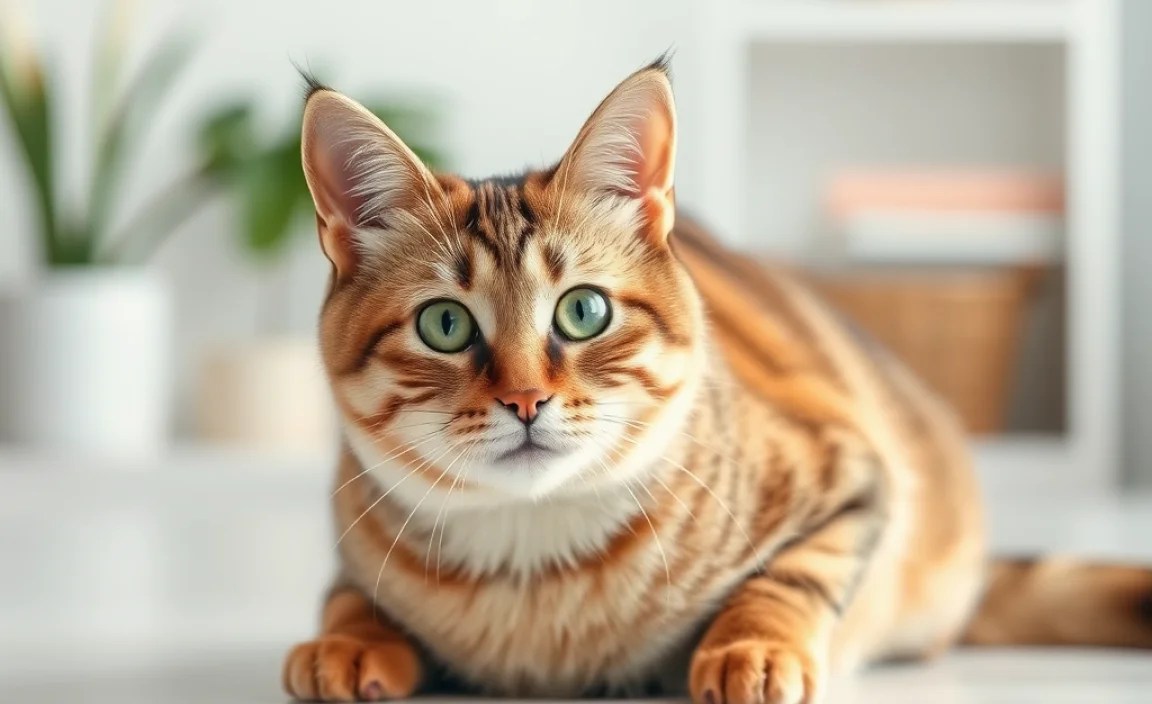
Some cats have more sensitive digestive systems than others. This can manifest as food allergies, intolerances, or Irritable Bowel Syndrome (IBS). Identifying and managing these sensitivities requires a systematic approach.
Food Allergies vs. Intolerances
It’s important to distinguish between these two:
- Food Allergy: An immune system response to a specific ingredient (usually a protein). Symptoms can include skin issues (itching, hair loss) as well as digestive upset.
- Food Intolerance: A non-immune reaction to an ingredient, meaning the digestive system simply has trouble processing it. This typically only causes digestive symptoms.
Common Triggers for Sensitivities:
- Proteins: Chicken, beef, lamb, and fish are common allergens or intolerances.
- Grains: Corn, wheat, and soy are also frequent culprits, especially in cats with lower carbohydrate tolerance.
- Additives: Artificial colors, flavors, and preservatives can sometimes cause adverse reactions.
Strategies for Management:
- Veterinary Consultation: This is the crucial first step. Your vet can rule out other potential medical causes for the symptoms and guide you through the diagnostic process.
- Elimination Diet: This is the gold standard for diagnosing food allergies or intolerances. It involves feeding your cat a novel protein (one they’ve never eaten before) and a novel carbohydrate source for several weeks to months. Each ingredient is introduced slowly to pinpoint the offending one.
- Limited Ingredient Diets (LID): Once a trigger is identified, a diet with a very small number of easily digestible ingredients can be prescribed.
- Hydrolyzed Protein Diets: In these foods, proteins are broken down into very small pieces that the immune system is less likely to recognize as allergens.
- Managing IBS: For cats with IBS, dietary management often involves feeding highly digestible, low-fat, and sometimes increased-fiber diets, along with probiotics and potentially medications prescribed by your vet.
Be patient! It can take time and effort to find the right diet for a sensitive cat. Strict adherence to the dietary plan and close communication with your vet are key to success.
The Importance of Veterinary Care
While this guide provides essential tips for managing your cat’s digestion, it’s imperative to remember that your veterinarian is your most valuable resource. They are trained to diagnose and treat medical conditions, and what might seem like a simple digestive issue could be a symptom of something more serious.
When to See the Vet Immediately:
- Severe or persistent vomiting or diarrhea: Especially if accompanied by lethargy or loss of appetite.
- Blood in stool or vomit: This is always an emergency.
- Signs of dehydration: Sunken eyes, dry gums, lethargy.
- Suspected ingestion of a foreign object or toxin.
- Straining to urinate or defecate: This can indicate a blockage.
Regular Check-ups are Key:
Even if your cat seems healthy, regular veterinary check-ups are vital. During these visits, your vet will:
- Perform a physical examination.
- Discuss your cat’s diet, behavior, and any changes you’ve observed.
- Recommend diagnostic tests if necessary (e.g., fecal exams, blood work, X-rays).
- Offer tailored advice on nutrition, parasite control, and preventative care.
Your vet can help you interpret symptoms, recommend appropriate diagnostic tests like fecal analysis to check for parasites or bacteria, and guide you on the best course of action, whether it’s a diet change, medication, or further investigation.
Dietary Guidelines Table for Cats
To further simplify dietary recommendations for optimal cat digestion, here is a helpful table summarizing key nutritional components and considerations:
| Nutritional Component | Importance for Cat Digestion | Recommended Sources | Considerations/Tips |
|---|---|---|---|
| Protein | Essential for essential body functions, energy, and muscle maintenance. Highly digestible for cats. | Animal-based sources: Chicken, turkey, fish, lamb, beef. | Look for high-quality, animal-based protein as the first ingredient. Avoid fillers like corn or wheat. |
| Fat | Primary energy source, crucial for nutrient absorption and healthy skin/coat. | Animal fats, fish oil, flaxseed oil (in moderation). | Essential fatty acids (Omega-3 and Omega-6) are vital. Ensure balance. |
| Carbohydrates | Limited need and digestive capacity. Can contribute to digestive upset and obesity if in excess. | Found in grains, legumes, and vegetables. | Cats are obligate carnivores; keep carb content low. Many grain-free options are available. |
| Fiber | Aids in regulating bowel movements, can help with both constipation and diarrhea. | Psyllium husk, beet pulp, certain vegetables. | Both soluble and insoluble fiber can be beneficial. The right type and amount are key. |
| Water | Crucial for all bodily functions, including digestion, nutrient transport, and waste removal. Prevents constipation. | Fresh, clean water available at all times; high moisture content in wet food. | Encourage drinking through fountains, multiple bowls, and wet food. |
| Vitamins & Minerals | Support metabolic processes, including those involved in digestion. | Balanced in commercially prepared cat foods. | Ensure a complete and balanced diet formulated for cats. Avoid human supplements unless directed by a vet. |
This table serves as a quick reference. Always consult your veterinarian for personalized dietary advice for your cat.