
To find the best cat food for a sensitive stomach that includes taurine, choose formulas with easily digestible proteins like turkey, duck, or fish, limited ingredients, and added prebiotics and probiotics. Always ensure the food is complete and balanced, with taurine being a crucial nutrient for feline heart and eye health, regardless of stomach sensitivity.
Does your furry friend sometimes struggle with tummy troubles after meals? You’re not alone! Many cat parents notice their cats experiencing vomiting, diarrhea, or general discomfort. It can be worrying when your beloved kitty isn’t feeling their best. The good news is, with the right food, you can often soothe their sensitive stomach and get them back to purring happily. We’ll guide you through choosing a food that’s gentle on their digestion while making sure they get all the essential nutrients they need, especially taurine. Let’s explore how to make mealtime a happy time again for your sensitive feline companion!
Why Some Cats Develop Sensitive Stomachs
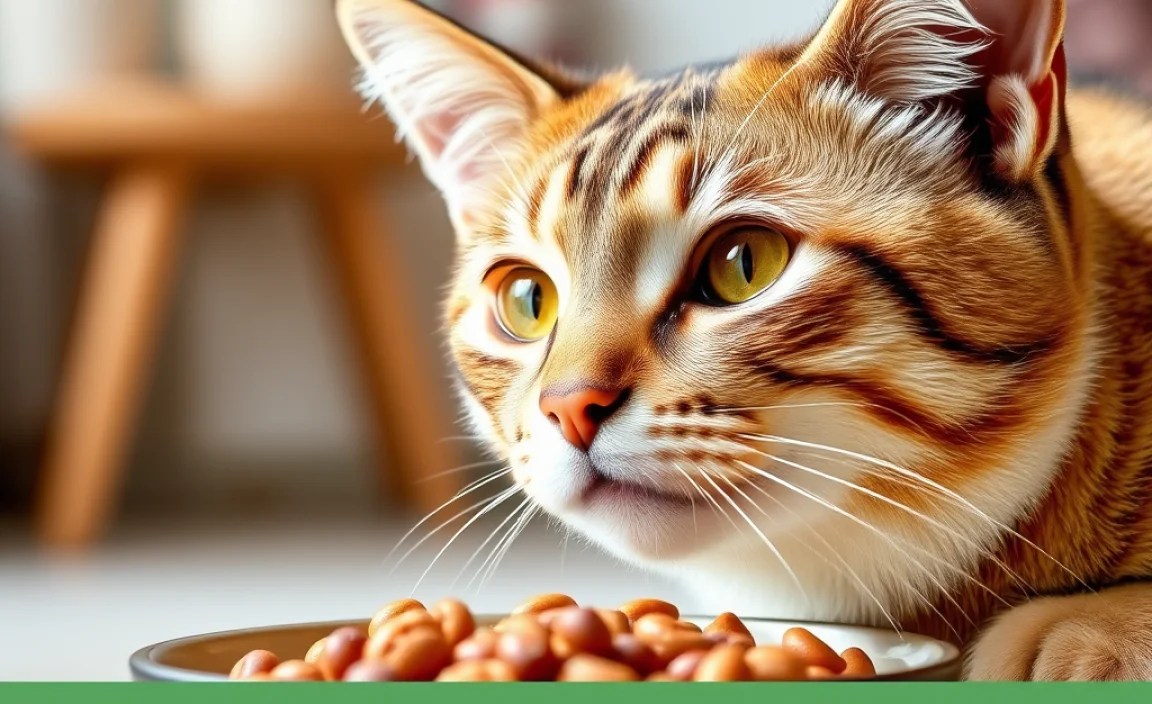
Cats, much like us, can have digestive systems that are a bit particular. A sensitive stomach in cats is a common issue that can stem from various factors. Sometimes, it’s a simple matter of dietary intolerance or allergy to a specific ingredient, like certain grains or proteins. Other times, it could be a sign of an underlying health condition that needs veterinary attention. Stress, sudden changes in diet, or even eating too quickly can also contribute to stomach upset. Recognizing the signs is the first step to finding a solution. Common indicators include frequent vomiting, diarrhea, gas, and a lack of appetite.
The Crucial Role of Taurine in Cat Food

Taurine is an amino acid that is absolutely vital for cats. Unlike humans and dogs, cats cannot produce enough taurine on their own, meaning they must get it from their diet. It plays a critical role in several bodily functions, most notably supporting healthy heart function and maintaining good vision. Without adequate taurine, cats can develop serious health problems, including dilated cardiomyopathy (a severe heart condition) and retinal degeneration, which can lead to blindness. This makes it non-negotiable to ensure any cat food, whether for a sensitive stomach or not, is fortified with sufficient taurine. Reputable cat food manufacturers understand this and ensure their formulas meet or exceed the established requirements for taurine.
The Association of American Feed Control Officials (AAFCO) sets guidelines for nutrient levels in pet food, including taurine, to ensure it’s complete and balanced for different life stages. For adult cats, the minimum requirement is typically around 1,000 mg per kilogram of dry matter for dry food and 2,500 mg per kilogram of dry matter for canned food.
Identifying Ingredients That Soothe a Sensitive Stomach

When choosing a cat food for a sensitive stomach, the focus shifts to ingredients that are easily digestible and less likely to cause irritation. This often means looking for limited ingredient diets (LIDs) that remove common allergens. Here are some key ingredients to look for:
- Highly Digestible Proteins: Opt for novel proteins (proteins your cat hasn’t eaten before) or proteins known for their digestibility. Good choices include:
- Turkey
- Duck
- Rabbit
- Fish (like salmon or whitefish)
- Lamb
Avoid common allergens like chicken or beef if you suspect they might be the culprit.
- Easily Digestible Carbohydrates: While cats are obligate carnivores and don’t need grains, some digestible carbohydrate sources can be beneficial for energy. Look for:
- Sweet potatoes
- Peas
- Oats (if not sensitive to grains)
- Rice (white rice is often easier to digest than brown)
Grain-free doesn’t always mean better for sensitive stomachs, as some cats can be sensitive to other ingredients in grain-free formulas.
- Fiber Sources: Soluble and insoluble fibers can help regulate digestion.
- Prebiotics: These are food for the beneficial bacteria in your cat’s gut. Common sources include chicory root and FOS (fructooligosaccharides).
- Probiotics: These are live beneficial bacteria that can help balance the gut flora. Many sensitive stomach formulas include added probiotics.
- Psyllium husk: Can help with both diarrhea and constipation.
- Omega-3 and Omega-6 Fatty Acids: These promote overall skin and coat health, which can sometimes be affected by digestive issues. Sources include fish oil and flaxseed.
Ingredients to Avoid for Sensitive Stomachs

Conversely, certain ingredients are more likely to trigger digestive upset in sensitive cats. It’s wise to steer clear of:
- Artificial Colors, Flavors, and Preservatives: These offer no nutritional value and can be hard for some cats to process.
- Fillers: Ingredients like corn, wheat gluten, and excessive amounts of soy can be difficult to digest and are often used as inexpensive fillers.
- By-product Meals (unless specified): While not always bad, vague “meat by-products” can contain harder-to-digest parts. Look for named protein sources.
- Dairy: Many adult cats are lactose intolerant, so milk and dairy products can cause digestive distress.
- High Fat Content: While cats need fat, excessively high levels can sometimes challenge a sensitive digestive system. Look for formulas with moderate fat content.
Choosing the Right Type of Cat Food: Wet vs. Dry

Both wet and dry cat food can be suitable for cats with sensitive stomachs, but they have different benefits and considerations:
Wet Cat Food
- Pros:
- Higher moisture content: Excellent for hydration and can help flush the system.
- Often more palatable: Easier to entice picky eaters.
- Generally lower in carbohydrates: Closer to a cat’s natural diet.
- Can be easier to digest: Often contains higher-quality protein sources.
- Cons:
- Can be more expensive per serving.
- Shelf life once opened is limited.
- May contribute to dental issues if not part of a comprehensive dental hygiene plan.
Dry Cat Food (Kibble)
- Pros:
- Convenient for free-feeding or measuring.
- Typically more economical.
- Can help with dental hygiene by scrubbing teeth (though this effect is debated).
- Longer shelf life.
- Cons:
- Lower moisture content: Requires ample fresh water to be available.
- Can contain more carbohydrates and fillers.
- May be less palatable for some cats.
- Harder for some cats to digest compared to wet food.
For sensitive stomachs, many owners find that high-quality canned food, particularly those with single, easily digestible protein sources and added pre/probiotics, works wonderfully. However, carefully formulated kibble designed for sensitive systems can also be an excellent option.
Navigating Cat Food Labels for Sensitive Systems
Decoding cat food labels might seem daunting, but for sensitive stomachs, it’s key. Here’s what to look for:
- “For Sensitive Stomachs” or “Limited Ingredient Diet”: These labels often indicate a formula designed to minimize common triggers.
- Guaranteed Analysis: Pay attention to protein, fat, and fiber percentages. For sensitive cats, moderate fat levels (around 10-15% for dry matter) are often recommended.
- Ingredient List: This is your most important tool. Ingredients are listed by weight, from heaviest to lightest. The first few ingredients should be high-quality, digestible protein sources. Ensure taurine is listed, often as “taurine.”
- AAFCO Statement: Look for a statement confirming the food is “complete and balanced” for your cat’s life stage (e.g., “all life stages,” “adult maintenance”). This means it meets essential nutrient requirements, including taurine.
Example of Ingredient List Comparison
Let’s compare two hypothetical ingredient lists:
| Hypothetical Sensitive Stomach Formula | Hypothetical Standard Formula |
|---|---|
| Duck, Duck Meal, Sweet Potatoes, Peas, Natural Flavors, Fish Oil, Dried Chicory Root (source of Prebiotics), Psyllium Seed Husk, Dried Enterococcus faecium Fermentation Product (Probiotics), Taurine. | Chicken, Chicken Meal, Corn Gluten Meal, Whole Grain Corn, Soybeans, Chicken Fat, Natural Flavor, Dried Beet Pulp, Salt, Vitamin E Supplement, Taurine. |
In the first example, the primary protein is duck, a good novel protein. Sweet potatoes, psyllium husk, and added pre/probiotics are beneficial. The second example lists chicken first, followed by corn gluten meal and whole grain corn, which can be common triggers for sensitive cats. This table just illustrates how to spot differences; always check the full ingredient profile and consider your cat’s specific needs.
Introducing New Food Gradually: A Step-by-Step Approach
Switching your cat to a new food, especially one for a sensitive stomach, should never be done abruptly. A slow transition is crucial to avoid upsetting their digestive system further. Here’s a recommended method:
- Days 1-3: 75% Old Food, 25% New Food. Start by mixing a small amount of the new food into their regular food. Observe your cat for any signs of digestive upset.
- Days 4-6: 50% Old Food, 50% New Food. Gradually increase the proportion of the new food. Your cat should be getting used to the taste and ingredients.
- Days 7-9: 25% Old Food, 75% New Food. Continue increasing the new food. If your cat is tolerating it well, you’re almost there!
- Day 10 onwards: 100% New Food. Your cat should now be fully transitioned to the new sensitive stomach formula.
If at any point you notice vomiting, diarrhea, or lack of appetite, slow down the transition. You might need to go back a step or extend the duration of a particular ratio. Patience is key!
Recognizing Common Cat Food Sensitivities
Beyond general stomach upset, cats can be sensitive to specific ingredients. Identifying these can help you pinpoint the best food. Common culprits for intolerance or allergies include:
- Proteins: Chicken and beef are the most frequent offenders. Novel proteins like duck, rabbit, venison, or fish are often better tolerated.
- Grains: While cats can digest grains, some are sensitive to wheat, corn, or soy.
- Dairy: As mentioned, lactose intolerance is very common in adult cats.
If you suspect a specific food sensitivity, a veterinarian or a veterinary nutritionist can help you implement an elimination diet to precisely identify the offending ingredient. This process involves feeding a highly controlled, novel diet for several weeks to see if symptoms resolve.
When to Consult Your Veterinarian
While changing your cat’s diet is often the solution for a sensitive stomach, it’s essential to know when professional help is needed. You should consult your veterinarian if:
- Your cat’s symptoms are severe or persistent (e.g., frequent vomiting, bloody diarrhea, extreme lethargy).
- You notice unexplained weight loss.
- Your cat is refusing to eat altogether.
- You suspect an underlying medical condition, such as inflammatory bowel disease (IBD), pancreatitis, or kidney disease.
- Dietary changes alone are not resolving the issue.
Your vet can perform diagnostic tests, prescribe medication if necessary, and provide tailored dietary recommendations based on your cat’s specific health status. They are your best resource for ruling out serious health problems and ensuring your cat receives the appropriate care.
Tips for Feeding Cats with Sensitive Stomachs
Beyond choosing the right food, several feeding practices can help cats with sensitive stomachs:
- Feed Small, Frequent Meals: Instead of one or two large meals, offer smaller portions multiple times a day. This can reduce the load on the digestive system.
- Slow Feeding Bowls: If your cat eats too quickly, they can swallow air, leading to gas and vomiting. Slow feeder bowls or puzzle feeders can help them eat more slowly.
- Ensure Fresh Water: Always provide plenty of fresh, clean water. This is especially important if you’re feeding dry food.
- Avoid Table Scraps: Human food can be too rich, fatty, or contain ingredients toxic to cats, exacerbating digestive issues.
- Maintain a Consistent Feeding Schedule: Cats thrive on routine. Stick to regular meal times to help regulate their digestive system.
- Monitor Weight: Keep an eye on your cat’s weight. Significant loss or gain warrants a vet visit.
Choosing a Trustworthy Cat Food Brand
When selecting a brand for your cat’s sensitive stomach needs, look for companies that:
- Prioritize quality ingredients and ingredient sourcing.
- Have veterinary nutritionists on staff.
- Conduct rigorous quality control testing.
- Are transparent about their formulations and manufacturing processes.
- Offer specific formulas for digestive health or limited ingredients.
Many reputable pet food brands offer specialized sensitive stomach lines. Reading customer reviews and consulting your veterinarian can also help guide your decision. Remember, the most expensive food isn’t always the best; finding one your cat tolerates and thrives on is the ultimate goal.
Frequently Asked Questions About Cat Food for Sensitive Stomachs with Taurine
What are the main signs a cat has a sensitive stomach?
Look for consistent vomiting (especially undigested food or bile), diarrhea, gas, bloating, loss of appetite, poor coat quality, or general lethargy after eating. These symptoms can indicate digestive distress.
How quickly should a cat’s sensitive stomach improve on a new diet?
You should start to see some improvement within a week to ten days of introducing a suitable diet after a proper transition. Complete resolution may take a few weeks as their system adjusts.
Can I feed my cat both wet and dry sensitive stomach food?
Yes, many owners do this! You can mix them at meal times or feed wet food in the morning and dry food in the evening. Ensure both are appropriate for sensitive stomachs and that the transition is done gradually if introducing these new types.
Is grain-free always better for a sensitive stomach?
Not necessarily. While some cats are sensitive to grains like wheat or corn, others might be sensitive to ingredients in grain-free formulas, like certain proteins or legumes. Focus on overall ingredient digestibility and limited ingredients rather than just “grain-free.”
How much taurine should be in cat food?
Reputable cat foods will contain sufficient taurine. AAFCO recommends a minimum of 1,000 mg/kg on a dry matter basis for dry food and 2,500 mg/kg for canned food. Most commercial foods meet or exceed this.
What if my cat refuses to eat the new sensitive stomach food?
Try warming the food slightly to enhance its aroma, or mix in a tiny (pea-sized) amount of a highly palatable, vet-approved topper (like plain cooked chicken or tuna water, if those are not suspected allergens). If refusal persists, consult your vet, as it could indicate a deeper issue or simply that the food isn’t a good fit.
Are prescription diets necessary for a sensitive stomach?
Prescription diets are often used for severe or complex digestive issues that haven’t responded to over-the-counter sensitive stomach foods. They are formulated with highly digestible ingredients by veterinary nutritionists. Your vet will determine if a prescription diet is the best course of action for your cat.
Conclusion
Caring for a cat with a sensitive stomach might require a bit of detective work, but it’s incredibly rewarding to see them feel and act their best. By understanding the role of essential nutrients like taurine, identifying digestible ingredients, and carefully transitioning to a new diet, you can make a significant positive impact on your cat’s digestive health. Remember to always observe your cat closely, work with your veterinarian when needed, and celebrate those happy purrs and healthy tummies. You’ve got this, and your cat will thank you for it!