
Quick Summary: Ensure your cat stays hydrated with these easy tips: provide fresh water daily, offer multiple water sources, use different bowl materials, introduce water fountains, moisten their food, and incorporate watery treats. Proper hydration prevents health issues and keeps your feline friend happy.
As caring pet parents, we want the best for our feline companions. Sometimes, though, our cats can be a bit… mysterious when it comes to their well-being. One area that often causes concern is hydration. It’s frustrating when you suspect your cat isn’t drinking enough, and you’re not sure why or what to do about it. The good news is, encouraging your cat to drink more water is totally achievable! We’ll walk through simple, effective strategies to boost your cat’s water intake, ensuring they stay healthy and happy. Get ready to discover easy ways to make hydration a breeze for your furry friend!
Why Cat Hydration Matters: A Deeper Dive

Cats are unique creatures, and their hydration needs are intrinsically linked to their evolutionary past. Descended from desert dwellers, cats naturally have a lower thirst drive than many other mammals. Their ancestors obtained most of their moisture from the prey they consumed, which is high in water content. This means your domestic cat might not instinctively seek out a water bowl when they need a drink. This inherent trait can make monitoring their water intake a challenge for us!
But why is this so important? Dehydration in cats, even mild cases, can lead to a cascade of health problems. It can strain their kidneys, contribute to urinary tract issues like bladder stones and infections, and even impact their overall energy levels and coat health. Think of water as the unsung hero of feline health – it lubricates joints, aids digestion, helps regulate body temperature, and facilitates the removal of toxins. Ensuring your cat is well-hydrated is one of the simplest yet most impactful ways to support their long-term health and vitality.
Common Signs Your Cat Might Be Dehydrated
Spotting dehydration early can make a significant difference. While a vet is the best resource for diagnosis, here are some common signs you can look out for:
- Lethargy: A noticeable decrease in activity or enthusiasm.
- Panting: Cats don’t typically pant like dogs unless they are stressed, overheated, or ill.
- Dry Gums: Gently press on your cat’s gums; they should be pink and moist. If they feel tacky or dry, it’s a concern.
- Loss of Skin Elasticity: Gently pinch the skin on the back of their neck or between their shoulder blades. In a well-hydrated cat, it should snap back quickly. If it stays tented or returns slowly, it signals dehydration.
- Sunken Eyes: Their eyes may appear less bright or look sunken into their sockets.
- Reduced Urination: If their litter box is unusually dry, they might not be getting enough fluids.
- Crumbly Nails: The claws may seem more brittle or dry.
Essential Cat Hydration Tips: Practical Best Practices
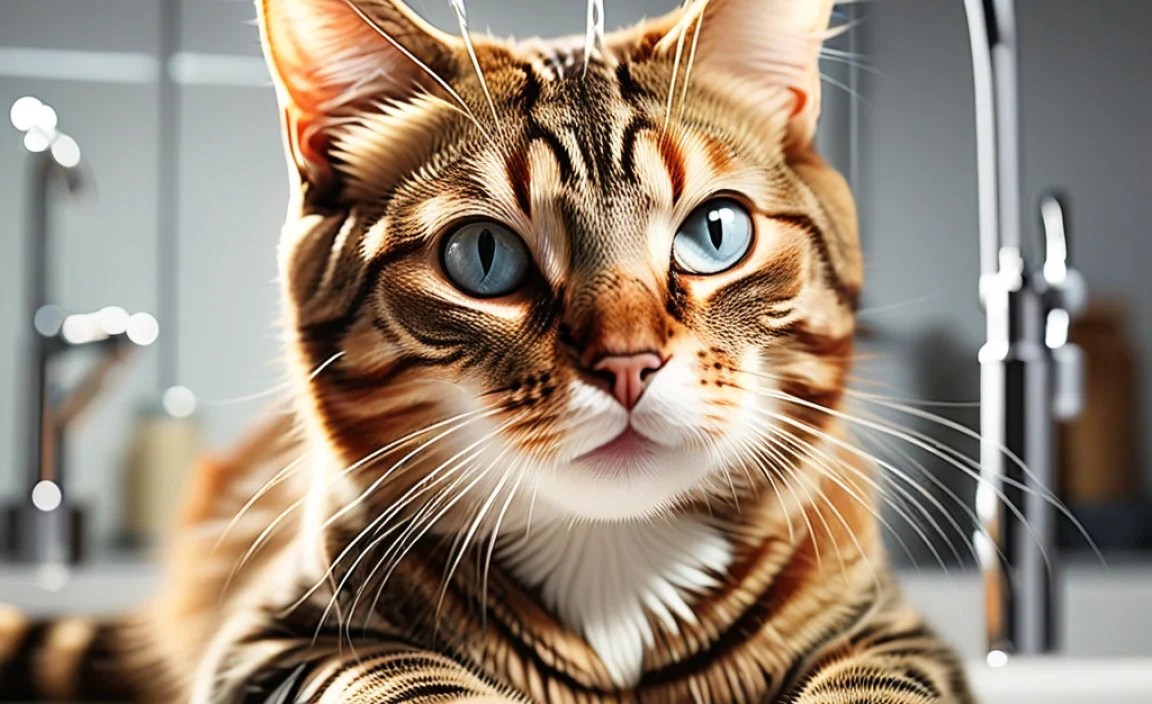
Now that we understand why hydration is critical, let’s dive into actionable strategies. These tips are designed to be easy to implement, even for the busiest pet parents. We’ll cover everything from water bowl placement to exciting food-based hydration hacks!
1. Fresh Water, Always! The Foundation of Hydration
This might seem obvious, but it’s the most crucial step. Cats are sensitive creatures, and they often snub water that looks or smells stale.
- Daily Replenishment: Make it a habit to empty, rinse, and refill your cat’s water bowl at least once a day. Don’t just top it off!
- Clean Bowls: Regularly wash water bowls with mild soap and water to prevent the buildup of bacteria and slime, which can turn cats off their water. A quick wash can deter them from drinking.
- Water Quality: If your tap water has a strong odor or taste, consider using filtered or bottled water. Some cats are pickier than you might think!
2. The More, The Merrier: Multiple Water Stations
Remember that lower thirst drive we talked about? Offering multiple water sources strategically placed around your home can significantly increase your cat’s chances of taking a drink. Think of it as convenience for your feline friend.
- Strategic Placement: Place water bowls in quiet, accessible locations away from their food bowls and litter boxes. Cats often prefer to eat and drink in separate, serene spots.
- Spread Them Out: Don’t put all your water bowls in one corner. Scatter them throughout the house, in rooms your cat frequents. This ensures water is always within easy reach.
- Consider Different Levels: Some cats enjoy drinking from elevated spots. Try placing a bowl on a low shelf or a sturdy stool.
3. Bowl Bliss: Finding the Right Vessel
The type of bowl you use can actually impact how much your cat drinks. While it might seem minor, certain materials and shapes can be more appealing (or off-putting) to our feline friends.
- Material Matters:
- Ceramic or Stainless Steel: These are generally excellent choices. They are durable, easy to clean, and don’t hold odors.
- Glass: Also a good option, but ensure it’s sturdy and won’t easily break.
- Plastic: Some cats dislike plastic bowls because they can retain odors and even harbor bacteria, potentially causing “chin acne” or irritation. If you use plastic, ensure it’s BPA-free and wash it very frequently.
- Bowl Shape and Size:
- Wide and Shallow: Many cats dislike their whiskers touching the sides of a deep, narrow bowl. Wide, shallow bowls allow them to drink comfortably without whisker fatigue.
- No Rim: Some bowls have a raised rim that can be uncomfortable for sensitive cats.
Experiment with different types to see what your cat prefers. Sometimes, a simple switch can make a big difference!
4. The Magic of the Fountain: Introducing a Cat Water Fountain
Cat water fountains are incredibly popular for a reason – they mimic running water, which is more appealing to cats than stagnant water. Many cats are instinctively drawn to moving water sources.
- Why Fountains Work: Running water is naturally aerated, which makes it taste fresher. The movement also signals to cats that the water is clean and safe. For more on the science behind this, you can explore resources on animal behavior that discuss sensory preferences.
- Types of Fountains: They come in various materials (ceramic, stainless steel, plastic) and designs (towering, bubbling, cascading). Ceramic and stainless steel are often preferred for hygiene.
- Maintenance is Key: Just like regular bowls, fountains need regular cleaning (at least weekly) and filter changes to keep the water appealing and safe. Check the manufacturer’s recommendations for your specific fountain.
- Transitioning Your Cat: If your cat is hesitant, start by placing the fountain near their current water bowl. You can let it run for a while without water initially to get them curious.
A well-maintained water fountain can be a game-changer for encouraging consistent hydration.
5. Wet Food Wonders: Hydration Through Diet
This is one of the most effective ways to significantly boost your cat’s water intake, especially for those who are reluctant drinkers. Cats with diets primarily consisting of dry kibble consume much less water than those fed wet food.
- The Power of Moisture: Canned or wet cat food typically contains 70-80% moisture, compared to dry kibble, which usually has less than 10%.
- Transitioning to Wet Food: If you’re currently feeding dry food, you can transition your cat gradually to a wet food diet. Mix increasing amounts of wet food with their dry food over a week or two to avoid digestive upset.
- Consider a Hybrid Approach: Not ready to switch entirely? You can offer wet food once a day as a supplement to their dry kibble.
- High-Quality Brands: Look for high-quality wet cat foods that list meat as the primary ingredient and have a good moisture content.
6. Hydrating Treats and Food Additives
Even if you primarily feed dry food, you can use treats and food additives to sneak in extra fluids.
- Watery Treats: Offer small amounts of cat-specific broth (low sodium, no onion or garlic), tuna water (in moderation, as tuna can be high in mercury), or unsalted chicken broth as a special treat.
- Moistening Dry Food: You can add a tablespoon or two of warm water or low-sodium, pet-safe broth to your cat’s dry kibble. Let it sit for a few minutes to allow the kibble to absorb the liquid. This can make the food more palatable and increase moisture intake.
- Ice Cubes! Some cats love to bat at and lick ice cubes. You can even freeze a little tuna water or broth in an ice cube tray for a fun, hydrating treat.
- Special Hydration Formulas: Some pet food companies offer specially formulated wet food or supplements designed for increased hydration, often beneficial for cats with specific health needs (always consult your vet for these).
7. Location, Location, Litter Box: Understanding Preferences
Cats are creatures of habit and preference. Their choice of drinking location can be influenced by several factors, and understanding these can help you set up their hydration stations for success.
- Away from Food: Many cats prefer not to drink and eat in the same vicinity. This is an instinctual behavior to prevent consuming contaminated water sources, which can happen in the wild if their prey is near a water hole.
- Away from the Litter Box: This is even more critical. Cats are fastidiously clean animals and do not want to drink near where they eliminate. Ensure water bowls are in entirely different rooms or at least far removed from the litter box area.
- Quiet and Safe Spaces: Cats are often more likely to drink when they feel secure. Place water bowls in low-traffic areas where your cat can relax without being disturbed by household activity, other pets, or loud noises.
- Elevation: Some cats enjoy drinking from elevated positions, perhaps feeling more secure or in control while doing so. Experiment with placing a water bowl on a sturdy, accessible shelf or a cat tree platform.
8. Monitor and Adjust: The Art of Observation
Your role as a pet parent includes being an attentive observer. Regularly checking your cat’s water intake and overall hydration can help you catch potential issues early.
- Water Bowl Evaporation Test: A simple trick is to fill a water bowl to a specific line and then mark it with a pen or tape. Check back in 12-24 hours to see how much water has been consumed. This helps you gauge their intake over time.
- Litter Box Check: Notice the weight of the litter box. If it feels consistently more “dry” than usual with no changes in diet or environmental factors, it could indicate reduced water intake.
- Observe Drinking Habits: Pay attention to when and how often your cat drinks. Some cats are grazers, taking small sips frequently, while others might drink more at specific times. Any sudden changes in these patterns are worth noting.
- Veterinary Check-ups: Regular vet visits are crucial. Your veterinarian can assess your cat’s hydration status and discuss any concerns you might have, especially if you’ve noticed persistent signs of low water intake. They can also advise on specific hydration needs related to age, health conditions, or medications.
Understanding Cat Hydration Needs: By the Numbers

It can be helpful to have a general idea of how much water your cat should be drinking. However, remember that these are just guidelines, and individual needs can vary significantly based on diet, activity level, health, and environmental factors.
The general recommendation for cats is to consume about 3.5 to 4.5 ounces (approximately 100-130 ml) of water per 5 pounds (2.3 kg) of body weight per day. This total fluid intake includes water from their food, so if your cat eats a significant amount of wet food, their direct water bowl consumption will be lower.
To illustrate, let’s look at a general guideline based on weight:
| Cat’s Weight (lbs) | Cat’s Weight (kg) | Approximate Daily Fluid Needs (oz) | Approximate Daily Fluid Needs (ml) |
|---|---|---|---|
| 5 | 2.3 | 3.5 – 4.5 | 100 – 130 |
| 8 | 3.6 | 5.6 – 7.2 | 160 – 210 |
| 10 | 4.5 | 7 – 9 | 200 – 260 |
| 12 | 5.4 | 8.4 – 10.8 | 240 – 315 |
| 15 | 6.8 | 10.5 – 13.5 | 300 – 400 |
Important Note: These figures represent total fluid intake, including moisture from food. If your cat is on a dry kibble diet, their intake from the water bowl will need to be closer to the higher end of these ranges. For specific dietary recommendations or concerns about your cat’s hydration, always consult your veterinarian. Organizations like the Cornell University College of Veterinary Medicine offer valuable insights into animal health and nutrition.
Frequently Asked Questions About Cat Hydration
Q1: How can I tell if my cat is getting enough water?
You can monitor your cat’s hydration by observing signs like lethargy, dry gums, and skin elasticity. A simple test is to mark the water level in their bowl; if it’s not significantly lower after 12-24 hours, they might not be drinking enough. Also, pay attention to the consistency of their urine in the litter box. Consulting your vet is always the best way to confirm their hydration status.
Q2: My cat only drinks from a running faucet. Is this bad?
While it’s great that your cat is drinking, relying solely on a running faucet isn’t ideal. Faucets can be hard on their teeth and may not be available 24/7. It’s also difficult to monitor how much they are actually drinking. A cat water fountain mimicking running water can be a great alternative. This preference often stems from cats naturally being drawn to moving, aerated water, as it signifies freshness.
Q3: Can I give my cat milk to help them hydrate?
No, it is generally not recommended to give cats cow’s milk. Most adult cats are lactose intolerant and cannot properly digest lactose, which can lead to digestive upset, diarrhea, and vomiting. Specially formulated pet milk alternatives are available, but water is always the best and safest way for cats to hydrate.
Q4: How often should I clean my cat’s water bowl or fountain?
Water bowls should be washed daily with mild soap and rinsed thoroughly. Cat water fountains require more frequent cleaning, typically a full disassembly and scrubbing at least once a week, with filter changes according to the manufacturer’s instructions. This prevents bacteria and slime buildup, which can deter cats from drinking.
Q5: My cat loves wet food, so does that mean they are automatically hydrated enough?
While feeding wet food significantly increases moisture intake, it doesn’t guarantee optimal hydration on its own. It’s still essential to ensure they have constant access to fresh, clean water. Individual needs vary, and some cats, even on wet food, may still benefit from drinking from their bowls or fountains. Regular observation of their habits and a yearly vet check can confirm they are meeting their needs.
Q6: Is it okay to add broth to my cat’s water?
Yes, a small amount of plain, low-sodium, pet-safe broth (like chicken or beef broth with no onion or garlic) can be added to your cat’s water to make it more appealing. However, use this sparingly and ensure the broth is specifically approved for pet consumption. Always ensure fresh water is available without broth as a preference, too.
Q7: My cat is elderly or has a health condition. How does this affect their hydration needs?
Elderly cats or those with chronic conditions like kidney disease or diabetes often have increased hydration needs or may have difficulty regulating their fluid balance. It is absolutely crucial to discuss specific hydration strategies with your veterinarian. They can recommend tailored diets, supplements, or methods to ensure your cat receives adequate fluids to manage their health condition.