
Don’t stress about your cat’s water intake! Simple, additive-free solutions like fresh water sources, wet food, and creative water bowls ensure your feline friend stays hydrated and healthy. Discover easy ways to boost their hydration naturally, keeping them playful and well.
Is your cat a picky drinker? You’re not alone! Many cat parents worry about whether their furry friend is getting enough water. It’s a common concern because dehydration can lead to serious health issues for cats. But the good news is, keeping your cat hydrated doesn’t have to be complicated or involve fancy additives. We’ll guide you through simple, practical, and completely natural ways to ensure your cat drinks enough water every day, keeping them happy and healthy.
This guide is designed for busy pet owners looking for easy, effective solutions that fit their lifestyle. We’ll explore common cat hydration challenges and provide straightforward, actionable tips. Get ready to transform your cat’s drinking habits!
Why Cat Hydration Matters (More Than You Think!)

Cats, by nature, are desert dwellers and have a low thirst drive. This means they often don’t drink as much water as they should, even when it’s available. Their ancestors evolved to get most of their moisture from prey, which is naturally high in water content. This evolutionary trait still influences their behavior today.
Proper hydration is crucial for almost every bodily function in cats. It helps:
- Support kidney function and prevent urinary tract issues like crystals and stones.
- Maintain healthy digestion and prevent constipation.
- Regulate body temperature.
- Keep their skin and coat healthy.
- Aid in nutrient absorption and joint lubrication.
When cats don’t drink enough, their urine becomes more concentrated, increasing the risk of painful bladder stones and kidney disease. Over time, chronic dehydration can significantly impact their overall health and longevity. Recognizing the signs of dehydration is also important. These can include lethargy, dry gums, sunken eyes, and decreased skin elasticity (if you gently pinch their skin, it doesn’t spring back quickly).
Understanding Your Cat’s Natural Drinking Habits

To encourage more drinking, it helps to understand why cats prefer certain water sources. In the wild, moving water is often fresher and safer than stagnant water. This instinct makes many cats drawn to running water sources. They may also prefer water that doesn’t smell or taste like their food or their litter box area.
Factors influencing a cat’s drinking behavior include:
- Water freshness: Stale water is less appealing.
- Water temperature: Some cats prefer cooler water.
- Water location: Being away from food and litter boxes is key.
- Bowl material: Certain materials can impart a taste or odor.
- Bowl shape and depth: Some cats dislike their whiskers touching the sides.
- Water flow: Running water can be irresistible.
By observing your cat, you can often pick up clues about their preferences. Do they drink from a dripping faucet? Do they avoid the bowl right next to their food dish? These observations can be your roadmap to better hydration strategies.
Essential Cat Hydration Tips Without Additives
The goal is to make water appealing and easily accessible. Fortunately, you don’t need special supplements or additives. Here are practical, no-fuss methods to get your cat drinking more:
1. Fresh, Clean Water is Key
This is the most fundamental step. Cats are sensitive to the taste and smell of their water. If it’s been sitting out too long, it can become unappealing.
- Daily Refresh: Empty, rinse, and refill your cat’s water bowl at least once a day.
- Thorough Washing: Wash the water bowl with mild soap and water a few times a week to prevent bacterial buildup. Ensure you rinse it thoroughly to remove any soap residue.
2. The Power of Wet Food
This is arguably the easiest and most effective way to boost your cat’s water intake. Canned or wet cat food typically contains 70-80% moisture, significantly more than kibble (which is usually around 10%).
- Switch to Wet Food: If your cat is currently on dry food, consider transitioning to a high-quality wet food diet. Introduce wet food gradually to avoid digestive upset.
- Add Water to Wet Food: Even if your cat eats wet food, you can add a tablespoon or two of plain water to their meals. This extra moisture is easily incorporated and often goes unnoticed by picky eaters. Stir it in well.
A study by the Cornell Feline Health Center highlights the benefits of moisture-rich diets for feline urinary health, underlining how crucial water content in food is.
3. Offer Multiple Water Stations
Just like with litter boxes, cats often appreciate having multiple options and locations for water. This caters to their instinct to have a safe, accessible water source away from potential threats (like their food bowl, which can signal a “kill site” in their minds).
- Strategic Placement: Place water bowls on different floors of your home, in quiet, low-traffic areas.
- Away from Food and Litter: Ensure water bowls are not placed directly next to feeding bowls or litter boxes. Aim for at least a few feet of separation.
- Variety of Locations: Consider a bowl in the living room, a bedroom, a home office, or any place your cat spends a lot of time.
4. Choose the Right Bowls
The material and design of the water bowl can make a big difference. Some cats are sensitive to the taste or smell that plastic bowls can impart, and some dislike the feeling of their whiskers brushing against the sides.
- Material Matters: Opt for ceramic, stainless steel, or glass bowls. These materials are non-porous, easier to clean, and less likely to retain odors or tastes compared to plastic.
- Bowl Depth and Width: Shallow, wide bowls are often preferred as they prevent whiskers from touching the sides, a phenomenon known as “whisker fatigue.”
- Consider a “Water Bar”: If you have multiple cats, providing several bowls of different types can help you figure out their individual preferences.
5. The Magic of Moving Water
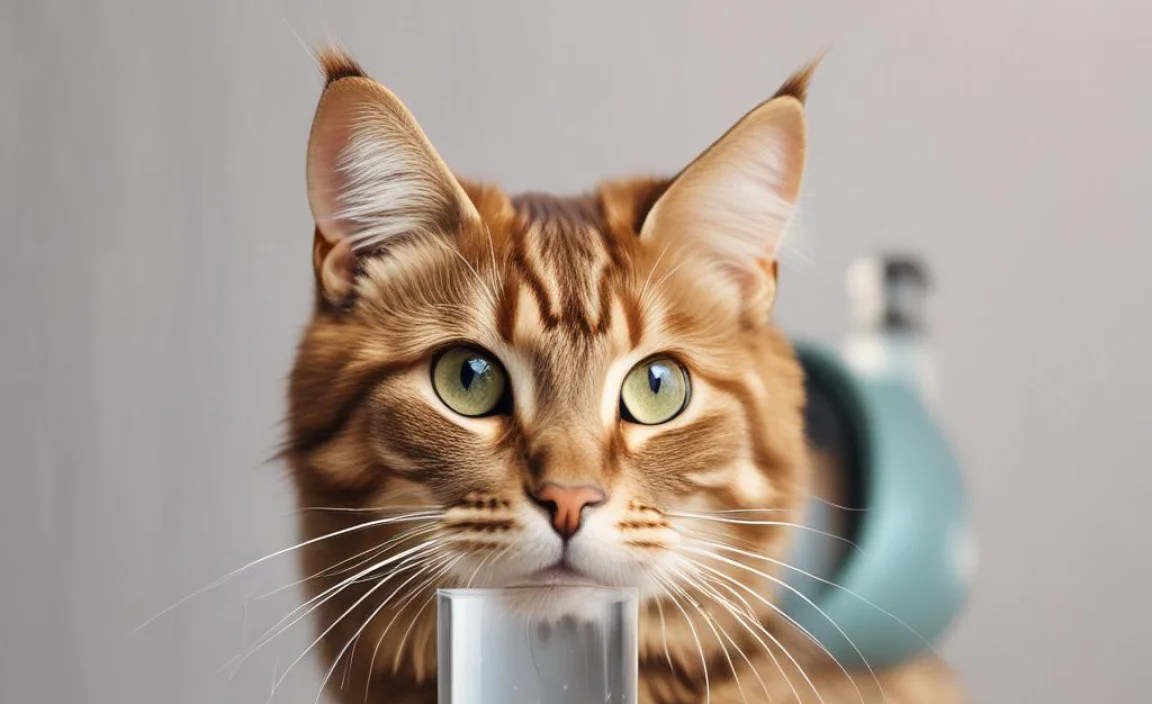
Many cats are naturally attracted to running water, harkening back to their ancestral need for fresh, flowing sources. A pet water fountain can be a game-changer for hydration.
- How Fountains Work: These recirculate water through a filter, keeping it fresh and oxygenated. The continuous flow can be highly enticing.
- Benefits: Fountains encourage drinking, keep water cleaner, and can reduce the risk of bacterial growth compared to stagnant bowls.
- Maintenance: Choose a fountain that is easy to disassemble and clean. Cats can be sensitive to dirty fountains too! Clean them regularly according to the manufacturer’s instructions, usually weekly.
There are many types of cat water fountains available. Some mimic natural streams, while others have simple spouts or bubbling reservoirs. You can find excellent options from reputable pet supply brands. According to the Pet Poison Helpline, ensuring your pet has access to clean water is one of the most basic, yet vital, aspects of their well-being.
6. Make Water Playful
Inject a little fun into hydration! Some cats respond well to interactive methods.
- Ice Cubes: Adding a few ice cubes to your cat’s water bowl can keep the water cooler and more appealing, and some cats enjoy batting at them.
- “Water Pops”: Freeze low-sodium chicken or tuna broth (ensure it’s free of onion and garlic powder) in an ice cube tray and offer a cube as a special treat. This is a much healthier alternative to human snacks.
Important Note: Always use broth specifically made for pets or ensure human-grade broth contains NO onion, garlic, or excessive sodium, which are toxic to cats.
7. Consider Water in Ice Cube Trays
For cats who enjoy licking or playing, a single ice cube in their bowl can pique their interest. They might bat at it, lick it as it melts, or simply be intrigued by the moving, cool addition to their water. This can extend their drinking time without them even realizing it!
8. Flavoring Water (Naturally!)
While we’re focusing on additive-free, we can still think about natural enhancements that mimic prey moisture.
- Bone Broth (Unseasoned): A tiny splash of unseasoned, plain bone broth made for pets (ensure no onion or garlic) can make water more appealing. Use sparingly, as too much can increase caloric intake or alter diet.
- Tuna Water (Use with Caution): Water from a can of tuna packed in water (not oil) can be tempting. However, use this very sparingly and infrequently. Tuna can be high in mercury, cause thiamine deficiency if fed as a staple, and can lead to picky eating habits if overused.
Always consult your veterinarian before introducing new dietary elements to ensure they are appropriate for your cat’s specific health needs.
Troubleshooting Common Cat Hydration Issues
Even with the best intentions, you might encounter a few hurdles. Here’s how to tackle them:
My Cat Still Won’t Drink Much!
Solution: Re-evaluate! Are you refreshing water daily? Is the bowl clean and in a good location? Have you tried a water fountain? If your cat eats kibble, the biggest impact will come from adding wet food to their diet or adding water/broth to their kibble. Observe your cat’s drinking habits from a distance – sometimes they drink more when they feel unobserved.
My Cat Ignores the Water Fountain.
Solution: It can take time for a cat to accept a new water source. Ensure it’s clean, fully assembled, and working correctly. Try placing their old, familiar bowl next to the fountain initially, then gradually remove the old bowl. Some cats are sensitive to the sound or movement of the water; you might need to try a different fountain model.
My Cat Prefers Water from Strange Places (Faucets, Showers).
Solution: This is your biggest clue! Your cat loves moving water. A good quality water fountain is your best bet to mimic this preference conveniently. You can also try leaving a faucet very slightly dripping if it’s safe and doesn’t waste too much water, but a fountain is a more sustainable solution.
My Cat Drinks from Their Food Bowl Water.
Solution: This is less ideal because food particles and bacteria can contaminate the water and make it less appealing. It also can lead to confusion for your cat’s instinct to separate hydration from their “kill site.” Try moving the water bowl further from the food bowl. Consider using a mat under the food bowl to catch spills and keep the area cleaner.
Table: Comparing Hydration Methods
To help you choose the best strategy, here’s a quick comparison:
| Method | Pros | Cons | Best For |
|---|---|---|---|
| Fresh Water Bowls | Simple, affordable, readily available. | May not appeal to all cats, can become stagnant quickly. | All cats, especially when multiple bowls are offered. |
| Wet Food Diet | Significantly boosts moisture intake, often palatable. | Can be more expensive than dry food, requires dental care consideration. | Cats who are picky about drinking plain water, cats prone to urinary issues. |
| Adding Water to Food | Easy way to increase intake without new products. | Some cats might remove the water, requires mixing well. | Both wet and dry food eaters, picky eaters. |
| Water Fountains | Encourages drinking due to movement, keeps water fresh. | Requires electricity, cleaning, and initial investment. | Cats attracted to running water, picky drinkers. |
| Multiple Water Stations | Increases accessibility and choice. | Needs more bowls and cleaning effort. | Homes with multiple cats or large spaces. |
Frequently Asked Questions (FAQ)
Q1: How much water should my cat drink daily?
A: A general guideline is about 3.5 to 7 ounces (100-200 ml) of water per 5 pounds (2.2 kg) of body weight per day. However, this can vary based on diet (wet food eaters need less from a bowl), activity level, and climate. Don’t stress too much about exact amounts; focus on consistently offering fresh water and encouraging intake through the tips above.
Q2: What are the signs that my cat is dehydrated?
A: Signs include lethargy, decreased appetite, dry gums, thick saliva, sunken eyes, and reduced skin elasticity (gently pinch the skin on their back; it should snap back quickly). If you notice these, contact your veterinarian immediately.
Q3: Can I give my cat milk to help them hydrate?
A: No. Most adult cats are lactose intolerant and cannot properly digest lactose, the sugar in milk. Giving them milk can cause digestive upset, including vomiting and diarrhea. Stick to plain water or moisture from their food.
Q4: My cat only eats dry food. What’s the best way to increase their water intake?
A: The most effective ways are to add plain water or unseasoned, pet-safe bone broth to their kibble bowl, making a “soupy” consistency. Also, ensure they have multiple, easily accessible bowls of fresh water, perhaps a water fountain, and always provide access to fresh water.
Q5: Are filtered water bowls or fountains better than regular bowls?
A: Filtered fountains are generally excellent because they keep water clean, fresh, and moving, which many cats prefer. Regular bowls are fine, but they require more frequent cleaning and refreshing to keep the water appealing. The key is clean, fresh water, regardless of the container.
Q6: Can my cat get too much water?
A: While rare, it is possible for cats to drink excessively, which can be a sign of underlying medical conditions like diabetes, kidney disease, or hyperthyroidism. If you notice a sudden, significant increase in your cat’s drinking habits, it’s essential to consult your veterinarian for a check-up.
Conclusion
Ensuring your cat stays well-hydrated is one of the most crucial aspects of their health and well-being. By understanding their natural instincts and implementing simple, additive-free strategies, you can make a significant positive impact with minimal fuss. From offering fresh water stations and embracing the power of wet food to investing in a circulating water fountain, these methods are designed to fit into your busy life while prioritizing your cat’s health. Remember, consistency is key. Little changes can lead to big improvements in your cat’s hydration levels and overall vitality. Happy hydrating!