
Boost your kitten’s defenses with the best care practices found in quality nutrition, vaccinations, and a loving environment. This guide makes fostering a strong immune system simple and effective for happy, healthy kittens.
Welcoming a kitten into your home is a joyful experience, but it also brings the responsibility of ensuring their health and well-being. One of the most crucial aspects of good kitten care is supporting their developing immune system. A strong immune system is their best defense against illnesses and infections, setting them up for a long, vibrant life.
You might worry if your little furball is getting everything they need to stay healthy, especially when they’re so small and vulnerable. Don’t fret! This guide is designed to make boosting your kitten’s immunity easy and straightforward. We’ll cover the essential steps to help you provide the best possible start for your new companion, from nutrition to their environment. Get ready to learn how to create a fortress of health for your kitten!
Understanding the Kitten’s Immune System

A kitten’s immune system is like a brand-new shield that needs time and proper care to become resilient. When they are born, they receive antibodies from their mother through her milk (colostrum), which provides temporary protection. However, this passive immunity starts to fade as they grow, typically around 6-8 weeks of age. This period is critical because their own immune system is still learning and developing. Without proper support during this vulnerable stage, kittens are more susceptible to various diseases. Think of it as building a strong foundation for a house; the better the foundation, the sturdier the structure will be throughout its life. Understanding this developmental phase helps us focus on the actions most beneficial for their long-term health.
The Importance of Early Nutrition
Nutrition is the cornerstone of a strong immune system, especially for growing kittens. Their bodies are undergoing rapid development, requiring a precise balance of nutrients to build healthy cells, tissues, and defense mechanisms. A high-quality diet provides the essential building blocks for immune cells and antibodies. Conversely, poor nutrition can leave them vulnerable and hinder their ability to fight off infections. It’s akin to fueling a race car with the best gasoline; you need premium ingredients for peak performance. When choosing food, look for options specifically formulated for kittens, as they have different nutritional needs than adult cats.
Key Nutrients for Kitten Immunity
Several key nutrients play a vital role in bolstering a kitten’s immune defenses. Ensuring these are present in their diet is paramount for their development and protection.
- Protein: Essential for building antibodies and immune cells. Look for high-quality animal-based protein sources as the first ingredients.
- Vitamins (like A, C, D, E): These act as antioxidants and support various immune functions. Vitamin E, for instance, is crucial for the function of various immune cells.
- Minerals (like Zinc, Selenium): Zinc is vital for the development and function of immune cells, while selenium is a powerful antioxidant that supports immune response.
- Omega-3 and Omega-6 Fatty Acids: These healthy fats help regulate the immune system and reduce inflammation, supporting overall health.
- Antioxidants: Found in many fruits and vegetables (though often supplemented in cat food), they help combat free radicals that can damage cells and weaken the immune system.
Choosing the Right Kitten Food
Selecting the best food for your kitten can feel overwhelming with so many options available. Focus on brands that are transparent about their ingredients and formulate their food with the specific needs of growing kittens in mind. A diet rich in animal protein, moderate in fats, and lower in carbohydrates is generally recommended for felines, as they are obligate carnivores.
When evaluating kitten food, consider the following:
-
- AAFCO Statement: Ensure the packaging states that the food is “complete and balanced” and formulated to meet the nutritional levels established by the Association of American Feed Control Officials (AAFCO) for growth.
- Ingredient List: The first few ingredients should be identifiable animal protein sources (e.g., chicken, turkey, salmon). Avoid foods with excessive fillers like corn, wheat, and soy, which offer less nutritional value for cats.
- Wet vs. Dry Food: Both can be beneficial. Wet food offers higher moisture content, which is great for hydration and urinary tract health, while dry food can help with dental hygiene. Many owners opt for a combination of both.
- Consult Your Veterinarian: Your vet is an excellent resource for recommending specific brands or types of food based on your kitten’s individual needs.
Vaccinations: A Cornerstone of Protection

Vaccinations are one of the most effective ways to protect your kitten from serious and potentially fatal diseases. They work by introducing a small, inactivated, or weakened part of a virus or bacteria, allowing the kitten’s immune system to develop antibodies to fight off the real pathogen if exposed. This is a critical step in building their immunity to common and dangerous feline illnesses.
Core Vaccines for Kittens
Veterinarians typically recommend a set of core vaccines for all kittens. These protect against widespread and severe diseases that pose a significant risk.
-
-
- Feline Viral Rhinotracheitis (FVR), Feline Calicivirus (FCV), and Feline Panleukopenia (FPV) – often combined as “FVRCP”: These are highly contagious and can cause severe respiratory illness, oral ulcers, and life-threatening gastrointestinal issues.
- Rabies: A fatal viral disease that can be transmitted to humans and other animals. Vaccination is crucial for public health and your kitten’s safety.
-
Your veterinarian will establish a vaccination schedule for your kitten, typically starting around 6-8 weeks of age, with boosters given every few weeks until they are around 16 weeks old. It’s essential to follow this schedule precisely to ensure your kitten builds optimal immunity.
Non-Core Vaccines
Depending on your kitten’s lifestyle, risk of exposure, and geographic location, your veterinarian might also recommend non-core vaccines. These include:
-
-
- Feline Leukemia Virus (FeLV): Recommended for kittens at risk of exposure, especially if they go outdoors or live with cats who go outdoors.
- Chlamydia Felis: Protects against a common cause of conjunctivitis.
- Bordetella Bronchiseptica: Protects against a bacterial cause of upper respiratory infection, often recommended for kittens housed in environments with many other cats (like shelters or catteries).
-
Discuss your kitten’s environment and potential exposures with your vet to determine if any non-core vaccinations are necessary. You can find more information on recommended vaccination protocols from the American Animal Hospital Association (AAHA), a leading authority in companion animal veterinary care.
Parasite Prevention: A Constant Battle
Parasites, both internal (like worms) and external (like fleas and ticks), can significantly weaken a kitten’s immune system and pose serious health risks. They steal vital nutrients, cause anemia, transmit diseases, and generally make your kitten feel unwell. Consistent parasite prevention is crucial for safeguarding their health and ensuring their immune system can focus on fighting off more serious threats.
Internal Parasites (Worms)
Kittens are especially prone to worms, often passed from their mother during pregnancy or nursing. Common types include roundworms, hookworms, and tapeworms. These can cause:
-
-
- Diarrhea or vomiting
- Weight loss
- Poor coat quality
- Anemia
- In severe cases, intestinal blockage or stunted growth
-
Your veterinarian will likely deworm your kitten as part of their initial check-up and vaccination schedule. They will also recommend a regular deworming or fecal testing schedule. Regular check-ups are important as your vet can identify signs of parasites even if they are not obvious.
External Parasites (Fleas and Ticks)
Fleas are a common nuisance that can cause intense itching, skin irritation, and allergic reactions (flea allergy dermatitis). They can also transmit tapeworms. Ticks can transmit serious diseases like Lyme disease and ehrlichiosis, although certain tick-borne illnesses are less common in cats than dogs.
Your veterinarian can recommend safe and effective flea and tick preventatives for kittens. It’s vital to use products specifically formulated for cats, as dog products can be toxic to them. Many monthly topical treatments or oral medications are available, and your vet will guide you on the best choice for your kitten’s age, weight, and lifestyle.
| Parasite Type | Risks to Kitten | Prevention Methods |
|---|---|---|
| Roundworms | Diarrhea, vomiting, poor growth, can be passed to humans. | Deworming medication (as prescribed by vet). |
| Hookworms | Anemia, weight loss, lethargy. | Deworming medication (as prescribed by vet). |
| Tapeworms | May cause weight loss or diarrhea; often seen as rice-like segments in stool or around the anus. | Deworming medication (as prescribed by vet); flea control is crucial. |
| Fleas | Itching, skin irritation, flea allergy dermatitis, tapeworm transmission. | Topical or oral flea preventatives (as prescribed by vet). |
| Ticks | Can transmit serious diseases (e.g., Lyme, Ehrlichiosis). | Topical or oral tick preventatives (as prescribed by vet); regular checks for ticks. |
Creating a Safe and Stimulating Environment
Beyond diet and vet care, the environment you provide plays a significant role in your kitten’s overall health and immune function. A stressed or fearful kitten may have a compromised immune system, making them more prone to illness. Creating a safe, low-stress, and enriching environment helps build their confidence and supports their well-being.
Stress Reduction
Kittens, especially when new to a home, can be easily overwhelmed. Minimize stress by:
-
-
- Providing a quiet space: Allow your kitten to retreat to a safe, quiet area where they can rest undisturbed.
- Gradual introductions: Introduce new people, pets, and environments slowly and positively.
- Consistent routine: Maintain a predictable schedule for feeding, playing, and grooming.
- Positive reinforcement: Use positive methods for training and handling to build trust and avoid fear.
-
Hygiene and Sanitation
Keeping your kitten’s living space clean is essential for preventing the spread of germs and parasites. This includes:
-
-
- Litter box cleanliness: Scoop the litter box at least once daily and change the litter completely at least once a week. Use unscented, non-clumping litter initially, as strong scents can be off-putting to kittens.
- Food and water bowls: Wash food and water bowls daily to prevent bacterial growth.
- Bedding: Wash bedding regularly to keep it fresh and free from parasites and allergens.
- Sanitary grooming: Keep your kitten’s living area tidy.
-
Enrichment and Play
Physical activity and mental stimulation are crucial for a kitten’s development and can indirectly support their immune system by reducing stress and promoting overall health. Engaging play helps them burn energy, develop coordination, and bond with you. Provide a variety of safe toys, such as:
-
-
- Feather wands
- Crinkle balls
- Interactive puzzle feeders
- Scratching posts to satisfy their natural instincts
-
These activities help keep them happy and healthy, contributing to a robust immune system.
Supplementation: When and Why?
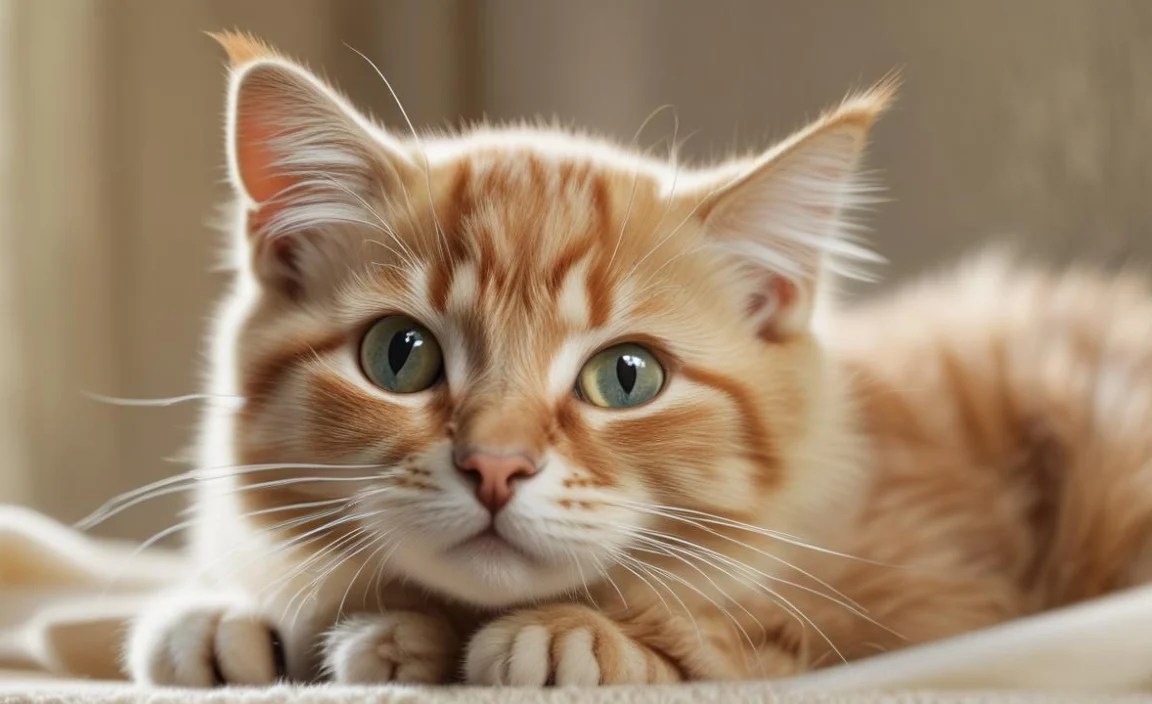
While a high-quality, balanced diet formulated for kittens should provide most of the required nutrients, some situations might warrant supplementation. However, it’s crucial to approach supplements with caution and always under the guidance of your veterinarian. Giving the wrong supplements or incorrect doses can be ineffective or even harmful.
Commonly Discussed Supplements for Immune Support
Discuss these with your vet to see if they are appropriate for your kitten:
-
-
- Probiotics: These beneficial bacteria can help maintain a healthy gut microbiome, which is closely linked to immune function. A healthy gut is essential for nutrient absorption and preventing the growth of harmful bacteria.
- Omega-3 Fatty Acids (Fish Oil): Known for their anti-inflammatory properties, omega-3s can help modulate the immune response and support skin and coat health.
- Vitamins and Minerals: While a balanced diet is usually sufficient, a vet might recommend a specific vitamin or mineral supplement if a deficiency is suspected or for kittens with specific health conditions.
-
It’s important to remember that supplements are not a replacement for a good diet, proper veterinary care, or a clean environment; they are meant to complement these basics. The Cornell Feline Health Center provides extensive resources on feline health, including the importance of a balanced diet and vet-recommended care.
The Role of Veterinary Care

Regular veterinary check-ups are non-negotiable for ensuring your kitten’s immune system is developing properly and remains strong. Your veterinarian is your most valuable partner in your kitten’s health journey.
Regular Wellness Exams
Kittens need to visit the vet more frequently than adult cats. These visits allow your vet to:
-
-
- Monitor growth and development.
- Administer necessary vaccinations and deworming treatments.
- Screen for common kitten health issues.
- Provide personalized advice on diet, behavior, and care.
- Establish a baseline for your kitten’s health, making it easier to spot changes later.
-
Early Detection of Illness
A trained veterinarian can identify subtle signs of illness that an untrained owner might miss. Early detection and treatment of any health problems are crucial for your kitten’s recovery and can prevent secondary infections that would further tax their developing immune system.
Building a Relationship with Your Vet
Establish a good rapport with your veterinarian. Don’t hesitate to ask questions or voice any concerns you have about your kitten’s health or behavior. A trusting relationship ensures you receive the best advice and your kitten receives the best possible care.
Frequently Asked Questions (FAQ)
-
-
What is the fastest way to boost a kitten’s immune system?
The fastest and most effective ways to boost a kitten’s immune system are through a high-quality, veterinarian-approved kitten diet and adhering strictly to the recommended vaccination and parasite prevention schedule prescribed by your vet.
-
Can I give my kitten human immune-boosting supplements?
No, you should never give your kitten human immune-boosting supplements unless specifically directed to do so by your veterinarian. Many human supplements can be harmful or toxic to cats. Always consult your vet before giving any supplements.
-
How long does it take for a kitten’s immune system to fully develop?
A kitten’s immune system continues to mature for their first year of life. While they gain significant protection from maternal antibodies and vaccinations in the first few months, full maturity takes time, which is why consistent care is vital throughout their first year.
-