
Make your cat’s litter box a haven, not a hassle! A comfortable cat litter box means a happy cat, fewer accidents, and a cleaner home. Learn simple, essential tips to create the perfect potty spot for your feline friend, ensuring their comfort and yours.
Ever wonder if your cat secretly dislikes their litter box? It’s a common worry for many loving pet parents. A clean litter box is crucial, but sometimes, comfort plays a bigger role than we realize. Cats are particular creatures, and their preferences for their personal facilities can be quite specific. If you’re facing unexplainable messes outside the box, or just want to be the best cat parent possible, you’ve come to the right place! We’ll explore the easy, essential steps to make their litter box a true comfort zone. Get ready to create a space your cat will appreciate, leading to a happier cat and a more peaceful home for everyone.
Why Litter Box Comfort Matters for Your Cat

Think about your own comfort. You wouldn’t want to use a bathroom that’s too small, dirty, or awkward, would you? Our feline companions feel much the same way about their litter boxes! A comfortable litter box isn’t just about luxury; it’s fundamental to your cat’s well-being and their natural instincts.
Cats are naturally clean animals. When their litter box meets their comfort needs, they are far more likely to use it consistently. This leads to a reduction in accidents around the house, which is a win for everyone involved. A comfortable setup respects their need for privacy, security, and a clean environment, all of which are key factors in their overall health and happiness. Providing an ideal litter box experience can prevent stress-related behavioral issues and keep your cat feeling safe and content.
Understanding Your Cat’s Preferences: The Foundation of Comfort

Before we dive into the dos and don’ts, it’s vital to understand that “comfortable” isn’t one-size-fits-all. Each cat is an individual with unique preferences. What one cat finds heavenly, another might find utterly unacceptable. Taking the time to observe and understand your cat’s personality and habits will be your greatest asset in creating their ideal litter box setup.
Consider these points:
- Size and Space: Does your cat seem to like to stretch out, or do they prefer a more confined space? Some cats enjoy having ample room to turn around and dig, while others might feel more secure in a smaller, cozier area.
- Privacy vs. Accessibility: Does your cat seem easily startled? Do they prefer to be in a quiet corner, or are they more brazen? Understanding their temperament will help you choose a location that feels safe and private for them.
- Litter Type: This is a huge one! Some cats adore the feeling of fine, sandy litter, while others might prefer something coarser. Litter texture can significantly impact their comfort and willingness to use the box.
- Cleanliness Standards: Cats are instinctively clean. They don’t want to walk in their own waste any more than you do! Regular cleaning is paramount, but the frequency and type of cleaning rituals can also matter to discerning felines.
By paying attention to these nuances, you can move beyond generic solutions and tailor the litter box environment precisely to your cat’s liking. It’s about seeing the world through their paws!
Essential Elements for a Comfortable Cat Litter Box
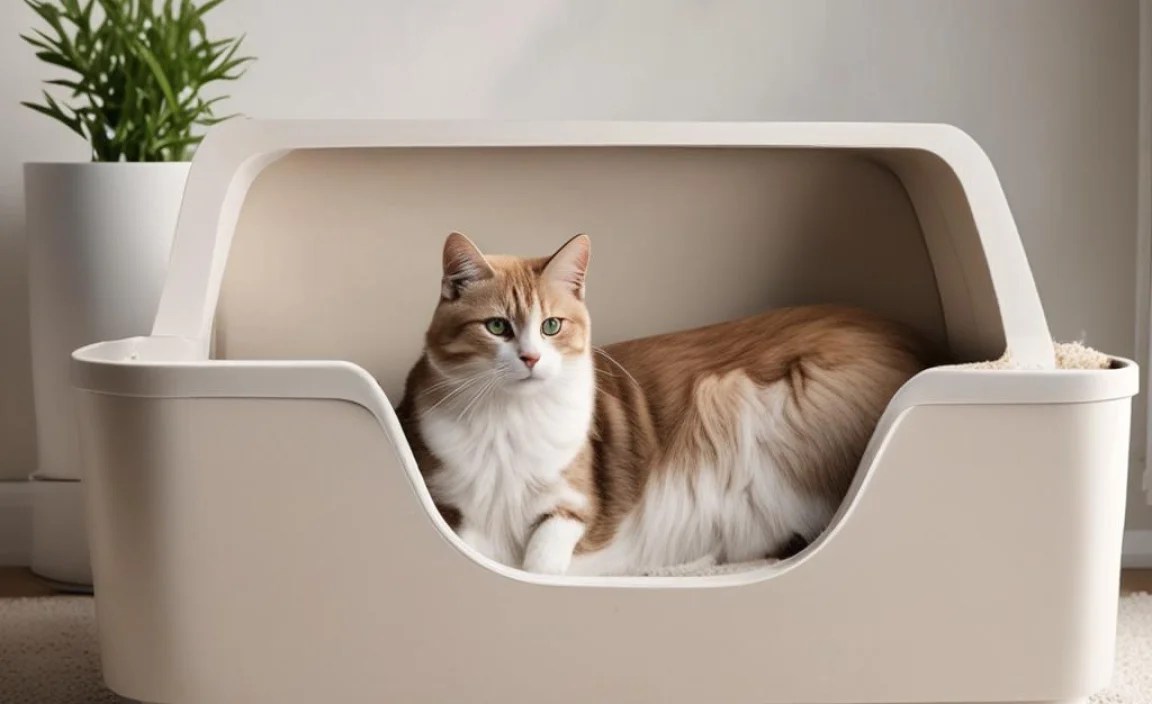
Creating a comfortable litter box experience involves several key components. Let’s break down each essential element to ensure your feline friend feels right at home with their facilities.
1. The Right Litter Box Size and Shape
One of the most overlooked aspects of litter box comfort is its size. A box that’s too small can feel cramped and uncomfortable, making it difficult for your cat to turn around, dig, and cover their waste effectively. This can lead to frustration and, potentially, accidents outside the box.
General Size Guidelines:
As a good rule of thumb, the litter box should be at least 1.5 times the length of your cat (from nose to tail base, when stretched out). This provides ample space for them to maneuver comfortably.
For kittens, you might start with a smaller box, but be prepared to upgrade as they grow. Senior cats or those with mobility issues might benefit from boxes with lower entry points or larger overall dimensions.
Open vs. Covered Boxes:
This is a matter of feline preference. Some cats appreciate the privacy and odor containment of a covered litter box. Others may feel trapped or unable to monitor their surroundings, leading to anxiety. If you’re unsure, start with an open box. If you opt for a covered one, ensure it’s not too small inside and has good ventilation. Some covered boxes also have doors that some cats dislike; a fully enclosed box without a door flap can be a good compromise.
Consider also the height of the sides. Kittens and older cats with arthritis may struggle to get into boxes with high walls. Boxes with a low entry point are ideal for these cats.
2. The Perfect Litter Depth
Litter depth is crucial for your cat’s digging and covering instincts. Most cats prefer a litter depth that allows them to dig and bury their waste naturally. Too little litter and they might end up scraping the bottom of the box; too much and they might feel unstable or overwhelmed.
- Ideal Depth: Aim for about 2 to 4 inches of litter. This depth is usually sufficient for most cats to dig and satisfactory bury.
- Observation is Key: Pay attention to how your cat interacts with the litter. If they constantly kick litter out of the box, it might be too deep or too shallow. If they seem hesitant to dig or cover, the depth might need adjustment.
- Consistency Matters: Once you find a depth your cat likes, try to maintain it. Adding litter evenly each day will help keep the experience consistent for them.
3. The Right Kind of Litter
This is, perhaps, the most debated and personal aspect of litter box comfort. Cats have sensitive paws and noses, and the texture, scent, and dust content of the litter can significantly impact their acceptance of the box.
Popular Litter Types and Their Pros/Cons:
| Litter Type | Pros | Cons |
|---|---|---|
| Clay (Clumping & Non-Clumping) | Widely available, affordable, good odor control (clumping). | Can be dusty, some cats dislike the feel, non-clumping can be harder to clean. |
| Silica Gel Crystals | Excellent odor absorption, low dust, long-lasting, easy to scoop. | Can be expensive, some cats dislike the feel or sound. |
| Natural/Plant-Based (e.g., corn, wheat, wood pellets, paper) | Eco-friendly, biodegradable, often low dust, some are flushable. | Varying odor control, some can become mushy, some may be attractive to chew. |
| Sand-like Litters | Mimics natural environment, many cats prefer the texture. | Can track more than other types, may not offer the best odor control. |
Many veterinary behaviorists recommend unscented, clumping litters with a fine, sand-like texture as a good starting point, as this most closely resembles a cat’s natural environment. Studies by organizations like the Humane Society suggest cats often prefer these conditions.
- Avoid Scented Litters if Possible: While humans might appreciate a pleasant scent, cats have a much stronger sense of smell. Artificial fragrances can be overwhelming and deter them from using the box.
- Dust is a No-No: High-dust litters can irritate your cat’s respiratory system and their paws, making the litter box an unpleasant experience. Look for low-dust or dust-free options.
- Texture Matters: Observe your cat. Do they dig with enthusiasm? Do they recoil? Their paws are sensitive, and a litter that feels “right” is essential.
- The 2-Cat Rule: If you have more than one cat, it’s generally recommended to have one litter box per cat, plus an extra one. This prevents territorial disputes and ensures there’s always a clean, accessible option.
4. Location, Location, Location!
Where you place the litter box is just as important as the box itself. A poorly placed box can make your cat feel vulnerable or stressed, leading to avoidance.
What Makes a Good Location?
- Quiet and Private: Choose a spot that isn’t high-traffic. Avoid placing it next to noisy appliances (like washing machines or dryers), busy doorways, or areas where the family frequently gathers. Your cat needs to feel secure while doing their business.
- Easy Access: Ensure the location is always accessible. Don’t place it behind doors that might get closed or in a place that requires a difficult maneuver to reach.
- Away from Food and Water: Cats are meticulous about hygiene and do not like to eat, drink, or eliminate in the same general vicinity. Keep the litter box far from their food and water bowls.
- Predictable: Once you choose a spot, try to keep it there. Cats rely on routine and predictability, and frequently moving the litter box can cause confusion and anxiety.
Consider placing litter boxes in bathrooms or laundry rooms if they are quiet and not overly used. If you have a multi-story home, distributing litter boxes across different floors is a good strategy.
5. The Importance of Cleanliness: A Non-Negotiable
Even the most luxurious litter box becomes uncomfortable if it’s dirty. Cats have incredibly sensitive noses and a strong instinct to keep their living space clean. A dirty litter box is one of the most common reasons for litter box aversion.
Daily Maintenance is Key:
- Scoop Daily (or Twice Daily): Remove solid waste and urine clumps at least once a day, ideally twice. Many cats will refuse to use a soiled litter box.
- Top Up Litter: As you scoop, check the litter level. Add more litter to maintain the ideal depth of 2-4 inches.
- Regular Full Cleaning: How often you do a full litter box clean-out depends on the type of litter you use.
- Clumping Litter: Aim for a full clean-out and change of litter approximately every 2-4 weeks.
- Non-Clumping Litter: These require scooping out solids and urine-soaked litter more frequently, often emptying and refilling the entire box weekly.
- Crystal Litter: These can last longer, sometimes up to a month, depending on the number of cats and the size of the box.
- Wash the Box: When you do a full clean-out, wash the litter box with mild, unscented soap and water. Avoid harsh chemicals or heavily scented cleaners, as the residue can deter your cat. Rinse thoroughly and allow to dry completely before refilling.
Litter Box Type and Cleaning:
Self-cleaning litter boxes can be a great help, but observe your cat’s reaction to the noises and movements. Some cats are perfectly fine with them, while others are terrified. Always ensure the cleaning mechanism is safe and doesn’t pose a risk.
For traditional boxes, having a spare box on hand makes the cleaning process easier. You can dump the dirty litter into a bag, wash and dry the box, and then refill it with fresh litter, ready to be swapped in. This minimizes downtime and ensures a clean box is always available.
Troubleshooting Common Litter Box Issues
Even with the best intentions, sometimes issues arise. Don’t get discouraged! Most litter box problems can be resolved by understanding the underlying cause and making adjustments.
Feline Refusal: My Cat Won’t Use the Litter Box
If your cat suddenly stops using their litter box, it’s often a sign that something is wrong, either medically or environmentally. The first and most crucial step is a veterinary check-up to rule out any underlying health conditions, such as urinary tract infections, bladder stones, or kidney problems. The American Association of Feline Practitioners (Cat Friendly) offers resources on feline health and behavior, emphasizing the importance of veterinary care for behavioral changes.
Once medical issues are ruled out, consider these environmental factors:
- Cleanliness: Is the box scooped daily? Is the litter changed regularly?
- Litter Type: Have you recently changed the litter? Your cat might dislike the new texture or scent. Try reverting to the old type or experimenting with alternatives.
- Box Size/Type: Is the box large enough? Is it too enclosed?
- Location: Is the box in a quiet, safe place? Has anything changed in the surrounding area (new furniture, loud noises)?
- Litter Box Wars: If you have multiple cats, ensure there are enough boxes, and that one cat isn’t guarding or bullying another away from the box.
Sometimes, simply adding more litter boxes in different locations can solve the problem.
Litter Tracking: Litter Everywhere!
Litter tracking is a common nuisance. Cats can carry litter on their paws and fur after using the box, scattering it around the house. While a little tracking is often unavoidable, here are ways to minimize it:
- Try Different Litter Types: Heavier, larger-grained litters tend to track less than fine, sandy ones. Pellet litters or larger crystal litters can also help.
- Use a High-Sided Box: This helps contain the litter within the box itself.
- Place a Litter Mat: A textured mat placed in front of the litter box can catch litter as your cat steps out. They are easy to clean and significantly reduce scatter.
- Consider a Litter Box with a Lid and a Top Entrance: These designs encourage the cat to step through a hole in the lid, which can dislodge litter from their paws before they exit the box.
- Regular Vacuuming: Keeping the area around the litter box clean will naturally reduce overall tracking.
Marking Behavior: Spraying or Urinating Outside the Box
This is different from simply refusing to use the box. Spraying (vertical surfaces) or urinating outside the box (often on horizontal surfaces) can be territorial marking, stress-related, or a medical issue. Again, a vet visit is crucial. If medical reasons are ruled out, consider:
- Stressors: Have there been changes in the household? New pets, people, or routine changes?
- Territoriality: Especially in multi-cat households or if stray cats are visible outdoors, territorial marking can occur.
- Anxiety: Some cats may urinate inappropriately due to anxiety.
Feliway diffusers or sprays, which release synthetic feline facial pheromones, can help create a calming environment. Ensure adequate litter boxes, especially in multi-cat homes. For persistent marking, consulting a veterinary behaviorist is highly recommended.
Creating a Multi-Cat Household Litter Box Utopia

Managing litter boxes in a multi-cat home requires a bit more strategy, but it’s entirely achievable. The golden rule, often cited by feline behaviorists, is the “N+1” rule: one litter box per cat, plus one extra.
The “N+1” Rule Explained:
If you have two cats, you should have three litter boxes. If you have three cats, aim for four boxes. This system ensures that no single cat feels like they have to compete for resources, reducing potential conflict and territorial disputes among your feline family members. It also provides options if one cat prefers a cleaner box than another, or if one is feeling a bit shy.
Placement Strategy for Multiple Boxes:
- Spread Them Out: Don’t clump all the litter boxes together in one area. Place them in different rooms and on different floors of your home. This minimizes the chance of one cat blocking access to all the boxes.
- Consider Cat Personalities: If you have a dominant cat and a more timid one, strategically place boxes so the timid cat has access to one in a quiet, safe spot where the dominant cat doesn’t frequently patrol.
- Easy Access for All: Ensure all boxes are easily accessible to all cats, regardless of age or mobility.
Keeping it Harmonious:
Consistent cleaning is even more critical in a multi-cat household to prevent any one cat from being deterred by a less-than-perfectly clean box, which could lead to them seeking an alternative spot. If you notice one cat consistently avoiding a specific box or location, try to understand why – perhaps it’s too close to another cat’s favorite resting spot, or there’s a noise nearby.
Beyond the Box: Encouraging Good Litter Habits
Sometimes, even with the most comfortable litter box setup, a little positive reinforcement goes a long way. When you see your cat successfully using the litter.