
Looking for a cleaner, more private solution for your cat’s bathroom needs? A cat litter box with a cover is an essential item that helps contain litter scatter, minimize odors, and provide your feline friend with a more secluded potty spot, leading to a happier cat and a tidier home.
Cats are wonderful companions, bringing joy and purrs into our lives. But every cat owner knows that managing their litter box can sometimes be… a messy business. Litter can end up everywhere, and lingering odors are never ideal. If you’ve found yourself constantly sweeping or battling that tell-tale scent, there’s a simple and effective solution: a cat litter box with a cover. This ingenious design addresses many common litter box woes, offering both you and your feline friend a more pleasant experience. We’ll explore why a covered litter box might be the perfect addition to your home, making life easier for everyone involved. Let’s dive into how this simple item can be an essential solution for a cleaner, happier cat and a less stressful home environment.
Why Choose a Cat Litter Box With Cover?

It might seem like a small change, but opting for a cat litter box with a cover can make a significant difference in your daily life and your cat’s comfort. These enclosed spaces are designed to tackle several common litter box challenges head-on. Forget the scattered litter tracked through your house and the persistent, unpleasant aromas. A covered litter box offers a more contained, discreet, and often preferred solution for many cats.
Think about it from your cat’s perspective. Some felines are naturally more private and prefer a designated, enclosed space for their business, away from the hustle and bustle of household activity. A covered box can mimic the feeling of a safe, den-like environment, which can reduce anxiety and encourage consistent litter box use. For you, the benefits are equally compelling. The cover acts as a barrier, dramatically reducing litter scatter. This means less sweeping, less vacuuming, and a generally cleaner home. Furthermore, many covered designs incorporate features like active carbon filters or specialized ventilation systems that help trap and neutralize odors, creating a more pleasant atmosphere for everyone.
Key Benefits of a Covered Litter Box

When you’re considering a cat litter box with a cover, it’s helpful to know exactly what advantages it brings to the table. These benefits extend to both your cat’s well-being and your home’s cleanliness and overall ambiance. Here’s a breakdown of the most significant advantages:
Reduced Litter Scatter: This is perhaps the most immediate and noticeable benefit. The walls and often the self-trapping door of a covered litter box act as a barrier. As your cat digs and kicks litter, most of it stays contained within the box, rather than ending up on your floors. This significantly cuts down on cleanup time and keeps your living spaces tidier.
Odor Control: Many covered litter boxes are designed with odor management in mind. They often include features like:
Built-in ventilation systems: These help to draw air out and away from the litter box, sometimes through a filter.
Space for odor-absorbing filters: Most commonly, these are activated carbon filters that effectively trap and neutralize smell particles.
A more contained environment: Simply by being enclosed, the litter box helps to hold odors within the unit until it’s cleaned, preventing them from dissipating into the room.
Increased Privacy for Your Cat: Some cats are shy or easily startled. An enclosed box can provide them with a sense of security and privacy, making them feel more comfortable and less exposed while they are in a vulnerable position. This can be especially helpful for cats that are new to a home or those who are a bit timid.
Aesthetic Appeal (for You!): Let’s be honest, an open litter box – especially one that’s seen a lot of use – isn’t always the most attractive sight in a room. Covered litter boxes often resemble stylish furniture pieces or simple bins, helping to blend them more seamlessly into your home decor. They can make the litter box area look much tidier and less obtrusive.
Less Disruption: For households with multiple pets or young children, a covered litter box can help prevent other pets from bothering the cat while it’s using the facilities. It also helps keep curious toddlers or dogs from exploring the litter box contents!
Potential for Less Dust: While not a guarantee, the enclosed nature of some covered boxes can help to contain the litter dust that’s often kicked up during digging and burying. This can be a great benefit for people with allergies or sensitivities.
Types of Covered Litter Boxes
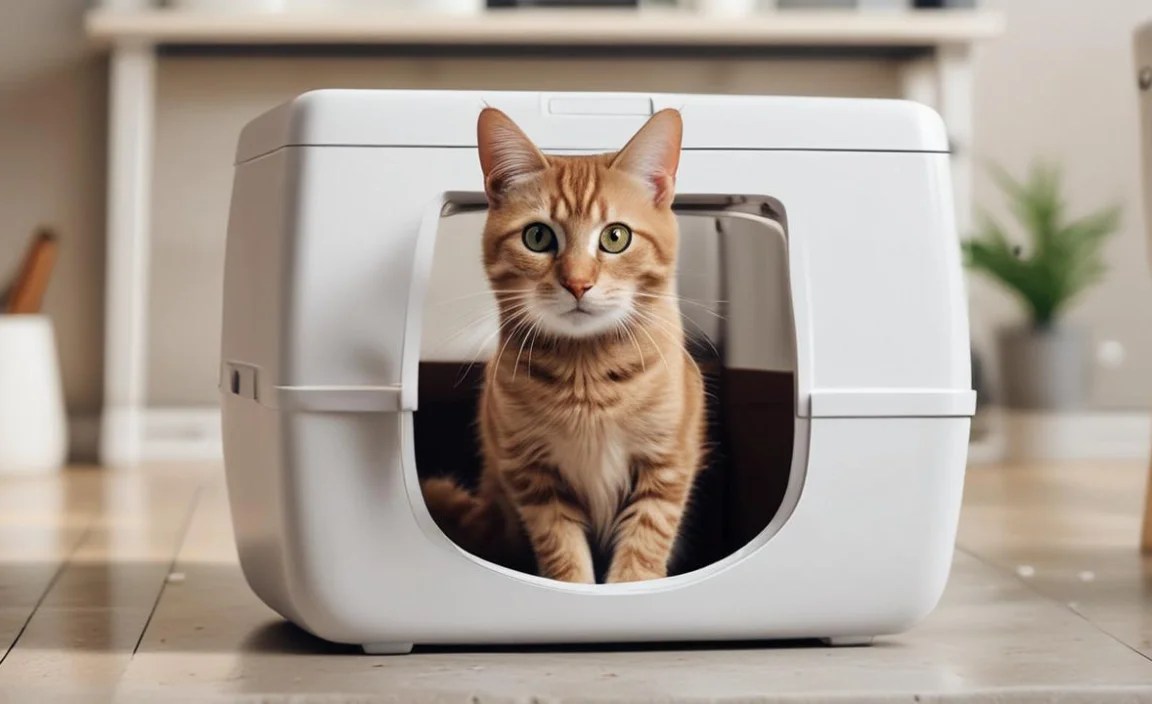
The world of covered litter boxes isn’t one-size-fits-all. Manufacturers have developed various styles to cater to different needs, preferences, and cat personalities. Understanding these types can help you choose the best fit for your furry friend and your home.
1. Standard Covered Litter Box
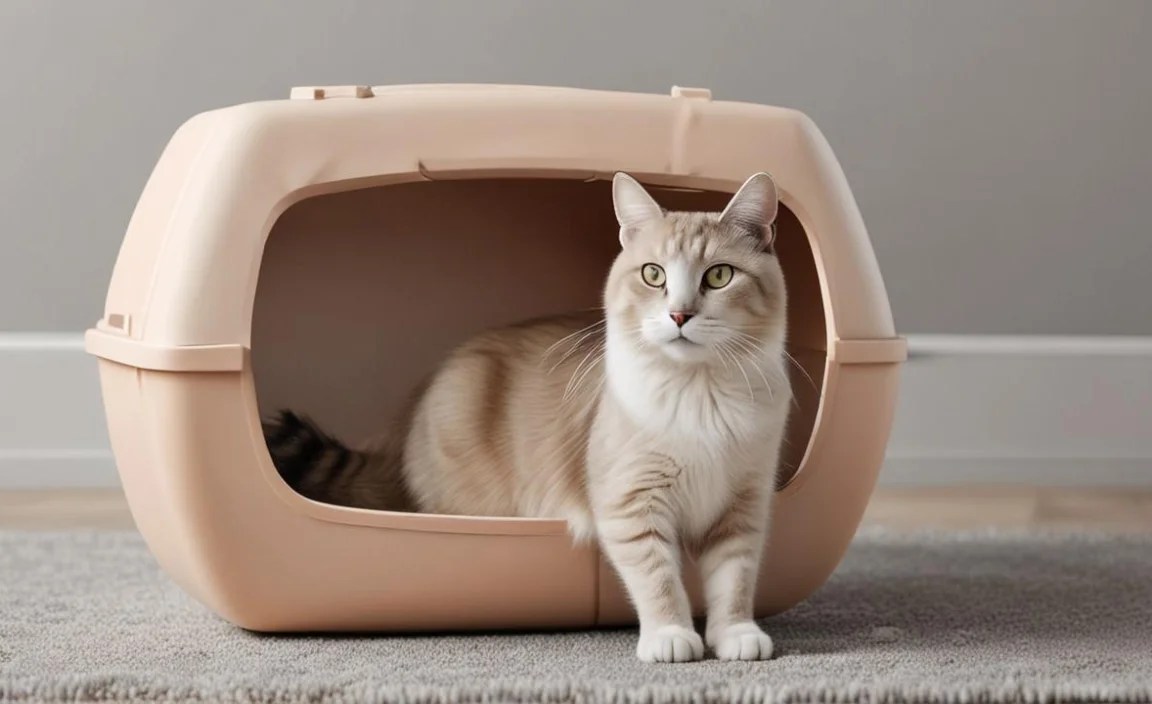
This is the most common and straightforward type. It’s essentially a regular litter pan with a removable plastic hood that clips on.
Pros: Simple, usually very affordable, easy to clean, often available in large sizes.
Cons: May not offer the best odor control compared to more advanced designs, can still allow some scatter if the hood isn’t a perfect fit or the cat is particularly enthusiastic.
Best for: Cats that are already well-accustomed to litter boxes and don’t have strong privacy needs, budget-conscious owners, easy introduction to covered boxes.
2. Hooded Litter Box with Integrated Door

These boxes are similar to standard covered boxes but almost always include a swing-out door or a flap at the entrance.
Pros: The door helps to further contain litter scatter and odors, provides a bit more privacy for the cat, generally more aesthetically pleasing than open boxes.
Cons: Some cats dislike or are scared of the door, the door can sometimes get stuck or be difficult for certain cats to navigate (especially kittens or senior cats), can be a bit harder to clean around the door mechanism.
Best for: Households wanting better litter containment and odor reduction, cats that are not averse to doors.
3. Top-Entry Litter Box
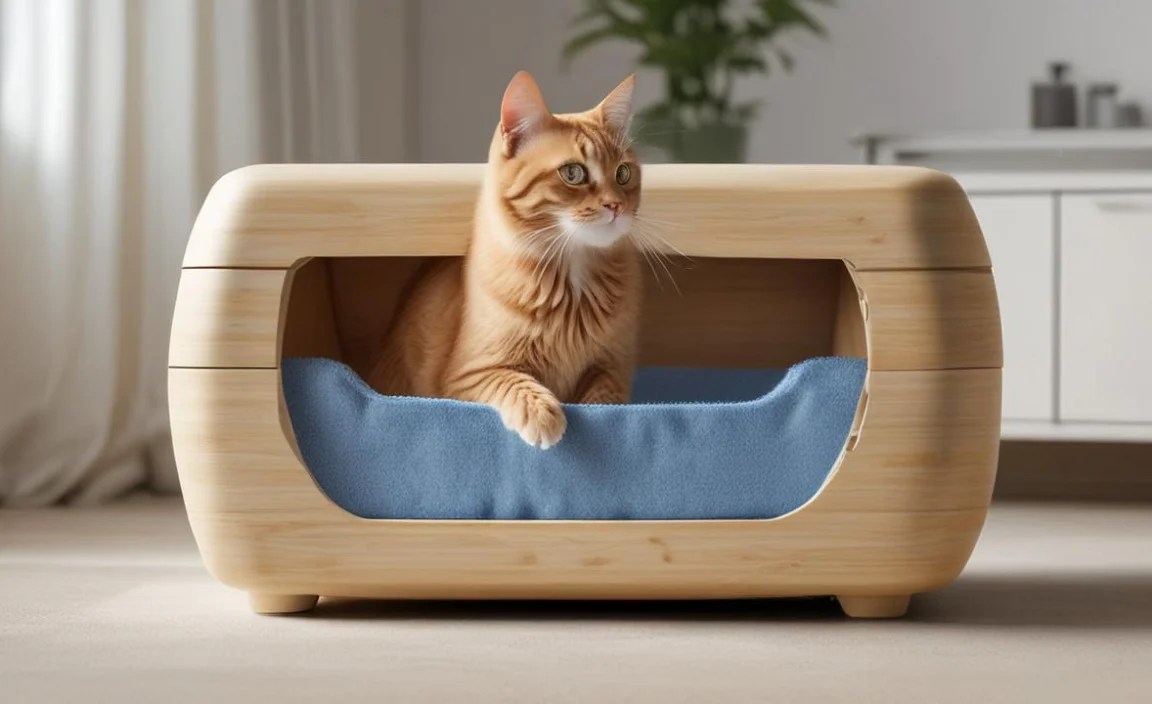
This innovative design features an opening on the top of the litter box, with the litter tray being accessed from above. Cats jump in through the top opening and then dig into the litter bed below.
Pros: Excellent for containing litter scatter, as cats can’t fling it out over the sides. Can be very effective at odor control as the top entry limits air circulation. Often sleek and modern in appearance.
Cons: Can be challenging for kittens, senior cats, or cats with mobility issues to jump into. Some cats may be initially hesitant to use a top-entry system. Cleaning can be slightly more involved.
Best for: Owners who want maximum litter containment and odor control, homes with dogs that might try to get into the litter box.
4. Litter Box Furniture or Enclosures

These are essentially disguised litter boxes. They often look like stylish cabinets, end tables, or decorative boxes that house a standard litter pan inside.
Pros: The ultimate in discretion – they truly hide the appearance of a litter box. Excellent for odor containment, as the enclosure provides a barrier. Blends seamlessly with home decor.
Cons: Can be the most expensive option. May require assembly. Size of the internal litter pan can sometimes be limited by the furniture design. Cleaning can sometimes be more difficult due to the enclosed nature of the furniture.
Best for: Design-conscious homeowners, those who want to completely hide the litter box, households where odor control is a top priority.
5. Corner Litter Box
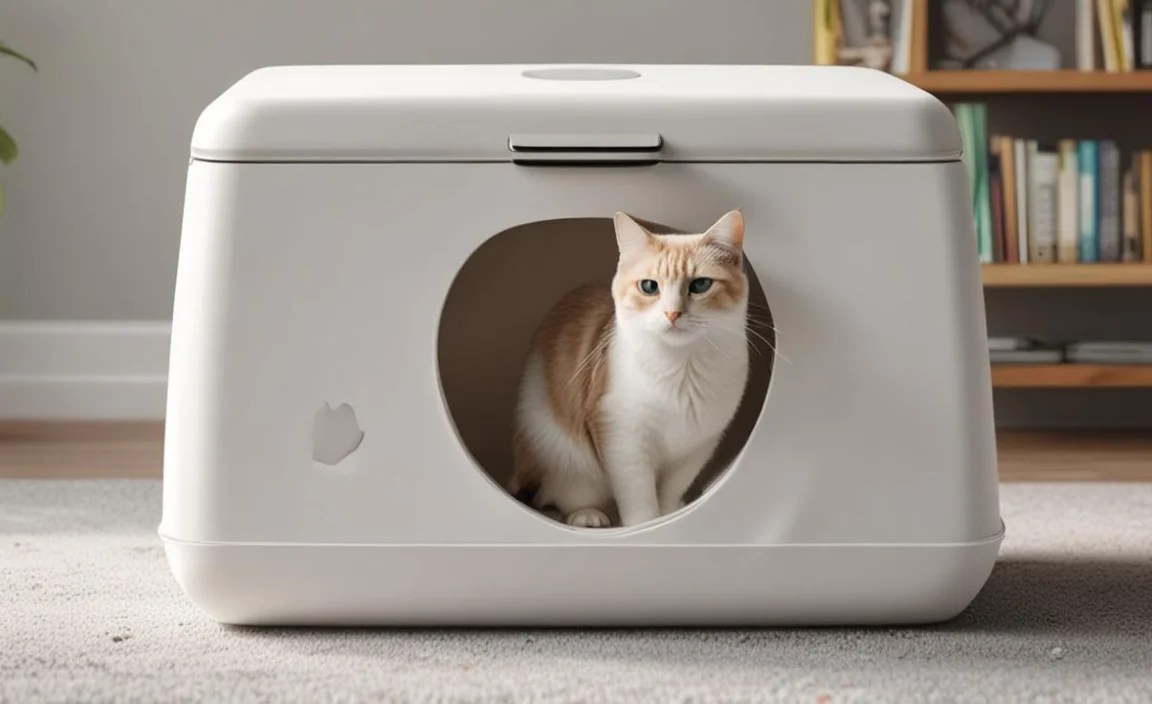
While not always covered, many corner litter boxes are designed with hoods, often fitting into the specific niche of a room.
Pros: Efficiently uses corner space, which can be beneficial in smaller homes. Hooded versions offer many of the standard covered box benefits.
Cons: May not be ideal for larger cats, as corner designs can sometimes be smaller. Shape might limit litter choice.
Best for: Smaller living spaces where utilizing corners is key, owners looking for a discrete solution that fits specific room layouts.
How to Choose the Right Covered Litter Box

Selecting the perfect covered litter box involves considering a few key factors. It’s not just about picking the one that looks nicest; it’s about choosing a solution that will be comfortable, functional, and appealing for your feline friend.
1. Size Matters
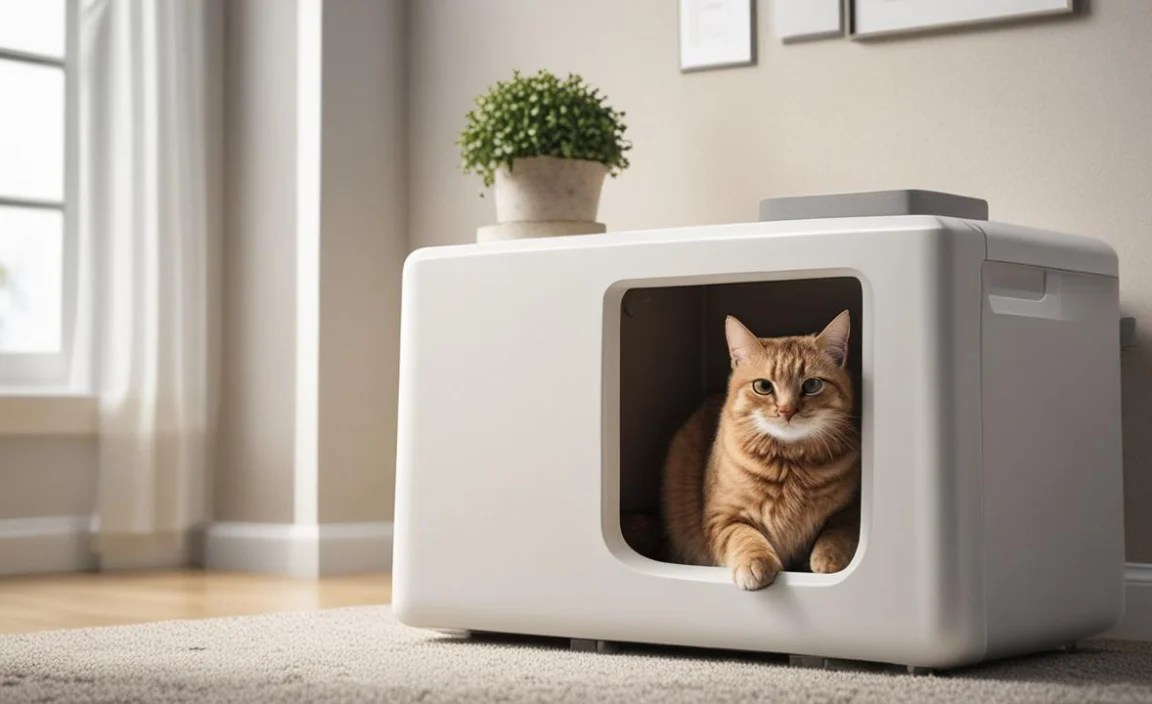
This is crucial. Cats need enough space to comfortably turn around, dig, and do their business. A general rule of thumb is that the litter box should be at least 1.5 times the length of your cat (from nose to base of tail). For covered boxes, ensure the interior dimensions are ample. If the box is too small, your cat might avoid it, leading to accidents outside the box. Many high-quality covered litter boxes are designed with generous dimensions specifically to accommodate this need.
2. Entrance Ease and Door Design
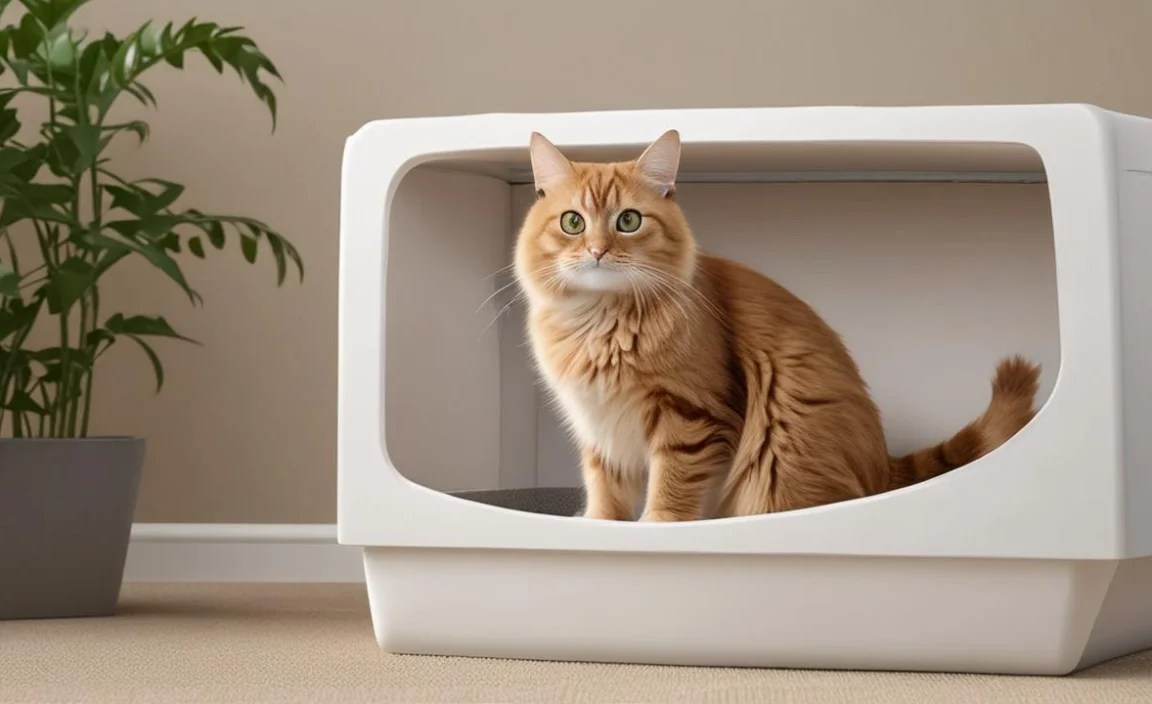
Consider your cat’s physical abilities.
For kittens, senior cats, or cats with mobility issues: Look for models with lower entry heights or an easily removable flap/door. Some top-entry boxes may not be suitable.
For cats wary of enclosed spaces: If your cat is timid, a box with a large, unobstructed doorway or a very lightweight, easy-to-push flap might be best. Some cats are scared of having doors that swing shut behind them.
Consider a box with a removable door if you’re unsure and want to try it without the door first.
3. Ventilation and Odor Control Features
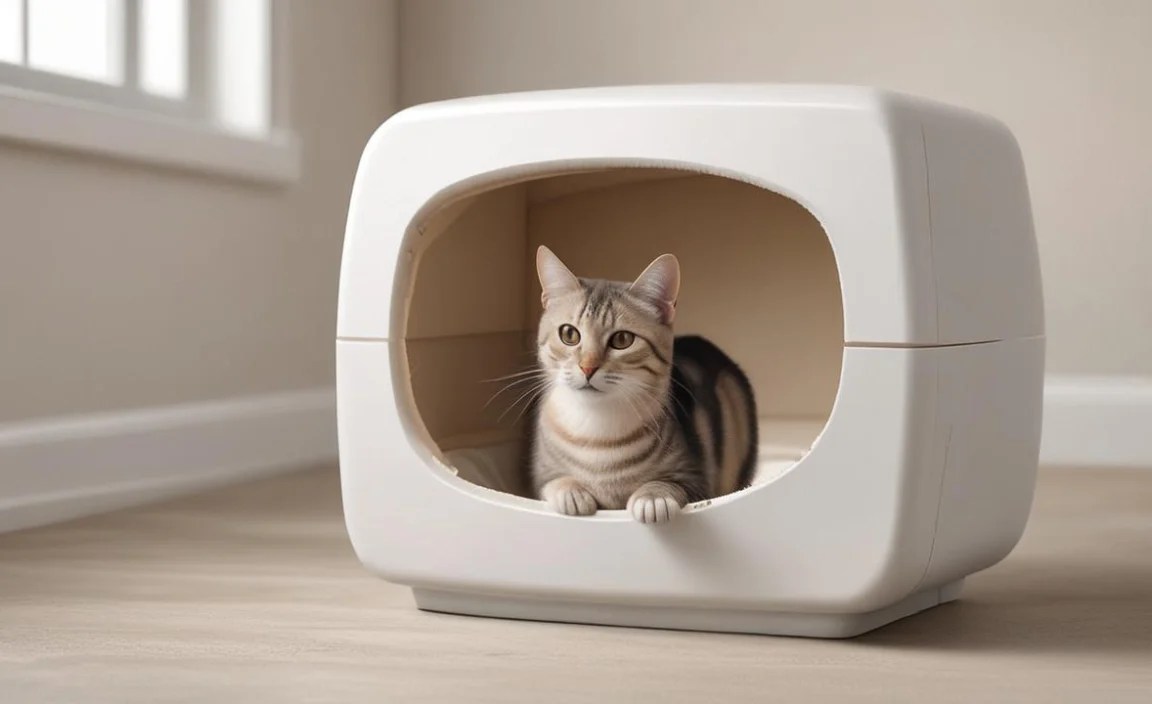
If odor management is a primary concern, pay attention to the features designed for this purpose:
Activated Carbon Filters: Look for boxes that explicitly state they use these filters and have a designated slot for them. These are highly effective at trapping smells. Remember that these filters need regular replacement.
Vents: Some boxes have built-in vents that promote air circulation, reducing the buildup of odors.
Enclosure Quality: A well-sealed enclosure, especially in furniture-style boxes, can naturally contain odors better than a poorly fitting hood.
4. Ease of Cleaning
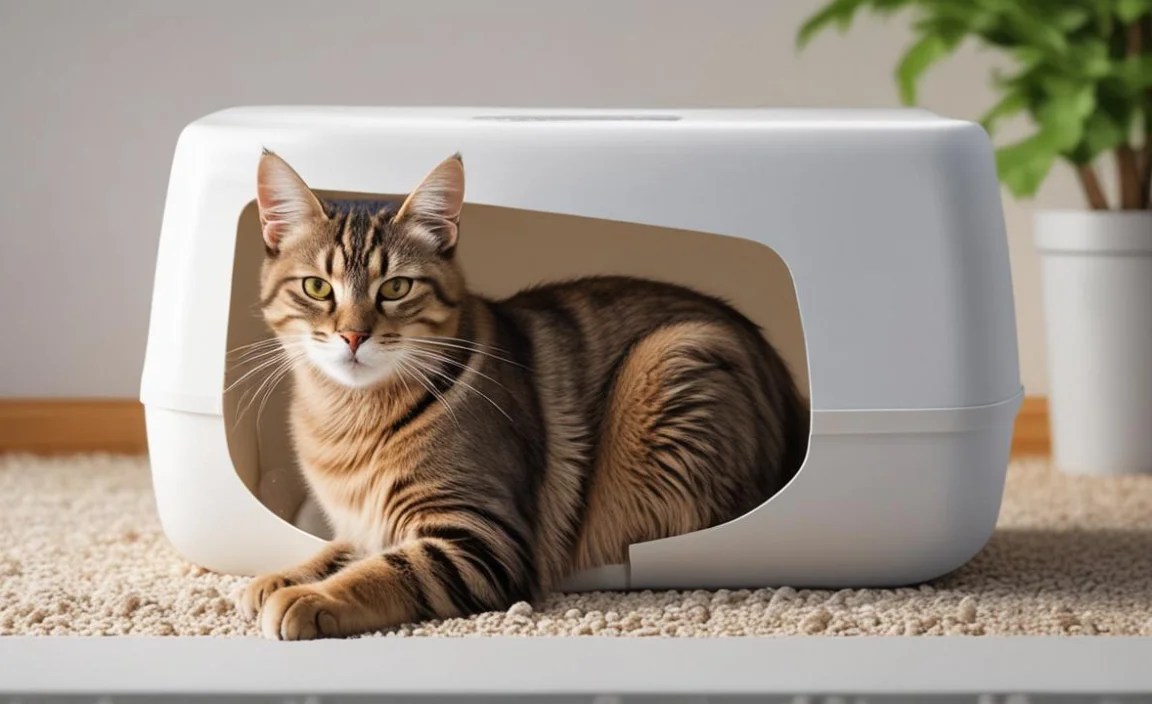
You’ll be cleaning this box regularly, so it’s important that it’s not a chore.
Removable Hoods/Components: Most covered boxes have hoods that lift off easily, allowing full access to the litter pan.
Smooth Surfaces: Plastic that is smooth and non-porous is easiest to wipe down and keep clean. Avoid intricate nooks and crannies where litter dust can accumulate.
Dishwasher Safe (for smaller parts): Some removable trays or components might be dishwasher safe, which can be a huge time-saver. Always check the manufacturer’s instructions for this.
Top-Entry Design: For cleaning, top-entry boxes often have removable sifting trays that make it easy to dispose of waste.
5. Material and Durability
Most covered litter boxes are made of plastic. It’s a durable, easy-to-clean material. Look for BPA-free plastics for safety. The hinges and clips on hoods should feel sturdy and not prone to breaking. For furniture enclosures, check the quality of the material (e.g., MDF, solid wood, treated laminate) and how well it’s finished to resist moisture.
6. Aesthetics and Your Home Decor

While your cat’s comfort is paramount, the visual appeal of the litter box in your home is also a valid consideration. If you’re opting for a covered box to make the litter area less conspicuous, choose a design that complements your existing decor, especially for furniture-style enclosures.
Setting Up Your Cat Litter Box With Cover: A Step-by-Step Guide

Once you’ve chosen the perfect covered litter box, the next step is to set it up for success. Proper setup can encourage your cat to use it immediately and prevent potential issues down the line. Even with the best-designed litter box, a thoughtful approach to introduction is key.
Tools You Might Need:
The new covered litter box and its components (hood, door, filter if applicable)
Your cat’s preferred type of litter (or a new litter you’re transitioning to)
A litter scoop
A small brush or dustpan and brush for initial cleaning/assembly
Potentially, a mild, pet-safe cleaning spray for initial setup if needed
Step-by-Step Setup:
1. Unpack and Assemble:
Carefully unpack all the components. Many covered litter boxes require minimal assembly, often just snapping the hood into place or attaching a door.
If your box has a filter (like an activated carbon filter), install it according to the manufacturer’s instructions. This is usually a simple process of sliding it into a designated slot.
2. Clean (Optional but Recommended):
Although new, it’s good practice to give the litter box a quick wipe-down with a damp cloth to remove any manufacturing dust or residue. Ensure it’s completely dry before adding litter. If you choose to use a cleaning spray, make sure it’s specifically formulated for pet use and is unscented.
3. Add the Litter:
The type and amount of litter are important. Most cats adapt well to their familiar litter. If you are changing litter types, do so gradually by mixing the new with the old over a week.
Fill the litter pan with about 2-3 inches of litter. Cats generally prefer this depth for digging and burying. Avoid overfilling, which can lead to litter being kicked out. Ensure the litter level is consistent, even with the cover.
4. Placement is Key:
Location, Location, Location: This is critical for encouraging use.
Place the covered litter box in a quiet, low-traffic area where your cat feels safe and has privacy.
Avoid placing it near their food and water bowls, as cats instinctively prefer to keep these areas separate.
Ensure the location is accessible and not blocked by other furniture or obstructions.
If you’re replacing an old litter box, try to put the new one in the same general area to minimize confusion.
Ventilation: While the box itself might have ventilation, ensure the surrounding area is reasonably well-ventilated to help dissipate any odors that do escape.
5. Introduce Your Cat:
Gentle Introduction: Don’t force your cat into the box. Simply place them near it or gently put them inside it, allowing them to explore at their own pace.
Positive Reinforcement: If they use the box, offer quiet praise or a small treat. Positive associations are powerful.
Initial Trials: For cats that are hesitant about the door, you might leave the door flap off or propped open during the first few days. Once they’re comfortable, you can reintroduce the door. You can also gently swing it open and closed yourself to show them it’s not scary.
Observe: Watch your cat for any signs of stress or hesitation. If they seem uncomfortable, you may need to adjust the location, the amount of litter, or even consider a different type of covered box if this one is proving too challenging.
6. Regular Maintenance:
Scoop Daily: This is non-negotiable for any litter box, covered or not. Daily scooping keeps the box pleasant for your cat and reduces odors.
Top Up Litter: Add more litter as needed to maintain the 2-3 inch depth.
* Full Cleaning: Plan for a full litter change and box wash every 2-4 weeks, depending on the litter type and how many cats use the box. Use a mild, unscented soap and water. Ensure the box is thoroughly rinsed and completely dry before refilling with fresh litter.
Frequently Asked Questions About Covered Litter Boxes
Here are some common questions new and experienced cat owners ask about covered litter boxes.
Q1: Will my cat actually use a covered litter box?
A1: Most cats adapt very well to covered litter boxes, especially if they are accustomed to litter boxes in general. However, individual cats have preferences. If your cat is shy, prefers to see their surroundings, or has mobility issues, they might be hesitant. Introducing it gradually, possibly without the door initially, can help.
Q2: How do I keep a covered litter box from smelling bad?
A2: Covered litter boxes inherently help contain odors better than open ones. To maximize odor control: scoop the box daily, change the litter regularly (every 2-4 weeks, depending on the litter), use high-quality odor-absorbing litter, and ensure any built-in filters (like activated carbon) are replaced as recommended by the manufacturer. Good ventilation in the room also helps.
Q3: How do I clean a covered litter box effectively?
A3: Most covered litter boxes have a hood that lifts off, providing full access to the litter pan. Scoop out solid waste daily. To clean thoroughly, empty all the litter, wash the pan and hood with mild, unscented soap and water, rinse well, and dry completely before refilling. Some manufacturers offer dishwasher-safe components, but always check the instructions.
Q4: Are covered litter boxes good for kittens or older cats?
A4: Kittens and older or arthritic cats may struggle with the height or a swinging door. For them, a covered litter box with a low entry point or a removable/optional door is essential. Top-entry boxes are generally