
Tired of litter box woes? Discover smart, simple, and future-forward cat litter box solutions for 2025 that make cleanup a breeze and keep your feline friend happy. From odor control to self-cleaning wonders, we’ve got your beginner-friendly guide to a fresher home.
As pet parents, we adore our cats, but let’s be honest – the litter box can be a bit of a challenge. Nobody enjoys the smell, the mess, or the daily scooping duty. It’s a common frustration that many of us navigate. But what if there were simpler, more effective ways to manage your cat’s bathroom habits? In 2025, we’re seeing some truly genius advancements in litter box technology and design that can make a world of difference. You don’t need to be a tech whiz or a professional cleaner to enjoy a tidier, fresher-smelling home. We’ll guide you through the latest innovations and practical tips to transform your litter box routine. Get ready to say goodbye to the dreaded litter box duty and hello to a happier home for both you and your kitty!
Why the Litter Box Matters More Than You Think

The litter box is more than just a convenience; it’s a crucial element of your cat’s well-being. A clean and appropriate litter box environment directly impacts your cat’s comfort, health, and behavior. When a cat feels safe and comfortable using their litter box, it reduces stress and can prevent many behavioral issues like inappropriate urination or defecation outside the box.
Cats are naturally clean animals with a strong instinct to bury their waste. Providing them with a suitable litter box that meets their needs is essential for their overall happiness. Ignoring litter box issues can lead to unpleasant odors, unsanitary conditions, and a strained relationship with your beloved feline companion. In 2025, the focus is on creating solutions that are not only effective but also integrate seamlessly into our busy lives, benefiting both pets and their people.
The Evolution of the Cat Litter Box: What’s New for 2025?

The humble cat litter box has come a long way! Gone are the days of basic plastic pans. Today, innovation is key, with manufacturers focusing on odor control, ease of cleaning, and even automated solutions. Understanding these advancements will help you choose the best setup for your home and feline friend.
Smart Litter Boxes: The High-Tech Revolution
For those looking to minimize effort and maximize freshness, smart litter boxes are a game-changer. These automated units often feature self-cleaning mechanisms, odor-filtering systems, and even health monitoring capabilities. While they represent a higher initial investment, the long-term benefits of reduced scooping and improved sanitation are substantial.
Self-Cleaning Mechanisms: Many smart boxes use rakes or rotating drums to sift waste into a sealed compartment after each use. This ensures a clean surface for your cat every time, which is crucial for picky felines.
Odor Control: Advanced filtration systems, often using activated carbon or ionizers, effectively trap and neutralize odors, keeping your home smelling fresh.
Health Monitoring: Some cutting-edge models can track your cat’s litter box habits, such as weight and frequency of use, providing valuable insights into their health that you can share with your veterinarian.
Quiet Operation: Modern designs prioritize quiet motors and gentle movements, so as not to startle or deter your cat.
Odor-Eliminating Litter Box Accessories
If a full smart litter box isn’t in the cards, there are plenty of accessories that can significantly reduce litter box odors. These are budget-friendly upgrades that can make a noticeable difference.
Activated Carbon Filters: These can often be attached to existing litter box hoods or enclosures to absorb airborne odors.
Odor-Neutralizing Sprays & Additives: Look for natural, pet-safe formulations that break down odor-causing molecules rather than just masking them.
Litter Box Deodorizers: These are placed within or around the litter box to absorb smells. Some are designed to be mixed with the litter.
Enclosed Litter Boxes: These designs help contain both litter scatter and odors, creating a more contained environment.
Innovative Litter Box Designs
Beyond technology, the physical design of litter boxes is also evolving. Think about ease of use for both you and your cat.
Top-Entry Litter Boxes: These stylish boxes feature an opening on the top, which significantly reduces litter tracking outside the box. Cats jump in from the top and exit the same way.
High-Sided Litter Boxes: For cats who tend to kick litter out, high-sided options, or even DIY solutions using storage bins, can be very effective.
Modular Systems: Some brands offer modular litter box systems that can be customized for space or multiple cats, often with integrated storage for supplies.
Choosing the Right Litter Box: A Step-by-Step Guide for Beginners

Selecting the perfect litter box can feel overwhelming, but it’s simpler than you think. By considering a few key factors, you can make an informed decision that prioritizes your cat’s comfort and your own convenience.
Step 1: Consider Your Cat’s Preferences
Your cat is the ultimate critic! Their comfort is paramount.
Size: The litter box should be at least 1.5 times the length of your cat (excluding the tail). They need enough space to turn around and dig comfortably.
Type: Some cats prefer open-top boxes, while others feel more secure in enclosed ones. Observe your cat; if they seem hesitant, they might prefer a more open option, or vice versa.
Entry Height: Kittens and senior cats, or those with mobility issues, need a box with a low entry point.
Step 2: Assess Your Space and Lifestyle
Where will the litter box go, and how much time can you dedicate to cleaning?
Location: Choose a quiet, accessible spot where your cat feels safe and won’t be disturbed. Avoid noisy areas or places near their food and water bowls.
Number of Boxes: The general rule is one litter box per cat, plus one extra. So, for two cats, you ideally want three boxes placed in different locations.
Cleaning Frequency: Be realistic about how often you can scoop. If you’re busy, a self-cleaning box or a litter that clumps well and controls odor might be your best bet.
Step 3: Understand Different Litter Box Materials and Features
The materials and features of a litter box can impact durability, odor control, and ease of cleaning.
Plastic: Most common and affordable. Easy to clean but can absorb odors and scratch over time, harboring bacteria.
Metal: Durable and easy to sanitize, but can be heavy and expensive. Less common for full boxes, more for inserts.
Self-Cleaning Mechanisms: As discussed, great for convenience but require power and regular maintenance.
Vented Boxes: Some enclosed boxes have vents with filters to improve air circulation and odor control.
Step 4: Factors for Optimal Litter Box Placement
The best litter box in the world won’t work if it’s in the wrong spot.
Privacy: Cats are vulnerable when eliminating. Ensure the chosen spot offers them a sense of security, away from high-traffic areas or perceived threats.
Accessibility: Make sure your cat can easily reach the box at all times. For multi-story homes, place boxes on each level.
Away from Food and Water: Cats instinctively dislike eliminating near their food and water sources. Keep these areas separate.
Multiple Locations: Even if you have multiple boxes, placing them in different areas of the home can prevent territorial disputes and ensure convenience for your cat.
The Top Genius Cat Litter Box Solutions for 2025

Let’s dive into some of the standout solutions that are making waves in 2025. These offer a blend of innovation, practicality, and feline-friendliness.
1. Fully Automated Self-Cleaning Litter Boxes
These are the pinnacle of litter box convenience, designed to drastically reduce your daily scooping duties. They operate on a timed cycle or sensor, automatically raking or sifting waste into a sealed compartment.
Pros:
Significantly reduces manual scooping.
Maintains a consistently clean litter bed for your cat.
Excellent odor control via sealed waste compartments.
Can help monitor pet health (in some models).
Cons:
Higher initial cost.
Requires electricity.
May require specialized litter or specific litter depth.
Some cats may be initially hesitant due to noise or movement.
Needs regular cleaning of the unit itself.
Example Brands to Consider: Litter-Robot, PetSafe ScoopFree, Whisker.
2. Hooded Litter Boxes with Advanced Ventilation
For a more traditional approach with enhanced odor control, hooded boxes with built-in ventilation systems are excellent. They offer privacy for your cat and help contain dust and smells.
Pros:
Better odor control than open boxes.
Helps contain litter scatter.
Provides privacy for the cat.
Generally more affordable than automatic options.
Cons:
Requires manual scooping.
Can be harder to clean thoroughly than open boxes.
Some cats dislike enclosed spaces.
Ventilation effectiveness can vary by model.
Key Features for 2025: Look for models with powerful, replaceable activated carbon filters and easy-to-remove hoods for cleaning.
3. Top-Entry Litter Boxes: The Litter Tracking Solution
These are a brilliant solution for homes where litter scatter is a major issue. Cats enter from an opening on the top, and the holes in the lid allow any litter clinging to their paws to fall back into the box.
Pros:
Drastically reduces litter tracking outside the box.
Helps contain odors and dust.
Often aesthetically pleasing and can blend into home decor.
Provides privacy for the cat.
Cons:
May not be suitable for very young kittens, elderly cats, or cats with mobility issues.
Requires manual scooping.
Some cats may not adapt to the top entry.
Cleaning can be slightly more involved than with a simple open box if the lid is complex.
Tip: Ensure there’s enough clearance above the litter box for your cat to comfortably enter and exit.
4. High-Sided and “DIY” Storage Bin Litter Boxes
This concept leverages simple, readily available storage containers to create a highly effective, custom litter box. High-sided bins are fantastic for cats who are enthusiastic diggers or sprayers.
Pros:
Extremely effective at containing litter scatter.
Very durable and easy to clean.
Highly cost-effective.
Customizable to your cat’s needs and your space.
Cons:
Requires manual scooping.
May lack aesthetic appeal for some.
Ensure the entry height is accessible for your cat.
How to DIY: Purchase a large, sturdy plastic storage bin (e.g., ~18-27 gallon size). Cut a U-shaped or full opening on one side, ensuring the bottom edge of the opening is low enough for your cat to step over. Sand down any rough edges.
5. Eco-Friendly and Odor-Absorbing Litters
No litter box solution is complete without the right litter. For 2025, there’s a growing emphasis on biodegradable, dust-free, and highly odor-absorbent options.
Clumping Clay Litters: Still a popular choice for their ease of scooping. Look for “low-dust” or “odor control” varieties.
Natural Litters: Made from materials like recycled paper, corn, wheat, or wood. Often biodegradable and more eco-friendly.
Silica Gel Litters: Known for their superior odor absorption and dust reduction. They are very absorbent and require less frequent full changes, but can be more expensive and some cats dislike the texture.
Activated Charcoal Additives: Some litters or additives incorporate activated charcoal, a powerful natural odor absorber.
External Resource: The ASPCA offers valuable insights into common cat health issues, including those that can be influenced by litter box habits and hygiene. Understanding these can further highlight the importance of a clean and appropriate litter setup.
Maintaining a Pristine Litter Box: Essential Tips
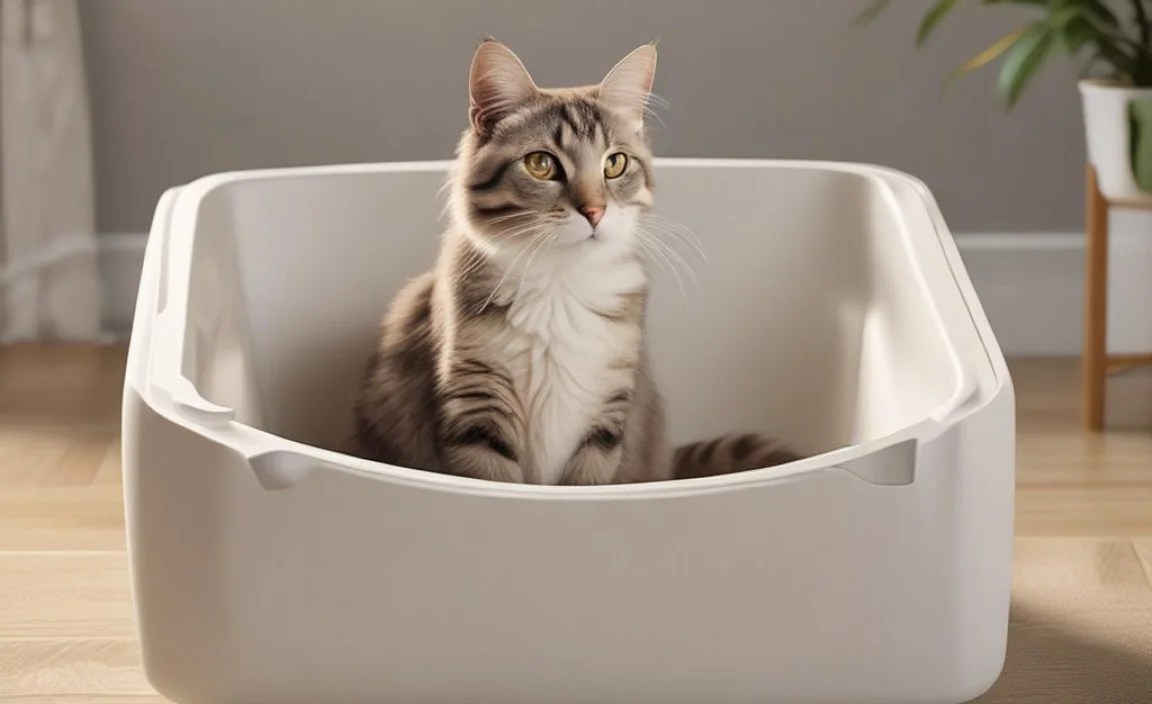
Even the most high-tech litter box requires a little upkeep. Regular cleaning is key to keeping your cat happy and your home odor-free.
Daily Maintenance
Scoop Twice Daily: This is the golden rule. Remove all solid waste and urine clumps at least twice a day. Cats are fastidious and prefer a clean surface.
Stir Litter: Even after scooping, gently stir the litter to expose any buried waste and help with drying and odor absorption.
Check Litter Depth: Ensure there are at least 2-3 inches of litter. This allows for proper digging and burying.
Weekly Maintenance
Spot Clean: Wipe down the inside of the litter box with a damp cloth or pet-safe cleaner. Pay attention to any soiled areas.
Top Up Litter: Add fresh litter as needed to maintain the optimal depth.
Monthly (or as needed) Deep Cleaning
Empty and Wash: Completely empty the litter box. Wash it thoroughly with mild soap and warm water. Avoid harsh chemicals or strong-smelling cleaners, as these can deter your cat.
Rinse Well: Ensure all soap residue is rinsed away.
Dry Completely: Allow the box to air dry thoroughly before refilling with fresh litter.
Replace Litter Box: Plastic litter boxes can become scratched and hold onto odors over time. Consider replacing them every 6-12 months, or sooner if they show signs of wear and tear or persistent odor.
Troubleshooting Common Litter Box Issues
Even with the best intentions, you might encounter a hiccup. Here are solutions to common problems.
Problem 1: Cat is urinating/defecating outside the litter box.
Possible Causes: Unclean box, dislike of litter type/texture, dislike of box type/location, stress, underlying medical condition.
Solutions:
Cleanliness: Scoop more frequently. Deep clean the existing box.
Litter: Try a different type of litter (unscented, finer grain). Ensure at least 2-3 inches.
Box: Try a different size or type (open vs. enclosed, top-entry).
Location: Move the box to a quieter, more private spot. Ensure it’s not near food/water.
Medical: Crucially, consult your veterinarian immediately. This is the most important step, as inappropriate elimination is often a sign of a health problem like a urinary tract infection or kidney issues. According to the Cornell University College of Veterinary Medicine, FLUTD symptoms can include “frequent attempts to urinate small amounts” and “urinating outside the litter box.”
Problem 2: Cat is digging excessively or kicking litter out.
Possible Causes: Litter depth too shallow, instinct to bury thoroughly, highly stimulating litter, stress.
Solutions:
Litter Depth: Ensure at least 3 inches of litter.
Box Type: Use a high-sided litter box or a DIY storage bin setup.
Litter Type: Some litters are more “kickable” than others. Experiment with finer grains or slightly heavier litters.
Enclosure: A hooded box or a fully enclosed smart litter box can help contain scatter.
Problem 3: Cat avoids the litter box or seems hesitant.
Possible Causes: Box is dirty, new litter is unfamiliar, enclosure is too small or scary, negative association (e.g., startled while using it).
Solutions:
Cleanliness First: Scoop immediately.
Gradual Change: If changing litter or box type, do so gradually. Mix new litter with old, or place the new box next to the old one.
Comfort: Ensure the box is large enough and the entry is easy. For enclosed boxes, some cats need time to adjust.
* Positive Reinforcement: Offer praise or a small treat if they use the box successfully after a change.
Frequently Asked Questions (FAQs) About Cat Litter Boxes
Q1: How often should I scoop my cat’s litter box?
A: For optimal feline hygiene and to prevent odors, scoop your cat’s litter box at least twice a day. Cats prefer a clean surface for their bathroom needs.
Q2: What is the best type of litter for odor control?
A: Many litters offer good odor control. Clumping clay litters with activated carbon, silica gel litters, and some natural litters made from corn or wheat are highly effective at absorbing and neutralizing smells. Look for “odor control” on the packaging.
Q3: How many litter boxes do I need?
A: The general rule is to have one litter box per cat, plus an additional one. So, for one cat, aim for two boxes; for two cats, aim for three, spread out in different locations.