
Cat litter disposal for travel is easy with simple planning! Pack the right supplies, use sealable bags and containers, and be prepared to dispose of waste responsibly to keep your feline friend comfortable and your journey clean.
Planning a trip with your cat doesn’t have to mean a messy or stressful experience when it comes to their litter box. Many pet parents worry about how to manage cat litter disposal for travel, especially during long journeys or when heading to unfamiliar places. It’s a common concern, but with a little preparation, you can ensure your cat stays happy and your car stays clean. This guide will walk you through simple, effective ways to handle cat litter disposal for travel, no matter where your adventures take you.
Why Litter Disposal Matters When Traveling with Cats

When you travel with your cat, their litter box hygiene becomes even more important. Cats are naturally clean animals, and a dirty litter box can lead to stress, accidents outside the box, and even health issues for your beloved pet. Proper disposal ensures a more pleasant experience for both of you. It prevents odors from accumulating, minimizes the spread of germs, and shows consideration for the places you visit. Think of it as an extension of providing a safe and comfortable environment for your cat, just like you do at home.
Getting Started: Essential Supplies for Travel Litter Disposal

Before you hit the road, gathering the right supplies is key. Having everything organized will make the process seamless. Here’s what you’ll need:
Portable Litter Box: Opt for a lightweight, collapsible, or specifically designed travel litter box. These are often made from durable, easy-to-clean materials like plastic or fabric with a waterproof lining. Some even come with a built-in scoop or lid.
Cat Litter: Bring a small supply of your cat’s usual litter. Consistency is important for your cat’s comfort and to avoid digestive upset. If you’re using clumping litter, that’s often easier for travel disposal. Consider a lightweight, unscented variety for portability and to avoid overwhelming your cat.
Heavy-Duty Disposal Bags: These are crucial for containing soiled litter. Look for strong, leak-proof bags that can handle the weight and prevent odors from escaping. Biodegradable options are also available.
Airtight Container or Bag System: For extra odor control and security, a dedicated container or zippered bag to store used waste bags is a lifesaver. A clean, empty food storage container or a large ziplock bag can work well.
Face Mask (Optional): If you’re particularly sensitive to odors or traveling in a confined space, a mask can make scooping and disposal more comfortable.
Gloves (Disposable): For hygiene, disposable gloves are a good idea.
Wet Wipes or Paper Towels: To clean up any stray bits or spills in the litter box or on surfaces.
Small Scoop: A travel-sized scoop or a regular scoop that fits easily into your storage container.
Step-by-Step Guide: Managing Cat Litter Disposal on the Go

Dealing with a used litter box while traveling might seem daunting, but it really comes down to simple, repeatable steps. The goal is to contain the waste efficiently and dispose of it promptly and responsibly.
Step 1: Preparation is Key
Before you even leave home, set up your travel litter box. Place it in a stable location within your cat’s carrier or designated safe space in your vehicle. It’s a good idea to line the bottom of some travel boxes with a disposable liner or even a plastic bag for easier clean-up, especially since not all travel boxes have a truly non-stick surface. Don’t overfill it; about an inch or two of litter is usually sufficient for travel to minimize tracking and weight.
Step 2: Regular Scooping Routine
Just like at home, you’ll need to scoop regularly. Aim to scoop at least once or twice a day, depending on your cat’s habits and the length of your trip.
When to Scoop: Pay attention to your cat. If they’ve used the box, scoop reasonably soon after. During long drives, plan for stops where you can safely access the litter box. If your cat is able to use a litter box in their carrier, you might need to scoop more frequently.
The Scooping Process:
1. Put on your disposable gloves.
2. Use your scoop to pick up solid waste and clumped urine.
3. Place the scooped waste directly into a heavy-duty disposal bag.
4. Double-bagging is recommended for maximum odor control, especially if you won’t have a disposal opportunity for a while.
Step 3: Secure and Contain Used Waste
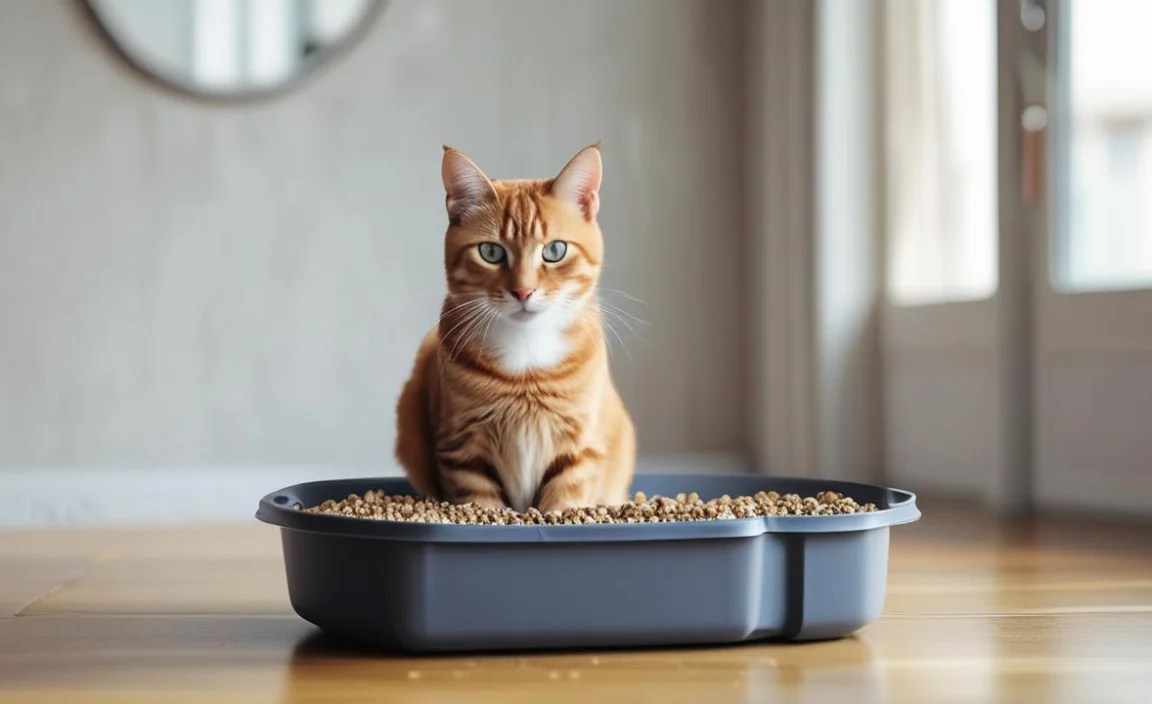
Once you’ve scooped, it’s time to seal it up tight.
Seal the Bag: Twist the neck of the disposal bag, tie it securely, and then twist it again and secure with a knot or a twist tie. Ensure there are no gaps where odors can escape.
Double Bag (Optional but Recommended): Place the first sealed bag into a second disposal bag and seal that one as well.
Use Your Airtight Container: Place the double-bagged waste into your dedicated airtight container or a heavy-duty ziplock bag. This is your primary defense against lingering smells in your vehicle.
Step 4: Strategic Disposal Planning
This is where thoughtful planning makes all the difference. You can’t always find a trash can immediately when you need one.
Designated Stops: Plan your driving route with potential disposal stops in mind. Look for rest stops, gas stations with public restrooms, or even campgrounds.
National Parks and Public Lands: Be aware that rules vary greatly. Some parks prohibit leaving pet waste, while others provide specific disposal areas. Always check the park’s pet policy beforehand. The National Park Service offers general guidelines for pets in parks, which often includes responsible waste management.
Hotel Stays: If you’re staying in pet-friendly accommodations, check their policy on pet waste. Most will have trash receptacles available, but it’s best to confirm.
Home Disposal: If all else fails, keep the contained waste securely sealed in your vehicle and dispose of it in your own trash bin upon returning home. Ensure the container is truly airtight to prevent odors from permeating your car.
Step 5: Cleaning and Maintenance
After scooping and disposal, a little clean-up goes a long way.
Wipe Down: Use wet wipes or paper towels to clean any litter that may have scattered around the box.
Sanitize: If you’re using a reusable travel box, wipe it down with pet-safe disinfectant wipes or a diluted bleach solution (rinse thoroughly and dry completely) periodically, especially on longer trips.
Air Out: If possible, open a window briefly when you stop to air out the vehicle.
Types of Travel Litter Boxes and Disposal Benefits

Choosing the right travel litter box can significantly impact how easy cat litter disposal for travel becomes. Here’s a look at some common types and their disposal advantages:
| Litter Box Type | Material | Portability | Ease of Disposal | Best For |
| Collapsible/Pop-Up | Fabric/Nylon | High | Easy to fold and store after waste removal. Can sometimes be wiped clean. Disposal bags are still essential for waste containment. | Short trips, car camping, owners prioritizing minimal space when not in use. |
| Enclosed Travel Box | Plastic/Sturdy | Medium | Often have a lid or cover that can help contain litter. Easy to scoop from. Some models include a built-in scoop. | Cats who prefer privacy, owners seeking a more structured litter box solution. |
| Disposable Box | Cardboard/Paper| High | Entire box can be sealed in a bag and discarded. Reduces cleaning needs but increases waste. | Short trips, emergencies, or when extreme convenience is desired. |
| Standard Litter Pan | Plastic | Low | Not ideal for travel but can be used with liners. Disposal is similar to home, but containment and odor management are key. | Cats very particular about their box; longer stays where a box can be set up. |
The main benefit across all types for travel disposal is effective containment. Whether it’s a disposable box you toss, or a sturdy plastic one you clean, the goal is to isolate the soiled litter and odors from your living space. For example, a well-designed collapsible box can be easily emptied into a bag, and then folded flat, making storage simple.
Odor Control: Keeping Your Travel Space Fresh

Odor control is paramount when dealing with cat litter disposal for travel. The last thing you want is a strong ammonia smell permeating your car or hotel room.
Activated Charcoal Filters: Some travel litter boxes come with or can accommodate small activated charcoal filters. These are excellent at absorbing odors.
Baking Soda: A sprinkle of baking soda in the clean litter can help neutralize odors. When scooping, you’re removing the odor source, but baking soda provides a baseline freshness.
Scented vs. Unscented: Most experts, including myself, recommend unscented litter and disposal bags. Strong artificial scents can be overwhelming for cats and even some humans. Odor control should come from effective containment, not masking agents.
Frequent Bag Changes: Don’t let soiled waste bags linger in your travel container longer than necessary. If you have an opportunity to dispose of them at a rest stop or gas station, take it!
Ventilation: When safe to do so, open windows or run the car’s ventilation system to help circulate air.
Environmental Considerations for Cat Litter Disposal

Being a responsible pet owner extends to minimizing your environmental impact, even when traveling.
Biodegradable Bags: Choose biodegradable waste bags when possible. While they break down faster than traditional plastic, they still need to be disposed of properly in a landfill or designated waste facility.
Litter Type: Consider the type of litter you use. Some litters, like corn or wheat-based ones, are compostable under specific conditions or more biodegradable than clay-based litters. However, “flushable” litters can cause major plumbing issues and are generally not recommended unless explicitly stated as safe for your specific septic system or municipal sewer.
Leave No Trace: When camping or hiking, the principle of “Leave No Trace” applies to pet waste as well. Pack out everything you pack in, just as you would with human waste. This means carrying sealed waste bags until you can dispose of them in an appropriate trash receptacle. The Leave No Trace Center for Outdoor Ethics provides essential guidance for enjoying the outdoors responsibly.
What to Do in Specific Travel Scenarios

Your cat litter disposal strategy might need slight adjustments based on your mode of travel.
Car Travel
This is arguably the most common scenario.
Frequent Stops: Plan for breaks every few hours to allow your cat a chance to use their litter box and for you to scoop and dispose. A portable, accessible litter box in the car is key.
Odor Containment: Use your best odor-controlling bags and containers. If you don’t have an immediate trash bin, your sealed container in the car is your best bet.
Cleanliness in the Car: Keep wipes handy for any litter tracked out of the box.
Staying in Pet-Friendly Hotels or Rentals

When you reach your destination and are staying overnight:
Designated Area: Set up your travel litter box in a quiet, out-of-the-way corner of your room.
Daily Disposal: Most hotels have trash bins in the room or common areas. Dispose of your sealed waste bags daily to prevent odors. If the hotel has a strict “no pet waste in rooms” policy, be sure to carry sealed bags with you to dispose of outside.
Hygiene: Wipe down the litter box and surrounding area regularly.
Camping or RV Travel

This often means being more self-sufficient.
Secure Storage: You’ll likely be carrying waste for longer periods. Extra-secure, double-bagging and airtight containers are essential.
Designated “Waste Bin”: Have a small, sealable bin specifically for used litter bags that stays outside your immediate living space if possible.
Check Regulations: Be aware of local regulations regarding pet waste disposal, especially in campgrounds or natural areas.
Can I Flush Cat Litter When Traveling?

No, you generally should not flush cat litter when traveling. While some litter types are marketed as “flushable,” this can be problematic for several reasons:
Plumbing Systems: Most RVs, older hotel plumbing, and even some municipal sewer systems are not designed to handle the volume and composition of cat litter. It can lead to clogs and expensive repairs.
Water Contamination: Cat feces can contain Toxoplasma gondii, a parasite that is not always effectively removed by standard wastewater treatment plants. Flushing can introduce this parasite into waterways, posing a risk to aquatic ecosystems and potentially human health if water sources are contaminated. The Centers for Disease Control and Prevention (CDC) highlights the prevalence and risks associated with Toxoplasma.
Damage to Septic Systems: If you’re using a septic system, flushing cat litter can quickly overwhelm and damage it.
The safest and most responsible approach is to always bag and dispose of cat litter waste in appropriate trash receptacles.
Frequently Asked Questions About Travel Litter Disposal
Here are some common questions new and experienced pet parents have about managing cat litter on the road.
Q1: How often should I scoop the litter box when traveling?

You should scoop your cat’s travel litter box at least once or twice a day, similar to how you would at home. Monitor your cat’s habits; if they use the box, scoop it a reasonable time afterward to maintain cleanliness and comfort.
Q2: What’s the best way to prevent odors in my car?

The best method is superior containment. Use heavy-duty, leak-proof disposal bags, double-bag the soiled litter, and store it in an airtight container. Activated charcoal filters in the litter box or container can also help. Frequent disposal opportunities are also key.
Q3: Can I use a regular household litter box for travel?

While you can, it’s not ideal for portability. A standard litter box is bulky and harder to manage. Specialized travel litter boxes are lighter, more compact, and often easier to travel with and clean.
Q4: What if I can’t find a trash can when needed?

Keep your sealed waste bags in your dedicated airtight container. This container is designed to hold odors and waste safely until you can find an appropriate trash bin, whether that’s at your next rest stop, your hotel, or your own home.
Q5: Is it okay to leave a travel litter box in the car overnight?

It’s best to bring the travel litter box inside with you if possible, especially if it contains waste. This prevents potential odors from permeating the car and also protects the litter box from extreme temperatures or curious wildlife if you’re camping.
Q6: How much litter should I bring for a trip?

Bring enough of your cat’s usual litter for the duration of your trip, plus a little extra. For shorter trips, a small Ziploc bag with a few days’ supply might suffice. For longer journeys, you might need to purchase more along the way. Aim for about 1-2 inches of litter in the travel box.
Q7: Are there any eco-friendly cat litter disposal options for travel?

Yes, you can opt for biodegradable waste bags and consider compostable or natural litters (like corn, wheat, or wood-based) if they suit your cat. However, always dispose of these in appropriate trash receptacles as specified by local regulations and to avoid environmental contamination.
Conclusion: Travel with Confidence
Traveling with your cat can be a wonderful experience, and managing their litter box is a manageable part of that adventure. By investing in a good travel litter system, packing the right supplies, and sticking to a consistent routine for scooping and disposal, you can ensure a clean, odor-free journey for everyone. Remember, a happy cat is often a clean-cat, and proper litter management is a significant part of their comfort and well-being while on the move. With these tips, you’re well-equipped to handle cat litter disposal for travel, allowing you to focus on making lasting memories with your feline companion. Happy travels!