
For busy cat parents, a cat litter disposal system with wheels offers an easy way to manage, transport, and dispose of soiled litter, making clean-up quick, hygienic, and less of a chore.
Dealing with used cat litter can be one of the less glamorous parts of pet ownership. Nobody enjoys lugging heavy bags of litter from the box to the trash, especially if the journey involves stairs or a long walk. It can feel messy, smelly, and downright inconvenient. But what if there was a simpler way? Imagine a solution that glides effortlessly, keeping odors contained and making disposal a breeze. You’re about to discover how a cat litter disposal system with wheels can transform your cleaning routine, making it easier and more pleasant for both you and your feline friend.
This guide will walk you through everything you need to know about these convenient tools. We’ll explore their benefits, how they work, and what to look for when choosing the right one. Get ready to say goodbye to the hassle and hello to a cleaner, more manageable litter box experience!
Why Cat Litter Disposal Systems with Wheels Are a Game-Changer

As cat parents, we all want to keep our homes clean and odor-free. However, the reality of daily scooping and the weekly task of disposing of soiled litter can be a significant undertaking. Traditional methods often involve stuffing bags, tying them tightly, and carrying them to an outdoor bin, which can be an unpleasant trip, especially with heavy loads.
This is where a cat litter disposal system with wheels shines. These innovative solutions are designed to simplify the entire process. Think of them as a streamlined bin specifically built for used cat litter. The integrated wheels are key, transforming a potentially burdensome task into a smooth, easy movement. No more struggling with heavy, awkward bags or containers. This simple feature makes a huge difference, especially for individuals with mobility challenges, those living in apartments, or anyone who simply wants to make this chore less physically demanding.
Beyond the ease of transport, many of these systems are engineered for superior odor control. They often feature airtight lids and specialized bag systems designed to trap unpleasant smells, keeping your home smelling fresher for longer. This is a significant benefit for any pet owner, contributing to a more pleasant living environment.
Understanding the Mechanics: How They Work
At their core, cat litter disposal systems with wheels are designed to be a central hub for collected waste. They typically consist of a main bin, often made of durable plastic, equipped with wheels for easy maneuverability. The magic lies in their design, which focuses on containment and convenience.
Here’s a breakdown of how most systems operate:
- Collection Mechanism: You scoop the soiled litter from your cat’s litter box. Instead of immediately bagging it or placing it in a regular trash can, you deposit it into the disposal unit. Some units have a wide opening, while others have a more specialized chute or lid system.
- Odor Containment: This is a crucial feature. Most disposal systems employ a locking lid or a multi-layer bag system to seal in odors. When you close the lid, it creates a barrier, preventing smells from escaping. The bags used are often thicker and designed to be odor-resistant. For example, Litter Genie products often use a continuous liner system that allows you to create a sealed bag for each disposal.
- Wheeled Transport: When it’s time to empty the entire unit, the wheels come into play. Instead of lifting a heavy bin or struggling with multiple garbage bags, you simply tilt and roll the disposal unit to your main trash receptacle, whether it’s inside your home or outside.
- Disposal Process: Once at your designated trash area, you open the disposal unit’s lid to either remove a pre-sealed bag or trigger a release mechanism that seals the waste off. This final step ensures that even when emptying the main unit, odors are minimized.
The simplicity of this process is what makes these systems so effective. They streamline the workflow of litter box maintenance, turning a dreaded task into a manageable one. You’re not just buying a bin; you’re investing in a more convenient and hygienic approach to managing your cat’s waste. The engineering behind these products focuses on reducing touchpoints with the waste and maximizing odor control, which are two of the biggest concerns for cat owners.
Key Features to Look for in a Wheeled Litter Disposal System

When scouting for the perfect wheeled litter disposal system, several features can elevate its performance and your overall satisfaction. It’s not just about the wheels; it’s about how the entire system contributes to a cleaner, more pleasant home environment.
Capacity and Size
Consider how often you want to empty the unit and the number of cats you have. Systems come in various sizes, from compact models suitable for a single cat to larger ones designed for multi-cat households. A larger capacity means fewer trips to the trash, which is a significant convenience.
Odor Control Technology
This is paramount. Look for features like:
- Airtight seals: A well-fitting lid that creates a strong seal is essential.
- Multi-layer bags: Many systems use specialized, multi-layered bags that effectively lock in odors. These are often more robust than standard plastic bags.
- Carbon filters: Some units incorporate activated carbon filters in the lid to further absorb odors.
Ease of Use
How simple is it to scoop litter into the unit? How easy is it to seal and dispose of the waste? Look for intuitive designs, one-handed operation if possible, and a straightforward bag replacement process. The wheeled feature should also be sturdy and easy to operate, allowing for smooth navigation across different floor types.
Durability and Material
The unit will be in constant use, so it needs to be built to last. High-quality, durable plastic is common and generally easy to clean. Check reviews for comments on the sturdiness of the wheels and the overall construction. A system that is easy to wipe down and sanitize will also be a great asset.
Bag System Efficiency
Understand how the bag system works. Some use proprietary refills, while others might allow for standard garbage bags. Proprietary systems can be more effective at odor control but might be more expensive in the long run. Evaluate the cost and availability of replacement bags.
Here’s a quick comparison of some common features that might be found in these systems:
| Feature | Benefit | Consideration |
|---|---|---|
| Integrated Wheels | Easy transport of heavy waste, reduces strain | Ensure wheels are sturdy and glide smoothly |
| Airtight Lid / Seal | Maximizes odor containment | Check for a secure locking mechanism |
| Multi-Layer Odor-Barrier Bags | Traps unpleasant smells effectively | Note cost and availability of refills |
| Large Capacity Bin | Less frequent emptying, greater convenience | Assess space for the unit and frequency of disposal |
| Easy Scoop/Deposit Port | Streamlines the scooping process | Ensure opening is wide enough for your scoop |
| Durable Plastic Construction | Long-lasting, easy to clean and sanitize | Look for BPA-free materials if desired |
Taking the time to consider these features will help you select a disposal system that truly meets your needs and makes managing your cat’s litter box a much simpler task.
Top Cat Litter Disposal Systems with Wheels: A Closer Look

Several excellent options are available on the market, each with its unique strengths. Understanding these can help you narrow down your choices. While specific models can change, the core functionalities remain similar.
Litter Genie Products
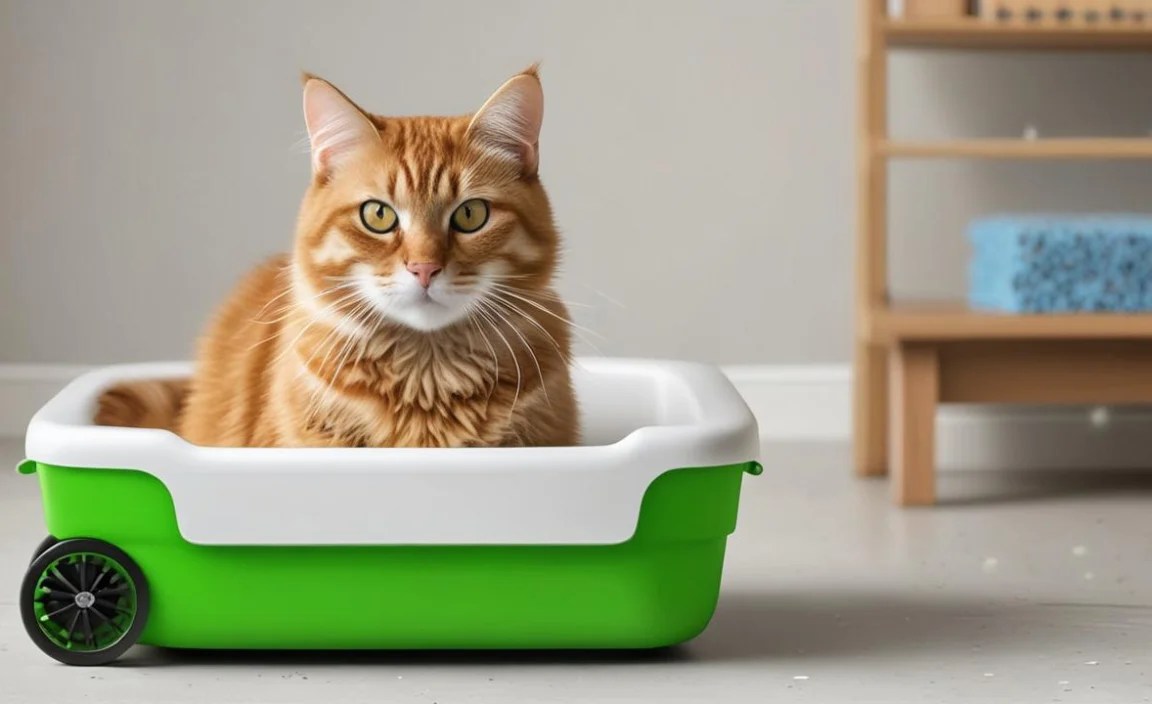
The Litter Genie is a popular choice, and many of their models come without wheels initially, but they offer accessories or specific designs that incorporate them, or are designed to be lightweight enough to manage easily even without large wheels. The core appeal is their patented continuous-refill bag system. You scoop waste into the top, and with a pull of a lever, it drops into a secreted, odor-trapping bag. Newer, more advanced models might integrate wheels for easier transport to the main trash. Their multi-layer bags are highly effective at locking away smells.
Petique’s Litter Box System
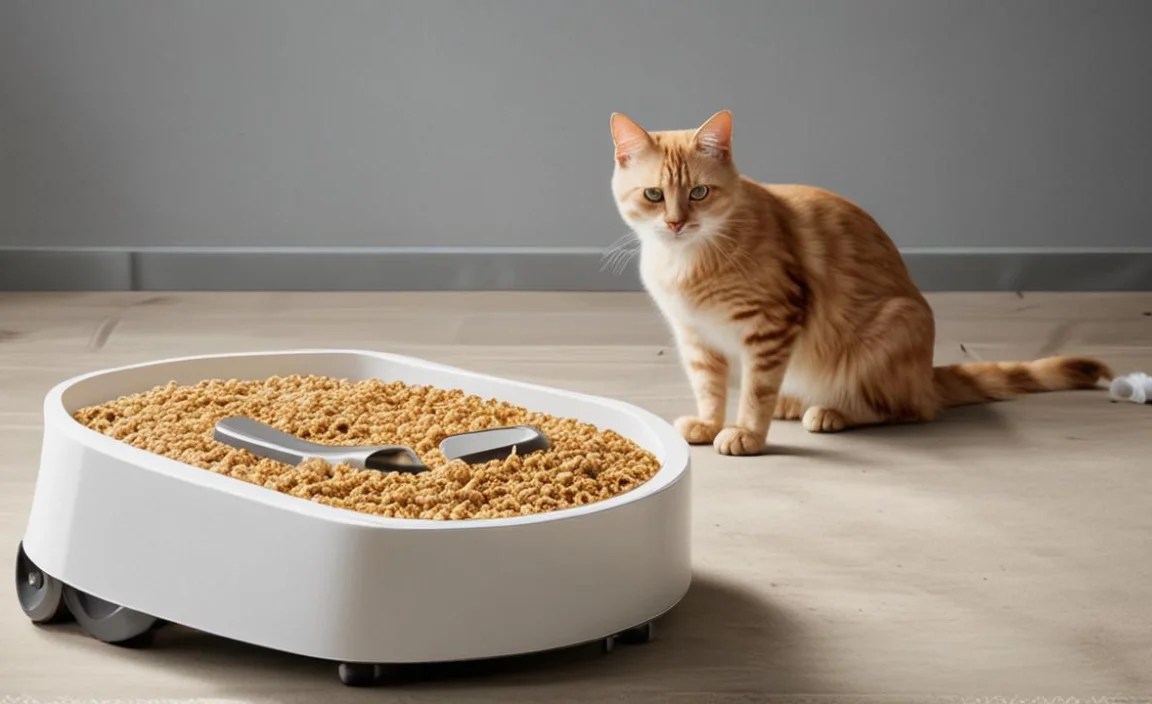
Petique offers a more all-in-one solution that sometimes incorporates wheels. Some of their litter box designs are essentially self-contained disposal units. While not solely a “disposal system” in the same vein as a Litter Genie, they function similarly by containing waste and making it easy to transport and remove. These systems often prioritize aesthetics and innovative features, but the wheeled aspect is key for moving the larger unit.
Ubora Litter Box
Ubora has introduced a self-cleaning litter box that often includes a wheeled base, making it incredibly convenient to move the entire unit for cleaning or placement. These are high-tech solutions that automate much of the scooping process. The wheels are essential for managing the weight and size of a fully enclosed, automated litter box. It’s a significant investment, but it dramatically reduces the daily chore.
DIY Solutions and Modifications
While not a specific product, some handy pet owners adapt existing wheeled trash cans or storage bins. By ensuring a tight-fitting lid and using sturdy, odor-trapping bags, you can create a functional, albeit less sophisticated, wheeled disposal system. This approach requires careful consideration of sealing and bag integrity. For the average user, pre-made systems offer tested and reliable odor control.
When looking at these options, remember that specific features, especially the presence and type of wheels, can vary between product generations and specific models. Always check the product description carefully. The key is to find a system that aligns with your budget, your home’s needs, and your personal preferences for managing cat waste.
Step-by-Step Guide: Using Your Wheeled Litter Disposal System
Implementing your new wheeled cat litter disposal system is straightforward. Once you get the hang of it, it becomes a seamless part of your daily routine. Here’s a simple guide to get you started:
Step 1: Setup and Initial Bagging
- Unpack your new disposal system.
- Follow the manufacturer’s instructions to install the first odor-barrier bag or refill cartridge. This usually involves threading the continuous liner through a mechanism or placing a pre-cut bag into the bin.
- Ensure the lid seals properly.
Step 2: Daily Scooping & Disposal
- Scoop your cat’s litter box as usual.
- Open the lid of your wheeled disposal unit.
- Deposit the scooped waste directly into the unit.
- Close the lid securely to trap odors. For systems like Litter Genie, you might need to operate a lever or crank to move the waste down and seal the current bag section.
Step 3: Transporting the Unit (When Needed)
- When the unit begins to fill up or when you notice odors are becoming harder to contain (indicating it’s time to seal a bag and remove it), you’ll move it to your main garbage bin.
- Gently tilt the unit and use the wheels to roll it smoothly across the floor. Navigate any thresholds or obstacles carefully.
- If you have stairs, you may need to carry the unit. This is where the wheeled design still offers an advantage, as it’s typically more manageable than trying to carry multiple full litter bags.
Step 4: Emptying the Unit
- Once at your designated trash disposal area (e.g., kitchen trash can, outdoor dumpster), open the unit’s disposal mechanism.
- If using a continuous bag system, you’ll typically pull a section of the bagged waste and then use a built-in cutter to seal it off. Some systems might have a separate clamp or require a twist-tie.
- Discard the sealed bag of waste into your main trash.
- If your system uses pre-made bags, simply remove the sealed bag and place it in the trash.
Step 5: Preparing for Next Use
- Close the disposal unit’s lid securely.
- If you removed a bag and the unit is now empty, follow the instructions to advance the next section of the continuous liner or insert a new bag.
- Wipe down the exterior of the unit occasionally with a damp cloth and pet-safe cleaner to keep it fresh.
Pro-Tip: To maximize odor control, try to deposit waste into the disposal unit as soon as possible after scooping. This limits the time unpleasant smells have to linger in your scooping pail or even in the air.
Benefits of Wheel-Based Litter Disposal

The inclusion of wheels is more than just a convenience; it’s a thoughtful design feature that significantly enhances the user experience. Let’s break down the key advantages:
Reduced Physical Strain
This is arguably the biggest benefit. Anyone who has struggled to carry a heavy litter bag down a flight of stairs or across a large yard will appreciate this. The wheels allow you to glide the unit, minimizing the need to lift and carry heavy waste. This is particularly beneficial for individuals with back problems, arthritis, or other mobility issues, as well as for busy parents juggling multiple tasks.
Enhanced Odor Containment During Transport
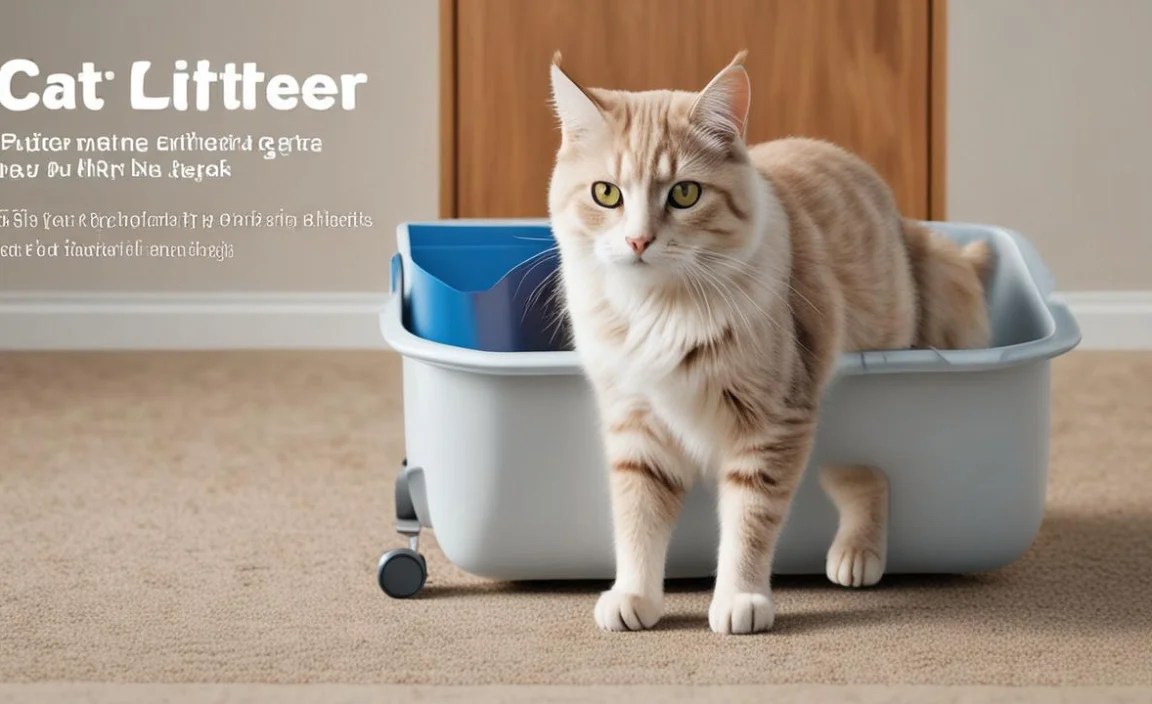
Even the best-sealed bags can sometimes emit odors during transport, especially if jostled. When you roll a wheeled disposal unit, the contents remain more stable, and the sealed system usually ensures odors are locked inside. This makes the journey from litter box to trash much more pleasant for everyone in the household.
Improved Hygiene
By minimizing direct handling of soiled bags and reducing the chances of spills or leaks during transport, wheeled systems contribute to a more hygienic cleaning process. You have fewer opportunities for contact with waste, which is always a plus for you and for maintaining a clean home environment.
Smoother Workflow
The entire process becomes more fluid. Scooping, depositing, and then easily rolling the unit to the trash creates a streamlined workflow. It reduces the number of steps and the effort involved, making litter box maintenance feel less like a daunting chore and more like a quick, manageable task.
Better for Multi-Cat Households
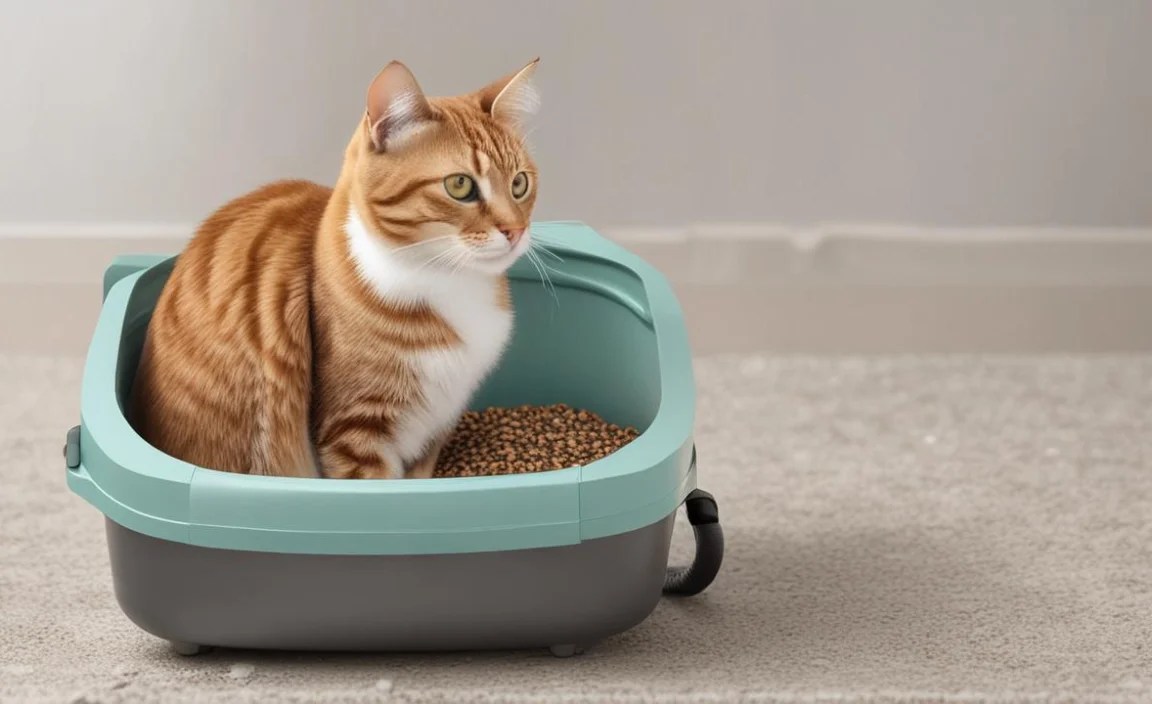
In homes with multiple cats, the volume of waste generated is significantly higher. This means heavier bags and more frequent disposal runs. A wheeled system is almost essential in these situations to manage the increased load without compromising ease and hygiene.
Potential for Larger Capacity
To leverage the benefit of wheels, many of these disposal units are designed with larger capacities than standard countertop odor-control bins. This translates to fewer trips to empty the system, saving you time and effort over the week.
Potential Downsides and How to Mitigate Them
While a cat litter disposal system with wheels offers remarkable benefits, it’s wise to be aware of potential drawbacks. Understanding these can help you make informed choices and ensure you get the most out of your investment.
Initial Cost
These specialized systems can be more expensive upfront than a simple trash can.
Mitigation: Consider the long-term value. The convenience, improved odor control, and reduced need for multiple small bags can justify the initial cost over time. Look for sales or consider a slightly simpler model if budget is a primary concern.
Proprietary Bag Refills
Many effective systems rely on specific, multi-layer bags that are only available from the manufacturer. These can be pricier than standard kitchen trash bags.
Mitigation: Factor the ongoing cost of refills into your budget. Compare prices from different retailers. Some users find that the superior odor control and convenience of these specialized bags are worth the extra expense.
Aggravation of Wheels or Mechanism

Like any mechanical device, the wheels or the sealing mechanism could potentially jam, break, or become clogged with litter over time.
Mitigation: Choose reputable brands known for quality construction. Clean the wheels and any moving parts periodically according to manufacturer instructions. Avoid overfilling the unit, which can strain the mechanism.
Space Requirements
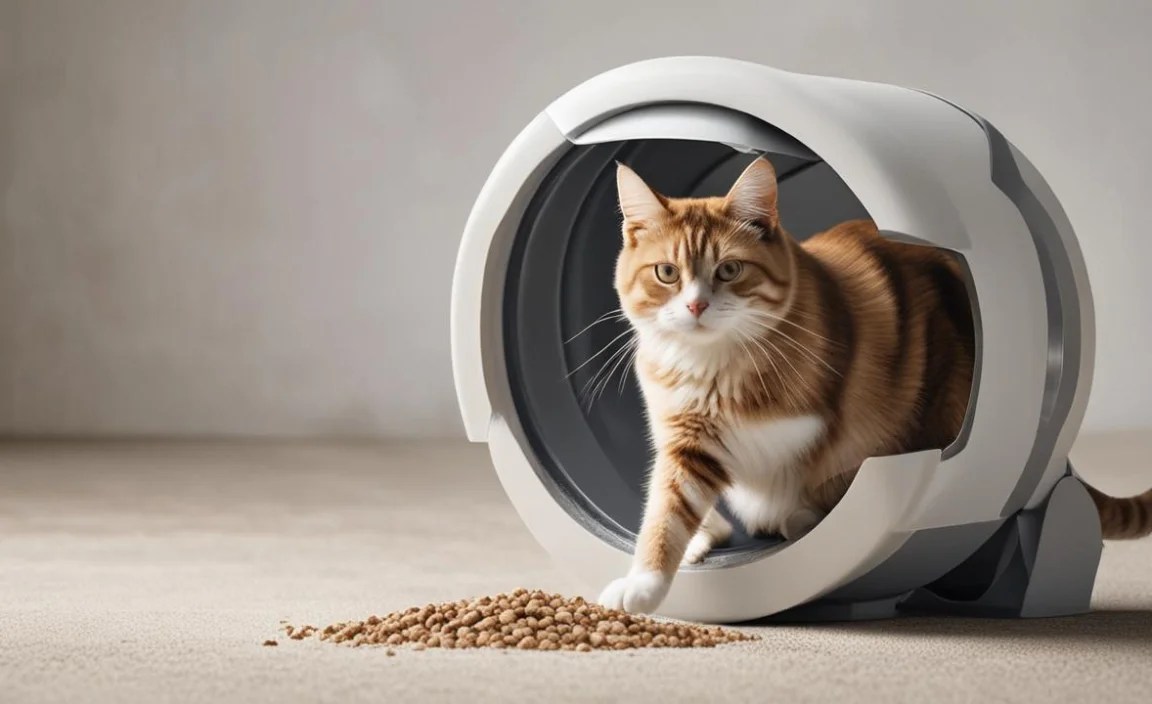
Some larger capacity wheeled units can take up more floor space than a standard bucket.
Mitigation: Measure your intended storage or placement area before purchasing. Factor in the space needed to maneuver the unit when it’s full and needs to be rolled to the trash.
Odor Breakthroughs (Rare)
While designed for odor control, no system is 100% foolproof, especially if not used correctly or if the bags are damaged. Extreme odors from a cat with digestive issues might still be noticeable.
Mitigation: Ensure the lid is always closed tightly. Use the recommended number of bags or liners. Consider using baking soda or odor-absorbing crystals in the bottom of the bin when you first set it up. Regular cleaning of the unit itself is also key.
Learning Curve
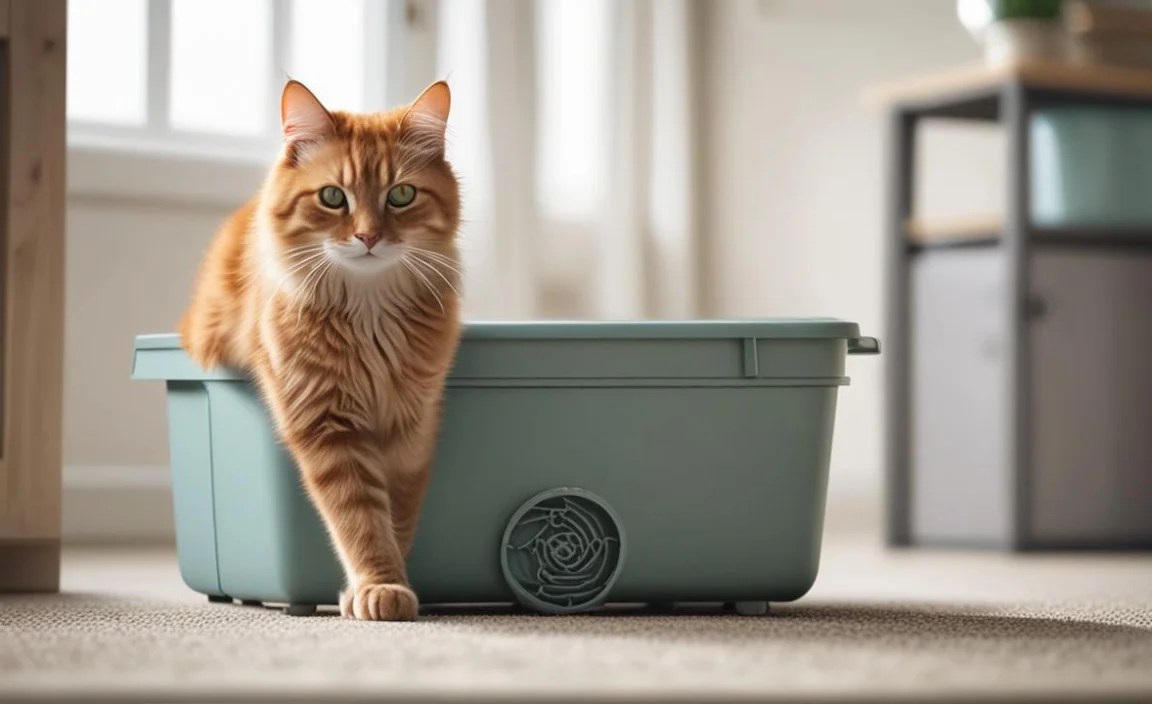
While generally easy to use, there might be a slight learning curve with how to operate the specific sealing mechanism or replace the bags.
Mitigation: Take a few minutes to read the manual and familiarize yourself with the system when you first get it. Experiment with the process before you are in a rush to dispose of the litter.
By being aware of these potential issues and having strategies to address them.