
Cat obesity help holistic: Proven essential tips for a healthier feline involve mindful feeding, increased activity, and vet-approved dietary adjustments. Embrace natural solutions for a happier, slimmer cat.
It happens to many cat parents. Your beloved feline friend is a little… rounder than they used to be. Cat obesity isn’t just about looks; it can lead to serious health problems like diabetes, arthritis, and heart disease. But don’t worry! You can help your furry companion get back to a healthy weight. This guide offers easy, holistic ways to manage your cat’s weight, making the journey smoother for both of you. We’ll explore simple changes you can make starting today.
What is Cat Obesity and Why is it a Problem?

Cat obesity is when a cat carries excess body fat, generally defined as being more than 10-20% over their ideal body weight. This excess padding isn’t just extra fluff; it’s a significant health risk. Overweight cats are more prone to a host of medical issues that can shorten their lifespan and reduce their quality of life.
Think of it like this: extra weight puts strain on every system in a cat’s body. Their joints have to work harder, their heart has to pump more, and their metabolism can become disrupted. This can lead to painful conditions and a reduced ability to enjoy life, like playing or grooming properly. It’s a serious concern, which is why addressing it with a holistic approach is so important.
Holistic Cat Obesity Help: Essential Tips

Holistic cat obesity help focuses on treating the whole cat – mind, body, and environment – rather than just a single symptom. It’s about creating a sustainable lifestyle that promotes well-being and healthy weight management. This means looking at diet, exercise, stress, and overall health with a natural, integrated approach.
1. Nutrition is Key: Feeding for Weight Loss

Diet is arguably the most crucial factor in managing your cat’s weight. Holistic nutrition for cats emphasizes whole, high-quality ingredients and appropriate portion control. It’s about feeding a diet that mimics what a cat would naturally eat in the wild – primarily protein. This approach helps them feel fuller, supports muscle mass, and aids in efficient metabolism.
Understanding Cat Dietary Needs
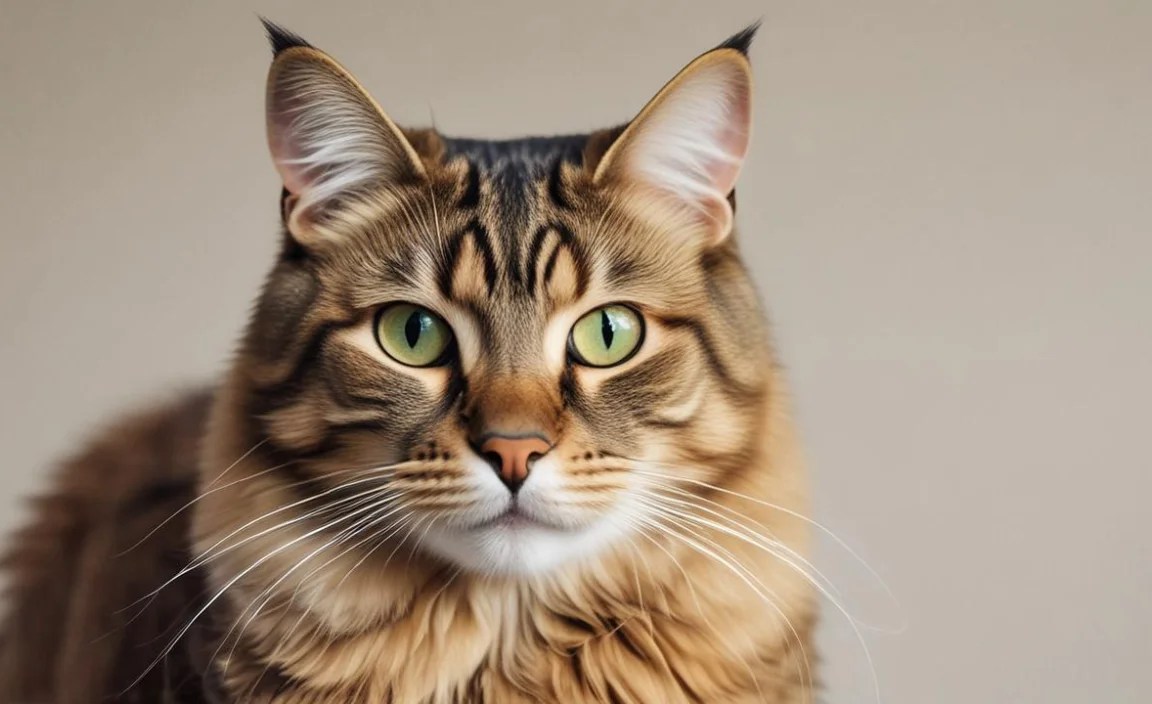
Cats are obligate carnivores, meaning their bodies are designed to thrive on a diet rich in animal protein. Unlike dogs or humans, they have specific nutritional requirements that must be met by animal-based foods. A diet too high in carbohydrates, common in many commercial cat foods, can contribute to weight gain and other health issues.
Key nutritional considerations for weight management include:
- High Protein Content: Protein helps cats feel satiated and supports lean muscle mass, which burns more calories.
- Moderate Fat Content: Healthy fats are essential for energy and nutrient absorption, but excessive amounts can lead to weight gain.
- Low Carbohydrate Content: Cats have a limited ability to digest and utilize carbohydrates, making high-carb foods a common culprit in obesity.
- Adequate Fiber: Fiber can help with satiety and digestive health, supporting a feeling of fullness.
Making the Switch to a Healthier Diet

Transitioning your cat to a new food should be done gradually to avoid digestive upset. A common method is to slowly mix the new food with the old food over a week to 10 days.
Gradual Food Transition (Example):
- Days 1-3: 25% new food, 75% old food
- Days 4-6: 50% new food, 50% old food
- Days 7-9: 75% new food, 25% old food
- Day 10 onwards: 100% new food
Feeding Strategies for Weight Loss

Beyond the type of food, how and when you feed your cat also matters.
- Portion Control is Crucial: Measure your cat’s food accurately. Using a kitchen scale for kibble or a measuring cup for wet food ensures you’re giving the right amount. Your veterinarian can help you determine the ideal daily calorie intake for your cat based on their current weight, target weight, age, and activity level. The World Small Animal Veterinary Association (WSAVA) Global Nutrition Guidelines offer excellent insights into pet nutrition.
- Scheduled Meals: Instead of free-feeding (leaving food down all the time), feed your cat 2-3 measured meals per day. This helps regulate their appetite and monitor their intake.
- Avoid Table Scraps and High-Calorie Treats: Human food is often too rich, fatty, or seasoned for cats and can quickly add unwanted calories. Treats should be given sparingly and be low-calorie.
- Consider Wet Food: Wet food generally has a higher protein and moisture content and fewer carbohydrates than dry kibble, making it a great option for weight management. The added moisture also supports kidney health.
- Puzzle Feeders: These innovative toys dispense food as your cat interacts with them. They slow down eating, mimic natural hunting behaviors, and provide mental stimulation while burning a few extra calories.
2. Hydration and Its Role in Weight Management

While not directly about calories, proper hydration plays a vital role in a cat’s overall health, metabolism, and can even influence hunger cues. Cats are desert animals by nature and often have a low thirst drive, preferring to get most of their water from their food. This is why increasing water intake is important, especially if you’re transitioning to a drier diet or if your cat is prone to urinary issues.
Encouraging Water Intake
- Fresh Water Sources: Ensure your cat always has access to fresh, clean water. Change the water daily.
- Multiple Water Bowls: Place water bowls in various locations around your home, away from their food and litter box, as some cats prefer this separation.
- Water Fountains: Many cats are attracted to moving water. A pet water fountain can encourage them to drink more frequently. Look for fountains made from safe, easy-to-clean materials like ceramic or stainless steel.
- Adding Moisture to Food: If feeding kibble, you can add a tablespoon or two of water to it. For wet food, ensure it’s not completely drained before serving.
3. Increasing Physical Activity and Playtime
Just like in humans, burning calories through exercise is crucial for weight loss and maintaining a healthy physique. For cats, this means incorporating more active play into their daily routine. This not only helps them shed pounds but also enriches their lives, reduces boredom, and prevents behavioral issues.
Types of Play That Engage Cats

Cats have natural hunting instincts. Tapping into these instincts through play is the most effective way to get them moving.
- Interactive Toys: Wand toys with feathers, strings, or crinkle balls are excellent for simulating prey. Drag them along the floor, behind furniture, or in short bursts to encourage chasing and pouncing. Aim for 2-3 short play sessions daily, each lasting 5-10 minutes.
- Laser Pointers (with caution): While cats love chasing laser dots, it can be frustrating as they can never “catch” their prey. End laser pointer sessions by directing the dot onto a physical toy or treat your cat can catch.
- Hunting Games: Hide treats or kibble around the house for your cat to find. This encourages exploration and mental stimulation as well as physical activity.
- Vertical Space: Cats love to climb and explore. Ensure your cat has access to cat trees, shelves, or window perches where they can survey their territory and get some exercise.
Making Playtime a Habit
Consistency is key. Even if your cat is older or seems uninterested at first, gentle encouragement can go a long way. Try different types of toys and play styles to find what motivates your individual cat. Play is most effective when it mimics prey behavior: stalk, chase, pounce, and “kill.”
4. Managing Stress and Environmental Enrichment

A cat’s emotional and mental state can significantly impact their physical health, including their weight. Stress can lead to changes in appetite and behavior. Holistic care considers the cat’s environment and emotional well-being.
Creating a Calm and Stimulating Environment
- Safe Spaces: Ensure your cat has quiet, safe places to retreat to, like a cozy bed, a high perch, or a covered carrier.
- Scratching Posts: Provide sturdy scratching posts made of sisal rope or cardboard to satisfy their natural scratching urges.
- Window Views: Cat-friendly window perches allow them to observe the outside world, keeping them mentally engaged.
- Routine: Cats thrive on routine. Consistent feeding times, play sessions, and grooming can reduce anxiety.
- Calming Aids: In some cases, natural calming aids like Feliway diffusers (which release synthetic feline facial pheromones) can help reduce stress and anxiety. Consult with your vet before introducing any supplements or aids.
5. The Role of Veterinary Guidance

While you are your cat’s primary caregiver, your veterinarian is an indispensable partner in their health journey. They can provide accurate diagnoses, create personalized weight loss plans, and rule out underlying medical conditions that might be contributing to weight gain.
What Your Vet Can Do
- Weight Assessment: Your vet will perform a thorough physical examination, assess your cat’s body condition score (BCS), and determine their ideal target weight.
- Rule Out Medical Conditions: Certain conditions, like hypothyroidism (though rare in cats) or Cushing’s disease, can affect weight. Your vet can perform tests to rule these out.
- Personalized Diet Plan: Based on your cat’s specific needs, your vet can recommend prescription weight loss diets or guide you on choosing the best commercial foods. They can also calculate precise calorie recommendations.
- Monitoring Progress: Regular weigh-ins at the veterinary clinic help track progress and make necessary adjustments to the diet or exercise plan.
- Behavioral Consultation: If stress or other behavioral issues are impacting weight, your vet can offer advice or refer you to a veterinary behaviorist.
It’s crucial to involve your veterinarian early in the process. They are the best resource for ensuring your cat’s weight loss is safe and effective. Never put your cat on a strict diet or rigorous exercise plan without their professional guidance.
6. Gentle Supplements and Natural Aids (with Vet Approval)

Some natural supplements can support a cat’s metabolism and overall health during a weight loss journey. However, it’s essential to discuss any supplements with your veterinarian before introducing them. What works for one cat may not be suitable for another, and some supplements can interact with medications or exacerbate existing health conditions.
Potential Natural Support Options
When used appropriately and under veterinary supervision, some natural ingredients might offer support:
- Probiotics: These beneficial bacteria can support gut health, which is linked to nutrient absorption and overall metabolism. A healthy gut can contribute to better nutrient utilization.
- Omega-3 Fatty Acids: Found in fish oil, these can help support joint health, which is particularly important for overweight cats experiencing arthritis. They also have anti-inflammatory properties.
- Fiber Supplements: Certain types of fiber, like psyllium husk, can contribute to satiety and improve digestive regularity.
- Specific Herbal Blends: Some veterinarians may recommend specific, veterinarian–formulated herbal blends designed for metabolic support or appetite regulation. These are often very specialized.
Important Note: Always prioritize a balanced diet and adequate exercise. Supplements are meant to complement, not replace, these fundamental pillars of health.
Common Pitfalls to Avoid
While embarking on a weight loss journey for your cat, be aware of potential mistakes that could hinder progress or even harm your pet.
| Pitfall | Why It’s a Problem | Holistic Solution |
|---|---|---|
| Sudden Diet Change | Can cause digestive upset (vomiting, diarrhea) and stress. | Transition food gradually over 7-10 days. |
| Overfeeding “Healthy” Treats | Even healthy treats add calories. Over-reliance on them can sabotage weight loss. | Use treats sparingly, in very small quantities, or opt for interactive play as rewards. Measure all food and treats. |
| Underestimating Portion Sizes | “A little extra” can quickly add up to significant excess calories. | Use a kitchen scale or accurate measuring cup for every meal. Consult vet for precise calorie needs. |
| Abandoning Exercise | Cats can get bored or lazy. Lack of consistent play means burned calories are low. | Schedule dedicated, short play sessions daily. Try different toys to keep it engaging. |
| Ignoring Underlying Health Issues | Weight gain might be a symptom of another medical problem. | Work closely with your veterinarian for a full health workup and diagnosis. |
| Unrealistic Expectations | Weight loss takes time. Pushing too fast can be dangerous. | Celebrate small victories. Focus on consistent, sustainable lifestyle changes, not quick fixes. |
Putting It All Together: A Holistic Plan Example
Here’s a simplified example of a holistic weight management plan for a moderately overweight cat:
- Veterinary Consultation: Schedule an appointment to discuss your cat’s weight and overall health. Get specific calorie recommendations and a target weight. Rule out secondary causes.
- Dietary Adjustment:
- Transition to a high-quality, high-protein, low-carbohydrate wet food or a vet-recommended weight management kibble.
- Measure out the precise daily calorie allotment provided by your vet.
- Divide the daily portion into 3-4 small meals served at scheduled times.
- Use a puzzle feeder for at least one meal.
- Limit treats: if used, they should be low-calorie and accounted for in the daily total.
- Hydration Boost:
- Place an extra water bowl on a different floor or in another room.
- Consider a cat water fountain.
- Add a little water to their wet food.
- Enhanced Activity:
- Two 10-minute interactive play sessions daily, focusing on chasing and pouncing.
- Hide a few kibbles around the house (if feeding kibble) between meal times.
- Ensure access to vertical spaces like cat trees.
- Environmental Enrichment:
- Maintain a calm household routine.
- Provide scratching posts and cozy resting spots.
- Offer window views.
- Regular Monitoring:
- Weigh your cat at home monthly, or at vet appointments as recommended.
- Keep a log of food intake, play sessions, and weight.
- Adjust the plan with your vet if weight loss stalls or is too rapid.