
Quick Summary: Improving your cat’s weight involves tailored diet adjustments, increased activity, and consistent monitoring. Focus on gradual changes for safe weight loss and a healthier, happier feline companion.
Is your furry friend looking a little… rounder than usual? You’re not alone! Many cat parents find themselves wondering about their cat’s weight. It’s easy for those extra pounds to creep on, especially with busy schedules and the irresistible charm of a purring kitty asking for another treat. But a healthy weight is super important for your cat’s overall happiness and well-being. The good news? Making positive changes doesn’t have to be overwhelming. I’m here to guide you through simple, effective, and even enjoyable ways to help your cat reach and maintain a purrfectly healthy weight. Let’s dive into some genius solutions!
This article will walk you through understanding your cat’s ideal weight, making smart food choices, getting your cat moving, and keeping track of progress. We’ll cover everything you need to know to help your feline friend feel their best.
Why Cat Weight Matters: More Than Just a Number

Being overweight or obese isn’t just about aesthetics for cats; it’s a serious health concern. Just like in humans, excess weight can lead to a slew of medical problems that can shorten a cat’s life and reduce their quality of life. These conditions can be painful and costly to manage, making prevention and management of weight gain crucial.
Common Health Issues Linked to Overweight Cats:
- Diabetes Mellitus: Overweight cats are at a significantly higher risk of developing diabetes, a chronic condition that requires lifelong management.
- Arthritis and Joint Pain: Extra weight puts undue stress on your cat’s joints, exacerbating or even causing painful conditions like arthritis.
- Heart Disease: Obesity can strain the cardiovascular system, increasing the risk of heart problems.
- Liver Disease (Hepatic Lipidosis): Particularly in overweight cats that stop eating, the liver can become overwhelmed with fat.
- Urinary Tract Issues: Fat cats can be more prone to developing certain urinary tract problems.
- Reduced Mobility and Playfulness: Overweight cats often become less active, leading to a vicious cycle of weight gain and decreased energy.
- Grooming Difficulties: A heavier cat may struggle to reach certain parts of their body to groom, leading to skin issues and dirty fur.
Understanding these risks emphasizes why addressing your cat’s weight is one of the most loving things you can do for them. It’s about ensuring they have a long, healthy, and active life filled with purrs and playful pounces.
Step 1: Understanding Your Cat’s Ideal Weight and Body Condition Score

Before you can improve your cat’s weight, you need to know what their ideal weight should be. This isn’t always a precise number, as different breeds and individual cats have varying ideal builds. The best way to assess this is by using a Body Condition Score (BCS).
A Body Condition Score is a visual and physical assessment that helps you evaluate your cat’s body fat. Most veterinarians use a scale, often ranging from 1-5 or 1-9, where a score in the middle represents an ideal body weight.
How to Assess Your Cat’s Body Condition Score (BCS):
You can do this right at home with a few simple checks. Your vet can also demonstrate this during your next check-up.
- Look from Above: When you look down at your cat from above, you should see a discernible waistline tucked in behind their ribs. If their body is straight like a sausage, they are likely overweight. If you can’t see any waist, they are definitely carrying too much weight.
- Look from the Side: From the side, your cat’s abdomen should be tucked up towards their hind legs. It shouldn’t be sagging down or appear to have a prominent belly.
- Feel Their Ribs: Gently run your hands along your cat’s rib cage. You should be able to feel their ribs under a thin layer of fat, similar to the feel of the knuckles on the back of your hand when your fist is relaxed. It shouldn’t feel like you’re pressing hard through a thick layer of fat, nor should the ribs be sticking out sharply.
- Feel Their Spine and Hip Bones: You should be able to feel these bony landmarks with slight pressure, but they shouldn’t be prominent or sharp.
Typical Body Condition Score Chart (5-Point Scale Example):
| Score | Description | Appearance & Feel |
|---|---|---|
| 1 (Underweight) | Too thin | Ribs, spine, and hip bones are easily visible and palpable with no fat covering. Lack of muscle mass. |
| 2 (Ideal Weight) | Ideal | Ribs palpable with slight fat cover. Visible waist tuck from above and from the side. |
| 3 (Overweight) | Slightly Overweight | Ribs palpable with moderate fat cover. Waistline may be barely visible. Abdomen may start to look slightly rounded. |
| 4 (Overweight) | Moderately Overweight | Ribs difficult to feel due to fat cover. Waistline is absent or indistinct. Abdomen is rounded. |
| 5 (Obese) | Obese | Ribs not palpable. Obvious fat deposits. No visible waist. Abdomen is greatly rounded and may sag. |
If you’re unsure about your cat’s BCS, always consult your veterinarian. They can give you an expert assessment and help determine your cat’s target weight range.
Step 2: Mastering the Art of Feline Nutrition

Food is a cornerstone of weight management, but it’s not just about quantity; it’s about quality and type. Moving from a calorie-dense, low-nutrient food to a more balanced, appropriate diet is often the most impactful step you can take.
Calculate Your Cat’s Caloric Needs
This is where your vet is your best friend! They can calculate a daily caloric intake for your cat based on their current weight, target weight, age, activity level, and any underlying health conditions. Online calculators can offer a starting point, but veterinary guidance is always best for accuracy.
For example, a common starting point for adult cat weight loss is around 20-25 calories per pound of IDEAL body weight. So, if your cat’s ideal weight is 10 pounds, starting with 200-250 calories per day might be appropriate. This is a guideline, not a strict rule, and must be adjusted based on individual response.
Choosing the Right Food:
When it comes to cat food for weight management, several factors are key:
- High Quality Protein: Cats are obligate carnivores. They need a diet rich in animal-based protein to maintain muscle mass, especially during weight loss. Look for foods where the first few ingredients are named meat sources (e.g., chicken, turkey, salmon).
- Controlled Calories: Weight management diets are formulated to be lower in calories than standard adult cat food. This allows your cat to eat a satisfying portion size while consuming fewer calories.
- Appropriate Fiber Content: Fiber can help cats feel fuller for longer, reducing begging and improving satiety.
- Limited, High-Quality Carbohydrates: While cats don’t have a high dietary requirement for carbohydrates, some kibble and wet foods contain fillers. Opt for foods with minimal, easily digestible carbohydrates.
- Wet Food vs. Dry Food: Many veterinarians recommend wet food for weight loss. It’s naturally higher in moisture, which is great for feline hydration, and often lower in carbohydrates and calories than kibble. It also tends to be more filling.
Understanding Cat Food Labels:
Pay close attention to the Guaranteed Analysis on the food label. This tells you the minimum percentage of crude protein and fat, and the maximum percentage of fiber and moisture. While you want good protein, for weight loss, you’re looking for a food specifically marketed for weight management or ideal protein-to-fat ratios.
The Dangers of Free-Feeding:
If you currently free-feed (leaving food out all the time), it’s time to switch to scheduled meals. Free-feeding makes it impossible to accurately track how much your cat is eating and can lead to overconsumption, particularly if you have multiple cats who might be sneaking bites from each other’s bowls.
Feeding Schedule and Portion Control:
Divide your cat’s daily caloric allowance into 2-3 small meals throughout the day. This mimics their natural hunting behavior and helps keep their metabolism active. Use a kitchen scale or a precise measuring cup to ensure you’re feeding the exact amount recommended. Always measure food before serving!
Treats: The Sneaky Calorie Culprits
Treats can easily add hundreds of extra calories to your cat’s daily intake. If you use treats as rewards or to show affection, be mindful:
- Account for Treat Calories: Treats should ideally make up no more than 10% of your cat’s total daily caloric intake. If your vet recommends 250 calories per day, then treats should be around 25 calories.
- Choose Low-Calorie Options: Look for commercial “diet” treats or simple, healthy options like small pieces of cooked, unseasoned chicken or fish (in moderation).
- Use Food as Treats: Portion out some of your cat’s regular kibble for training or play sessions.
- Interactive Feeding: Use food puzzle toys for treats or even part of their meal. This slows down their eating and adds mental stimulation.
Consider Prescription Weight Loss Diets
For cats struggling with more significant weight issues or those with specific health concerns, a veterinarian might recommend a prescription weight loss diet. These diets are carefully formulated by veterinary nutritionists and are often very effective. They are designed to promote satiety, preserve lean muscle mass, and deliver nutrients in lower concentrations. Some good examples of veterinary-recommended diets include Hills Prescription Diet Metabolic, Royal Canin Satiety Support, and Purina Pro Plan Veterinary Diets OM Overweight Management.
A great resource for understanding feline nutrition further is the Cornell Feline Health Center, a leading authority in feline research and care.
Step 3: Boosting Activity and Exercise – Making Playtime a Priority
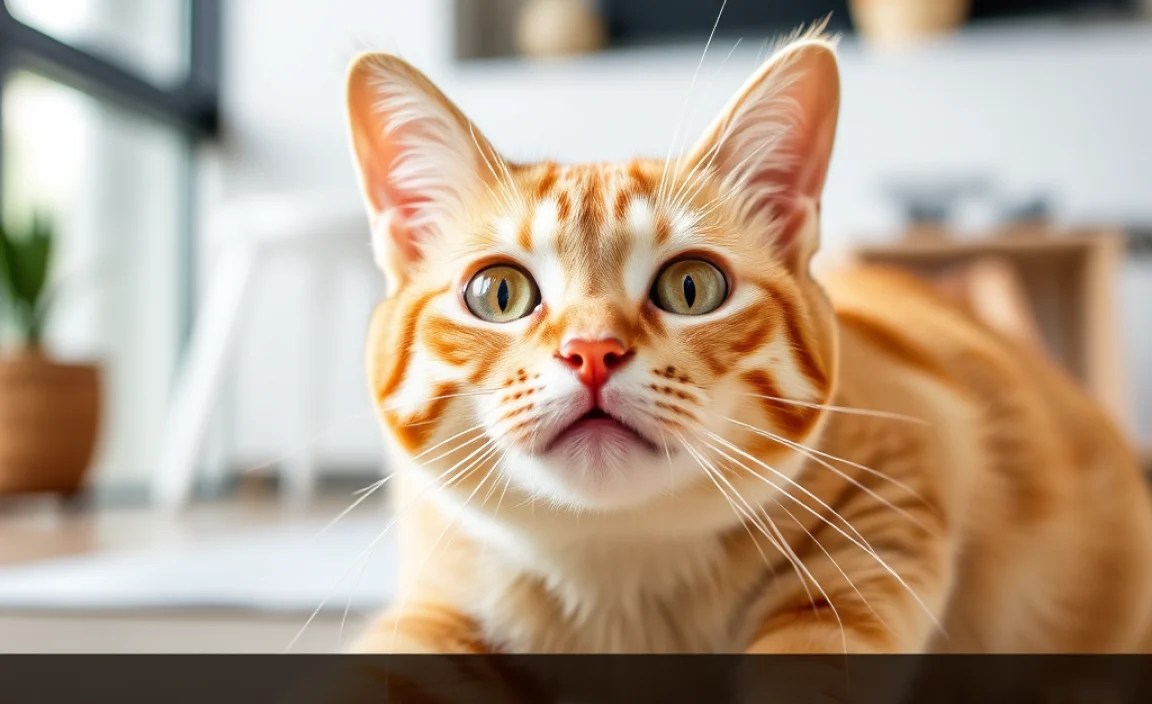
Diet is crucial, but increasing your cat’s physical activity is equally important for burning calories, building muscle, and improving cardiovascular health. It also contributes to their mental well-being by reducing boredom and preventing destructive behaviors.
Interactive Play is Key
Cats are natural hunters. Mimicking this with interactive toys can be incredibly effective. Aim for at least two 10-15 minute play sessions per day. These sessions should ideally mimic the hunting sequence: stalk, chase, pounce, and ‘kill’.
Favorite Interactive Toys:
- Wand Toys: Feathers, jingle balls, or crinkly materials on the end of a wand are fantastic for enticing chasing and pouncing. Make the toy “escape” occasionally to keep your cat engaged.
- Laser Pointers: Used cautiously, laser pointers can be fun. However, always end a laser session with a tangible reward (like a treat or another toy) so your cat doesn’t get frustrated by never catching their “prey.” Ensure the laser dot doesn’t shine into sensitive areas like their eyes.
- Crinkle Balls: Small, lightweight balls that make noise are great for solo play or gentle tossing.
- Electronic Toys: Battery-operated toys that move erratically can sometimes spark interest, though they are often less effective than human-led play.
Encourage Movement Around the House
You can incorporate more movement into your cat’s day without dedicated play sessions:
- Cat Trees and Shelves: Providing vertical space encourages climbing and jumping, which are great exercises.
- Puzzle Feeders: As mentioned earlier, puzzle toys that dispense kibble or treats make your cat work for their food. This slows down eating and adds a physical and mental challenge.
- Hide Food/Treats: Scatter a few kibbles or low-calorie treats around the house for your cat to “hunt” for.
- Walks on a Leash (for brave cats!): Some cats can be trained to walk on a harness and leash outdoors, offering significant exercise and exploration opportunities. Start training slowly and ensure the harness is secure.
Consider a “Catio” or Safe Outdoor Access
If your environment allows, a “catio” (cat patio) or a secured outdoor enclosure can provide a safe space for your cat to explore, climb, and get natural stimulation, which is excellent for overall health and potentially for weight management.
Mental Stimulation is Crucial
A bored cat is often an overeating cat. Providing varied mental stimulation through toys, training, and environmental enrichment can reduce stress and prevent behavior issues often linked to weight gain.
For more on enriching your cat’s environment, check out the ASPCA’s enrichment ideas.
Step 4: Monitoring and Adjusting – The Long-Term Game

Weight loss and maintenance are not one-time fixes; they require ongoing monitoring and adjustment. Be patient, as healthy weight loss for cats is gradual.
Regular Weigh-Ins:
- Frequency: Weigh your cat every 2-4 weeks. Doing it more often can be discouraging if the scale doesn’t move significantly, as fluctuations are normal.
- How to Weigh: The easiest way is to step on a regular scale yourself, record your weight. Then, pick up your cat and step on the scale again. Subtract your weight from the combined weight to get your cat’s weight.
- Track Progress: Keep a log. Note the date, your cat’s weight, and any changes you’ve made (diet, exercise).
Revisiting Body Condition Score:
Periodically re-evaluate your cat’s BCS visually and by touch. This often provides a better picture of their overall body composition than the scale alone. Are they looking leaner? Can you feel their ribs more easily? Is their waist becoming more defined?
Adjusting Food Intake:
If your cat isn’t losing weight or is losing it too quickly, consult your vet. They may advise small adjustments to the daily caloric intake. Never drastically cut food without veterinary guidance, as this can be dangerous for cats.
When to See the Vet:
It’s essential to have regular veterinary check-ups throughout the weight loss process. Your vet can:
- Confirm your cat’s ideal weight and target loss rate (typically 1-2% of body weight per week).
- Rule out any underlying medical conditions contributing to weight gain or hindering weight loss.
- Provide tailored diet recommendations and calculate precise caloric needs.
- Monitor for any signs of health issues related to diet changes or weight loss (like hepatic lipidosis).
Celebrate Small Victories!
Weight loss can take months. Celebrate milestones like reaching the halfway point to their goal weight, a consistent loss of a few ounces, or your cat being more playful. Positive reinforcement for both you and your cat is key!
What If My Cat Isn’t Losing Weight? Common Pitfalls and Solutions
It can be disheartening when you’re putting in effort and the scale isn’t budging. Here are common reasons why cats might not be losing weight and how to address them:
1. Inaccurate Calorie Counting
Pitfall: Eyeballing food portions, miscalculating treat calories, or not accounting for food from multiple family members.
Solution: Use a kitchen scale for precise measurements of food. Track ALL treats, even tiny ones. Communicate feeding rules clearly with everyone in the household. Measure out your cat’s daily food allotment in the morning and divide it for meals to avoid impulse feeding.
2. Hidden Calories
Pitfall: “Licking” extra sauce from food pouches, eating small bits off the floor, or “grazing” from another pet’s bowl.
Solution: Be vigilant. Ensure no food scraps are accessible. If you have multiple pets, feed them separately in secure areas where they cannot share food. Clean food bowls thoroughly after each meal to prevent “clean-up” eating.
3. Not Enough Exercise
Pitfall: Assuming cats are naturally active enough when they are overweight.
Solution: Schedule dedicated interactive play sessions. Increase environmental enrichment with climbing spaces and puzzle toys. Even small increases in daily movement make a difference.
</p