
For a successful cat weight loss plan, focus on gradual dietary changes, controlled portions, increased activity, and consistent veterinary monitoring. Start with small, sustainable adjustments to food intake and playtime to ensure your feline friend loses weight safely and effectively. Regular check-ins with your vet are crucial for personalized guidance and to rule out any underlying health issues.
Is your furry friend a little… rounder than they used to be? It’s a common concern for many cat parents, and it’s totally understandable to want the best for your kitty. Overweight cats can face health challenges, but the good news is, with a few simple steps and the right approach, you can help them shed those extra pounds safely. This guide will walk you through essential best practices for creating a cat weight loss plan that’s both effective and easy to follow, making the journey enjoyable for both you and your beloved pet. We’ll break down everything you need to know to get started and keep your cat happy and healthy.
Creating a Cat Weight Loss Plan: It’s All About Balance
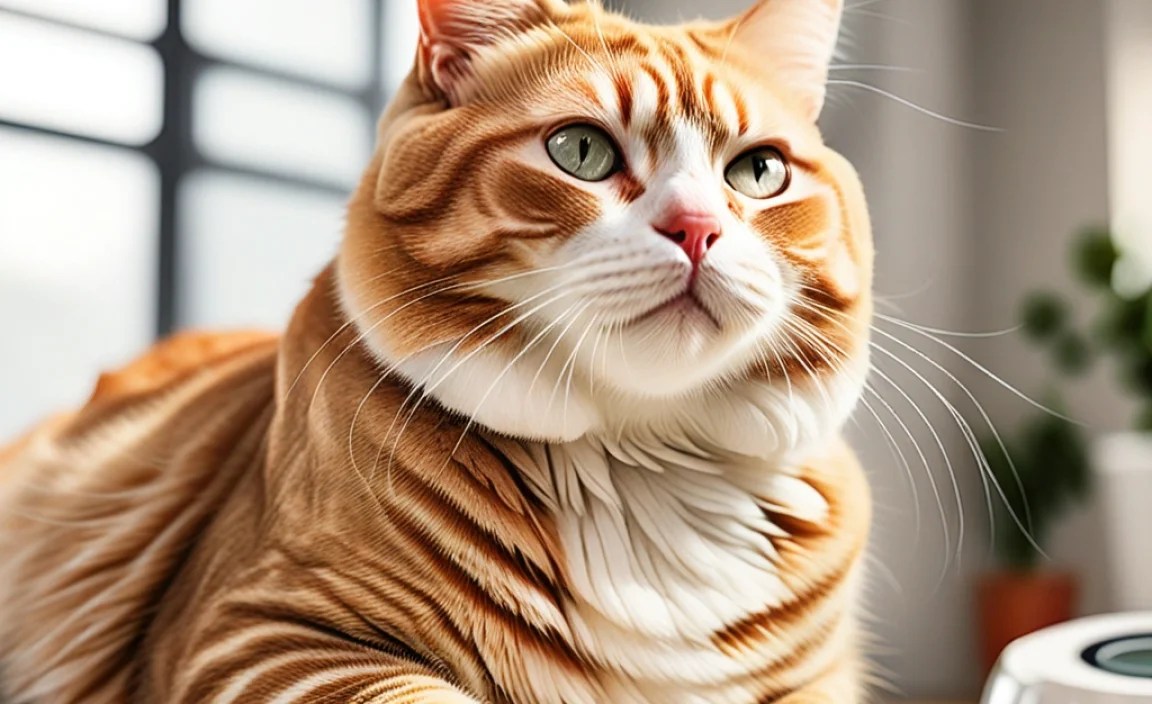
Helping your cat reach a healthy weight is one of the most impactful things you can do for their long-term health and happiness. Just like in humans, excess weight in cats can lead to a host of health problems, including diabetes, arthritis, heart disease, and urinary issues. A proper cat weight loss plan isn’t about drastic diets; it’s about making smart, sustainable changes that your cat can adapt to. We’re aiming for gradual weight loss – around 1-2% of their body weight per week is ideal. This ensures they lose fat, not essential muscle mass, and reduces the risk of dangerous health complications like hepatic lipidosis (fatty liver disease).
The key to a successful plan lies in understanding your cat’s current needs and making adjustments that fit their lifestyle. Think of it as a gentle nudge in the right direction, not a severe restriction. We’ll explore how to talk to your vet, choose the right food, manage portions, encourage more movement, and monitor progress. Ready to embark on this healthy journey with your feline companion? Let’s dive in!
Step 1: Consult Your Veterinarian

Before you make any significant changes to your cat’s diet or lifestyle, the most crucial first step is to schedule a visit with your veterinarian. They are your most valuable partner in your cat’s weight loss journey. Why? Because your vet can:
Determine Ideal Weight and Health Status
- Assess Body Condition Score (BCS): Your vet will perform a physical examination, including palpating your cat’s ribs, spine, and abdomen to determine their current body condition score. This is a more accurate assessment than just looking at the number on a scale.
- Rule Out Underlying Medical Conditions: Sometimes, weight gain can be a symptom of an underlying health issue, such as an underactive thyroid (hypothyroidism) or hormonal imbalances. Your vet can perform diagnostic tests to identify or rule out these conditions.
- Calculate Calorie Needs: Based on your cat’s current weight, ideal weight, age, activity level, and any health conditions, your vet can calculate the specific number of calories your cat needs per day to achieve safe and steady weight loss. This is far more accurate than generic online calculators.
- Recommend Specific Foods or Diets: Your vet might suggest prescription weight loss diets that are nutritionally balanced, lower in calories, and designed to help cats feel full. They will also advise on appropriate commercial foods if a prescription diet isn’t necessary.
- Set Realistic Goals: Your vet can help set achievable weight loss goals and a timeline for achieving them, ensuring the process is safe and sustainable.
Preparation for Your Vet Visit
To make the most of your appointment, be prepared to discuss:
- Your cat’s current diet (brand, type, amount, and frequency of food).
- Any treats your cat receives and how often.
- Your cat’s exercise habits and typical daily routine.
- Any changes you’ve noticed in your cat’s behavior or health.
Step 2: Choosing the Right Food

Once you have your vet’s recommendations, selecting the right food is paramount. The goal is to reduce calorie intake without sacrificing essential nutrients. This often means choosing a food that is:
Low in Calories and Fat
Weight management or “light” formulas are typically lower in calories and fat compared to standard maintenance foods. This allows your cat to eat a similar volume of food while consuming fewer calories, which helps them feel satisfied.
High in Protein
Cats are obligate carnivores, meaning they need a diet primarily composed of animal protein. High-protein diets help cats feel full, preserve muscle mass during weight loss, and support their specific nutritional needs. Look for foods where a quality animal protein source (like chicken, turkey, or fish) is listed as the first ingredient.
Adequate in Fiber
Some weight management foods incorporate increased fiber content. Fiber can help your cat feel fuller for longer, reducing begging behavior and improving digestive health.
Veterinary Prescription Diets
Your veterinarian may recommend a prescription weight loss diet. These diets are often specifically formulated with precise nutrient profiles to support safe weight loss, manage hunger, and maintain muscle mass. They are rigorously tested for efficacy and safety.
Avoiding Over-reliance on Treats
If you’re feeding a therapeutic diet, transition away from calorie-dense commercial treats. Discuss low-calorie treat options with your vet, or consider using a portion of your cat’s daily kibble allowance as treats. Kibble that is offered as a treat still counts towards their total daily caloric intake.
Reading and Understanding Labels
Pay close attention to the guaranteed analysis on the pet food label. This will give you information on the minimum percentages of protein and fat, and maximum percentages of fiber and moisture. Your vet can help you interpret these values in relation to your cat’s specific needs.
Step 3: Portion Control is Key
This is where many pet parents struggle, but it’s absolutely vital for weight loss. Even the healthiest food will lead to weight gain if fed in excess. Portion control involves accurately measuring your cat’s food.
Use a Measuring Cup
Never “eyeball” your cat’s food. Use a standard dry measuring cup or, even better, a kitchen scale for precise measurements, especially for wet food. Scooping directly from the bag can lead to inconsistent portion sizes.
Measure by Weight for Accuracy
A kitchen scale is the most accurate tool for portioning, as kibble size and density can vary between brands and even batches. Weighing out your cat’s daily allowance ensures you’re feeding exactly the amount recommended by your vet.
Splitting Meals
Instead of one large meal, split your cat’s daily allowance into two or three smaller meals throughout the day. This can help manage hunger and prevent begging. Some cats even benefit from slow feeders or puzzle toys to make mealtime last longer and provide mental stimulation.
Tracking Food Intake
Keep a simple log of when and how much your cat eats. This helps ensure you’re sticking to the plan and can be helpful information to share with your vet at follow-up appointments.
Transitioning Food Gradually
If you are switching to a new food, do so gradually over 7-10 days to avoid digestive upset. Mix a small amount of the new food with the old food, slowly increasing the proportion of the new food and decreasing the old food until the transition is complete. A common transition schedule looks like this:
| Days | Percentage of New Food | Percentage of Old Food |
|---|---|---|
| 1-2 | 25% | 75% |
| 3-4 | 50% | 50% |
| 5-6 | 75% | 25% |
| 7-10 | 100% | 0% |
Step 4: Increasing Activity Levels
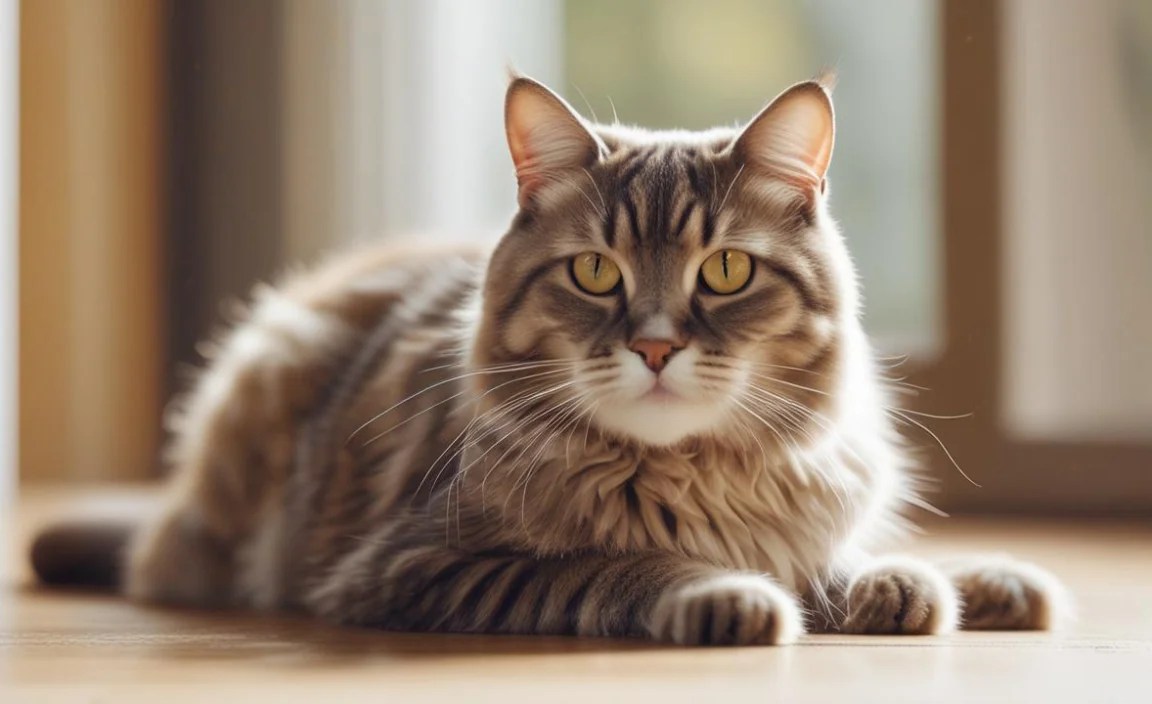
Weight loss isn’t just about reducing calories; it’s also about burning them! Cats can be surprisingly sedentary, especially indoor-only cats. Encouraging more movement helps burn calories, maintain muscle tone, and provides mental enrichment, which can reduce stress and improve overall well-being.
Interactive Play Sessions
Dedicate at least two 10-15 minute play sessions per day. Use toys that mimic prey, such as feather wands, laser pointers (use with caution and always end with a tangible reward), or small, crinkly balls. The goal is to engage your cat’s hunting instincts.
Variety is Key
Rotate toys to keep things interesting. A toy that is new or hasn’t been used in a while will likely capture your cat’s attention more effectively. Different toys appeal to different hunting styles.
Puzzle Feeders and Food-Dispensing Toys
These are fantastic tools for both mealtime and general activity. They require your cat to work to get their food or treats, slowing down consumption and providing a mental challenge. This can be particularly helpful for cats who tend to gobble their food. The Cornell Feline Health Center highlights how puzzle feeders can enhance feline enrichment.
Vertical Space and Climbing Opportunities
Cats love to climb and perch. Provide cat trees, shelves, or window perches. These encourage physical activity as your cat ascends and navigates their environment. Ensuring they have safe places to observe their territory from a height can also reduce anxiety, which sometimes contributes to overeating.
Cat Walking Harnesses
With proper introduction and positive reinforcement, some cats can be trained to walk on a harness outdoors. This can provide new sights, sounds, and smells, encouraging exploration and exercise. Always ensure the harness is secure and you are in a safe, cat-appropriate environment.
Step 5: Monitoring Progress and Adjusting the Plan

Consistency and observation are vital. Your cat’s weight loss journey will likely require adjustments along the way.
Regular Weigh-Ins
Continue to weigh your cat periodically, as advised by your veterinarian. Some vets recommend bringing them in monthly, while others might suggest you learn to weigh them at home using a scale (weigh yourself, then weigh yourself holding your cat, and subtract the difference). Keep a detailed log of these weigh-ins.
Body Condition Scoring
Don’t just rely on the scale. Regularly assess your cat’s body condition. You should be able to easily feel their ribs under a thin layer of fat, and they should have a visible waist when viewed from above and a tuck in their abdomen when viewed from the side. Your vet can show you how to do this during check-ups.
Recognizing Plateaus and Setbacks
If your cat’s weight loss stalls for several weeks, or if they begin to gain weight, it might be time to revisit your vet. There could be factors contributing to this, such as changes in metabolism, reduced activity, or slight overfeeding that has crept back in. Your vet can help you identify the cause and make necessary adjustments to the plan.
Celebrating Milestones
Acknowledge and celebrate progress! When your cat reaches a weight goal or shows improvements in their energy levels, give them praise and affection. Positive reinforcement helps build a stronger bond and makes the journey more enjoyable. Remember, this is a marathon, not a sprint, and every little bit of progress counts.
Common Pitfalls to Avoid
Even with the best intentions, weight loss plans for cats can be derailed by common mistakes. Being aware of these can help you steer clear of them.
Feeding Table Scraps or Human Food
Many human foods are too high in fat and calories for cats, and some are toxic (like onions, garlic, and chocolate). Even small amounts can sabotage a diet. Stick to veterinarian-approved foods and treats.
Free-Feeding Kibble
Leaving unlimited dry food out all day makes portion control impossible and encourages overeating and a sedentary lifestyle. Scheduled meals are essential for weight management.
Ignoring Treats and Calories
The calories from treats, dental chews, and even a small lick of cream can add up quickly. It’s easy to underestimate the caloric impact of these additions. Ensure all food consumed is accounted for in the daily total, and discuss treat options and their calorie contribution with your vet.
Sudden Dietary Changes
Switching food abruptly can cause digestive upset like vomiting and diarrhea. Always transition slowly to minimize these risks.
Underestimating Activity Needs
A common mistake is focusing solely on diet while neglecting exercise. A well-balanced weight loss plan needs both reduced calories and increased calorie expenditure.
Inconsistent Monitoring
Without regular weigh-ins and body condition checks, it’s hard to know if the plan is working. This can lead to prolonged periods of no progress or even weight regain.
Assuming All Weight Gain is Due to Overeating
As mentioned earlier, medical conditions can cause weight gain. Always consult your vet to rule out underlying health issues before assuming dietary indiscretion is the sole culprit.