
Choosing the right clumping cat litter for multiple cats is key to a clean home and happy felines. Focus on odor control, fast clumping, natural ingredients, and easy scooping. Selecting a high-quality, unscented clumping litter minimizes ammonia and maintains freshness, making your multi-cat household a more pleasant place for everyone.
Living with more than one cat is a joy, but it can also bring unique challenges, especially when it comes to their potty habits. One of the biggest hurdles for multi-cat households is managing litter box odor and cleanliness. It might seem overwhelming, but finding the perfect clumping cat litter can make a world of difference. This guide will walk you through everything you need to know to keep your furry friends happy and your home smelling fresh.
We’ll break down what makes clumping litter ideal for homes with multiple cats and help you choose the best option for your specific needs. Get ready to say goodbye to litter box woes and hello to a cleaner, more harmonious living space!
Why Clumping Litter is a Lifesaver for Multi-Cat Homes

Clumping cat litter is a game-changer, especially when you have a feline crew. Unlike non-clumping varieties, clumping litter forms solid masses when it comes into contact with moisture (aka, your cat’s waste). This makes a huge difference in how easy it is to maintain the litter box.
For starters, scooping becomes a breeze. Instead of having to replace all the litter regularly, you can simply lift out the solidified clumps of urine and solid waste. This not only saves you time but also conserves litter, making it a more economical choice in the long run. Plus, by removing waste promptly, you significantly reduce unpleasant odors.
When you have multiple cats, the litter box sees a lot more action. This means odors can build up quickly. A good clumping litter traps these odors effectively, preventing your tidy home from smelling like, well, a litter box. It’s the secret weapon for maintaining freshness and ensuring your cats always have a clean place to do their business.
Understanding the Needs of a Multi-Cat Household
Having multiple cats means their litter box needs are amplified. What works for one cat might not be enough for a whole clowder. Here’s what to consider:
- Increased Traffic: More cats mean more trips to the litter box. This requires a litter that can handle frequent use without breaking down or becoming overly saturated.
- Odor Control is Paramount: The more waste produced, the more potential there is for strong odors. Effective odor neutralization is absolutely crucial.
- Cat Preferences: While you’re choosing, remember your cats have opinions! Some cats are picky about texture, scent, or even the depth of the litter.
- Hygiene: A clean litter box is essential for preventing health issues and ensuring your cats continue to use it properly.
Key Features to Look For in Clumping Cat Litter for Multiple Cats

Not all clumping litters are created equal, and some are definitely better suited for households with more than one feline resident. Here are the essential features to prioritize:
1. Superior Odor Control
This is non-negotiable. With multiple cats, odors can escalate quickly. Look for litters that explicitly boast advanced odor control technology. This often involves:
- Activated Charcoal: This porous material is excellent at trapping and neutralizing odors.
- Baking Soda: A classic odor absorber that helps to keep things fresh.
- Natural Deodorizers: Some litters use plant-based enzymes or minerals that work naturally to combat smells.
- Unscented Options: While it might seem counterintuitive, heavily scented litters can sometimes mask odors poorly or even deter sensitive cats. Unscented litters rely on better clumping and absorption to keep smells at bay.
2. Fast and Hard Clumping
The faster the litter clumps, the less urine has a chance to soak into the bottom of the litter box and create stubborn, smelly residue. Fast-forming, hard clumps are easier to scoop and keep the remaining litter cleaner for longer. This is especially important in multi-cat homes where boxes might not be scooped immediately after every use.
3. Material and Texture
Most clumping litters are made from clay (like bentonite), though newer options include silica gel, wood, corn, wheat, or paper. For multi-cat homes, consider:
- Clay (Bentonite): The most common type, known for excellent clumping and odor control. However, some clay litters can create dust.
- Silica Gel: Highly absorbent and effective at odor control, often with less dust. It’s also lightweight.
- Natural/Plant-Based: Options made from wood, corn, or wheat are often biodegradable and can be good for cats with sensitivities. Their clumping ability and odor control can vary.
Texture can play a role too. Most cats prefer a fine, sand-like texture, which is more natural for them. If you’re switching litters, introduce it gradually to avoid upsetting your cats.
4. Low Dust Formula
Dust can be a nuisance for both cats and humans. It can irritate respiratory systems, especially in cats with asthma or allergies, and it settles on surfaces. Look for litters that specifically state “low dust” or “dust-free.”
5. Absorbency
While clumping handles the solids and urine for an instant, good absorbency helps wick away moisture and further control odor. This is crucial for managing the higher volume of waste in a multi-cat environment.
6. Ease of Scooping
Hard, compact clumps that don’t crumble are the holy grail for easy scooping. This makes your daily chore much quicker and more effective.
Types of Clumping Cat Litter for Multiple Cats

Let’s dive into some common types and what they offer:
Natural Clay (Bentonite) Clumping Litter

This is the classic and most widely available type. Bentonite clay is highly absorbent and forms strong clumps. Many brands offer unscented versions with added odor control agents.
Pros:
- Excellent clumping ability
- Good odor control
- Widely available and often budget-friendly
- Familiar texture for most cats
Cons:
- Can produce significant dust
- Not biodegradable
- Some cats may be sensitive to heavy perfumes
Silica Gel Clumping Litter
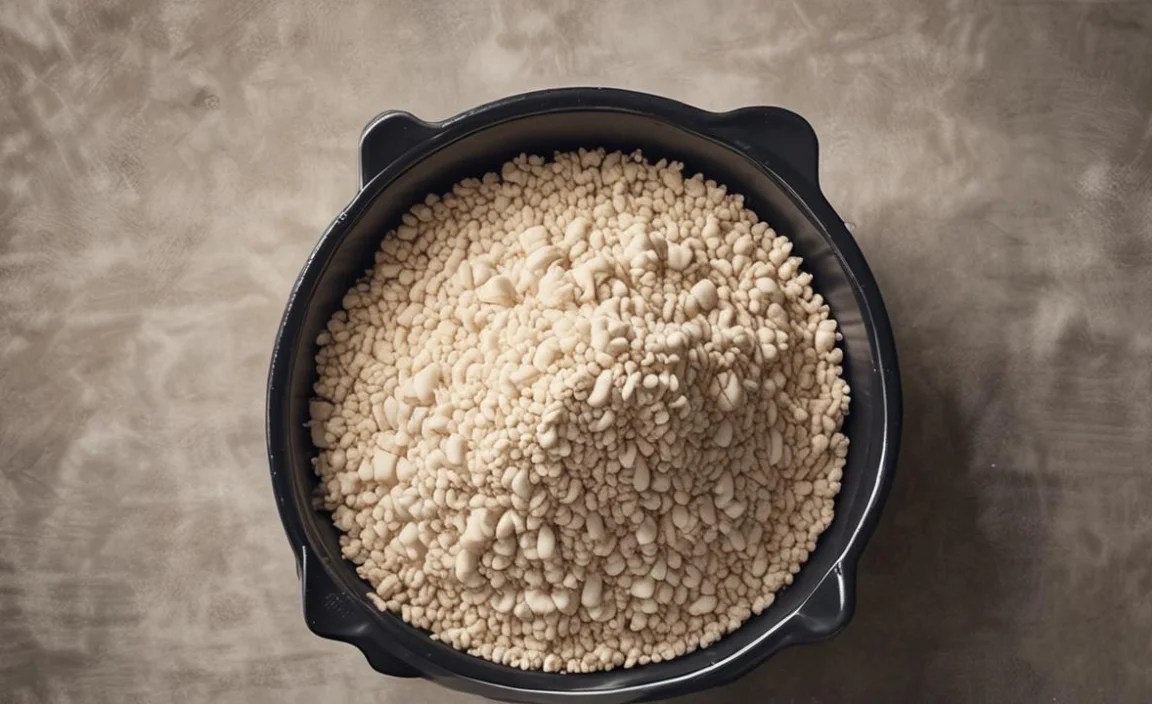
Silica gel crystals “trap” moisture and odors like a sponge. When it clumps, it often forms a solid mass that can be easily scooped. It’s known for being very lightweight and having excellent odor control.
Pros:
- Exceptional odor control
- Highly absorbent
- Low dust
- Lightweight
- Requires less frequent full changes
Cons:
- Can be more expensive
- Some cats dislike the texture
- Not always readily biodegradable
Plant-Based Clumping Litter (Wood, Corn, Wheat, Paper)

These options are becoming increasingly popular for their eco-friendliness and natural appeal. They are often biodegradable and made from sustainable sources. Their clumping and odor control can vary quite a bit by brand and specific material.
Pros:
- Environmentally friendly and biodegradable
- Often made from natural, renewable resources
- Can be lightweight
- Some are flushable (check manufacturer guidelines)
Cons:
- Clumping strength can be variable
- Odor control might not be as robust as clay litter for high-traffic areas
- Some cats may be sensitive to new textures
- Can sometimes be more expensive
How Many Litter Boxes Do I Need?
This is a golden rule for multi-cat households, established by cat behaviorists. The general guideline is: The number of cats plus one.
So, if you have two cats, you should aim for three litter boxes. If you have three cats, four boxes are recommended. This isn’t just about convenience; it’s vital for feline harmony and preventing territorial disputes or waste avoidance. Having extra boxes ensures that if one is being used, or if a cat prefers a different location, there’s always another clean option available.
This also significantly helps manage odor and cleanliness. With more boxes, each box is used less frequently, and waste can be scooped more effectively from individual boxes between full cleanings.
Choosing the Right Litter: A Comparative Look
To help you decide, let’s look at a table comparing common clumping litter features for multi-cat households:
| Feature | Natural Clay | Silica Gel | Plant-Based (Wood/Corn/Wheat) |
|---|---|---|---|
| Odor Control | Good to Excellent (especially with additives) | Excellent | Variable (can be good, sometimes less effective than clay) |
| Clumping Ability | Excellent | Good to Excellent | Variable (can be softer clumps) |
| Dust Level | Can be High (look for low-dust formulas) | Low | Generally Low |
| Absorbency | Good | Excellent | Good |
| Weight | Heavy | Lightweight | Lightweight |
| Environmental Impact | Low (not biodegradable) | Low to Medium | High (often biodegradable) |
| Cost | Budget-Friendly to Moderate | Moderate to High | Moderate to High |
Tips for Implementing and Maintaining Litter Boxes With Multiple Cats
Just getting the right litter isn’t the whole story. Proper setup and maintenance are crucial for success in a multi-cat household.
1. Location, Location, Location!
Place litter boxes in quiet, low-traffic areas where your cats feel safe and have an escape route. Avoid placing them near noisy appliances, their food and water bowls, or busy pathways where they might be startled.
With multiple boxes, spread them out a bit. This reduces competition and cat anxiety. For example, if you have two boxes, put one on the first floor and one on the second, or in different quiet corners of a large room.
2. The Right Size and Type of Litter Box

Ensure your litter boxes are large enough. Cats need to comfortably turn around, dig, and cover their waste without the litter spilling over. Large, open-top boxes are often preferred over covered ones, as covered boxes can trap odors and feel claustrophobic to some cats.
Consider the needs of older or arthritic cats. Lower entry points can make it easier for them to get in and out.
3. Scooping Routine is Key
This is where managing clumping litter shines. Aim to scoop at least once, preferably twice, a day. Prompt scooping prevents odors from developing and signals to your cats that their facilities are clean and ready for use.
For best results, use a sturdy litter scoop with holes that allow clean litter to fall through while catching even the smallest clumps.
4. Full Litter Box Cleaning Schedule
Even with daily scooping, it’s essential to do a full litter box clean-up regularly. This involves:
- Emptying all the litter from the box.
- Washing the box thoroughly with mild, unscented soap and water. Avoid harsh chemicals or ammonia-based cleaners, which can be toxic and mimic the smell of urine, encouraging cats to go elsewhere.
- Rinsing and drying the box completely.
- Refilling with fresh litter to the recommended depth (typically 2-3 inches).
The frequency of full cleans depends on the type of litter and the number of cats, but generally, aim for a complete dump and wash every 1-4 weeks.
5. Introduce New Litters Gradually
If you’re switching to a new clumping litter, don’t do it all at once. Cats can be sensitive to change. Mix your new litter with the old litter, gradually increasing the proportion of the new litter over a week or two until your cats are comfortable.
6. Monitor Your Cats’ Behavior

Pay attention to how your cats are using the litter boxes. Are they consistently using them? Are they showing signs of stress (e.g., spraying, urinating outside the box, straining)? These can be indicators that something is amiss with the litter, the box, or their environment.
For more in-depth information on feline toileting behavior and potential issues, the Cornell Feline Health Center offers excellent resources.
Common Challenges and Solutions
Even with the best intentions, you might encounter a few bumps in the road. Here are common issues and how to tackle them:
- Excessive Dust: If your chosen litter is too dusty, switch to a “low dust” or “dust-free” formula. Ensure you’re not creating dust plumes when pouring the litter.
- Odor Breakthrough: If you can still smell odors, consider a litter with enhanced odor control, try an unscented option if yours is scented, or increase the frequency of scooping and box cleaning. Activate charcoal or baking soda additives can also help. For stubborn odors, you might need to look into litter additives specifically designed to combat smells.
- Cats Avoiding the Litter Box: This is a red flag. Ensure you have enough litter boxes (n+1 rule), they are clean, in good locations, and the litter type is acceptable to your cats. Medical issues can also cause avoidance, so consult your veterinarian if the problem persists. You might also need to revisit the litter texture and scent.
- Litter Tracking: Some litters track more than others. Look for clumping litters with larger granules or consider a litter mat outside the box to catch stray litter. Placing boxes in areas where tracking is less of a concern can also help.
- Inadequate Clumping: If clumps are falling apart, the litter may not be suitable. Look for litters marketed.