
Grain-free cat food means your feline friend gets a diet without common grains like corn, wheat, and soy, often featuring meat as the primary ingredient. This can be a great choice for cats with sensitivities or owners seeking a more “ancestral” diet for their pets.
Choosing the right food for your cat can feel overwhelming with so many options available. You want the best for your furry companion, and the topic of “grain-free cat food” often comes up. It’s a popular choice, but many pet parents have questions. Is it really what your cat needs? What are the benefits? Are there any downsides? Don’t worry, we’re here to break it all down for you. Think of me as your friendly guide to navigating the world of cat nutrition, making it simple and stress-free. We’ll cover everything you need to know so you can feel confident in your cat’s diet. Let’s dive in and answer your most pressing questions about grain-free cat food!
Grain-Free Cat Food: Your Essential FAQ
As a cat owner, you’re invested in your feline’s health and happiness. When it comes to their diet, a lot of buzz surrounds “grain-free” options. But what does that really mean for your cat? Let’s answer some common questions to help you make the best choices for your purrfectly healthy pet.
What Exactly is Grain-Free Cat Food?

Grain-free cat food is precisely what it sounds like: it’s food for cats that does not contain any grains. This typically includes common grains like:
- Corn
- Wheat
- Barley
- Rice
- Soy
- Oats
Instead of grains as a primary carbohydrate source or filler, grain-free cat foods usually rely on other ingredients such as potatoes, sweet potatoes, peas, lentils, or tapioca. The focus is often on higher protein content, with meat, poultry, or fish as the first ingredient. This approach aims to mimic a more “natural” or ancestral diet that cats, being obligate carnivores, would traditionally consume.
Why Do Owners Choose Grain-Free Cat Food?

Many owners opt for grain-free diets for cats for a few key reasons. One of the most common is the belief that cats, as obligate carnivores, don’t truly need grains in their diet. They thrive on protein. Another significant reason is to address potential sensitivities or allergies. While true grain allergies in cats are relatively rare compared to other ingredients, some cats can indeed react to grains. Symptoms of a food sensitivity can include:
- Itchy skin or excessive scratching
- Gastrointestinal upset (vomiting, diarrhea)
- Recurrent ear infections
- Dull coat or excessive shedding
For cats displaying these signs, owners may try a grain-free diet to see if it alleviates their symptoms. Lastly, some pet parents simply prefer the idea of a diet closer to what their cat’s wild ancestors would have eaten, emphasizing a higher meat-to-carbohydrate ratio.
Are Grains Bad for Cats?
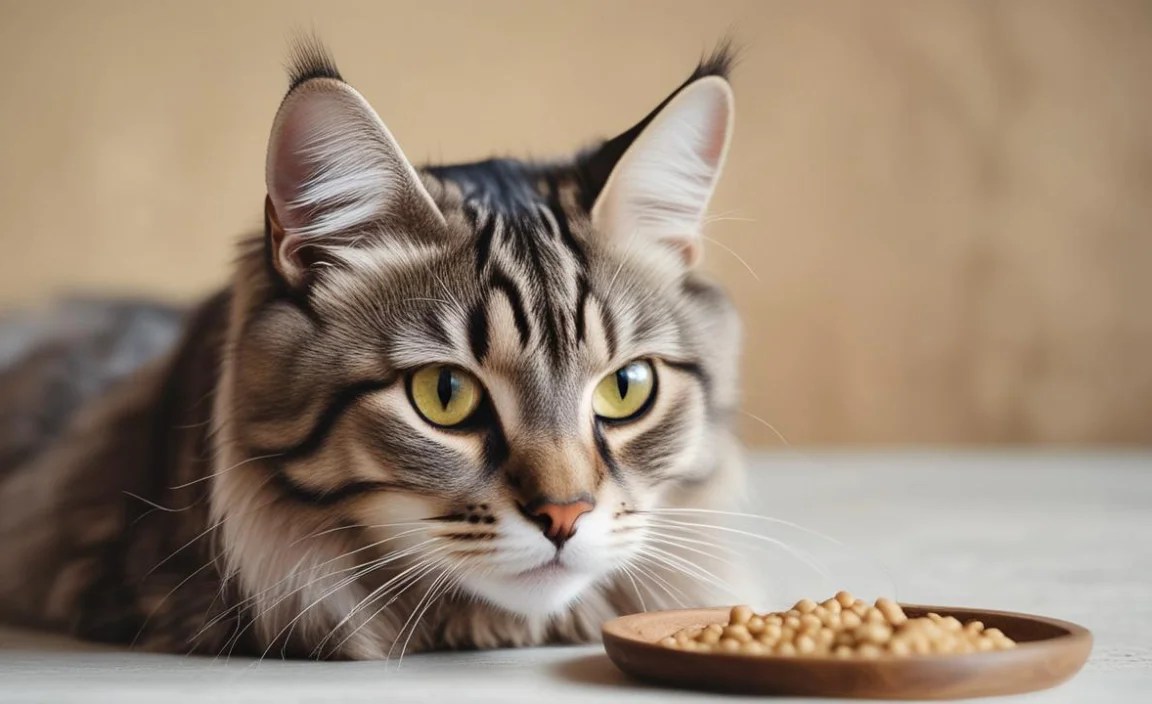
It’s a common misconception that all grains are inherently “bad” for all cats. For the vast majority of cats, grains are not necessarily harmful and can be a digestible source of carbohydrates, fiber, and energy. Many cats do perfectly well on high-quality cat foods that contain grains. The key is the quality and digestibility of the ingredients. However, as mentioned, some cats can develop sensitivities or allergies to specific grains, just as they can to other food ingredients like chicken or fish. If your veterinarian suspects a food allergy, they might recommend an elimination diet, which could include trying a grain-free option to see if symptoms improve.
The U.S. Food and Drug Administration (FDA) has been investigating a potential link between certain diets, including some grain-free formulations, and a heart condition in dogs called dilated cardiomyopathy (DCM). While this research initially focused on dogs, it’s worth being aware of. For cats, the situation is less clear, and more research is needed. If you have concerns about your cat’s heart health, always consult your veterinarian. They can provide the most accurate and up-to-date advice based on scientific evidence and your cat’s individual needs.
For more information on feline nutrition, the American Association of Feline Practitioners (AAFP) offers excellent resources on their website regarding a cat’s nutritional needs.
What are the Benefits of Grain-Free Cat Food?

When a grain-free diet is appropriate for a cat, owners may observe several benefits:
- Improved Digestive Health: For cats sensitive to grains, switching to a grain-free diet can lead to fewer digestive issues like gas, bloating, diarrhea, or vomiting.
- Healthier Skin and Coat: Reduced inflammation from grain sensitivities can contribute to a shinier coat, less shedding, and a decrease in skin irritation and scratching.
- Better Energy Levels: Some cats may experience increased vitality and energy, especially if they were previously experiencing subtle discomfort from food sensitivities.
- Management of Allergies: As a limited-ingredient option, a grain-free diet can be part of an elimination diet to pinpoint and manage food allergies effectively.
- Closer to “Natural” Diet: For owners who aim for a diet higher in animal protein and lower in carbohydrates, grain-free options align with this philosophy.
It’s important to remember that these benefits are most pronounced when the grain-free diet effectively meets the cat’s specific nutritional needs and addresses an underlying issue.
Are There Any Downsides or Risks to Grain-Free Cat Food?

While grain-free diets can be beneficial, there are a few points to consider:
- Cost: Grain-free formulas often use more expensive alternative carbohydrate sources and higher-quality protein, which can make them more costly than traditional grain-inclusive foods.
- Nutrient Balance: Not all grain-free foods are created equal. It’s crucial to ensure the food is “complete and balanced” as per AAFCO (Association of American Feed Control Officials) guidelines for your cat’s life stage. Some grain-free foods might use alternative ingredients that are harder for cats to digest or may not perfectly mimic the nutritional profile of traditional ingredients.
- Potential for High Carbohydrate Content: While grain-free, some foods might replace grains with high levels of other carbohydrates like potatoes or peas. Cats have limited need for carbohydrates, and excessive amounts are not ideal.
- The DCM Concern (Primarily in Dogs, but a factor to monitor): Although research is ongoing and primarily focused on dogs, the FDA has noted a potential association between certain diets (including some grain-free ones) and dilated cardiomyopathy (DCM). While evidence in cats is less robust, it’s a factor some owners and veterinarians consider. Always discuss heart health with your vet.
- Not Necessarily Superior: For a cat without sensitivities, a high-quality grain-inclusive diet is often perfectly healthy and appropriate. The “grain-free” label doesn’t automatically mean “better.”
The most significant risk is feeding a less balanced or inappropriate diet, which can lead to health problems. Always choose a reputable brand that meets AAFCO standards.
How Do I Choose the Best Grain-Free Cat Food?

Selecting the right grain-free food requires a thoughtful approach. Here’s a checklist to help you:
- Consult Your Veterinarian: This is the most crucial step. They can assess your cat’s health, discuss potential allergies or sensitivities, and recommend specific types of food or brands based on scientific evidence and your cat’s unique needs.
- Check for AAFCO Statement: Look for a statement on the package that says the food is “complete and balanced” and formulated to meet the nutritional levels established by the AAFCO Cat Food Nutrient Profiles for your cat’s specific life stage (kitten, adult, senior).
- Prioritize Protein: As obligate carnivores, cats need a high protein content. Look for named meat sources (e.g., chicken, turkey, salmon, beef) as the first few ingredients. Avoid vague terms like “meat by-products” at the top of the list if possible, or at least ensure the by-products are from an identifiable animal source.
- Scrutinize Carbohydrate Sources: While grain-free, examine what is used instead. Good alternatives include sweet potatoes, peas, and lentils. Be mindful of foods that rely heavily on potato starch or excessive amounts of legumes, as too many carbohydrates aren’t ideal for cats.
- Consider Fat Content: Healthy fats are essential for cats. Look for sources like chicken fat, fish oil, or flaxseed, which provide omega-3 and omega-6 fatty acids for skin and coat health.
- Avoid Fillers and Artificial Additives: Steer clear of foods with excessive artificial colors, flavors, preservatives, or unnecessary fillers.
- Reputable Brands: Stick with well-established brands known for their quality control and commitment to research and development. These brands often have veterinary nutritionists on staff.
- Try Small Bags First: Once you’ve narrowed down your choices, buy smaller bags to test. This allows you to switch if your cat doesn’t like it or experiences an unexpected reaction, without wasting a large amount of food.
Here’s a quick look at some common grain-free protein sources and alternative carbohydrate sources you might see:
| Ingredient Category | Examples of Grain-Free Ingredients | Notes |
|---|---|---|
| Primary Protein Sources | Chicken | Common, highly digestible, and palatable. |
| Turkey | Another lean and easily digestible protein. | |
| Salmon/Fish | Rich in omega-3 fatty acids, but can sometimes cause sensitivities. | |
| Beef | A very common protein source. | |
| Lamb | Often recommended for cats with sensitivities to more common proteins. | |
| Alternative Carbohydrate Sources | Sweet Potatoes | Good source of fiber and vitamins. |
| Potatoes | A common starch, but high in carbs. | |
| Peas/Lentils | Provide fiber and protein substitutes; can be high in carbohydrates for cats. | |
| Tapioca/Cassava | A starchy root used as a binder and carbohydrate source. |
Transitioning Your Cat to a New Grain-Free Food

Switching your cat’s food—whether it’s to grain-free or just a different brand—should always be a gradual process to prevent digestive upset. Cats have sensitive systems, and a sudden change can lead to vomiting or diarrhea.
Here’s a simple schedule to follow:
- Days 1-2: Mix 25% of the new grain-free food with 75% of the old food.
- Days 3-4: Mix 50% of the new food with 50% of the old food.
- Days 5-6: Mix 75% of the new food with 25% of the old food.
- Day 7 onwards: Feed 100% of the new grain-free food exclusively.
Monitor your cat closely during this transition. If you notice any signs of digestive upset (like loose stools or vomiting) at any stage, slow down the transition. You can go back to the previous day’s ratio or extend the time spent on a particular mix. Patience is key, and it might take a week or even longer for some cats. Ensure your cat is also drinking enough water, as some grain-free foods might have different moisture content.
Can Kittens Eat Grain-Free Cat Food?

Yes, kittens can typically eat grain-free cat food, provided it is specifically formulated for kittens and meets their unique nutritional requirements for growth and development. Kittenhood is a critical period for development, and their food must be complete and balanced with the right ratios of protein, fats, vitamins, and minerals. Always ensure the kitten food you choose is labeled “complete and balanced” for the growth stage by AAFCO. Just like with adult cats, consult your veterinarian. They can help confirm if a particular grain-free kitten food is the best choice for your growing feline friend, especially if there are any family history of allergies or specific health recommendations.
What About Senior Cats and Grain-Free Diets?

Senior cats (typically over 7-10 years old) have different nutritional needs than younger adults. While a grain-free diet might be suitable, the senior formula should be carefully chosen. Key considerations for senior cats include:
- Joint Health: Look for formulas that include joint-supporting supplements like glucosamine and chondroitin.
- Kidney Function: Many senior cats benefit from controlled phosphorus levels.
- Digestibility: Highly digestible ingredients are crucial for older cats who may have slower digestion.
- Calorie Density: Some seniors may need more calorie-dense food to maintain weight, while others might be overweight and require a weight-management formula.
Again, the best approach is to discuss your senior cat’s specific health status and dietary needs with your veterinarian. They can guide you toward the most appropriate grain-free (or even grain-inclusive) senior formula that supports your cat’s aging body.
Where Can I Find Reputable Grain-Free Cat Food?

You can find reputable grain-free cat food options in a variety of places:
- Veterinary Clinics: Many vets carry a selection of high-quality therapeutic or specialized diets, some of which are grain-free.
- Specialty Pet Stores: Stores focusing on premium pet foods often stock a wide range of grain-free brands.
- Online Retailers: Major online pet supply retailers offer an extensive selection. Be sure to buy from trusted sellers to avoid counterfeit products.
- Large Pet Supply Chains: Most broader pet stores also have a grain-free section.
When shopping, always check the ingredient list and the AAFCO statement. If you’re unsure about a brand or product, don’t hesitate to ask for help from store staff or, most importantly, your veterinarian.
Conclusion
Navigating the world of cat food can feel like a puzzle, but understanding grain-free options is a significant step for many owners. We’ve covered what grain-free means, why you might consider it, and importantly, what potential downsides to watch out for. Remember, the “best” food is always the one that is nutritionally complete, balanced for your cat’s specific life stage, and suitable for their individual health needs. For most cats, grain-inclusive food is perfectly fine and healthy. However, if your feline friend has a diagnosed sensitivity or your veterinarian recommends a grain-free approach, you’re now much better equipped to make an informed choice.
Always prioritize quality ingredients, look for the AAFCO statement, and most importantly, partner with your veterinarian. They are your best resource for personalized advice, ensuring your cat thrives on a diet that supports their long-term health and happiness. By following these guidelines, you can feel confident that you’re providing your beloved companion with the best possible nutrition. Happy feeding!