
Healthy cat food natural options provide essential nutrients for your feline friend’s well-being. This guide offers proven steps to choose and transition to natural foods, ensuring your cat thrives naturally on a balanced, wholesome diet.
Welcoming a cat into your life is a joyous occasion, and one of the most important ways to show your love is by providing them with the best nutrition. Sometimes, understanding what “healthy” and “natural” really means for cat food can feel a bit overwhelming. Many pet parents worry if their cat is getting everything they need to be happy and healthy. But don’t worry! This guide is designed to make choosing natural cat food simple and stress-free. We’ll walk you through everything you need to know, from decoding labels to making a smooth transition. Get ready to help your feline companion feel their absolute best!
Learn how to pick the perfect natural cat food and make feeding time a breeze.
Navigating Natural Cat Food: What It Means for Your Feline

When we talk about “healthy cat food natural,” we’re focusing on foods that are made with ingredients that are as close to their original, unprocessed state as possible. Think high-quality animal proteins, beneficial fats, and essential vitamins and minerals derived from natural sources. The goal is to mimic what cats would eat in the wild – a diet primarily of meat.
Cats are obligate carnivores. This is a fancy way of saying their bodies are built to thrive on a diet of animal-based protein. Unlike dogs or humans, they have specific nutritional needs that can only be met by meat. This means their food should have a high percentage of meat-based ingredients, and fewer carbohydrates and fillers.
Choosing natural food also means looking for products free from artificial colors, flavors, and preservatives. These additives often offer no nutritional benefit and can sometimes cause sensitivities or allergies in cats. A high-quality natural diet supports everything from a shiny coat and healthy skin to strong muscles and optimal organ function.
Why Natural is Key for Feline Health
The benefits of feeding your cat natural food are numerous and directly impact their overall health and happiness. Here’s a look at why making the switch can be so impactful:
- Improved Digestion: Natural foods are often more digestible because they contain fewer fillers and artificial ingredients that can upset a cat’s sensitive stomach. This can lead to firmer stools and less digestive upset.
- Better Skin and Coat Health: Essential fatty acids, often found in natural animal fats and oils, are crucial for maintaining healthy skin and a lustrous, soft coat. You might notice less shedding and a more vibrant appearance.
- Increased Energy Levels: With high-quality protein and essential nutrients, your cat can have more sustained energy for playtime and exploration. They’ll be less prone to those energy slumps.
- Stronger Immune System: A diet rich in vitamins, minerals, and antioxidants from natural sources helps support a robust immune system, making your cat more resilient to illness.
- Weight Management: Because natural foods are typically more nutrient-dense and higher in protein, they can help cats feel fuller longer, aiding in healthy weight management and reducing the risk of obesity-related health issues.
- Reduced Allergy Symptoms: Many common cat allergies are triggered by grains, artificial additives, or by-products found in conventional cat foods. Switching to a limited-ingredient, natural diet can help alleviate these symptoms.
Decoding Cat Food Labels Like a Pro
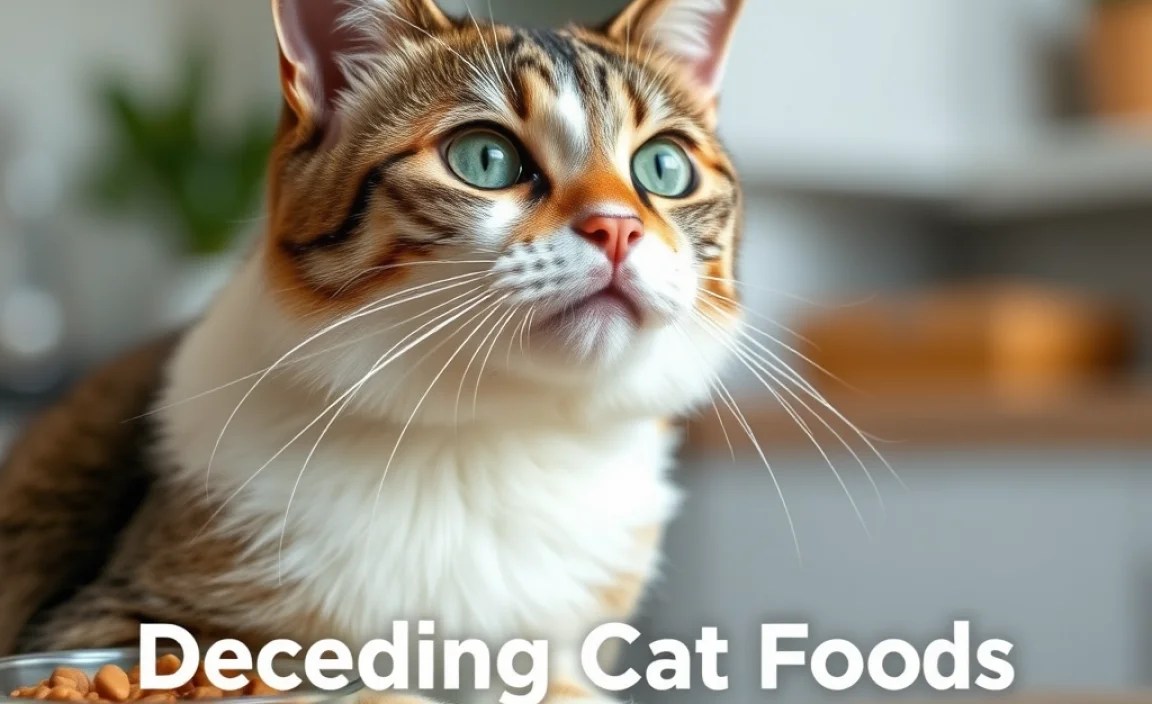
Understanding cat food labels can feel like deciphering a secret code, but it’s simpler than you think! Knowing what to look for, and what to avoid, is the first step to choosing truly natural and healthy options for your feline friend. Let’s break down the key elements on the packaging.
The Ingredient List: What’s Really Inside
The ingredient list is usually ordered by weight, from heaviest to lightest. This is your most important tool for assessing a food’s quality and naturalness.
What to Look For:
- Named Meat Sources First: The first few ingredients should be specific animal proteins. Think “chicken,” “turkey,” “salmon,” “lamb,” or “duck.” Avoid generic terms like “meat meal” or “poultry by-products” as the primary ingredients.
- Wholesome Fruits and Vegetables: Look for recognizable sources of fiber, vitamins, and antioxidants like “sweet potatoes,” “peas,” “carrots,” “cranberries,” or “pumpkin.”
- Healthy Fats: Beneficial fats like “chicken fat,” “salmon oil,” or “flaxseed” are important for skin, coat, and overall health.
- Vitamins and Minerals from Natural Sources: Ingredients like “vitamin E supplement,” “zinc proteinate,” or “calcium carbonate” are essential for nutrient balance.
What to Avoid:
- Generic Meat Terms: “Meat meal” or “animal digest” can be a mixture of various animal parts of unknown origin and quality.
- Artificial Additives: Keep an eye out for “artificial colors,” “artificial flavors,” “BHA,” “BHT,” “ethoxyquin,” or “propylene glycol.” These offer no nutritional value and can be harmful.
- Excessive Fillers: Ingredients like “corn,” “wheat,” “soy,” or excessive amounts of “potato starch” or “pea flour” are often used as cheap fillers and offer limited nutritional benefit for cats.
- Sugar and Sweeteners: Cats do not need added sugars. Ingredients like “corn syrup,” “sucrose,” or “molasses” should be absent.
Understanding Guaranteed Analysis and Other Claims
The guaranteed analysis tells you the minimum percentage of protein and fat, and the maximum percentage of fiber and moisture. While useful, it doesn’t tell you the quality of those nutrients. For example, a food stating “30% protein” could be getting protein from chicken or from corn – and that difference is huge for your cat!
Claims like “natural” or “holistic” can be helpful, but always verify them by checking the ingredient list and the source of ingredients. The Association of American Feed Control Officials (AAFCO) provides guidelines, and many reputable brands adhere to these standards for complete and balanced nutrition.
Types of Healthy Natural Cat Food

When you’re looking for healthy, natural cat food, you’ll encounter a few main categories. Understanding the differences will help you pick the best option for your cat’s specific needs and your lifestyle.
Dry Kibble: The Convenient Choice
Dry kibble is a popular choice for its convenience, long shelf life, and lower cost. High-quality natural kibbles are made with named meat sources as the first ingredients and limited or no grains. They are typically supplemented with essential vitamins and minerals.
Pros:
- Convenient to store and serve.
- Helps keep teeth cleaner through mechanical abrasion.
- Economical and readily available.
Cons:
- Lower moisture content, which can be a concern for cats who don’t drink much water.
- Can sometimes contain more carbohydrates, even in grain-free varieties.
- Texture might not appeal to all cats.
Wet Food: The Hydration Hero
Wet or canned food is an excellent choice for cats, especially those who may not drink enough water. It has a high moisture content (often 70-80%), which contributes to good hydration, kidney health, and urinary tract health. High-quality natural wet foods are packed with animal protein and have a texture and aroma that many cats find irresistible.
Pros:
- High moisture content supports hydration and urinary health.
- Often higher in protein and lower in carbohydrates than kibble.
- Very palatable for most cats.
- Closer to a cat’s natural, ancestral diet.
Cons:
- Shorter shelf life once opened; needs refrigeration.
- Can be more expensive per serving.
- Doesn’t offer the same dental cleaning benefits as kibble.
Raw Food: The Primal Promise
Raw food diets can be homemade or commercially prepared. They typically consist of raw muscle meat, organs, and bones, sometimes with a small amount of fruits, vegetables, and supplements. The idea is to mimic the prey animals cats would eat in the wild.
Pros:
- Closely resembles a cat’s ancestral diet.
- Can lead to excellent digestibility, coat health, and energy levels for some cats.
- No added artificial ingredients or preservatives in a carefully prepared raw diet.
Cons:
- Significant safety concerns: Raw meat can contain harmful bacteria like Salmonella and E. coli, posing risks to both your cat and household members (including humans). According to the FDA, raw diets can be a food safety risk.
- Nutritional imbalance risk: Homemade raw diets can easily become unbalanced if not formulated by an expert, leading to deficiencies or excesses of vital nutrients.
- Requires careful handling and impeccable hygiene to mitigate risks.
- Typically more expensive and time-consuming.
Note: If considering a raw diet, it is absolutely crucial to discuss this with your veterinarian to ensure it is nutritionally complete and that you understand and can manage the associated safety risks. Commercial raw food brands that are properly formulated and processed may offer a safer alternative to homemade raw.
Freeze-Dried and Dehydrated Options
These foods have had most of their water content removed through freeze-drying or dehydration. They are lightweight and have a long shelf life. Often, they are made with high-quality ingredients and can be rehydrated with water, bringing back a good moisture content. They are a great compromise for those seeking convenience and quality.
Pros:
- Preserves nutrients well.
- Lightweight and easy to store.
- Long shelf life.
- Can be rehydrated to add moisture.
Cons:
- can be more expensive than traditional kibble or wet food.
- Requires rehydration, adding a small step to mealtime.
Making the Switch to Natural Cat Food

Transitioning your cat to a new food, especially a natural one, should be done gradually to avoid digestive upset. Cats can be sensitive to sudden changes, so patience is key. Here’s a simple, step-by-step approach to ensure a smooth and successful transition.
Step-by-Step Transition Plan
This plan typically spans 7-10 days, though some sensitive cats might need a little longer. Observe your cat closely throughout the process for any signs of discomfort.
- Days 1-2: 75% Old Food, 25% New Food
Start by mixing a small amount of the new natural food with the majority of their current food. This helps your cat begin to taste and digest the new ingredients. - Days 3-4: 50% Old Food, 50% New Food
Increase the proportion of the new food. At this point, half of the meal is the new food, which is a significant step. - Days 5-6: 25% Old Food, 75% New Food
Your cat is now getting mostly the new natural food. They should be getting accustomed to the taste and texture. - Day 7 onwards: 100% New Food
If your cat has tolerated the previous steps well, you can now feed them 100% of the new natural food. Continue to monitor for any digestive issues.
Monitoring Your Cat’s Reaction
During and after the transition, it’s important to watch for any signs that the new food might not agree with your cat.
Look out for:
- Digestive Upset: Vomiting, diarrhea, or constipation.
- Changes in Appetite: Refusal to eat the new food, or eating significantly less.
- Lethargy or Unusual Behavior: If your cat seems less energetic or generally unwell.
If you notice any of these symptoms, slow down the transition. Go back to a previous step where your cat was comfortable and increase at an even slower pace. If symptoms persist, consult your veterinarian. They can help rule out any underlying health issues and offer advice on alternative foods.
Ideal Food Components for a Natural Diet

A truly natural cat food focuses on ingredients that provide complete and balanced nutrition without unnecessary additives. Here’s a breakdown of what makes a food “ideal” for your feline companion from a natural perspective.
Protein: The Cornerstone of Feline Nutrition
As obligate carnivores, cats require a diet rich in animal protein. Protein provides essential amino acids that their bodies can’t produce, which are crucial for muscle development, immune function, and maintaining healthy tissues.
- High-Quality Animal Sources: Look for whole meats like chicken, turkey, duck, lamb, beef, or fish (in moderation for some cats due to mercury or potential allergies) as the primary ingredients.
- Organ Meats: Liver, heart, and other organ meats provide a concentrated source of vitamins and minerals like vitamin A, B vitamins, and iron, which are vital for feline health.
- Amino Acids: Taurine is a critical amino acid that cats cannot synthesize in sufficient amounts and must obtain from their diet. Deficiencies can lead to serious heart conditions and vision problems. Natural cat foods will include sufficient taurine, often inherent in animal proteins or added as a supplement.
Fats for Energy and Absorption
Healthy fats are an excellent source of energy for cats and are essential for the absorption of fat-soluble vitamins (A, D, E, K). They also contribute to healthy skin and a shiny coat.
- Animal-Based Fats: Chicken fat is a common and beneficial fat source, providing omega-6 fatty acids.
- Omega-3 and Omega-6 Fatty Acids: These are essential fatty acids that cats cannot produce themselves. They are crucial for reducing inflammation, supporting cognitive function, and maintaining the skin barrier. Fish oils (like salmon oil) are excellent sources of omega-3s.
Carbohydrates: Limited and Functional
Cats have a limited ability to digest carbohydrates. While some complex carbohydrates can provide fiber and energy, they should not be the primary source of nutrition. Natural cat foods minimize carbohydrate content, using them primarily for binding or as sources of fiber and certain vitamins.
- Low-Carb Formulas: Many natural foods will be low in carbohydrates.
- Beneficial Sources: When used, sources like sweet potatoes, peas, cranberries, or pumpkin provide fiber, vitamins, and antioxidants. Avoid excessive fillers like corn, wheat, and soy.
Vitamins and Minerals: Naturally Sourced
These micronutrients are vital for countless bodily functions, from immune support to bone health. In natural foods, they come from whole food ingredients or are added in bioavailable forms.
- Essential Vitamins: Vitamin A for vision and skin, B vitamins for metabolism, Vitamin D for bone health, Vitamin E as an antioxidant.
- Essential Minerals: Calcium and phosphorus for bones and teeth, potassium for nerve function, zinc for immune health.
- Antioxidants: Found in fruits and vegetables (like blueberries, cranberries), antioxidants help fight cell damage.