
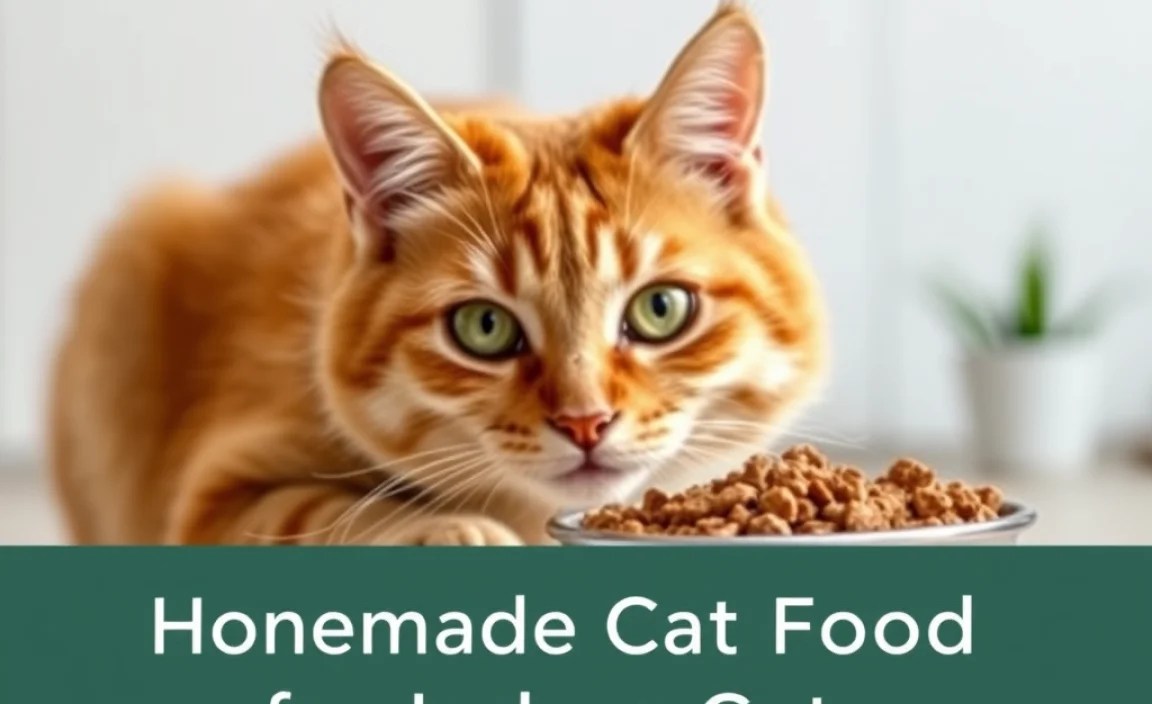
Homemade cat food for indoor cats can be a rewarding way to ensure your feline friend receives fresh, high-quality ingredients tailored to their specific needs, potentially improving their health and vitality.
Are you considering the big step of making your kitty’s meals from scratch? It’s wonderful you’re thinking about your indoor cat’s diet! Many pet parents feel concerned about the ingredients in commercial cat food, wondering if there’s a healthier, more natural option. And there is! Making homemade cat food might seem daunting, but it’s entirely achievable with the right guidance. This guide will break down exactly what you need to know to prepare nutritious and delicious meals for your indoor companion, ensuring they get all the essential nutrients they need right in their own home. Let’s dive into creating a purr-fectly balanced diet!
Feeding your indoor cat can be a journey of understanding their unique nutritional requirements. Unlike their outdoor counterparts who might hunt and forage, indoor cats rely entirely on us for their dietary needs. This makes the quality of their food even more crucial. While commercial cat foods are convenient, many owners seek to control ingredients, avoid fillers, or cater to specific health concerns like allergies or sensitivities. Homemade cat food offers transparency and control, allowing you to be confident about what your cat is eating. Of course, this path requires careful planning to ensure the meals are nutritionally complete. This guide will equip you with the knowledge and steps to create safe, balanced, and appealing homemade food for your cherished indoor feline. We’ll cover everything from essential nutrients to simple recipes and important safety tips, making this transition smooth and successful for both you and your cat.
Why Consider Homemade Cat Food for Your Indoor Cat?

Making your cat’s food at home can offer several compelling advantages, especially for indoor dwellers who have fewer opportunities to supplement their diet naturally. It’s about giving your cat the very best, with ingredients you can trust. Here’s a look at the benefits:
- Ingredient Control: You know exactly what goes into every meal. This is fantastic for cats with allergies or sensitivities to common ingredients like certain grains, artificial preservatives, or dyes found in some commercial foods. You can choose fresh, high-quality meats and other wholesome ingredients.
- Freshness and Palatability: Homemade food is fresh and can be incredibly appealing to cats. The aroma and taste of real meat can encourage even picky eaters to enjoy their meals more heartily.
- Nutritional Customization: You can tailor meals to your cat’s specific life stage (kitten, adult, senior), activity level, and health goals. For instance, you might adjust protein or fat content based on veterinary advice.
- Potentially Improved Health: Many owners report improvements in their cat’s coat shininess, energy levels, and digestive health after switching to a well-formulated homemade diet. This is often due to the absence of artificial additives and the presence of highly digestible, real food ingredients.
- Cost-Effectiveness (Potentially): While initial investment in ingredients might seem high, in the long run, preparing food in bulk can sometimes be more economical than buying premium commercial cat food, especially if you shop smart for ingredients.
Understanding Your Indoor Cat’s Nutritional Needs

Cats are obligate carnivores, meaning their bodies are designed to thrive on a diet primarily composed of animal-based protein. This is true for both indoor and outdoor cats, but it’s especially important to get right when they rely solely on you for their meals. Indoor cats may have slightly different metabolic rates or energy needs due to less physical activity, but their core nutritional requirements remain the same. Getting these right is paramount to their health and well-being.
Essential Nutrients for Cats
A balanced homemade diet must provide all the necessary nutrients in the correct proportions. Here are the key components:
- Protein: This is the cornerstone of a cat’s diet. Cats need high-quality animal protein for muscle development, energy, and countless bodily functions. Good sources include chicken, turkey, beef, lamb, and fish.
- Fat: Animal fats are crucial for energy, skin and coat health, and absorption of fat-soluble vitamins. Sources like chicken fat or fish oil can be beneficial.
- Vitamins: Cats need a range of vitamins, including A, D, E, K, and B vitamins. Taurine, an essential amino acid, is particularly vital and must be sourced from animal protein or supplements.
- Minerals: Calcium and phosphorus are critical for bone health. Other important minerals include potassium, magnesium, and trace elements. The balance between calcium and phosphorus is especially important.
- Water: Essential for all life processes. Wet food provides a significant amount of water, which is beneficial for cats, especially those prone to urinary issues. Ensure fresh water is always available.
Taurine: A Critical Amino Acid
Taurine is an essential amino acid that cats cannot synthesize sufficiently on their own. A deficiency can lead to serious health problems, including blindness and heart disease. It is found in significant amounts in muscle meat, especially heart. When preparing homemade cat food, ensuring adequate taurine intake is non-negotiable.
Calcium and Phosphorus Balance
The ratio of calcium to phosphorus is vital for maintaining healthy bones and overall bodily function. A common imbalance in homemade diets comes from using too much meat (high in phosphorus) without enough calcium. This can lead to severe skeletal problems. For every part of calcium, there should be roughly 1 to 1.3 parts of phosphorus. This often means adding a calcium supplement, like calcium carbonate or calcium citrate, to your recipes.
Getting Started: What You’ll Need

Embarking on the journey of making homemade cat food is exciting! To ensure success, it’s helpful to have the right tools and ingredients ready. Planning is key to making this a sustainable and enjoyable part of your routine.
Essential Kitchen Tools
You don’t need a professional kitchen, but a few well-chosen tools will make the process much smoother:
- Food Processor or Grinder: For pureeing meats and ingredients to a palatable consistency. A meat grinder is excellent for fresh meat, while a food processor works well for cooked ingredients or softer raw items.
- Sharp Knives and Cutting Board: For preparing raw meats and other ingredients.
- Measuring Cups and Spoons: Accuracy is crucial for getting the nutrient balance right.
- Mixing Bowls: Various sizes for combining ingredients.
- Storage Containers: Airtight containers or resealable bags for storing prepared meals in the refrigerator and freezer.
- Kitchen Scale: For precise weighing of ingredients, especially if following specific veterinary nutritionist recommendations.
- Cooking Pot (if cooking recipes): For boiling or steaming meats and vegetables.
Sourcing Quality Ingredients
The foundation of good homemade cat food is high-quality ingredients. Prioritize lean meats and avoid anything that is spoiled or questionable.
- Meats: Fresh, raw, or cooked lean meats like chicken, turkey, beef, lamb, rabbit, or fish are excellent primary ingredients. Organ meats, particularly heart and liver, are nutrient-dense but should be fed in moderation. Always use meat from reputable sources.
- Supplements: This is where precision is vital. You will likely need a balanced vitamin and mineral supplement specifically formulated for homemade cat food. A good source of taurine, vitamin E, and a calcium source (like calcium carbonate or citrate) are often essential. Consulting a veterinary nutritionist is the best way to determine the exact supplements and dosages your cat needs.
- Optional Add-ins (use with care): Small amounts of cooked, unseasoned vegetables like pumpkin, green beans, or carrots can add fiber and some nutrients. Some owners add small amounts of omega-3 fatty acids from fish oil. Avoid onions, garlic, and excessive amounts of any ingredient.
Key Considerations Before You Start
Before you clear out your pantry and start chopping, it’s essential to have a solid understanding of the responsibilities and potential pitfalls of making homemade cat food. Your cat’s health is the top priority, and preparation is key to avoiding common mistakes.
Consult Your Veterinarian or a Veterinary Nutritionist
This is perhaps the MOST important step. Cats have very specific dietary needs that can be tricky to meet with homemade diets. An imbalance, especially in calcium and phosphorus, can lead to serious and irreversible health issues. A board-certified veterinary nutritionist is the best resource. They can help you formulate a recipe that is complete and balanced for your specific cat, taking into account their age, health status, and any existing conditions. They can also recommend appropriate supplements and dosages.
You can find a veterinary nutritionist through resources like the American College of Veterinary Nutrition (ACVN).
Gradual Transition is Crucial
Cats can be notoriously picky eaters and have sensitive digestive systems. Introducing new food too quickly can lead to appetite loss or digestive upset (vomiting, diarrhea). When switching to homemade food, do so gradually over 7-10 days. Start by mixing a small amount of the homemade food with their current food, and slowly increase the proportion of homemade food while decreasing the commercial food over the transition period.
Storage and Food Safety
Just like with human food, proper handling and storage are vital to prevent bacterial contamination.
- Hygiene: Wash your hands thoroughly before and after preparing your cat’s food. Ensure all utensils, cutting boards, and surfaces are clean.
- Raw vs. Cooked: If using raw meat, source it from reputable suppliers and handle it with extreme care to minimize the risk of pathogens like Salmonella or E. coli. Some owners prefer to cook the ingredients to eliminate this risk, though this can alter nutrient availability slightly.
- Refrigeration: Store prepared food in airtight containers in the refrigerator for no more than 2-3 days.
- Freezing: For longer storage, divide the food into single-serving portions and freeze. Properly stored frozen food can last for 1-3 months. Thaw food in the refrigerator, not at room temperature.
Basic Homemade Cat Food Recipes (for Demonstration)

These recipes are for illustrative purposes only and are NOT guaranteed to be nutritionally complete. It is essential to consult with a veterinary nutritionist to get a recipe customized for your cat. These examples can give you an idea of how ingredients are combined.
Recipe 1: Simple Chicken & Rice (Cooked)
This recipe is designed to be moderate in protein and easier to digest, incorporating a common base ingredient.
Ingredients:
- 1 lb boneless, skinless chicken thighs (cooked and shredded/ground)
- 1/2 cup cooked white rice (plain, unseasoned)
- 2 tablespoons cooked chicken liver (chopped finely)
- 1 teaspoon chicken fat rendered from cooking
- 1/4 teaspoon pureed pumpkin (for fiber)
- Essential Homemade Cat Food Supplement Mix (as directed by your vet nutritionist – this must include taurine, calcium, and a balanced vitamin/mineral blend)
Instructions:
- Cook chicken thighs until thoroughly done. Reserve a small amount of cooking juice if desired.
- Cook white rice according to package directions, using plain water.
- Finely chop or grind the cooked chicken and chicken liver.
- In a mixing bowl, combine the shredded chicken, cooked rice, chopped liver, chicken fat, and pureed pumpkin.
- Add the veterinarian-recommended homemade cat food supplement mix and stir thoroughly until all ingredients are evenly distributed.
- Allow to cool completely before serving or portioning for freezing.
Recipe 2: Ground Turkey & Sweet Potato (Cooked)
This option offers a different protein source and a slightly different nutrient profile. Again, supplements are critical.
Ingredients:
- 1 lb ground turkey (93% lean or similar, cooked)
- 1/2 cup cooked sweet potato (plain, mashed)
- 2 tablespoons cooked turkey heart (finely ground)
- 1 teaspoon salmon oil (for Omega-3s)
- 1/4 cup cooked and pureed green beans (for fiber)
- Essential Homemade Cat Food Supplement Mix (as directed by your vet nutritionist – including taurine, calcium, and a balanced vitamin/mineral blend)
Instructions:
- Cook the ground turkey until no pink remains. Drain off excess fat, but reserve about 1 teaspoon.
- Cook sweet potato until tender, then mash.
- Cook turkey heart until thoroughly done, then finely grind.
- In a mixing bowl, combine the cooked ground turkey, mashed sweet potato, ground turkey heart, reserved chicken fat, and pureed green beans.
- Add the veterinarian-recommended homemade cat food supplement mix and stir well to ensure uniform distribution.
- Let cool completely before serving or storing.
Recipe 3: Beef & Organ Mix (Raw – for advanced users with vet guidance)
This is a more complex recipe that mimics a “prey model” diet more closely but requires expert guidance for balance and safety. It’s essential to source meat from trusted, human-grade raw pet food suppliers or butcher shops.
Ingredients:
- 1 lb lean boneless beef chuck (ground or finely diced)
- 4 oz beef liver (ground or finely diced)
- 2 oz beef heart (ground or finely diced)
- 3 oz cooked boneless skinless chicken thighs or turkey (for added protein diversity, optional)
- 1/4 teaspoon pureed spinach (for fiber and some nutrients)
- 1/2 teaspoon rendered chicken fat or salmon oil
- Essential Homemade Cat Food Supplement Mix (as directed by your vet nutritionist – crucially important for raw diets due to lack of natural cooking sterilization and tighter nutrient needs. Must include taurine, calcium, balanced vitamins/minerals.)
Instructions:
- Ensure all raw ingredients are from a safe, reputable source. Handle with extreme care to prevent cross-contamination.
- If any ingredients require cooking (like chicken thighs in this example), cook them thoroughly, cool, and chop/grind. If using all raw ingredients, ensure they are finely processed.
- In a large mixing bowl, combine the ground beef, beef liver, beef heart, and any cooked ingredients.
- Add the pureed spinach and rendered fat or salmon oil.
- Carefully add the veterinarian-recommended homemade cat food supplement mix.
- Mix everything thoroughly with clean hands or a sturdy utensil, ensuring the supplements are distributed evenly throughout the mixture.
- Portion into airtight containers. For raw diets, it is recommended to use within 1-2 days if refrigerated, or freeze portions for longer-term storage.
Proportions Table (Illustrative of a Balanced Meal Structure)
It’s important to note that these are general guidelines for illustrative purposes. A veterinary nutritionist is highly recommended to determine the precise proportions for your specific cat.
| Nutrient Category | Approximate Percentage of Diet | Why It’s Important | Common Sources |
|---|---|---|---|
| Animal Protein (muscle meat) | 70-80% | Essential for muscle, energy, amino acids. | Chicken, turkey, beef, lamb, rabbit, fish. |
| Organ Meats (liver, heart) | 5-10% | Rich in vitamins (A, B), minerals, and taurine (especially heart). | Chicken, beef, lamb liver/heart. |
| Animal Fat | 5-10% | Energy source, supports skin/coat, aids vitamin absorption. | Fat from meat, rendered chicken skin, fish oil. |
| Bone (or bone meal/calcium supplement) | 5-10% (as calcium source) | Provides essential calcium for bones and teeth. (Crucial: Must be balanced with phosphorus from meat) |
Ground edible bone, calcium carbonate, calcium citrate. |
| Fiber/Carbohydrates (optional, very limited) | 0-5% | Aids digestion (e.g., pumpkin). (Cats do not require carbs) |
Pureed pumpkin, cooked carrots, green beans. |
| Vitamins & Minerals (Supplements) | Trace amounts, but critical | Fills nutritional gaps from whole foods; ensures complete balance. (MUST be veterinarian-approved.) |
Specific commercial supplements for homemade diets, taurine. |
Tips for Making Homemade Cat Food Easy
Consistency is key for both your cat’s digestion and your sanity. Here are some tips to make the process of preparing homemade food more manageable:
- Batch Cooking: Prepare a large batch of food once a week or every two weeks. Divide it into single-serving portions and freeze what you won’t use within 2-3 days. This saves time on busy weekdays.
- Invest in a Good Grinder: