
For cat owners seeking a healthier diet for their feline friends, homemade cat food low in fat offers a nutritious and controllable alternative. This guide provides simple, safe steps to create balanced, low-fat meals your cat will love, ensuring optimal health and well-being.
Homemade Cat Food Low Fat: Your Essential Guide to a Healthier Feline Diet

Worried about your cat’s weight or specific dietary needs? Deciding to make your cat’s food at home can feel overwhelming, especially when trying to manage fat content. Many commercially available foods can be surprisingly high in fats, contributing to feline obesity and related health issues. But don’t fret! Creating delicious, low-fat meals for your kitty is simpler than you think. This guide will walk you through everything you need to know, from understanding feline nutritional needs to preparing safe, balanced, and low-fat recipes. Let’s get started on a healthier journey for your beloved companion!
Why Opt for Low-Fat Homemade Cat Food?

Choosing to prepare your cat’s food at home, especially a low-fat variety, can offer several significant benefits. It’s not just about control; it’s about proactive care tailored to your cat’s unique physiology. Let’s explore why this approach can be a game-changer.
Managing Weight and Preventing Obesity
Feline obesity is a widespread problem, leading to serious health conditions like diabetes, arthritis, and heart disease. A low-fat diet is crucial for cats who are overweight or prone to gaining weight easily. By controlling the fat content, you help your cat achieve and maintain a healthy weight, reducing the strain on their body and improving their overall quality of life.
Addressing Specific Health Conditions
Certain health issues, such as pancreatitis, inflammatory bowel disease (IBD), or kidney disease, often require a diet that is lower in fat. Homemade food allows you to precisely tailor the nutrient profile, ensuring it meets the specific therapeutic needs recommended by your veterinarian. This direct control is often impossible with commercial pet foods.
Avoiding Allergens and Sensitivities
Some cats have sensitivities or allergies to certain ingredients commonly found in commercial cat food, such as grains, specific proteins, or artificial additives. Making food at home lets you carefully select ingredients, avoiding any that might cause adverse reactions for your cat, leading to a happier, more comfortable pet.
Enhanced Ingredient Quality and Freshness
When you make your cat’s food, you know exactly what’s going into their bowl. You can choose high-quality, fresh ingredients. This ensures your cat receives wholesome nutrition without the fillers, artificial colors, or preservatives that can be present in some mass-produced pet foods.
Potential Cost Savings
While it might seem more expensive initially, in the long run, preparing homemade cat food can be more cost-effective, especially if you buy ingredients in bulk. This budget-friendly aspect makes it an attractive option for many pet owners looking for healthy alternatives.
Understanding Feline Nutritional Needs for Low-Fat Diets

Cats are obligate carnivores, meaning their diet must be primarily composed of animal-based proteins. When formulating a low-fat diet, it’s essential to ensure you still meet all their essential nutritional requirements. Simply removing fat without replacing necessary nutrients can be detrimental.
Macronutrient Balance: Protein, Fat, and Carbohydrates
Cats require a high amount of protein. For a low-fat diet, focus on lean protein sources. Fat is essential for energy, nutrient absorption, and skin/coat health, even in a reduced-fat diet, but the goal is to moderate it. Carbohydrates are not a primary need for cats, and a good homemade diet will naturally be low in them.
Essential Fatty Acids
<t/h3>Fatty acids are crucial for your cat’s health. Omega-3 and Omega-6 fatty acids are particularly important for skin, coat, brain health, and reducing inflammation. Even in a low-fat diet, these essential fatty acids must be included, often through specific, lean protein choices or supplements like fish oil, used judiciously.
Vitamins and Minerals
Ensuring your cat receives a wide spectrum of vitamins and minerals is critical. Key nutrients include taurine, an amino acid essential for heart and eye health that cats cannot synthesize themselves. Calcium and phosphorus are vital for bone health. Deficiencies or imbalances can lead to serious health problems. This is where careful formulation and supplementation become vital. Consulting with a veterinary nutritionist is highly recommended to ensure all micronutrient needs are met.
Hydration
Cats have a low thirst drive, and their primary source of hydration should ideally come from their food. Moist homemade meals contribute significantly to their daily water intake, which is important for kidney function and overall health.
Key Ingredients for Low-Fat Homemade Cat Food

Selecting the right ingredients is the foundation of a healthy, low-fat homemade diet for your cat. Focus on lean meats, select vegetables, and essential supplements.
Lean Protein Sources
These are the cornerstone of your cat’s diet. Opt for proteins naturally lower in fat:
- Chicken Breast or Turkey Breast (skinless): Excellent sources of lean protein.
- Lean Fish: White fish like cod or tilapia, but feed in moderation due to potential mercury content and thiaminase. Canned tuna or salmon in water (low sodium) can be occasional treats, but not a staple.
- Rabbit Meat: A very lean and novel protein, good for cats with sensitivities.
- Lean cuts of Beef or Lamb: Trim visible fat thoroughly.
Low-Fat Carbohydrate and Fiber Sources (in moderation)
While cats don’t strictly require carbohydrates, small amounts of digestible carbs can provide energy and fiber. Ensure they are cooked thoroughly.
- Cooked Rice (white or brown): Plain and boiled.
- Cooked Oats: Plain and cooked.
Nutrient-Rich Additions
These add valuable vitamins, minerals, and moisture.
- Cooked Vegetables: Small amounts of steamed or boiled puréed vegetables like pumpkin, carrots, green beans, or zucchini can add fiber and nutrients. Avoid onions, garlic, and other toxic vegetables.
- Organ Meats (in moderation): Liver is packed with nutrients but is also rich. Use small, controlled amounts (typically as a supplement for vitamins), especially for vitamins A and D. Do not overfeed.
Essential Supplements
This is perhaps the most critical part of homemade cat food, ensuring a complete and balanced diet.
- Taurine: Absolutely essential. Cats cannot produce enough taurine on their own. It must be supplemented, especially when the diet is not based on whole animal prey.
- Calcium and Phosphorus: Typically provided as a calcium supplement (e.g., calcium carbonate or calcium citrate) to balance the phosphorus found in meat. The ratio is crucial.
- Essential Fatty Acids: Fish oil (highly purified, specific for pets) can provide Omega-3s. Ensure a good balance with Omega-6s, which is often present in the meat itself.
- Vitamin and Mineral Mixes: A comprehensive vitamin/mineral supplement formulated for cats is often the easiest way to ensure all micronutrient needs are met. Look for veterinary-approved options.
Getting Started: Tools and Preparation
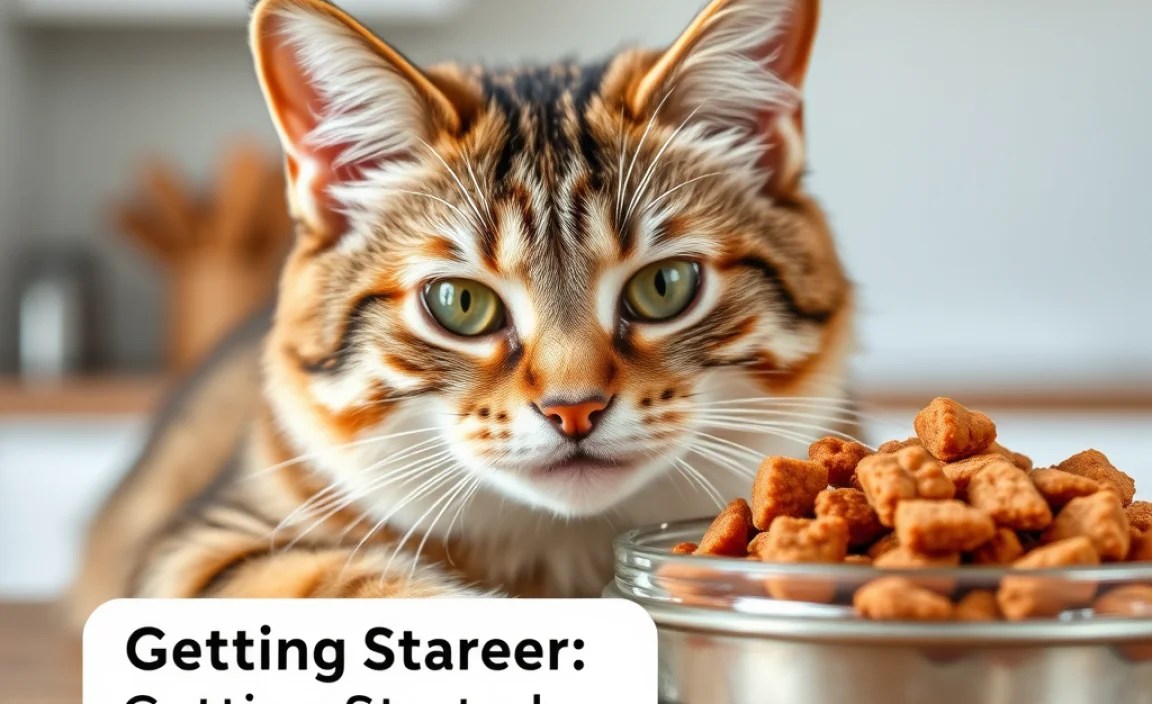
Gathering the right tools and understanding the preparation process will make creating homemade cat food a breeze.
Essential Kitchen Tools
- Food Processor or Blender: For puréeing ingredients to a smooth, palatable consistency, especially vegetables and cooked meats.
- Meat Grinder (optional): If you’re using whole cuts of meat, a grinder can help achieve the right texture.
- Sharp Knives and Cutting Board: For preparing meats and vegetables.
- Cookware: Pots and pans for boiling, steaming, and cooking meats and vegetables.
- Kitchen Scale: Crucial for accurately weighing ingredients and supplements to ensure proper portion control and nutritional balance.
- Measuring Cups and Spoons: For dry and liquid ingredients.
- Airtight Storage Containers or Freezer Bags: For storing prepared meals.
Basic Preparation Steps
The process of making homemade cat food is straightforward. It involves cooking, combining, and portioning.
- Cook Protein Sources: Boil, bake, or steam lean meats until thoroughly cooked. Ensure any fat is skimmed off during cooking or after.
- Cook Carbohydrates and Vegetables (if used): Boil or steam until very soft. This makes them easier to digest and purée.
- Purée or Grind: Process cooked meats, vegetables, and carbohydrates in a food processor or blender until you achieve a smooth or slightly textured consistency your cat prefers. Some cats enjoy a chunkier texture, while others prefer a pâté.
- Incorporate Organ Meats (correctly): Small amounts of cooked organ meat (like liver) should also be puréed and added to the main mixture.
- Add Supplements: Once the mixture has cooled slightly, carefully add your measured supplements (taurine, calcium, vitamins, etc.). Mixing them thoroughly ensures even distribution.
- Portion and Store: Portion the food into single-meal servings. Store fresh portions in the refrigerator for up to 3 days, or freeze for longer storage (up to 3-6 months).
A Sample Low-Fat Homemade Cat Food Recipe Framework
This is a foundational framework. Remember, the precise amounts of vitamins, minerals, and supplements are critical and should be calculated based on your cat’s specific needs and the base ingredients used. Consulting a veterinary nutritionist is the safest way to get a perfectly balanced recipe.
| Ingredient Category | Typical Percentage Range | Example Low-Fat Options |
|---|---|---|
| Lean Muscle Meat | 70-80% | Skinless chicken/turkey breast, lean rabbit |
| Organ Meats (e.g., Liver, Heart) | 10-15% (with liver being approx. 5% due to Vitamin A) | Chicken liver, beef liver, chicken heart |
| Digestible Carbohydrate/Fiber (Optional, use sparingly) | 0-10% | Cooked white rice, puréed pumpkin |
| Essential Supplements (Taurine, Calcium, Vitamins, Minerals, Fatty Acids) | As per veterinary nutritionist’s calculation | Taurine powder, calcium carbonate, balanced vitamin/mineral mix, fish oil |
Important Note: This table is for illustrative purposes only. The exact percentages of supplements and specific nutrient amounts require expert calculation. A veterinary nutritionist can create a precise recipe based on your cat’s age, activity level, and health status.
Safety and Best Practices for Homemade Cat Food
Ensuring the safety and nutritional completeness of your cat’s homemade food is paramount. A few key practices will help you excel.
Consult Your Veterinarian or a Veterinary Nutritionist
This cannot be stressed enough. Before you begin making homemade food, consult with your veterinarian. They can rule out any underlying health issues and refer you to a board-certified veterinary nutritionist who can create a scientifically balanced recipe tailored to your cat. Resources like the World Small Animal Veterinary Association (WSAVA) Global Nutrition Committee provide excellent information on pet nutrition standards.
Food Safety and Hygiene
Just like preparing food for yourself, cleanliness is key.
- Wash your hands thoroughly before and after handling raw meats.
- Use separate cutting boards and utensils for raw meats versus other ingredients.
- Sanitize all surfaces, bowls, and utensils after use.
- Cook all meats thoroughly to kill harmful bacteria like Salmonella and E. coli.
- Store prepared food properly in airtight containers in the refrigerator or freezer.
Avoiding Common Pitfalls
- Nutritional Imbalances: The most significant risk. Even a slight deficiency in a nutrient like taurine can be fatal. Always use a tested recipe and appropriate supplements.
- Harmful Ingredients: Never feed your cat foods toxic to them, such as onions, garlic, grapes, raisins, chocolate, or xylitol.
- Bones: Never feed cooked bones, as they can splinter and cause internal damage. Raw bones can be a choking hazard and carry bacterial risks; consult an expert if considering this. For low-fat diets, bones are rarely a component.
- Sudden Diet Changes: Transition your cat slowly from their old food to the new homemade diet over 7-10 days to avoid digestive upset.
Transitioning Your Cat to Homemade Food
Switching your cat to a new diet, especially homemade, requires patience and a gradual approach to minimize digestive upset and ensure acceptance.
The Slow Transition Method
A gradual introduction is key. Start by offering a tiny portion of the new food mixed with their current food. Over several days, slowly increase the proportion of homemade food while decreasing the old food.
| Days | Percentage of New Food | Percentage of Old Food |
|---|---|---|
| 1-3 | 25% | 75% |
| 4-6 | 50% | 50% |
| 7-9 | 75% | 25% |
| 10+ | 100% | 0% |
Monitoring Your Cat During Transition
Keep a close eye on your cat for any signs of digestive upset, such as vomiting, diarrhea, or loss of appetite. If you notice any issues, slow down the transition process or consult your veterinarian.
Palatability
Some cats can be picky eaters. If your cat is hesitant, try warming the food slightly to enhance its aroma, or incorporate a small amount of highly palatable, vet-approved cat broth (ensure it’s low sodium and without onion/garlic).
Frequently Asked Questions About Low-Fat Homemade Cat Food
Is low-fat homemade cat food safe for all cats?
Low-fat homemade cat food can be safe and beneficial for many cats, especially those needing weight management or with specific health conditions. However, it’s crucial to have a balanced recipe created by a veterinary nutritionist to ensure all required nutrients are met, as cats have unique dietary needs.
How do I ensure my homemade cat food is nutritionally complete and balanced?
The most reliable way is to use a recipe formulated by a board-certified veterinary nutritionist. They will calculate precise amounts of macronutrients, vitamins, minerals, and essential amino acids like taurine and calcium, based on your cat’s individual needs.
What are the key signs I should look for if my cat is not tolerating the new food?
Watch for signs of digestive upset such as vomiting, diarrhea, constipation, gas, or lethargy. Loss of appetite or changes in grooming habits can also indicate a problem. If any concerns arise, contact your veterinarian.
Can I feed raw meat for homemade cat food?
Feeding raw meat carries risks of bacterial contamination (e.g., Salmonella, E. coli) for both your cat and humans in the household. While some owners opt for raw diets, thorough research, strict hygiene, and expert guidance are essential. For low-fat diets, cooked lean meats are generally easier to manage safely and digestibly.
How much homemade food should I feed my cat?
The amount depends on your cat’s age, weight, activity level, and metabolism. A veterinary nutritionist can help you determine the appropriate daily caloric intake and portion sizes based on a balanced recipe. For weight management, precise portion control is vital.
What are good lean protein sources for low-fat homemade cat food?
Excellent choices include skinless chicken or turkey breast, lean rabbit meat, and lean cuts of beef or lamb with all visible fat trimmed. White fish like cod or tilapia can also be used in moderation.
Is it okay to use vegetables in homemade cat food?
Yes, in moderation, small amounts of cooked and puréed vegetables like pumpkin, carrots, or green beans can add fiber and some nutrients. However, cats are carnivores, so they are not a primary dietary component. Avoid toxic vegetables like onions and garlic.
Conclusion
Embarking on the journey of preparing homemade, low-fat cat food is a rewarding way to take an active role in your feline friend’s health. By understanding their unique nutritional requirements, selecting lean, wholesome ingredients, and prioritizing safety and balance with the guidance of veterinary professionals, you can create delicious meals that support your cat’s well-being. Remember, consistency, careful portioning, and a slow transition will pave the way for a healthier, happier life for your beloved companion. Your dedication to their diet is a testament to your love, and with this knowledge, you’re well-equipped to provide them with the very best.