
Homemade cat food with a soft texture is achievable by using finely ground meats, moisture-rich ingredients, and gentle cooking methods. This guide makes creating nutritious, palatable meals for your feline companion simple and stress-free.
Does your cat turn their nose up at dry kibble? Are you looking for a healthier, more affordable way to feed your furry friend? Making homemade soft cat food can seem daunting, but it’s simpler than you think! Many pet parents worry about getting the texture just right so their cats will actually eat it. I’m here to show you how to whip up delicious, nutritious soft food your cat will love, all while ensuring it’s balanced and safe.
We’ll break down everything you need to know, from choosing the right ingredients to simple preparation methods. Get ready to discover how easy it can be to provide your beloved cat with a meal that’s both healthy and incredibly tasty. Let’s dive in and create some purr-fectly soft homemade meals together!
Why Soft Texture Matters for Your Cat

Cats are natural carnivores, and their digestive systems are designed to process soft, moist foods. Think of their wild ancestors: they’d hunt small prey and consume it mostly raw and whole, which is inherently soft and rich in moisture. While modern cats have adapted to various diets, many still have a biological preference for softer textures.
Texture plays a significant role in a cat’s eating experience. A mushy, pâté-like consistency can be more appealing and easier to eat, especially for cats with dental issues, senior cats, or those who are picky eaters. The moisture content in soft food also contributes to a cat’s overall hydration, which is crucial for kidney health and preventing urinary tract problems.
Dry kibble, while convenient, often lacks sufficient moisture and can sometimes contain fillers that are harder for cats to digest. By offering homemade soft food, you gain complete control over the ingredients, ensuring your cat receives optimal nutrition without artificial additives, colors, or preservatives often found in commercial canned options.
Essential Ingredients for Soft Homemade Cat Food

Creating delicious and nutritious soft cat food starts with selecting the right ingredients. The key is to balance protein, fat, vitamins, and minerals while ensuring the food has a smooth, palatable texture. Always source high-quality ingredients from reputable suppliers.
The Protein Powerhouses
Cats are obligate carnivores, meaning their diet must be primarily meat-based. For soft food, opt for lean, protein-rich meats that can be easily cooked and puréed.
- Chicken: Boneless, skinless chicken breast or thighs are excellent choices. They are lean, readily available, and generally well-tolerated by most cats.
- Turkey: Similar to chicken, turkey is a great lean protein source. Ground turkey is particularly convenient.
- Fish: Fatty fish like salmon and mackerel are rich in omega-3 fatty acids, which are great for skin and coat health. However, fish should be fed in moderation (no more than 2-3 times a week) due to potential mercury content and thiamine deficiency risks if it’s the sole protein source. Boil fish thoroughly to deactivate thiaminase, an enzyme that destroys thiamine.
- Beef: Lean cuts of beef can be used, but ensure they are cooked thoroughly. Ground beef is a good option for ease of preparation.
- Organ Meats: Liver (chicken, beef, lamb) is a fantastic source of vitamins and minerals, especially Vitamin A. Heart (chicken, beef) is also a great protein. These should make up a smaller portion of the meal, typically 5-10%.
Moisture and Fat for Palatability and Health
Moisture is vital for cats, and fats provide essential energy and help with nutrient absorption. They also contribute to a soft texture and appeal.
- Water: Plain water is essential for cooking the meat and achieving the desired consistency.
- Broth: Unsalted, low-sodium chicken or bone broth can add flavor and moisture. Ensure it contains no onion or garlic, which are toxic to cats.
- Cat-Safe Fats: A small amount of healthy fat is necessary. Examples include:
- Chicken fat (rendered from chicken skin)
- Fish oil (a source of EPA and DHA, but use sparingly and ensure it’s specifically for pets)
- Taurine: This is an essential amino acid for cats that must be supplemented in homemade diets as it’s primarily found in muscle tissue, especially heart. Look for pure L-Taurine powder.
Vitamins and Minerals for a Balanced Diet
Commercial cat food includes a comprehensive vitamin and mineral premix. When making homemade food, it’s crucial to supplement to ensure your cat’s diet is complete and balanced. Deficiencies can lead to serious health problems. It’s highly recommended to consult with a veterinary nutritionist or use a reliable recipe that specifies appropriate supplements.
Some common supplements include:
- Taurine: As mentioned, essential for heart and eye health.
- Calcium: Typically provided as calcium carbonate or calcium citrate. This is vital for bone health.
- Vitamins: A complete B-complex vitamin supplement, Vitamin E, and others might be needed depending on the base ingredients used.
- Minerals: Such as phosphorus, potassium, and magnesium, often included in a balanced pet vitamin/mineral supplement.
Important Note: Always consult a veterinary nutritionist or your veterinarian before starting a homemade diet. They can help you formulate a balanced recipe tailored to your cat’s specific needs. Websites like the Tufts Pet Food Formula or resources from the World Small Animal Veterinary Association (WSAVA) can provide valuable information.
Tools You’ll Need
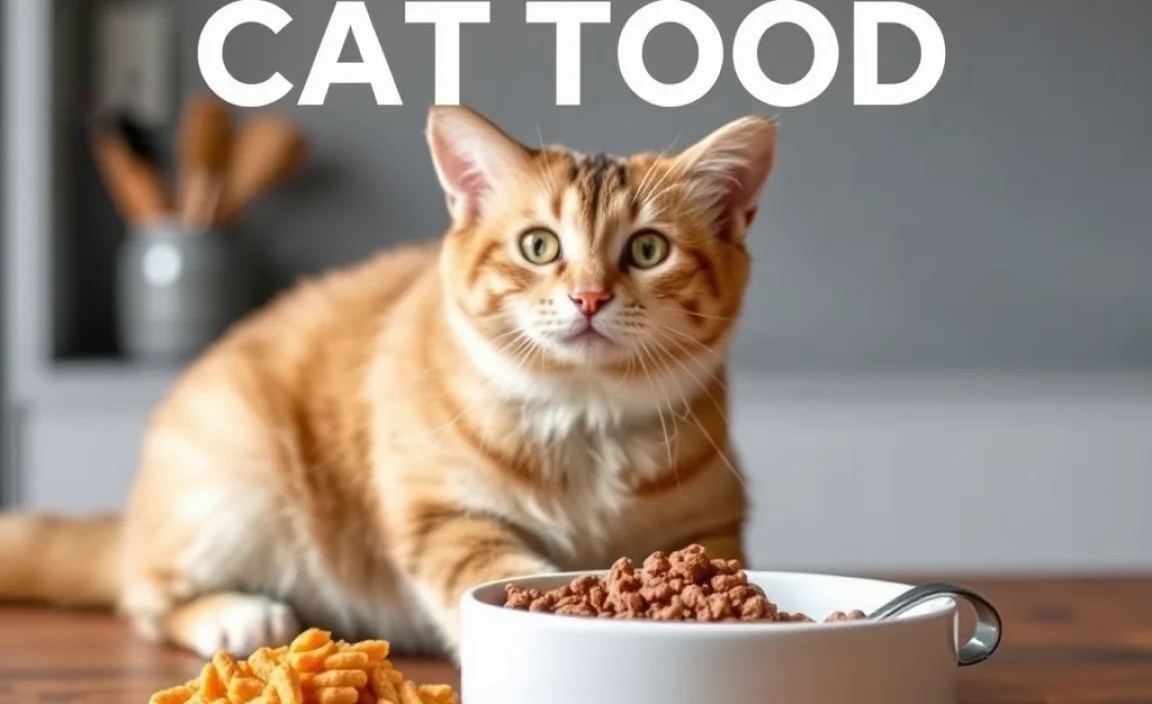
Gathering the right tools will make the process of making homemade soft cat food smooth and efficient. You don’t need a professional kitchen, just a few essential items.
- Cutting Board and Knife: For portioning and preparing raw meats if you’re starting from larger cuts.
- Meat Grinder (Optional but Recommended): A food grinder (manual or electric) is fantastic for achieving a consistent, soft texture from whole meats.
- Food Processor or Blender: This is crucial for pureeing cooked meats and other ingredients into a smooth, pâté-like consistency.
- Large Pot or Saucepan: For boiling or gently cooking the meats and other components.
- Measuring Cups and Spoons: Accuracy is key, especially when adding supplements.
- Storage Containers: Airtight glass or BPA-free plastic containers for refrigerating or freezing portions.
- Kitchen Scale: For precise measurement of ingredients, especially when following specific recipes.
- Spatula: For scraping down bowls and transferring food.
Step-by-Step Guide to Making Homemade Soft Cat Food

Creating soft-textured homemade cat food is a process that involves preparation, cooking, and careful portioning. Here’s a straightforward guide to get you started. Remember to always practice good kitchen hygiene when handling raw meats.
Step 1: Prepare Your Protein
Start with your chosen protein source. If using whole chicken breast or thigh, remove any excess fat or skin. If using ground meat, no further prep is typically needed.
For meats that require cooking (most options for beginners), cut them into manageable pieces for boiling. Organ meats like liver should also be cut into smaller pieces. If you’re using a meat grinder, grind raw meat before* cooking for a finer texture. However, cooking meat first and then grinding or processing is safer and often easier for beginners.
Step 2: Cook the Ingredients
Place your cut meat and organ meats into a pot. Add enough plain water or unsalted, cat-safe broth to cover the ingredients. Bring to a boil, then reduce heat and simmer gently until the meat is thoroughly cooked. Avoid overcooking, as this can make the meat dry and tougher to process.
For fish, ensure it’s cooked through to eliminate any parasites and deactivate thiaminase. Boil until the flesh flakes easily. Drain off most of the cooking liquid, reserving a small amount for later. This cooking liquid is packed with flavor and nutrients!
Step 3: Cool and Process
Once cooked, remove the meat and organ meats from the pot. Let them cool slightly until safe to handle. Reserve the cooking liquid – it’s valuable for adding moisture and flavor.
Transfer the cooled, cooked ingredients into a food processor or blender. Add a small amount of the reserved cooking liquid, or plain water, to help the processing. Begin processing until you achieve a smooth, puréed texture. Add more liquid, a tablespoon at a time, as needed to reach your desired soft, pâté-like consistency. Be careful not to make it too watery.
Step 4: Add Supplements
This is a critical step for ensuring your cat receives a complete and balanced diet. Once the food is processed and cooled to room temperature, carefully add your pre-measured vitamin and mineral supplements, including taurine and calcium. Stir thoroughly to ensure they are evenly distributed throughout the mixture. If you’re unsure about supplement amounts, this is where consulting a veterinary nutritionist is invaluable.
A handy way to ensure even distribution is to mix the supplements with a small amount of the processed food or a liquid (like a little reserved broth) before adding it to the main batch. This helps prevent clumps and ensures your cat gets consistent nutrition in every bite.
Step 5: Portion and Store
Once everything is well-mixed, it’s time to portion your homemade soft cat food. Using an ice cube tray is an excellent method for creating single-serving portions. Fill each compartment with a measured amount of food, then freeze until solid.
Once frozen, transfer the cubes to an airtight, freezer-safe container or a heavy-duty freezer bag. This prevents freezer burn and keeps your food fresh. Label the container with the date and contents. Properly stored, homemade cat food can last in the freezer for 2-3 months.
For daily use, transfer frozen portions to the refrigerator the night before. Refrigerator portions should be used within 3-4 days.
Sample Soft Cat Food Recipes (Beginner-Friendly)

Here are a couple of basic recipes to get you started. Remember that these are foundational, and you should always adjust ingredients and supplements based on veterinary advice for your specific cat.
Recipe 1: Simple Chicken Pâté
This is a classic, well-tolerated recipe that’s easy to make soft.
| Ingredients | Quantity (approx.) | Notes |
|---|---|---|
| Boneless, Skinless Chicken Thighs or Breast | 1 lb (approx. 450g) | Thighs are often more palatable and contain more fat than breast. |
| Broth (unsalted, chicken) or Water | 1-1.5 cups | For cooking and processing. |
| Beef Liver or Chicken Liver | 2 oz (approx. 57g) | Good source of vitamins. |
| Taurine Supplement | 500 mg | Essential amino acid. Check product for specifics. |
| Calcium Citrate or Carbonate | Approx. 1200 mg | Ensure it’s pure calcium powder. Consult vet for exact amount. |
| Balanced Vitamin/Mineral Supplement for Cats | As per product instructions | Look for supplements formulated for homemade raw or cooked diets. |
Instructions:
- Cut chicken and liver into bite-sized pieces.
- Boil chicken and liver in broth or water until thoroughly cooked. Reserve about 1 cup of cooking liquid.
- Drain ingredients, let cool slightly, and transfer to a food processor.
- Process until smooth, adding reserved cooking liquid as needed for a soft, pâté-like consistency.
- Once cooled to room temperature, add taurine, calcium, and vitamin/mineral supplements.
- Stir or pulse again to ensure even distribution.
- Portion into ice cube trays and freeze. Store in airtight containers in the freezer.
Recipe 2: Turkey and Salmon Medley
A slightly richer option with the added benefits of omega-3s from salmon.
| Ingredients | Quantity (approx.) | Notes |
|---|---|---|
| Ground Turkey (93% lean) | 12 oz (approx. 340g) | Ensure no added seasonings. |
| Salmon Fillet (skinless, boneless) | 4 oz (approx. 113g) | Good source of Omega-3s. Cook thoroughly. |
| Broth (unsalted, turkey or chicken) or Water | 1-1.5 cups | For cooking and processing. |
| Chicken Heart | 2 oz (approx. 57g) | Good source of taurine and other nutrients. |
| Taurine Supplement | 500 mg | Check product instructions. |
| Calcium Citrate or Carbonate | Approx. 1200 mg | Consult vet for exact amount based on your recipe. |
| Balanced Vitamin/Mineral Supplement for Cats | As per product instructions | Crucial for nutritional completeness. |
Instructions:
- Boil the ground turkey, chicken heart pieces, and salmon in broth or water until fully cooked. Ensure salmon is cooked through to eliminate thiaminase activity.
- Drain most of the liquid, reserving about 1 cup. Let ingredients cool slightly.
- Transfer cooked ingredients to a food processor. Process until smooth, adding reserved liquid as needed to achieve a soft, moist texture.
- Once cooled to room temperature, add taurine, calcium, and vitamin/mineral supplements.
- Mix thoroughly or pulse in the processor for even distribution.
- Portion into ice cube trays, freeze, and store in airtight containers.
Transitioning Your Cat to Homemade Food
Switching your cat’s diet too abruptly can cause digestive upset. A slow transition is key to success. This means gradually introducing the new food while phasing out the old.
The Gradual Approach:
- Days 1-3: Mix 25% new homemade food with 75% old food.
- Days 4-6: Increase to 50% new food and 50% old food.
- Days 7-9: Try 75% new food and 25% old food.
- Day 10 onwards: Offer 100% homemade food if your cat has tolerated it well.
During this transition, monitor your cat closely for any signs of digestive issues like vomiting, diarrhea, or changes in appetite. If you notice any problems, slow down the transition or revert to the previous ratio for a few more days before trying again. Some cats may have sensitivities even to healthy new ingredients, so be patient. Offering small amounts of the new food alongside their regular diet first can also be very helpful.
Tips for Success and Troubleshooting
Making homemade cat food is rewarding, but there can be a learning curve. Here are some tips and solutions for common challenges:
Making it Palatable
- Texture is Key: If your cat is hesitant, ensure the texture is as smooth as possible. Use a good food processor and don’t be afraid to add a little extra moisture (water or unsalted broth).
- Temperature: Serve food at room temperature or slightly warmed (lukewarm is ideal). Cats’ prey is typically body temperature. Never serve hot food.
- Smell: Ingredients like liver or salmon can enhance the aroma and appeal.
- Variety: Offer different protein sources over rotations. Some cats simply prefer one type of meat over another.
- Add a Topper (Sparingly): A tiny amount of pureed, cooked fish or a sprinkle of nutritional yeast (for flavor, not nutrition) can sometimes entice a picky eater. Do this sparingly to avoid creating a dependency on toppers.
Troubleshooting Common Issues
- Digestive Upset: As mentioned, slow down the transition. If symptoms persist, consult your vet to rule out