
Have you ever watched your cat munch on your beloved plants? It’s frustrating, isn’t it? Many cat owners share this problem. You want to keep your greenery alive, but your curious feline thinks it’s a salad bar.
Did you know that some plants can hurt cats? It’s true! This makes stopping your cat from eating plants even more important. Imagine coming home to a chewed-up fern or a missing houseplant. It can happen so quickly.
In this article, you’ll learn effective ways to keep your cat away from your plants. You’ll find tips that are simple and fun. We’ll explore methods to deter your cat without harm. That way, you can enjoy your plants and keep your kitty safe.
Are you ready to discover how to stop your cat from turning your leafy friends into snacks? Let’s begin this journey together!
How To Stop Cat From Eating Plants: Essential Tips And Tricks

How to Stop Cat from Eating Plants

Cats often view houseplants as tasty snacks, which can be a problem for both your cat and your plants. To keep your furry friend away from your greenery, try using natural deterrents like citrus peels or vinegar. Placing plants out of reach or using sprays specifically made to deter cats can also help. Did you know that some plants are toxic to cats? Keeping your cat safe is just as important as protecting your plants!
Understanding the Problem
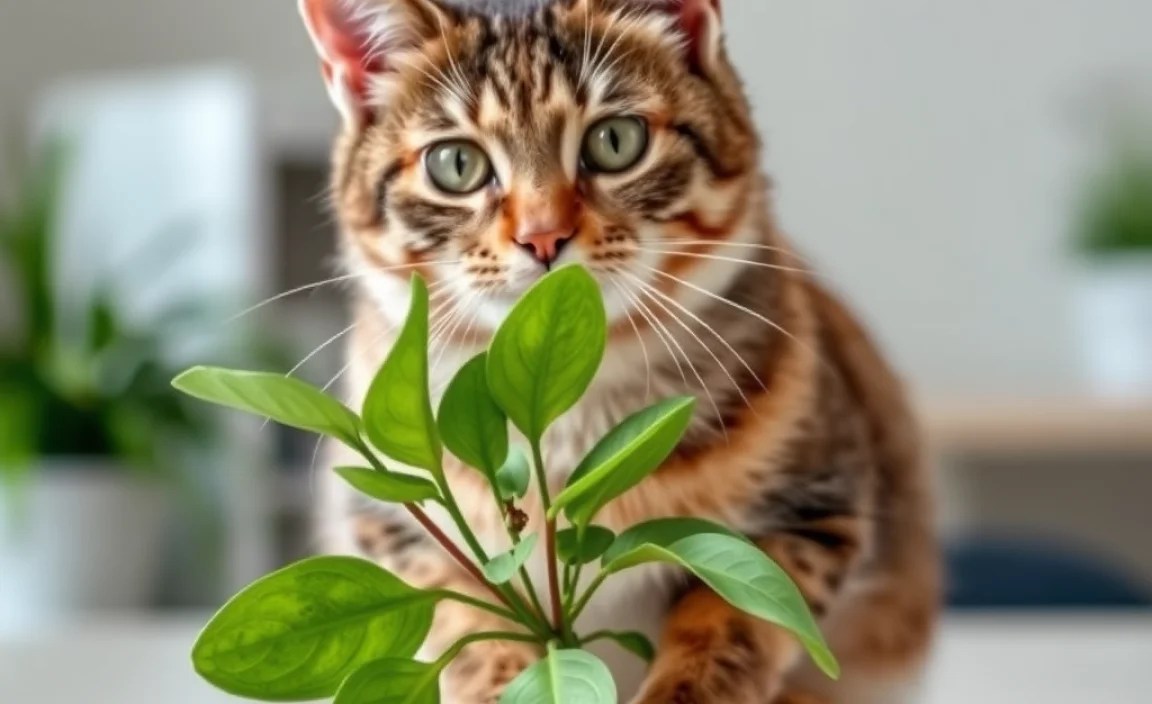
Reasons why cats are attracted to plants. Common types of plants that are harmful to cats.
Cats often love to chew on plants for many reasons. They may enjoy the taste or smell. Some plants even entertain cats. However, certain plants can harm them. Here are common plants to avoid:
- Lilies
- Aloe Vera
- Philodendron
- Dieffenbachia
It’s important to keep these plants away to keep your furry friend safe.
Why does my cat eat my plants?
Many cats are curious and like to explore their environment. **Plants may attract cats because of their textures and scents.** Further, chewing on plants can be a way for them to relieve boredom.
Identifying Safe and Toxic Plants

List of catfriendly plants. List of toxic plants for cats.
Not all plants are kitty-approved! Some plants are safe and make great companions for your feline friend. Others, however, can be dangerous. Here’s a quick guide to keep your plants and your cat safe.
| Cat-Friendly Plants | Toxic Plants for Cats |
|---|---|
| Spider Plant | Lily |
| Bamboo Palm | Azalea |
| Boston Fern | Dieffenbachia |
| Areca Palm | Philodendron |
Simply put, keep the toxic plants away! If your cat munches on them, it might lead to a tummy ache or worse. So, double-check your houseplants to avoid any little bites that might turn into big problems! A happy cat means a happy home, and who can resist a playful kitty? Just not among the plants!
Preventive Measures
Ways to create a catproof environment. Utilizing physical barriers and deterrents.
Keeping your cat away from plants can be easy with some smart steps. Start by adding barriers around your plants. You can use pots with covers or place plants on high shelves. This makes it hard for your cat to reach them. Also, consider using deterrent sprays that cats dislike. These harmless sprays keep cats at bay. Finally, think about using fencing or mesh to protect larger areas where plants grow.
How can I keep my cat from eating plants?
You can create a cat-proof home by using barriers, deterrent sprays, and keeping plants out of reach.
Here are some tips:
- Use plant covers.
- Place plants on high shelves.
- Spray deterrent solutions.
- Use mesh fencing around garden areas.
Alternative Solutions
Offering catsafe alternatives to nibble on. Using cat grass and herbs to satisfy natural instincts.
Instead of scolding your furry friend for munching on your plants, why not give them something fun to nibble? Try offering cat-safe alternatives like cat grass or herbs. These green delights are not just tasty, they also satisfy your cat’s natural instincts. Plus, they won’t turn your home into a plant graveyard! Here’s a quick look at some great options:
| Alternative | Description |
|---|---|
| Cat Grass | A safe, tasty plant that encourages your cat to munch without worry. |
| Catnip | Many cats love this herb, and it can keep them entertained for hours! |
| Wheatgrass | Another great snack that’s good for digestion and fun to chew. |
So, next time your cat looks at your prized fern, offer them one of these instead. Your plants will thank you, and your cat will be purring with joy!
Training Techniques
Positive reinforcement methods to discourage plant eating. Behavioral training tips and tricks.
Want to keep your furry friend from munching on your plants? Use positive reinforcement! Whenever your cat chooses their toys over your greens, reward them with a tasty treat. It’s like giving them a cat-sized high-five! You can also set up training sessions. Gently redirect them with fun games and toys. Consistency is key. With patience and some humor, you can turn your plant-chomping cat into a well-behaved buddy.
| Tip | Action |
|---|---|
| Use Treats | Reward good behavior |
| Redirect Attention | Engage with toys |
| Be Consistent | Repeat actions daily |
| Stay Patient | Keep a smile! |
Using Deterrents
Safe and effective sprays and scents that deter cats. Employing technology, such as motionactivated devices.
There are safe sprays and scents to keep your feline friend away from your plants. Cats dislike strong smells, so citrus or vinegar sprays can work well. You can find ready-made options at pet stores.
Technology can also help. Motion-activated devices can gently deter cats. They make sounds or spray a light mist when someone approaches. This can train your cat to stay away from plants.
Try these methods for a happy home with your plants.
What are some effective deterrents to stop cats from eating plants?
Some effective deterrents include citrus scents, vinegar sprays, and motion-activated devices. These methods can effectively teach cats to avoid plants.
Consulting Professionals
When to seek advice from pet behaviorists. Importance of talking to your veterinarian about dietary needs.
Sometimes, your furry friend just doesn’t get it—like when they think your houseplants are gourmet salad! If their munching becomes a habit, it’s wise to call in backup. Pet behaviorists can give great advice on why your cat might be nibbling away. Remember to check in with your vet, too. They can help ensure your furball gets the right nutrients and isn’t just trying to spice up their diet with greens.
| Professional Help | Why You Need Them |
|---|---|
| Pet Behaviorist | Understand why your cat eats plants. |
| Veterinarian | Ensure proper diet and health. |
Monitoring and Adjusting
Keeping an eye on changes in behavior. Adjusting strategies based on effectiveness and your cat’s responses.
Keep an eye on your cat’s actions. Cats can be sneaky! Watch how they react to changes you make. If one way doesn’t work, try another. Adjust your methods based on what you see. Here are simple ideas:
- Switch plants to higher spots.
- Use bitter sprays on leaves.
- Provide more toys for distraction.
Every cat is different. What works for one may not work for another. Stay patient and try new things!
How can I tell if my cat is learning?
Watch for a change in behavior. If your cat ignores plants more, it’s a good sign!
Conclusion
In conclusion, to stop your cat from eating plants, try these tips: use deterrents, offer alternatives, and create barriers. Keep plants out of reach and provide cat grass instead. Stay patient and consistent. By following these steps, you can protect your plants and keep your cat happy. For more helpful tips, check out additional resources on cat care!
FAQs
What Are Some Safe Deterrents To Keep Cats Away From Houseplants?
To keep cats away from houseplants, you can use a few safe tricks. First, try putting citrus peels around the plants. Cats don’t like the smell of oranges and lemons. You can also use double-sided tape on the pots; cats dislike sticky things. Another idea is to spray a little vinegar around the plants. Cats usually avoid the smell of vinegar too!
Are There Specific Plants That Are Less Appealing Or Toxic To Cats?
Yes, some plants are safe for cats. Spider plants and Boston ferns are good choices. They are not toxic and cats usually ignore them. You should always check if a plant is safe before bringing it home. This helps keep your cat healthy and happy!
How Can I Create A Cat-Friendly Environment That Minimizes Their Interest In My Plants?
To make your home cat-friendly and keep your plants safe, first, give your cat toys to play with. This keeps them busy and less interested in plants. Next, try placing your plants on high shelves or in rooms where the cat can’t go. You can also use safe sprays that smell bad to cats but are fine for plants. Finally, consider growing cat grass instead; it’s safe for your cat to eat!
What Training Techniques Can I Use To Discourage My Cat From Chewing On Plants?
To stop your cat from chewing on plants, you can try a few fun tricks. First, use a spray bottle with water to gently mist your cat when they go near the plants. Next, you can put some safe, bitter-tasting spray on the leaves to make them unappealing. You can also give your cat toys or cat grass to chew on instead. Finally, make sure to keep your plants out of reach!
Can Certain Scents Or Sprays Effectively Repel Cats From My Indoor Garden?
Yes, certain scents can help keep cats away from your indoor garden. Cats dislike smells like citrus, lavender, and vinegar. You can use sprays made from these scents. Just spray them around your plants, but not on the plants themselves. Always check that the spray is safe for your plants first!