
Imagine you’ve cleaned the litter box, but your cat still pees outside it. Frustrating, isn’t it? Understanding how to stop cat from peeing outside litter box can feel like a puzzle. Many pet owners face this challenge. You’re not alone.
Did you know that cats usually avoid messing where they sleep or play? If your furry friend is not using the litter box, there’s often a good reason. It might be stress, health issues, or simply a dirty box.
In this article, we will explore tips and tricks to help change your cat’s behavior. You’ll learn how to create a welcoming space and make the litter box a favorite spot again. Let’s dive in and bring back the joy of having a happy, healthy cat!
How To Stop Cat From Peeing Outside Litter Box: Tips And Solutions

Do you find surprises in odd places from your cat? It’s frustrating! Cats can be picky about their litter box. To help your furry friend, keep the box clean and accessible. Also, make sure you have enough boxes for multiple cats. Different types of litter may appeal to them too. Consider their health; a vet visit could help if problems persist. Remember, a happy cat uses the litter box!
Understanding the Reasons Behind Litter Box Problems

Common medical issues that cause inappropriate urination. Behavioral factors that influence litter box avoidance.
Many cats might choose to steer clear of their litter box, but understanding why can help! First, they could have medical issues like urinary tract infections or kidney problems, which make them uncomfortable. Cats can’t always tell us when they hurt, so it’s good to check with a vet.
On the other hand, some cats avoid their box due to behavioral factors. Stress from changes at home or even the type of litter can play a part. Imagine if someone replaced your favorite snack with broccoli—that’s how they feel! A calm space and a comfy box can do wonders!
| Common Issues | Possible Solutions |
|---|---|
| Medical problems | Visit the vet |
| Stress factors | Create a safe space |
| Unloved litter type | Try different kinds |
Evaluating the Litter Box Setup
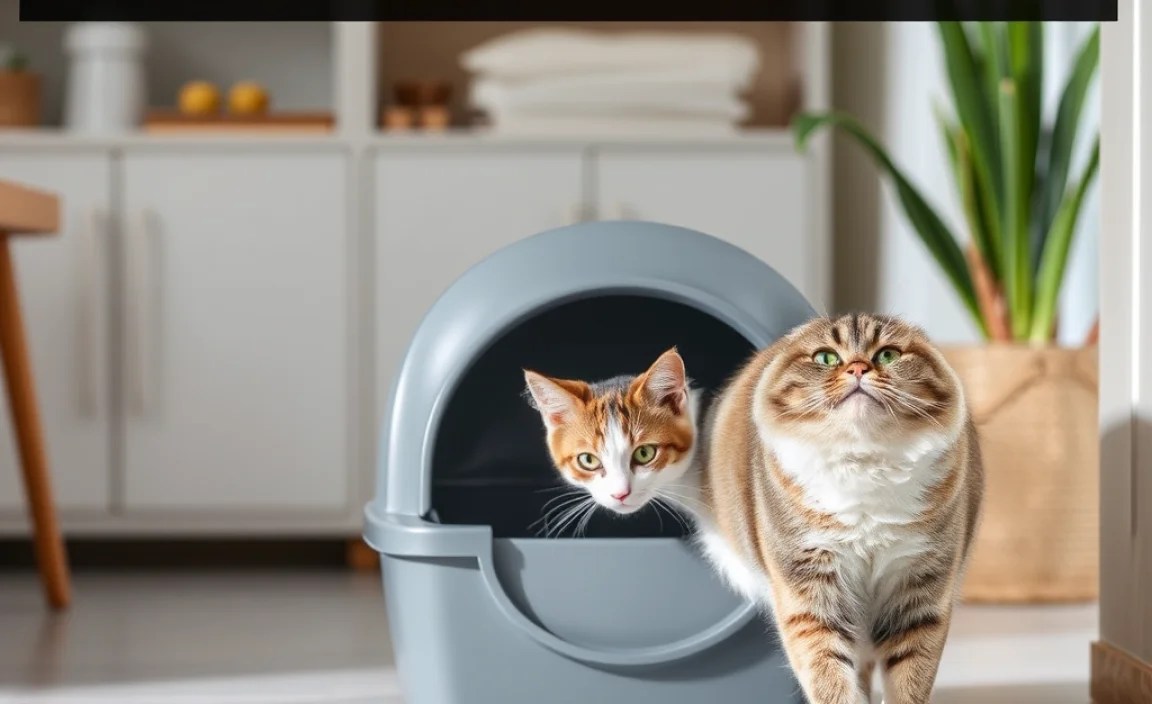
Importance of litter box location and privacy. Suitable litter types and box sizes for different cats.
Finding the right spot for your cat’s litter box is key. Cats love privacy, so pick a nice, quiet corner for their bathroom. Avoid loud areas like the laundry room—unless your cat enjoys the concert! Choose a box that fits your cat’s size. For big cats, a larger box works best, while small cats may need a cozy box. Also, not all litter is created equal! Try different types to see what your cat likes. Here’s a quick guide:
| Cat Size | Recommended Box Size | Best Litter Type |
|---|---|---|
| Small | 16″ x 10″ | Clumping |
| Medium | 18″ x 12″ | Crystal |
| Large | 24″ x 18″ | Natural |
With the right setup, your cat will feel more comfortable and use the box. And remember, a happy cat equals a happy home!
Health Check: When to Consult a Veterinarian

Signs that indicate a potential health problem. Common medical conditions linked to litter box issues.
If your cat is suddenly avoiding the litter box, it might be time for a vet visit. Look for signs of trouble like frequent urination, straining to pee, or blood in the urine. These could mean an upset tummy or a pesky infection. Common issues include urinary tract infections, crystals, or even diabetes! Don’t let tiny warning signs become big problems. Your furry friend will thank you for it!
| Signs to Watch For | Possible Conditions |
|---|---|
| Frequent urination | Urinary tract infection |
| Straining to pee | Bladder stones |
| Blood in urine | Kidney problems |
| Change in drinking habits | Diabetes |
Behavior Modification Techniques
Strategies to encourage appropriate litter usage. Creating a positive association with the litter box.
To help your kitty love the litter box more, use some clever tricks! Start by placing the box in a quiet, cozy spot. Cats value their privacy! Use fresh litter and scoop it daily to keep it clean, like a five-star hotel. You can also sprinkle some catnip near the box to make it exciting. Positive praise works wonders too! When your cat uses the box, give a happy cheer. It’s like a mini celebration every time!
| Technique | Description |
|---|---|
| Location | Quiet and private space for the litter box. |
| Cleaning | Daily scooping for a fresh feel. |
| Encouragement | Cheer and reward kitty when they use it! |
Addressing Stress and Anxiety in Cats
Identifying stressors in the cat’s environment. Techniques for reducing anxiety and promoting comfort.
Understanding what makes your cat stressed is important. Many things can upset them. It could be loud noises, new pets, or changes in their home. Once you identify their stressors, you can help them feel better. Here are some tips:
- Create a quiet space for your cat.
- Use soft bedding and toys to make them feel safe.
- Play with them to keep them happy and calm.
Purring is a sign of a content cat. Try to notice when your cat is relaxed. If they seem anxious, take steps to help them feel secure. A happy cat is less likely to avoid the litter box.
How do I know if my cat is stressed?
Look for signs like hiding, excessive meowing, or sudden changes in eating. Change in behavior shows they are not comfortable. Understanding these signs helps in easing their stress.
Exploring Cat Training Options
Training methods to reinforce litter box habits. Utilizing deterrents for undesired behavior.
Training your cat can feel like a whimsical dance, especially when it comes to their litter box habits. Start by encouraging your furry friend with positive reinforcement. For instance, reward them when they use the box correctly—treats or a little praise goes a long way! Deterrents can also help. Consider using scents that cats dislike near their favorite off-limits spots. This combination makes training both effective and fun!
| Training Method | Description |
|---|---|
| Positive Reinforcement | Reward your cat for using the litter box. |
| Deterrents | Use scents like citrus to keep them away from undesired areas. |
Remember, patience is key! With a sprinkle of humor and lots of love, you’ll have your cat back on track.
Creating a Multi-Litter Box Household
Benefits of having multiple litter boxes. Recommendations for the number and placement of boxes.
Having several litter boxes can be a game changer for kitty happiness. Cats can be picky. Having multiple boxes means they can choose their favorite spot. This helps reduce accidents outside the boxes! A good rule is to have one box per cat, plus one extra. So, if you have two cats, aim for three boxes. Place them in quiet, low-traffic areas so your furry friends can do their business in peace. Think of it like a VIP restroom. Cats appreciate luxury too!
| Number of Cats | Recommended Litter Boxes |
|---|---|
| 1 | 2 |
| 2 | 3 |
| 3 | 4 |
Aftercare: Maintaining Litter Box Hygiene
Best practices for cleaning and maintaining the litter box. Importance of regular litter changes and box cleaning frequency.
Keeping the litter box clean helps your cat feel happy and safe. Follow these best practices for a fresh litter box:
- Change the litter every week.
- Clean the box with soap and water monthly.
- Use a scoop daily to remove waste.
- Keep the box in a quiet, private space.
Regular cleaning helps prevent odors and keeps your cat healthy. A fresh box lowers the chance of accidents outside it. Statistics show that clean boxes may reduce litter box issues by 90%!
Why is it important to clean the litter box?
Cleaning the litter box regularly stops smells and keeps your cat healthy. A tidy space makes your cat feel secure. If the box is dirty, your cat might choose a new potty spot!
Conclusion
In summary, stopping your cat from peeing outside the litter box involves several steps. Make sure the box is clean and in a quiet spot. Check if your cat is sick. Try different litter types to find what they like. If problems persist, visit a vet. With patience, we can help our furry friends feel comfortable using their litter box again!
FAQs
What Are The Common Reasons Cats Might Avoid Using Their Litter Box?
Cats might avoid using their litter box for a few reasons. They may not like the smell or the type of litter. Sometimes, the box is too dirty or too small. Cats can also get scared if they feel unsafe in that area. Lastly, if they are not feeling well, they might not want to use the box at all.
How Can I Determine If My Cat’S Inappropriate Urination Is Due To A Medical Issue?
To check if your cat’s inappropriate urination is a medical problem, watch for other signs. Look for changes in drinking or eating, or if your cat seems to be in pain. You should also notice if your cat is going to the bathroom more often. If you see any of these signs, it’s best to take your cat to the vet. They can help find out what’s wrong.
What Changes Can I Make To My Cat’S Litter Box Setup To Encourage Them To Use It?
To help your cat use the litter box, keep it clean. Scoop out waste every day. Make sure the box is in a quiet, safe spot. Use a litter your cat likes, maybe try clumping or non-clumping types. You can also have more than one box if you have more than one cat.
Are There Specific Types Of Litter Or Litter Box Designs That Might Help Prevent My Cat From Peeing Outside The Box?
Yes, some types of litter can help. Cats often like clumping litter because it feels nice on their paws. You can also try a covered litter box. This makes them feel safe and can stop messes. Make sure to keep the box clean, too!
How Can I Retrain My Cat To Use The Litter Box If They Have Developed A Habit Of Urinating Outside Of It?
To help your cat use the litter box again, start by keeping it clean. Cats like a tidy place to go. Make sure it’s in a quiet, safe spot. If your cat has an accident, clean it well to remove smells. You can also try using a different type of litter they might like better. Be patient and give your cat some time to change their habit.