
Have you ever thought about taking your cat for a stroll? It sounds funny, right? But many cat owners are discovering the joy of training their furry friends to walk on a leash. Imagine your cat strutting down the street, tail held high. It could be a fun adventure for both you and your pet!
Training your cat to walk on a leash is not impossible. It requires patience and a few easy techniques. Did you know that many cats actually enjoy exploring new places? A leash gives them freedom while keeping them safe. Your cat might love the sights, sounds, and smells outside!
In this article, we’ll explore how to train your cat to walk on a leash. We’ll cover simple tips that make this process fun and enjoyable. So, if you’re curious about how to start this adventure, read on!
How To Train Your Cat To Walk On Leash Effectively

How to Train Your Cat to Walk on Leash

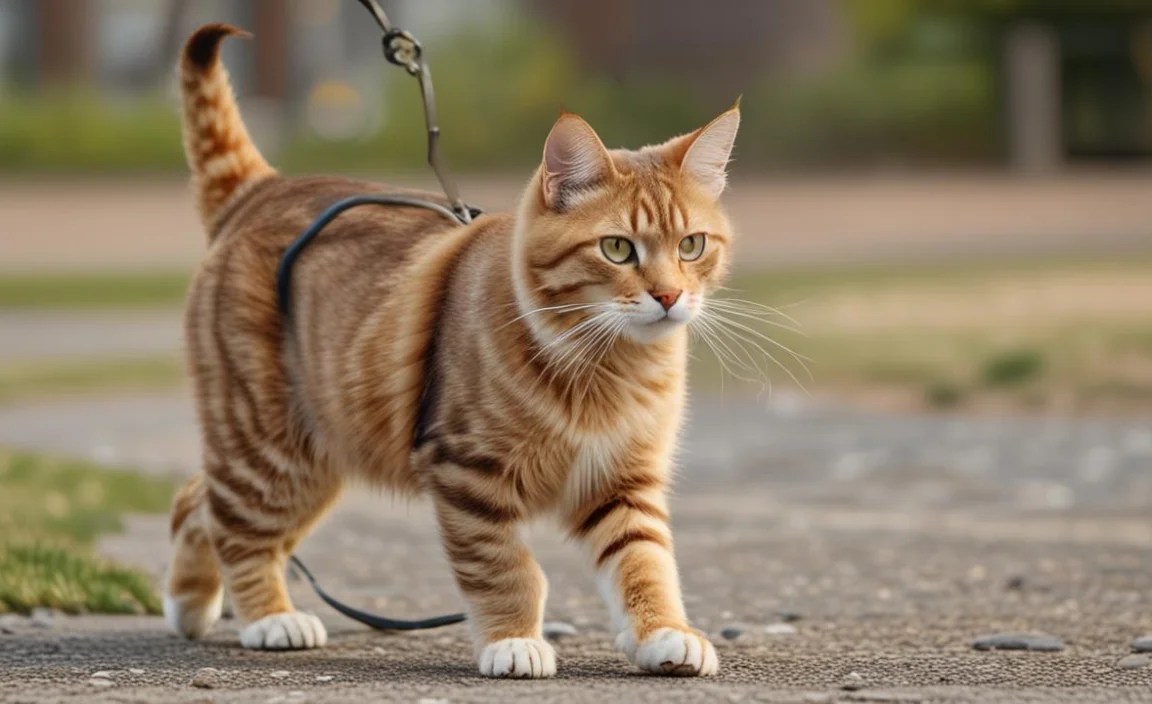
Training your cat to walk on a leash can be a fun adventure. First, choose a comfy harness that fits snugly but not too tight. Begin by letting your cat wear the harness indoors, so it feels familiar. Use tasty treats to encourage it to follow you while walking around. Gradually introduce the leash and venture outside. Did you know some cats enjoy exploring the outdoors? With patience and practice, you’ll help your kitty enjoy safe outdoor strolls!
Understanding the Benefits of Leash Training

Enhances outdoor exploration for indoor cats. Provides physical and mental stimulation for your cat.
Leash training allows indoor cats to enjoy the great outdoors. Cats love to explore new scents and sights. This makes them happy and curious! It also provides physical and mental stimulation. Exercise helps keep cats healthy. Mental challenges keep their minds sharp and engaged. Here are some key benefits:
- New experiences reduce boredom.
- Walks provide safe exploration.
- Improves your bond with your cat.
Why is leash training good for my cat?

Leash training keeps cats active and entertained. It encourages them to explore and discover new environments. This can prevent behavior problems at home. Plus, it makes vet visits easier too!
Choosing the Right Equipment
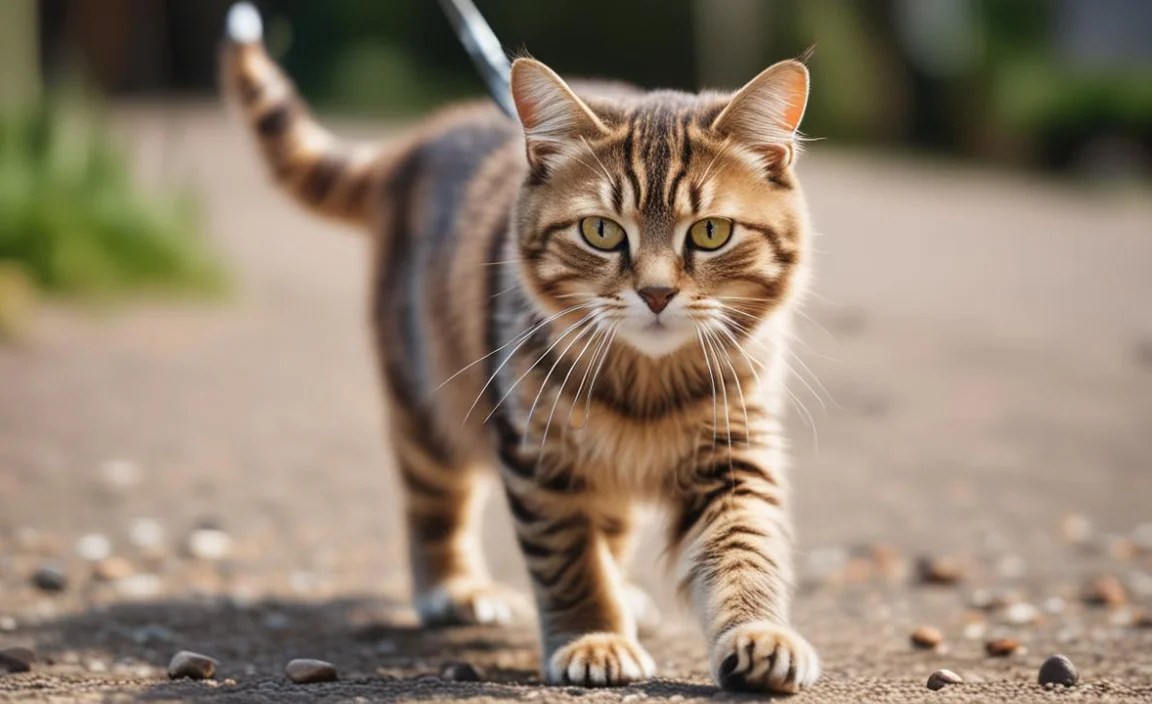
Selecting the appropriate leash and harness types. Importance of proper fit and comfort for your cat.
Picking the right leash and harness is key for your cat’s new adventure. Opt for a wider harness to avoid squeezing. Your cat should feel comfy, not like a snug burrito! Make sure it fits snugly but not too tight—three fingers should fit between the harness and your cat. For leashes, use lightweight and sturdy ones, about 4 to 6 feet long. This gives them the freedom to explore, minus the runaway act!
| Type | Features |
|---|---|
| Harness | Wide, adjustable, and comfortable |
| Leash | Lightweight, 4-6 feet, durable |
Preparing Your Cat for Leash Training
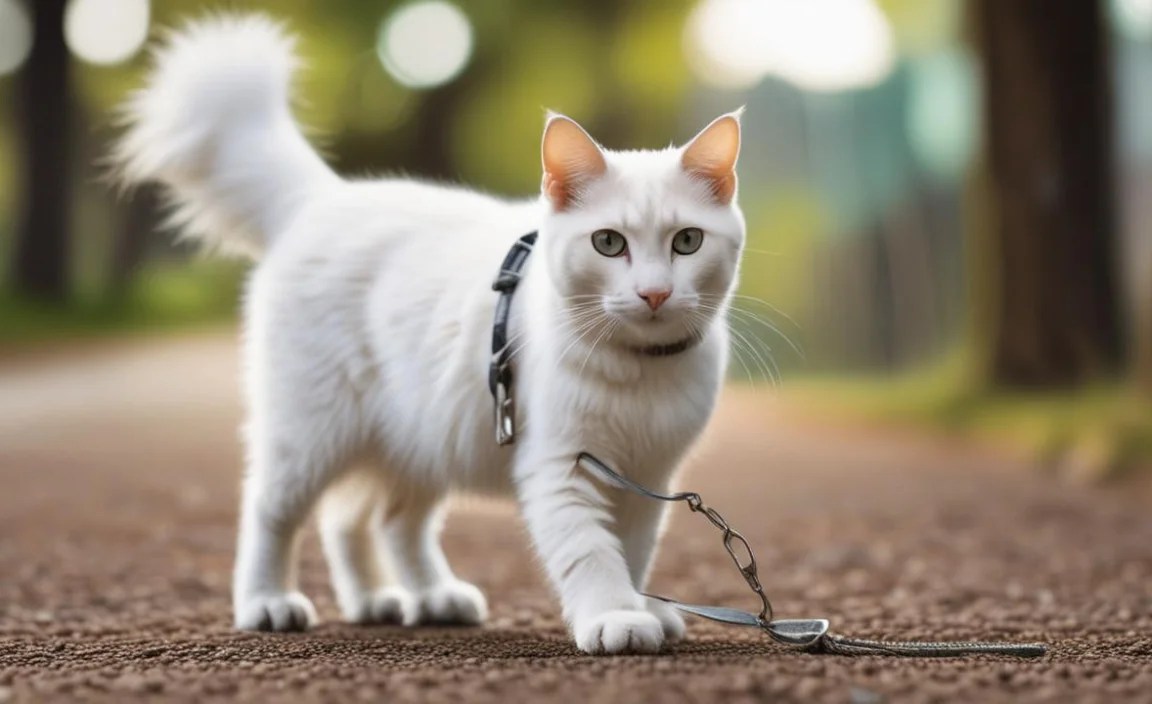
Familiarizing your cat with the harness and leash indoors. Using positive reinforcement strategies to create a positive association.
Before taking your cat on a walk with a leash, it’s crucial to introduce them to the harness and leash indoors. Start by letting your cat sniff the gear. This will help them feel comfortable. Gradually put the harness on your cat, letting them wear it for short periods. Use treats to reward their bravery. This creates a positive association with the harness. Remember, patience is key; soon, your kitty will be strutting like a superstar!
| Steps | Tips |
|---|---|
| 1. Sniff Test | Let your cat investigate the harness. |
| 2. Short Wear | Start with brief moments wearing the harness. |
| 3. Treat Rewards | Use treats to encourage your cat. |
| 4. Regular Practice | Consistency helps your cat adjust. |
Step-by-Step Training Process
Initial indoor training: walking without resistance. Gradually introducing outdoor environments.
Start by training your cat indoors. Use a harness and leash. Allow them to walk around without pulling. This builds trust and comfort. Keep the sessions short and fun.
Next, move to the outdoors. Begin in a quiet area. Let your cat explore while you hold the leash. Gradually introduce busier places. This helps your cat get used to different sounds and sights.
- Use treats to encourage your cat.
- Be patient; every cat learns at their own pace.
- Reward good behavior with praise.
What is the best way to start leash training a cat?

The best way is to start indoors with short sessions. Use a harness and let the cat walk freely without resistance before taking them outside.
Addressing Common Challenges

Dealing with fear and anxiety responses. Handling distractions from the environment.
Walking your cat on a leash can be a fun adventure, but it might come with a few bumps. First, some cats feel anxious outside. If your furry friend hides or tries to escape, give them time. A small treat can help build their confidence. It’s like saying, “Hey, buddy, the world isn’t so scary!”
Also, distractions are everywhere—birds, bugs, and even that weird grass that looks like it’s dancing! To help, try practicing in a quiet space first. Then slowly introduce them to busier areas. If they get distracted, simply pause and let them explore. After all, who wouldn’t want to stop and sniff the bushes?
| Challenge | Solution |
|---|---|
| Fear and Anxiety | Use treats and a calm voice to encourage them. |
| Distractions | Start in quiet places and gradually add noise. |
Safety Considerations During Leash Training
Ensuring your cat’s safety from other animals and hazards. Recognizing when to take breaks and not overexert your cat.
Leash training your cat is fun, but safety is key. Always watch for other animals. Dogs can be a big surprise! Protect your cat by keeping a safe distance. Take breaks often. Cats can tire quickly, so let them rest. Look for signs of stress, like hiding or heavy breathing. If you see these, it’s time to pause. Make sure your cat feels safe and happy during training.
- Stay alert for nearby pets.
- Stop if your cat seems tired.
- Recognize signs of stress.
- Encourage breaks as needed.
What signs should I look for to know my cat needs a break?

Look for signs like heavy breathing, hiding, or losing interest.
Extending the Experience: New Environments and Scenarios

Exploring different terrains and weather conditions. Tips for gradual exposure to new situations for your cat.
Taking your cat for a walk can lead to fun adventures! Start by introducing your feline friend to new places one step at a time. Yikes! A busy street or a soft sandy beach might be a bit scary for them at first. Try grassy parks or quiet sidewalks instead. Gradually switch up the scenery! Remember, some cats might prefer dodging puddles over splashing in them. A little exposure to different terrains helps them build confidence. Bring some treats for encouragement—you might need them when your kitty sees a squirrel!
| Terrain Type | Weather Considerations | Tips |
|---|---|---|
| Grass | Sunny | Bring plenty of water! |
| Sand | Windy | Check for sand in paws. |
| Pavement | Rainy | Watch for slippery spots. |
Maintaining Consistency and Progress
Setting a regular training schedule. Keeping track of your cat’s progress and adjusting techniques as necessary.
To success with a leash-trained kitty, decide on a regular training schedule. This could be daily or a few times a week. Consistency helps your cat learn. Keep track of your cat’s progress, like a diary but without the drama. Did they take a few more steps today? Note it down! If they seem stuck or scared, change your approach. Every cat is unique, like fingerprints but with more fur.
| Day | Progress Notes | Adjusted Techniques |
|---|---|---|
| Monday | First step taken! | Used treats more. |
| Wednesday | Walked 5 steps! | Less pulling, more patience. |
| Friday | Explored the yard! | Used a toy for distraction. |
Conclusion
In summary, training your cat to walk on a leash can be fun and rewarding. Start slowly and use treats to encourage your cat. Be patient and make leash time enjoyable. Always let your cat explore their surroundings safely. For more tips and tricks, we encourage you to read more about cat training methods. Happy walking!
FAQs
What Equipment Do I Need To Safely Train My Cat To Walk On A Leash?
To train your cat to walk on a leash, you need a few things. First, get a small cat harness that fits your cat well. It should be snug but not too tight. Next, use a lightweight leash that is about 4 to 6 feet long. You can also have some yummy treats to reward your cat while training.
How Can I Acclimate My Cat To Wearing A Harness Before Introducing The Leash?
To get your cat used to a harness, start by letting them sniff it. Then, gently put the harness on them for a few minutes. Give them treats and praise so they feel happy. Repeat this every day, slowly increasing the time they wear it. Once your cat is comfortable, you can add the leash.
What Techniques Can I Use To Encourage My Cat To Walk On A Leash Without Pulling?
To help your cat walk on a leash without pulling, you can start practicing indoors. Let your cat wear the leash and harness for short times while you give treats. When you go outside, bring their favorite toy or treats to keep them focused. Walk slowly and gently, stopping when they pull. This way, your cat learns to stay close to you!
How Long Should I Train My Cat Each Session To Ensure They Stay Engaged And Comfortable?
You should train your cat for about 5 to 10 minutes each session. This way, your cat stays excited and happy. If you see them getting distracted or bored, it’s a good time to stop. You can train them a few times a day if they enjoy it. Remember, short sessions can help keep your cat interested!
What Signs Indicate That My Cat Is Feeling Stressed Or Uncomfortable While Leash Training?
If your cat is feeling stressed while leash training, you might see some clear signs. They may hide or try to escape. You could notice their ears flattening back or their tail puffing up. They might meow loudly or hiss. If your cat suddenly stops walking or lays down, that’s a sign they are uncomfortable.