
Creating homemade food for kittens can be a rewarding way to ensure they receive optimal nutrition. This guide breaks down the essentials of kitten health nutrition homemade, offering simple, safe recipes and practical advice to support your kitten’s growth and well-being.
Welcoming a new kitten into your home is an exciting time! As they grow, you want to provide them with the very best food. Many new pet parents wonder if homemade options are safe and beneficial for their tiny felines. It’s completely understandable to want a natural diet for your furry friend, but navigating kitten nutrition can feel a little overwhelming. Don’t worry, it’s simpler than it seems!
This guide is designed to make kitten nutrition easy and enjoyable. We’ll walk you through the key components of a healthy homemade diet for your kitten, offer simple recipes, and discuss important safety tips. Get ready to feel confident about nourishing your growing kitten with love and the best ingredients!
Why Consider Homemade Kitten Nutrition?

Choosing what to feed your kitten is a big decision that impacts their health for years to come. While high-quality commercial kitten foods are convenient and balanced, some owners prefer homemade diets for several reasons. Perhaps you’re concerned about specific ingredients in commercial foods, have a kitten with allergies, or simply enjoy the process of preparing your pet’s meals from scratch. Whatever your motivation, understanding the principles of homemade kitten nutrition can empower you to make informed choices.
The goal is to provide a diet that closely mimics what a kitten would eat in the wild, focusing on high-quality animal protein, essential fats, and a carefully balanced mix of vitamins and minerals. This approach can lead to a shinier coat, improved digestion, and overall better health. Let’s dive into what truly makes a homemade diet a success for your growing feline friend.
Understanding Kitten Nutritional Needs
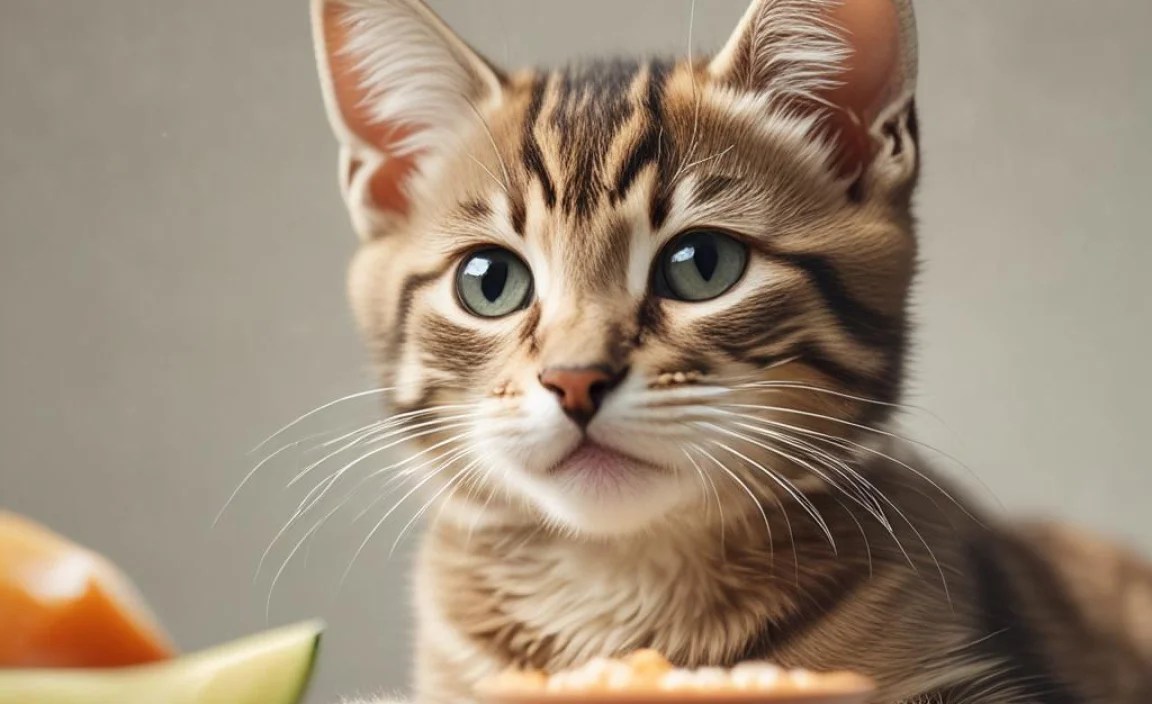
Kittens have very specific nutritional requirements because they are growing rapidly. They need more calories, protein, and certain vitamins and minerals than adult cats. A balanced diet is absolutely crucial for their development, affecting everything from their bones and muscles to their immune system and cognitive function.
Essential Nutrients for Kittens
A kitten’s diet must be rich in:
- Protein: Kittens are obligate carnivores, meaning they must eat meat. Protein is the building block for their muscles, organs, and tissues. Aim for highly digestible animal-based proteins.
- Fats: Healthy fats are vital for energy, absorbing certain vitamins, and supporting a healthy skin and coat. Look for sources like animal fats and specific fatty acids like Arachidonic Acid.
- Vitamins and Minerals: These are crucial for all bodily functions. Key ones include Calcium and Phosphorus for bone growth, Taurine for heart and eye health, and various B vitamins for energy metabolism.
- Water: Always ensure fresh, clean water is available.
The Importance of Taurine
Taurine is an amino acid that cats cannot synthesize themselves, meaning they must get it from their diet. It’s absolutely critical for kittens. A deficiency can lead to serious health problems, including irreversible blindness and heart disease. While meat naturally contains taurine, the cooking process can degrade it. Therefore, when preparing homemade kitten food, it’s often recommended to add a taurine supplement or ensure your meat sources are particularly rich in it and cooked carefully.
The Cornell Feline Health Center emphasizes the critical role of taurine and other nutrients in feline diets, highlighting the risks associated with unbalanced homemade diets.
Calcium and Phosphorus Balance
Proper bone development in kittens relies on a precise balance between calcium and phosphorus. Too much or too little of either, or an incorrect ratio, can lead to serious skeletal abnormalities. Commercial kitten foods are formulated with these ratios in mind. If you’re making homemade food, this is one of the trickiest aspects to get right and often requires careful calculation and supplementation. A common guideline is a ratio between 1.1:1 and 1.7:1 (Calcium:Phosphorus).
Getting Started with Homemade Kitten Food

Making your own kitten food requires careful planning and attention to detail. It’s not as simple as just grinding up some meat and serving it. You need to ensure the diet is complete and balanced, which means it contains the right amounts of all the necessary nutrients.
Consult Your Veterinarian FIRST!
Before you even think about mixing ingredients, the most important first step is to consult with your veterinarian or a board-certified veterinary nutritionist. They can assess your kitten’s individual needs and help you formulate a safe and balanced recipe. Homemade diets, if not properly balanced, can lead to severe health problems, including nutritional deficiencies or excesses that can stunt growth or cause organ damage. Your vet can guide you on appropriate ingredients, safe cooking methods, and necessary supplements.
The Association of American Feed Control Officials (AAFCO) provides guidelines for pet food labeling and nutritional adequacy, but formulating a complete homemade diet is best done with professional guidance. You can find resources on their website, though they largely focus on commercial feed standards.
Key Ingredients for Homemade Kitten Food
When formulating your kitten’s diet, focus on high-quality, animal-based ingredients. Avoid ingredients that can be harmful to cats.
Meat Sources
These should form the base of your kitten’s diet. It’s best to use raw or lightly cooked (steamed or boiled) meats. Avoid raw poultry if you are concerned about salmonella, and always practice safe food handling.
- Muscle Meat: Chicken (thigh, breast), turkey, lamb, beef, rabbit.
- Organ Meats: Liver (essential for Vitamin A and other nutrients, but should only be about 5-10% of the diet), heart (an excellent source of taurine).
- Bones: If feeding raw, finely ground raw bone is a primary source of calcium and phosphorus. However, this is complex and carries risks (bacterial contamination, bone shards). For homemade cooked diets, bone meal supplements are often used, but require precise calculation.
Fats
These are crucial for energy and nutrient absorption. Small amounts of animal fat from muscle meat are usually sufficient. Some recipes may call for a small amount of added fat source like fish oil for Omega-3 fatty acids, but consult your vet regarding specific needs.
Supplements
This is where professional guidance is vital. Because it’s extremely difficult to balance all nutrients through whole foods alone, supplements are almost always necessary for homemade diets. These might include:
- Calcium (e.g., calcium carbonate, bone meal)
- Taurine
- Vitamins (e.g., Vitamin E, B vitamins)
- Minerals (e.g., Zinc, Iodine)
Your veterinarian or nutritionist will specify the exact type and amount of supplements needed.
Ingredients to AVOID
Some human foods are toxic or dangerous for cats, while others simply offer poor nutritional value.
- Onions, Garlic, Chives, Leeks: These can damage a cat’s red blood cells, leading to anemia.
- Grapes and Raisins: Can cause kidney failure.
- Chocolate: Contains theobromine, which is toxic to cats.
- Alcohol and Caffeine: Highly toxic.
- Raw Dough: Can rise in the stomach and cause alcohol poisoning.
- Bones (cooked): Cooked bones are brittle and can splinter, causing choking or internal damage.
- Dairy Products: Most adult cats are lactose intolerant and can experience digestive upset.
- Excessive Liver: Too much liver can lead to Vitamin A toxicity.
Simple Homemade Kitten Food Recipes & Guidelines

Creating balanced homemade cat food is a science. The following are examples and not definitive recipes. They are meant to illustrate the types of ingredients and proportions used, but must be customized and approved by a veterinary nutritionist to ensure they meet your kitten’s specific needs and are nutritionally complete.
Recipe Example 1: Basic Cooked Chicken and Rice Formula
This is a very simplified example. A true balanced diet requires precise supplementation.
Ingredients:
- 1 lb cooked, boneless, skinless chicken (boiled or steamed, then finely ground or chopped)
- 1/2 cup cooked white rice
- 1/4 cup organ meat (e.g., chicken liver, boiled and pureed)
- 1/4 cup pumpkin puree (plain, not pie filling)
- Specific supplements as recommended by your vet (e.g., taurine, calcium powder, vitamin E, balanced feline multivitamin/mineral supplement).
Instructions:
- Ensure all meat and liver are thoroughly cooked to a safe internal temperature to minimize bacterial risk, especially for young kittens.
- Cook rice according to package directions.
- Finely chop or grind cooked chicken and liver.
- Combine all ingredients in a bowl.
- Carefully mix in the exact pre-measured amounts of all supplements as prescribed by your veterinarian.
- Portion into small, daily servings and store in airtight containers in the refrigerator for up to 3 days or freeze for longer storage.
Important Considerations:
- Rice provides carbohydrates for energy, but kittens don’t need a high carb diet. The amounts should be limited.
- Pumpkin aids in digestion.
- The supplementation is critical and cannot be skipped.
Recipe Example 2: Raw Food Foundation (Requires Extreme Caution and Expert Guidance)
Feeding raw requires strict adherence to safe food handling to prevent bacterial contamination for both you and your kitten. This is an advanced approach and is not recommended without significant research and veterinary oversight.
Ingredients:
- 80% muscle meat (e.g., chicken, turkey, rabbit, beef)
- 10% organ meat (e.g., heart, liver – liver typically no more than 5% of total)
- 5% edible raw bone (e.g., chicken wings or backs, ground to a safe consistency) OR a calcium supplement like calcium carbonate or bone meal if not feeding bone.
- 5% “other” – often a small amount of specific vegetables (pureed) or fiber source like psyllium husk IF recommended and balanced by a nutritionist.
- Specific supplements as recommended by your vet (e.g., taurine, vitamins, minerals).
Preparation (General Outline):
- Grind or finely chop all ingredients. If using whole bones, they must be ground to a safe, digestible size.
- Weigh ingredients precisely to ensure correct ratios.
- Incorporate all necessary supplements in their exact prescribed amounts immediately before serving or portioning.
- Serve fresh. Raw food should not be left out for long periods.
- Store unused portions immediately in the freezer in airtight containers. Thaw only what you need, day by day, in the refrigerator.
Warning: Raw feeding carries a significant risk of bacterial contamination (e.g., Salmonella, E. coli), which can harm both cats and humans. Thorough research into safe sourcing, handling, and preparation is paramount. The FDA advises caution with raw pet foods due to potential pathogen risks.
Portion Sizes and Feeding Frequency
Kittens need to eat multiple small meals throughout the day. Their stomachs are small, and they have high energy demands. A general guideline is 3-4 meals per day for very young kittens, potentially reducing to 2-3 as they get older. The exact amount will depend on your kitten’s age, weight, activity level, and the caloric density of the food you prepare.
Your veterinarian will help you calculate the appropriate daily caloric intake and how to divide that into meals. For instance:
- A kitten weighing around 1 pound might need approximately 200-250 calories per day.
- A kitten weighing 2 pounds might need around 300-350 calories per day.
This is a very rough estimation; actual needs can vary widely.
Transitioning to Homemade Food
Never switch your kitten’s diet abruptly. A sudden change can cause digestive upset, such as vomiting or diarrhea. Always transition gradually:
- Start by mixing a small amount (about 10%) of the new homemade food with their current food.
- Over 7-10 days, gradually increase the proportion of homemade food while decreasing the current food.
- Observe your kitten closely for any signs of digestive issues or adverse reactions. If any arise, slow down the transition.
Safety and Handling of Homemade Kitten Food

When preparing food for your kitten at home, safety is paramount. This applies to both cooked and raw diets.
Food Safety Practices
- Cleanliness is Key: Wash your hands thoroughly before and after handling food.
- Sanitize Surfaces: Clean all cutting boards, knives, bowls, and preparation areas with hot, soapy water after each use.
- Proper Storage: Store homemade food in airtight containers. Refrigerate promptly and use within 2-3 days. Freeze portions for longer storage.
- Thawing: Thaw frozen portions in the refrigerator, never at room temperature.
- Avoid Cross-Contamination: Use separate cutting boards and utensils for raw meat and other ingredients.
Recognizing Potential Issues
Even with the best intentions, homemade diets can sometimes lead to problems. Be vigilant for:
- Digestive Upset: Vomiting, diarrhea, constipation, or unusual stools.
- Changes in Coat: A dull, dry, or brittle coat can indicate nutritional deficiencies.
- Lethargy: Unexplained lack of energy.
- Poor Growth: Failure to gain weight appropriately.
- Dental Issues: Sometimes unbalanced diets can affect dental health in the long run.
If you notice any of these signs, contact your veterinarian immediately. They can help determine if the homemade diet is the cause and what adjustments are needed.
Pros and Cons of Homemade Kitten Nutrition
Like any dietary choice, homemade kitten food has its advantages and disadvantages.
Pros:
- Ingredient Control: You know exactly what goes into your kitten’s food, which is great for kittens with allergies or sensitivities.
- Freshness: Using fresh ingredients can be appealing.
- Potential for Better Palatability: Some kittens might find homemade food more appealing than commercial options.
- Sense of Connection: For many owners, preparing their pet’s food fosters a deeper bond and sense of care.
Cons:
- Nutritional Imbalance Risk: The biggest risk. It’s very difficult to get the balance of all micronutrients (vitamins, minerals) and macronutrients correct without expert guidance and supplementation. This can lead to serious health problems.
- Time-Consuming: Preparing high-quality homemade food takes significant time for shopping, preparation, and clean-up.
- Cost: While it can sometimes be cheaper, high-quality ingredients and supplements can be expensive, making it comparable to or even more costly than premium commercial foods.
- Food Safety Risks: Particularly with raw diets, there’s a risk of bacterial contamination that can affect both pets and humans.
- Consistency Challenges: Ensuring each batch is nutritionally identical can be difficult.
Comparing Homemade vs. Commercial Kitten Food
Here’s a quick comparison to help you weigh your options:
| Feature | Homemade Kitten Food | Commercial Kitten Food |
|---|---|---|
| Nutritional Completeness | Requires expert formulation and supplementation; high risk of imbalance if done incorrectly. | Formulated to meet AAFCO standards; generally balanced and complete when chosen appropriately. |
| Ingredient Control | Full control over ingredients used. | Control over brand and type, but limited control over specific ingredient sourcing. |
| Preparation Time | High; requires planning, shopping, preparation, and cleaning. | Low; convenient and ready to serve. |
| Cost | Variable; can be high due to quality ingredients and supplements. | Variable; ranges from budget-friendly to premium pricing. |
| Safety Risks | Bacterial contamination (raw), ingredient toxicity if not researched. | Recalls due to contamination or formulation errors (rare but do occur). |