
Kitten health nutrition with natural foods focuses on providing high-quality protein, essential fats, and vital nutrients found in whole meat sources and carefully selected ingredients. This approach supports rapid growth, strong immunity, and overall well-being for your growing feline friend.
Welcoming a new kitten into your home is incredibly exciting! But with that joy comes the important responsibility of ensuring they get the best start in life. One of the biggest pieces of that puzzle is their nutrition. It can feel overwhelming trying to navigate the world of kitten food, especially when you want to choose options that are as natural and healthy as possible. Many pet parents worry about what’s truly in their kitten’s food and how to best fuel their rapid growth. You’re not alone! This guide will break down kitten health nutrition using natural foods in a simple, easy-to-understand way, making it stress-free to provide your little furball with the best possible diet. Let’s explore how to feed your kitten for a lifetime of health and happiness!
Why Natural Nutrition Matters for Kittens

Kittens are like tiny furry rockets, growing and developing at an incredible pace. Their nutritional needs are significantly higher than those of adult cats. During this crucial stage, their bodies are building bones, muscles, organs, and a strong immune system. Choosing a natural diet rich in the right nutrients is paramount for supporting this rapid development and setting the foundation for long-term health. Natural foods, often meaning those with minimal processing and high-quality, recognizable ingredients, can offer a more bioavailable source of the essential vitamins, minerals, and amino acids kittens need to thrive. It’s about giving them the building blocks for a healthy future, free from unnecessary fillers or artificial additives.
Understanding Kitten Nutritional Needs
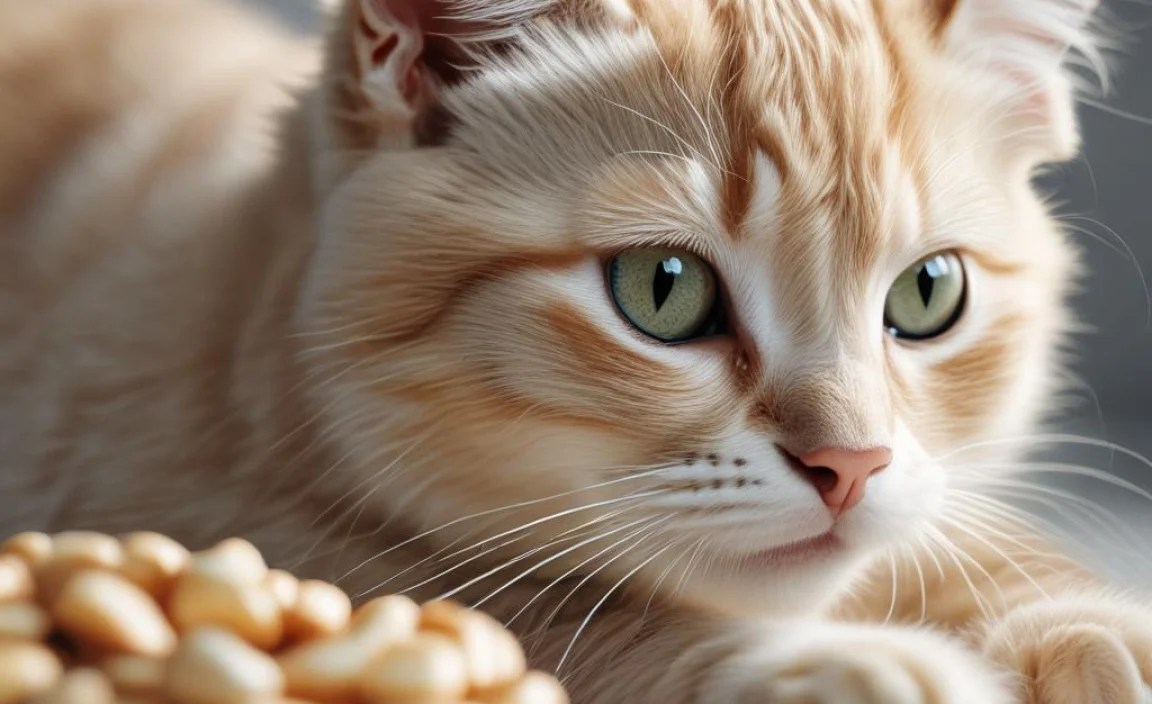
Before diving into specific foods, it’s helpful to understand what kittens actually need to grow. Think of them as tiny athletes who need premium fuel! Their diet needs to be rich in several key components:
- High-Quality Protein: This is the absolute building block for everything in a kitten’s growing body – muscles, tissues, organs, and even enzymes and hormones. Animal-based protein is crucial because it provides essential amino acids like taurine, which cats cannot produce themselves.
- Healthy Fats: Fats are a concentrated source of energy and are vital for absorbing fat-soluble vitamins (A, D, E, K). They also play a role in skin and coat health and brain development. Omega-3 and Omega-6 fatty acids are particularly important.
- Vitamins and Minerals: Kittens have increased needs for vitamins like A, D, E, K, and B vitamins, as well as minerals like calcium, phosphorus, and iron. These are essential for everything from bone growth and vision to immune function and energy metabolism.
- Water: Hydration is critical for all bodily functions, especially for growing kittens who require plenty of water to support their developing systems.
- Taurine: This is a vital amino acid that cats need for heart health, eyesight, and digestion. It must be obtained from their diet as they cannot synthesize enough on their own. Meat-based diets are the best source.
Commercial kitten foods are formulated to meet these specific needs, but the quality and source of the ingredients can vary greatly. Focusing on natural food sources means prioritizing these nutrients from whole, recognizable ingredients.
What Defines “Natural” Kitten Food?

The term “natural” in pet food can sometimes be a bit fuzzy, but generally, it implies food made from ingredients that are as close to their original state as possible, with minimal processing and without artificial colors, flavors, or preservatives. When we talk about natural kitten nutrition, we’re looking for:
- Whole Meat as the First Ingredient: This could be chicken, turkey, fish, or beef. It should be listed clearly as the primary ingredient.
- Limited Ingredient Lists: Fewer ingredients often mean less chance of harmful fillers or allergens.
- No Artificial Additives: Avoid foods with artificial colors, flavors, preservatives (like BHA, BHT, Ethoxyquin), or excessive chemical additives.
- Nutrient-Dense Ingredients: Foods that contain wholesome grains (if tolerated and necessary), vegetables, and fruits that provide beneficial nutrients.
It’s important to remember that even “natural” foods need to be nutritionally complete and balanced for kittens. This means they must meet the nutritional levels established by the Association of American Feed Control Officials (AAFCO) for kitten growth. You can usually find this information on the pet food packaging.
Proven Natural Food Choices for Kittens

When choosing natural foods for your kitten, think about mimicking what their ancestors in the wild would consume. This means focusing on animal protein and essential fats. Here are some proven natural food categories and what to look for:
High-Quality Kitten Foods (Wet & Dry)
While much of the focus is on raw or homemade diets, many commercially available kitten foods are formulated to be highly nutritious and can be considered “natural” if they meet certain criteria. Always check the ingredient list and guaranteed analysis.
What to Look For in Commercial Kitten Food:
- Main Ingredient: Real meat (e.g., Deboned Chicken, Turkey Meal, Salmon) should be listed first. Avoid generic “meat by-products” as the primary source.
- Protein Content: Kittens need a minimum of 30% protein on a dry matter basis.
- Fat Content: Look for around 18-20% fat for energy and nutrient absorption.
- Grain-Free vs. Grain-Inclusive: While some kittens do well on grain-free diets, others benefit from wholesome grains like brown rice, oats, or barley which can provide fiber and energy. The key is what’s best for your individual kitten.
- No Fillers: Avoid corn, wheat, and soy unless they are high-quality and well-digested by your kitten. These are often used as cheap fillers.
- Essential Nutrients: Ensure the food is fortified with taurine, vitamins, and minerals necessary for kitten growth.
Recommended Natural-Leaning Brands (Examples):
Many brands prioritize high-quality ingredients. Look for those that are:
- Limited ingredient options
- Free from artificial preservatives, colors, and flavors
- High in animal protein
- AAFCO-approved for kittens
Some popular brands known for their focus on quality ingredients include Orijen, Acana, Merrick, Blue Buffalo (check specific kitten formulas), Wellness, and Fromm. Always read the specific ingredient list for the kitten formula you are considering.
Raw Diets (BARF – Biologically Appropriate Raw Food or Prey Model)
A raw diet aims to closely replicate the natural diet of a cat’s ancestors. This typically includes raw muscle meat, organ meats, and small bones. Raw diets can be highly beneficial but require careful planning to ensure they are nutritionally complete and safe.
Pros of Raw Diets:
- Closely mimics ancestral diet.
- May lead to improved coat quality, digestion, and dental health.
- High palatability for many cats.
Cons of Raw Diets:
- Risk of bacterial contamination: Raw meat can harbor bacteria like Salmonella and E. coli, posing risks to both the kitten and humans in the household. Strict hygiene is paramount.
- Nutritional imbalances: It can be challenging to create a balanced raw diet without expert guidance. Deficiencies or excesses of certain nutrients can be harmful.
- Time and Cost: Preparing raw meals can be time-consuming and expensive compared to commercial foods.
- Bones: Raw, non-weight-bearing bones are generally safe when fed appropriately, but cooked bones can splinter and cause serious internal damage.
If considering a raw diet, consult with your veterinarian or a veterinary nutritionist. There are also commercially prepared raw foods available that are formulated to be nutritionally complete and often undergo pathogen testing. Always opt for commercially prepared raw foods specifically formulated for kittens if you choose this route, or work with an expert to create a balanced homemade diet. For more information on pet food safety and formulation standards, the U.S. Food & Drug Administration (FDA) provides valuable resources.
Cooked Whole Food Diets
This approach involves preparing homemade meals for your kitten using cooked natural ingredients. It offers control over ingredients and avoids the risks associated with raw meat, but still requires careful attention to nutritional balance.
What to Include:
- Lean cooked meats: Plain cooked chicken, turkey, or lean beef. Ensure they are cooked thoroughly and unseasoned.
- Organ Meats (in moderation): Cooked liver and heart are rich in nutrients but should only make up a portion of the diet.
- Small amounts of cooked vegetables: Pureed pumpkin or carrots can add fiber if needed.
- Nutritional Supplements: This is crucial. Cooked diets often lack essential vitamins, minerals, and amino acids like taurine and calcium. A balanced feline vitamin/mineral supplement specifically designed for kittens, along with taurine and calcium (if not adequately supplied by other ingredients), is often necessary.
Pros of Cooked Whole Food Diets:
- Reduces risks of bacterial contamination compared to raw.
- Allows for precise control over ingredients.
- Can involve highly digestible ingredients.
Cons of Cooked Whole Food Diets:
- Nutritional Balance is Key: This is the biggest challenge. It is very difficult to achieve a complete and balanced diet without expert veterinary nutritionist guidance. Over or under-supplementation can be dangerous.
- Time Intensive: Requires consistent preparation.
- Cost: Can be more expensive than high-quality commercial foods.
Again, consulting your veterinarian or a veterinary nutritionist is highly recommended before embarking on a cooked whole food diet for your kitten. Websites like the Cornell University College of Veterinary Medicine’s Baker Institute offers resources for pet owners interested in nutrition.
Key Natural Ingredients to Look For (And Avoid)

Understanding ingredient lists is your superpower when it comes to choosing healthy food for your kitten.
Beneficial Natural Ingredients:
| Ingredient Type | Why It’s Good for Kittens | Examples |
|---|---|---|
| Animal Protein | Essential for muscle growth, energy, and providing vital amino acids like taurine. | Chicken, Turkey, Salmon, Lamb, Duck, Beef. |
| Animal Fats | Concentrated energy source, aids in absorption of fat-soluble vitamins, supports skin and coat health. | Chicken Fat, Fish Oil (for Omega-3s), Sunflower Oil (for Omega-6s) – often added in measured amounts. |
| Fruits & Vegetables | Provide fiber, vitamins, minerals, and antioxidants. | Pumpkin (for digestion), Sweet Potatoes, Blueberries, Cranberries, Peas, Carrots. (Must be digestible and in appropriate amounts). |
| Wholesome Grains (if used) | Source of carbohydrates for energy, and fiber. | Brown Rice, Oatmeal, Barley. (Oats and barley are often considered more digestible than corn/wheat for some cats). |
| Taurine Supplementation | Absolutely critical for heart and eye health; cats cannot produce enough. Must be added, especially if not feeding a full prey animal diet. | Synthetically added taurine or taurine derived from meat sources. |
Ingredients to Limit or Avoid:
| Ingredient Type | Why to Be Cautious | Examples |
|---|---|---|
| Generic “Meat By-Products” | Can be variable in quality and nutritional value. If listed first, it’s a concern. Named by-products (like “chicken by-product meal”) can be nutritious, but their position matters. | Meat By-Products, Poultry By-Products. |
| Corn, Wheat, Soy (as primary ingredients) | Common allergens for some cats, can be difficult to digest, often used as cheap fillers. | Corn Meal, Wheat Flour, Soy Flour, Soybean Meal. |
| Artificial Preservatives | Can be harmful to health in the long term. | BHA, BHT, Ethoxyquin. |
| Artificial Colors & Flavors | Unnecessary and can mask lower-quality ingredients; can cause sensitivities. | FD&C colors, artificial flavorings. |
| Excessive Fillers | Ingredients that provide little to no nutritional value and take up space in the food. | Cellulose, vague “vegetable” or “grain” ingredients without specificity. |
Transitioning Your Kitten to a New Food
Switching your kitten’s food, especially if they are accustomed to a certain brand or type, should always be done gradually to avoid digestive upset like vomiting or diarrhea. Kittens have sensitive stomachs!
- Day 1-2: Offer 75% of their old food mixed with 25% of the new food.
- Day 3-4: Increase the new food to 50% and decrease the old food to 50%.
- Day 5-6: Offer 75% of the new food and only 25% of the old food.
- Day 7 onwards: Transition completely to the new food.
Monitor your kitten closely during this period. If you notice any signs of digestive upset, slow down the transition process, offering more of the old food and less of the new for a few extra days, then try again at a slower pace.
Feeding Schedule and Portion Sizes
Kittens have small stomachs and high energy needs, so they benefit from small, frequent meals. The exact amount will depend on the kitten’s age, activity level, and the specific food you are feeding.
- Kittens under 4 months: Typically need to eat 3-4 times a day.
- Kittens 4-6 months: Can usually transition to 3 meals a day.
- Kittens over 6 months: Can often move to 2 meals a day, but some may benefit from 3.
Always refer to the feeding guidelines on your kitten food packaging as a starting point. These are usually provided as daily amounts. Divide the daily amount into the number of meals you are providing. It’s also a good idea to monitor your kitten’s body condition – you should be able to feel their ribs easily under a thin layer of fat, and they should have a visible waist when viewed from above.
Your veterinarian can provide specific portion recommendations based on your kitten’s individual growth rate and health status. For additional guidance on feline nutrition, the Cornell Feline Health Center is a fantastic resource.
Hydration is Key
Even with the best food, proper hydration is non-negotiable for kittens. Water is essential for digestion, nutrient transport, temperature regulation, and joint lubrication. Kittens get some moisture from their food, especially wet food, but should always have access to fresh water.
- Fresh, clean water: Change water daily, or more often if it gets dirty.
- Multiple water sources: Offer water in different locations and types of bowls (ceramic, stainless steel). Some cats inexplicably prefer certain types or locations.
- Water fountains: Many cats love running water. A pet water fountain can encourage increased intake.
Dehydration can be serious for kittens. If you notice your kitten is lethargic, has sunken eyes, or their gums feel dry, contact your veterinarian immediately.
When to Consult Your Veterinarian
Your veterinarian is your best partner in ensuring your kitten receives optimal nutrition. They can:
- Assess your kitten’s individual nutritional needs based on age, breed, health status, and activity level.
- Help you choose the most appropriate type of food (wet, dry, raw, homemade) and specific brands.
- Diagnose and treat any underlying health conditions that might affect nutrition or appetite.
- Provide guidance on portion sizes and feeding schedules.
- Answer any questions or concerns you may have about your kitten’s diet.