
Get your cat healthy, happy, and fed naturally without breaking the bank. Discover affordable, essential tips for choosing and preparing budget-friendly natural cat food that meets your feline friend’s nutritional needs.
Worried about the cost of feeding your beloved cat a natural diet? You’re not alone! Many cat parents believe “natural” automatically means “expensive.” It’s a common frustration, especially when you want the very best for your furry family member. But the good news is, feeding a wholesome, natural diet doesn’t have to strain your wallet. This guide is here to show you how to make smart, affordable choices for your cat’s nutrition. We’ll explore budget-friendly options, simple preparation tips, and essential knowledge to ensure your cat thrives on a natural diet that’s kind to both their health and your finances. Get ready to discover a world of affordable, natural cat care!
Why Natural Cat Food Matters (and How to Do It Affordably)

As cat owners, we all want to see our feline friends happy, healthy, and full of life. One of the biggest ways we can influence their well-being is through their diet. Specifically, many of us are drawn to the idea of “natural” cat food. But what does “natural” truly mean in the context of pet food, and more importantly, can you afford it? Let’s dive in!
Understanding “Natural” Cat Food
The term “natural” when applied to pet food can sometimes be a bit fuzzy. Generally, it implies that the ingredients are derived from plants, animals, or mined sources, with minimal processing. This often means avoiding artificial colors, flavors, and preservatives. For cats, who are obligate carnivores, a natural diet should ideally focus on high-quality animal protein as the primary ingredient.
When choosing commercial “natural” cat food, look for:
- A named meat source (like chicken, turkey, or fish) as the first ingredient.
- Limited artificial additives.
- Ingredients you recognize and can pronounce.
The Affordability Challenge
It’s true that some premium, “all-natural,” grain-free, or specialized diets can come with a hefty price tag. This often leads pet owners to opt for cheaper, more processed options, fearing they can’t sustain a natural diet financially. However, this doesn’t have to be the case. With savvy shopping and a bit of knowledge, you can absolutely feed your cat a nutritious, natural diet without overspending.
Smart Shopping Strategies for Natural Cat Food on a Budget

Finding affordable natural cat food is all about being a smart shopper. You don’t need to sacrifice quality for cost if you know where to look and what to look for.
1. Compare Brands and Ingredients
Not all “natural” brands are created equal, and neither are their prices. Take the time to compare ingredient lists and guaranteed analysis across different brands. Sometimes, a slightly less “boutique” brand offers a very similar, high-quality ingredient profile at a lower cost. Always prioritize the protein source and look for minimal fillers.
2. Buy in Bulk (When Sensible)
For non-perishable dry food, buying larger bags can often be more economical. However, be mindful of your cat’s consumption rate and storage. Dry kibble can lose its freshness over time, and you don’t want to end up with stale food your cat won’t eat. For wet food, larger cases or multipacks can also offer savings.
3. Look for Sales and Coupons
Pet supply stores, online retailers, and even supermarkets often have sales, loyalty programs, and coupons for pet food. Sign up for newsletters from your favorite brands or stores to be notified of discounts. Setting up recurring orders through online platforms can also sometimes offer a small discount.
4. Consider Store Brands of Natural Options
Many larger pet store chains and even some supermarkets offer their own house brands. While you should always scrutinize the ingredient list, some of these store brands are increasingly offering more natural, high-quality options at a more competitive price point. Do your research, read reviews, and compare them to national brands.
5. Explore Different Protein Sources
While chicken and beef are popular, sometimes other protein sources like turkey, duck, or even certain types of fish can be more budget-friendly depending on availability and brand. Variety can also be beneficial for your cat’s nutrition and can help you find a more affordable staple. Remember, though, that cats need taurine, an amino acid found abundantly in meat.
DIY Cat Food: Is It Truly Cheaper and Healthier?

For some pet owners, the idea of making their own cat food is appealing, believing it to be the most natural and potentially cheapest option. While this can be true, it comes with significant considerations regarding safety, completeness, and cost-effectiveness.
The Pros of DIY Natural Cat Food:
- Full Control: You know exactly what goes into your cat’s food.
- Ingredient Quality: You can select the freshest, highest-quality ingredients.
- Customization: You can tailor recipes to specific dietary needs or sensitivities (with professional guidance).
The Cons and Challenges of DIY Natural Cat Food:
- Nutritional Completeness is CRUCIAL: This is the biggest hurdle. Cats have very specific nutritional requirements, including precise ratios of protein, fats, vitamins, and minerals. Imbalances can lead to serious health problems. For example, calcium-phosphorus ratios are critical, and insufficient taurine can lead to heart disease and blindness.
- Time and Effort: Researching, sourcing ingredients, preparing, and portioning meals takes significant time.
- Cost Can Be Deceiving: While individual ingredients might seem cheap, the specialized supplements and the sheer volume of high-quality meat needed can sometimes make DIY comparable to, or even more expensive than, good-quality commercial food.
- Risk of Contamination: Improper handling or cooking can introduce bacteria, posing a health risk to both you and your cat.
If you are considering a DIY diet, it is absolutely essential to work with a board-certified veterinary nutritionist. They can help you formulate a balanced recipe that meets all your cat’s needs. Organizations like the Ohio State University Veterinary Medical Center Nutrition Services offer resources and guidance, and consulting with your veterinarian is the first step.
Essential Nutrients for Your Cat
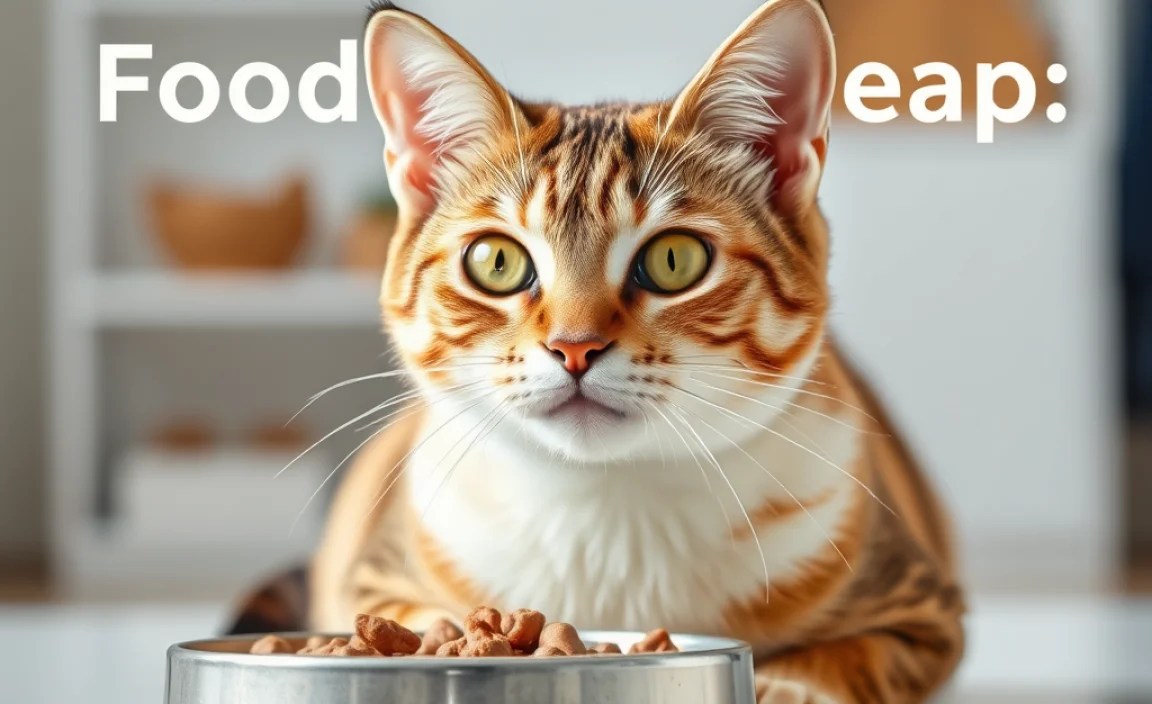
No matter if you buy commercial food or consider DIY, understanding what your cat needs is key to ensuring any diet is truly beneficial.
Obligate Carnivores: What It Means
Cats are obligate carnivores. This means their bodies are designed to thrive on nutrients found only in animal products. They have a higher protein requirement than omnivores or herbivores, and they cannot synthesize certain essential nutrients from plant sources as effectively.
Key Nutritional Components:
- Protein: The building block for everything in the body, especially vital for muscle development and energy. Animal-based protein is superior for cats.
- Fats: Essential for energy, absorption of fat-soluble vitamins, and healthy skin and coat.
- Taurine: An amino acid vital for heart function, vision, and reproduction. Cats cannot produce enough taurine on their own and must get it from their diet. Animal muscle meat is a good source.
- Vitamins & Minerals: Including calcium, phosphorus, vitamin A, and B vitamins, all crucial for bodily functions.
A well-balanced natural diet will provide these in the appropriate amounts. For instance, reputable commercial foods are formulated and tested to meet these precise nutritional standards established by organizations like the Association of American Feed Control Officials (AAFCO).
Affordable “Natural” Cat Food Options to Consider

Let’s look at some categories and examples of how to feed naturally without a huge expense.
1. High-Quality Dry Kibble
While wet food is often recommended for hydration, high-quality dry kibble can be a more budget-friendly staple. Look for brands where the first few ingredients are named meat sources.
Tips for Choosing:
- Prioritize protein content (aim for 30% or higher).
- Check for minimal grain or grain-free if that suits your cat and budget.
- Avoid artificial colors, flavors, and excessive fillers like corn, wheat, and soy in high proportions.
Budget-Friendly Natural Kibble Examples (Check current pricing and ingredients as this can change):
- Purina ONE Healthy Kitten/Adult Formula: Often features real meat as the first ingredient and is widely available at reasonable prices.
- Blue Buffalo Life Protection Formula: Many varieties use deboned meat as the first ingredient and are a step up from basic grocery store brands.
- Rachael Ray Nutrish: Their “real meat recipes” often have meat as the first ingredient and can be found at accessible price points.
2. Canned Food on Sale
Wet food is fantastic for hydration and typically higher in protein. While some gourmet brands are expensive, many good quality options go on sale frequently.
Tips for Choosing:
- Look for “pate” styles, which often use fewer binders and can be more ingredient-dense.
- “Chunks in gravy” or “shredded” styles can sometimes have more fillers or less meat content, but still can be good if the main ingredients are sound.
- Buy in cases when on sale for the best price per can.
Budget-Friendly Natural Canned Food Examples:
- Purina Pro Plan (various formulas): Often has sales and can be a great value for a high-protein canned food.
- Fancy Feast (select natural varieties): While not all Fancy Feast is “natural,” some lines like “Medleys” or their pate styles offer good ingredients at a lower cost than premium brands, especially in bulk.
- 9Lives (select natural choices): Similar to Fancy Feast, some 9Lives options can be very affordable and offer decent meat content. Always check labels!
3. Mix-and-Match Approach
Combine a budget-friendly, good-quality dry kibble with a more affordable wet food. You can use the wet food as a topper for the kibble to increase palatability and moisture, or feed them separately. This approach allows you to leverage the cost-effectiveness of kibble while still providing the benefits of wet food.
Example Strategy:
Feed a good quality natural kibble (like Purina ONE or a well-priced Blue Buffalo) as the base, and then supplement with one or two cans of affordable, meat-first wet food (like Purina Pro Plan variety or select Fancy Feast) per day.
Simple Steps to Prepare Affordable Natural Meals (for wet food lovers)
If you’re leaning towards wet food but want to be sure you’re getting the most bang for your buck, here’s a simple approach.
Step 1: Choose Your Base
Select an affordable, high-quality canned cat food that has a named meat source as the first ingredient. Focus on pate-style foods as they tend to be more straightforward in terms of ingredients.
Step 2: Enhance with Water or Broth
To increase moisture intake and make the meal more filling (potentially helping with portion control), stir a tablespoon or two of unsalted, plain chicken or bone broth (ensure no onions or garlic, which are toxic to cats) into the wet food. This doesn’t add significant cost but boosts the nutritional and hydrating value.
Step 3: Consider a Trusted Supplement (if needed and advised by vet)
If your vet recommends it, you might occasionally add a tiny amount of a vet-approved supplement. However, for most cats eating a balanced commercial diet, this isn’t necessary and adds to the cost.
Step 4: Portion Control
Use a measuring cup to ensure you’re feeding the correct amount for your cat’s age, weight, and activity level. This prevents overfeeding, which is not only unhealthy but also a waste of food and money.
Table: Comparing Cat Food Types by Cost and Nutrition
Here’s a general overview, keeping in mind that prices and formulations vary widely. This table helps illustrate the trade-offs.
| Cat Food Type | Typical Cost Range (per lb/equivalent) | Pros | Cons | Natural Ingredients Focus |
|---|---|---|---|---|
| Ultra-Premium Commercial (e.g., grain-free, limited ingredient specialty brands) | $$$$ (Very High) | Often highest quality ingredients, specialized formulas. | Very expensive, not always necessary for average cat. | Excellent. |
| Good Quality Commercial (e.g., Purina Pro Plan, some Blue Buffalo, Hill’s Science Diet) | $$$ (High) | Good balance of nutrition, widely available, often vet-recommended, strong quality control. | Can still be pricey, some may contain grains or fillers. | Good to Very Good. |
| Budget-Friendly Natural Commercial (e.g., Purina ONE, Rachael Ray Nutrish, select store brands) | $$ (Moderate) | Affordable, accessible, typically feature real meat as a primary ingredient, fewer artificial additives. | May have more grains/fillers than premium, quality can vary by specific product line. | Good. |
| Generic/Economy Commercial (e.g., basic grocery store brands) | $ (Low) | Very inexpensive. | Often low-quality protein, high in fillers, artificial additives, lacks essential nutrients for optimal health. | Poor. |
| Homemade/DIY (Balanced by Veterinary Nutritionist) | $$ – $$$$ (Variable, can be high) | Complete control over ingredients, can be tailored. | Requires expert formulation, time-consuming, risk of imbalance, can be expensive to source all components. | Excellent (if formulated correctly). |
Essential Tools for Affordable Natural Feeding
You don’t need fancy gadgets, but a few basics can make feeding easier and more economical.
- Accurate Measuring Cups: For both dry kibble and portioning wet food from cans or larger containers. This ensures you’re feeding the right amount to avoid waste and maintain a healthy weight for your cat.
- Airtight Containers: For storing opened bags of kibble or leftover wet food. This keeps food fresh and prevents spoilage.
- Dedicated Pet Food Bowls: Ceramic or stainless steel bowls are easy to clean and more hygienic than plastic.
- Water Source: A fresh water bowl or a water fountain. Hydration is key, and ensuring constant access to clean water is essential for natural health.
Common Questions About Natural Cat Food and Budgeting
Q1: What is the cheapest natural cat food available?
The “cheapest” is subjective, but generally, you’ll find the most budget-friendly natural options in the mid-range commercial cat food aisle. Look for brands like Purina ONE, Rachael Ray Nutrish, or well-formulated store brands that list real meat as their first ingredient. Always compare ingredient lists and prices per pound.
Q2: Are grain-free diets essential for cats?
Not necessarily for all cats. Cats are obligate carnivores and their primary need is high-quality animal protein. While some cats may benefit from or prefer grain-free diets due to sensitivities, many cats thrive perfectly well on a well-formulated diet that includes grains. Focus on the meat content and absence of artificial additives first.
Q3: How can I tell if my cat’s food is truly natural and healthy?
Look for a named meat source (e.g., “chicken,” “salmon”) as the very first ingredient. Check the ingredient list for minimal artificial preservatives, colors, and flavors. Also, review the guaranteed analysis for good protein levels (typically 30% or more for dry food) and appropriate fat content. Reputable brands will clearly list their ingredients.
Q4: Is it safe to mix different brands of cat food?
Generally, yes, as long as you do so gradually to avoid upsetting your cat’s stomach. Mixing can be a great way to get the benefits of different foods and to utilize sales or clearance items. However, if you’re mixing a very high-quality food with a lower-quality one, you might negate some of the benefits. Always aim for at least the “good quality” category for all components.
Q5: How much wet food should I feed my cat daily?
The amount varies based on the calorie content of the food, your cat’s age, weight, and activity level. Most wet food cans have feeding guidelines on the packaging. Start there and adjust based on your cat