
Explore natural remedies for cats, focusing on kitten care. Discover gentle, effective ways to support your kitten’s well-being with diet, soothing techniques, and environmental enrichment. This guide offers simple, safe, and practical solutions for new kitten parents.
Bringing a new kitten into your home is incredibly exciting! But sometimes, tiny felines can come with tiny troubles, like sensitive tummies or scratching issues. It can feel overwhelming trying to figure out what’s best for your little one, especially when you want to avoid harsh chemicals. But don’t worry! You can absolutely nurture your kitten’s health and happiness with simple, natural approaches. This guide will walk you through gentle, effective remedies that are safe for your growing furry friend. Get ready to create a loving, natural haven for your kitten!
Natural Remedies For Cats: Essential Kitten Care
As a passionate advocate for pet wellness, I believe in harnessing the power of nature to support our feline companions, especially our youngest and most delicate friends – kittens. New kitten parents often seek gentle, effective ways to care for their little ones, particularly when dealing with common issues like digestive upset or anxieties. The good news is that nature offers a wealth of resources to help your kitten thrive. This guide focuses on practical, natural remedies that are safe and easy to implement, making kitten care a joyful and stress-free experience.
Understanding Kitten Vulnerabilities
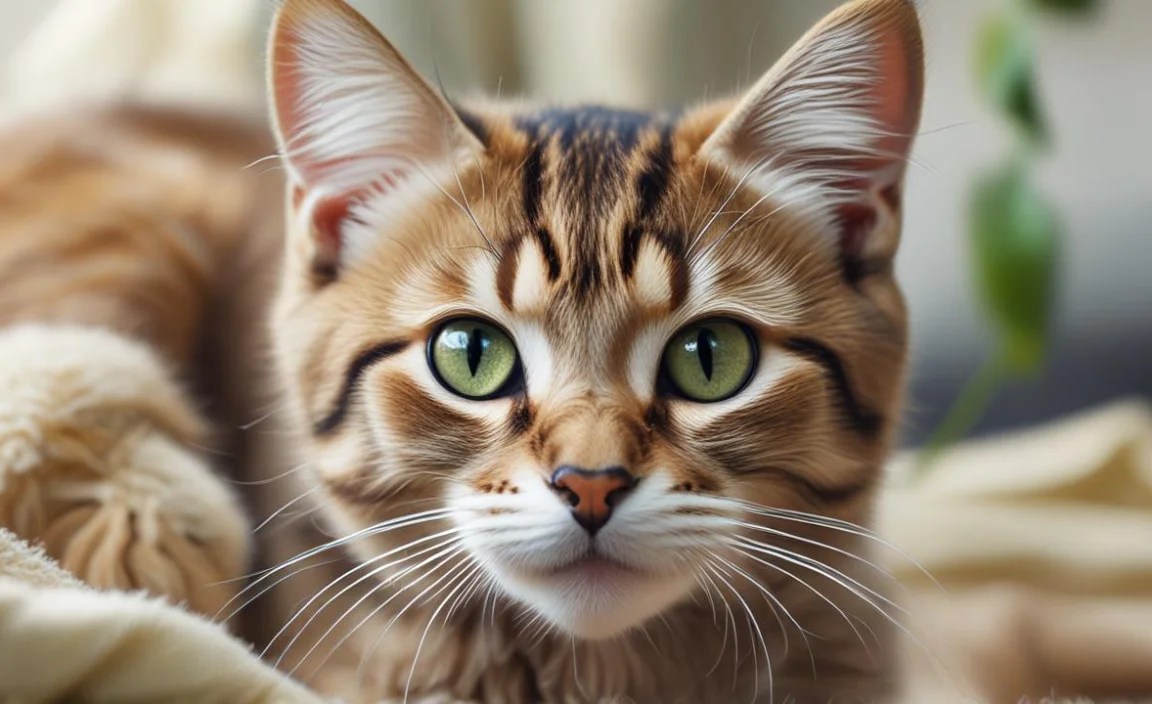
Kittens are unique. Their immune systems are still developing, making them more susceptible to various challenges. Their digestive systems are also quite sensitive, and they are learning to navigate the world around them, which can lead to stress. Recognizing these vulnerabilities is the first step in providing appropriate, gentle care.
- Developing Immune Systems: Kittens receive antibodies from their mother’s milk, but this protection wanes as they grow, leaving them more prone to infections.
- Sensitive Digestion: Their tiny tummies can easily be upset by sudden diet changes, new foods, or even stress.
- Behavioral Adjustments: Moving to a new home is a huge change! Kittens can experience anxiety, which may manifest in behaviors like hiding, excessive meowing, or litter box issues.
- Growth and Energy: Kittens are constantly growing and exploring, which requires good nutrition and a safe environment.
Nourishing Your Kitten Naturally: Diet is Key

The foundation of any kitten’s health is proper nutrition. For kittens, this means a diet rich in animal-based protein to support their rapid growth and development. When considering natural options, focus on high-quality ingredients.
Choosing the Right Kitten Food
Look for kitten food formulations that are:
- High in Animal Protein: The primary ingredient should be a named meat source; this fuels their energy and growth.
- Grain-Free Options: Many owners find that grain-free diets reduce digestive upset and improve coat health in their feline friends.
- Limited Ingredient Diets (LID): For kittens prone to sensitivities, LIDs can help identify and avoid common allergens.
- Free from Artificial Additives: Avoid artificial colors, flavors, and preservatives, which can be harder for a kitten’s young system to process.
When transitioning to a new food, do so gradually over 7-10 days to prevent digestive upset. Mix small amounts of the new food with the old, increasing the proportion of the new food daily.
Natural Boosts for Digestion
Sometimes, even with the best diet, kittens can experience digestive issues due to stress or a sensitive system. Natural remedies can offer gentle support.
- Probiotics: These beneficial bacteria help balance the gut flora, improving digestion and nutrient absorption. Look for probiotic supplements specifically formulated for cats. You can sprinkle a sprinkle of the powder on their food. Always start with a small dose.
- Fiber: A small amount of cooked, plain pumpkin (not pie filling!) can be a wonderful natural remedy for both diarrhea and constipation. Start with just half a teaspoon mixed into their food.
- Hydration: Ensure constant access to fresh, clean water. Some kittens prefer running water, so a pet drinking fountain can encourage extra hydration.
Always consult with your veterinarian before introducing new supplements or significantly changing your kitten’s diet.
Soothing Anxiety and Stress Naturally

Moving to a new home is a significant life event for a kitten. They are leaving their mother and siblings, entering an unfamiliar environment, and learning new routines. Natural remedies can help ease these transitions.
Creating a Safe Haven
The first and most crucial step is to provide a secure and predictable environment.
- Designated Safe Space: Set up a cozy bed or den in a quiet area where your kitten can retreat and feel secure. This should be a place where they won’t be disturbed.
- Familiar Scents: Gently rub a soft cloth on your kitten’s cheeks and then on furniture or bedding; this transfers their scent and helps them feel more comfortable.
- Play Therapy: Interactive play with wand toys can help burn off nervous energy and build confidence. Keep play sessions short, positive, and rewarding.
Herbal and Pheromonal Support
Certain natural products can help calm an anxious kitten.
- Feliway Diffusers: These devices release synthetic feline facial pheromones that mimic the calming signals cats naturally produce. This can significantly reduce stress and anxiety in a new environment.
- Catnip (with caution): For most cats, catnip is a mild stimulant that can promote playfulness, but for some, it can be calming. Observe your kitten’s reaction. Use sparingly and only if they respond positively. Not all kittens react to catnip, and it’s generally recommended for kittens over 6 months.
- Herbal Calming Aids (consult vet): Some veterinarians may recommend very diluted tinctures of herbs like chamomile or valerian root. It is absolutely critical to consult your veterinarian before giving any herbal remedies to your kitten, as dosages and safety vary greatly, and some herbs can be toxic to cats.
Addressing Common Kitten Irritations Naturally

From minor scratches to delicate skin, natural approaches can offer gentle relief.
For Skin and Coat Health
A healthy coat starts from within and is supported by external care.
- Omega-3 Fatty Acids: Found in high-quality fish oil supplements (ensuring they are specifically formulated for cats and free from additives), Omega-3s are excellent for promoting a soft, shiny coat and can help with dry, itchy skin.
- Gentle Grooming: Regular brushing with a soft-bristled brush or grooming glove helps distribute natural oils, removes loose fur, and can be a bonding experience.
- Oatmeal Baths (for external use only): If your kitten has itchy skin (and your veterinarian has ruled out any underlying medical conditions), a very gentle bath with a colloidal oatmeal shampoo specifically designed for pets can offer relief. Ensure the water is lukewarm and rinse thoroughly.
Soothing Minor Abrasions and Scratches
Accidents happen, especially with playful kittens.
- Saline Solution: A simple, sterile saline solution (available at pharmacies) can be used to gently clean minor cuts or scrapes. Use a clean cotton ball to apply.
- Calendula Ointment (pet-safe): For very minor abrasions, a thin layer of a pet-safe calendula ointment can promote healing. Always ensure that any topical product is specifically labelled as safe for cats and free from ingredients like zinc or essential oils that can be toxic.
For any wounds that are deep, bleeding, or showing signs of infection (redness, swelling, discharge), seek immediate veterinary care.
Safe and Natural Pest Prevention
Keeping your kitten safe from external parasites like fleas and ticks is essential. While conventional treatments are effective, many pet owners prefer to explore natural alternatives. However, it’s vital to approach these with extreme caution.
Understanding Natural Flea and Tick Options
Many “natural” products are mislabeled or ineffective, and some can be dangerous for kittens.
- Diatomaceous Earth (Food Grade): When used very sparingly and cautiously, food-grade diatomaceous earth (DE) can dehydrate and kill fleas by damaging their exoskeletons. It should NOT be inhaled by you or your kitten, as it can cause respiratory irritation. Apply a tiny amount to bedding or carpets, or very lightly to the dry fur of the adult cat ONLY after consulting your vet. Never use on kittens without explicit veterinary guidance.
- Nematodes: Beneficial nematodes can be introduced to your garden to control flea larvae in outdoor spaces.
- Regular Grooming and Inspection: This is your most natural and effective tool. Daily brushing and a thorough check of your kitten’s fur, especially around the ears, neck, and tail base, can help you spot parasites early.
Important Note: Over-the-counter “natural” flea treatments can be dangerous. Many essential oils, while natural, are highly toxic to cats (e.g., tea tree oil, citrus oils, peppermint oil). Always consult your veterinarian before using any natural flea and tick prevention. They can advise on the safest and most effective options for your kitten’s age and health. For young kittens, veterinarians often recommend specific, veterinary-grade topical or oral treatments that are proven safe and effective, especially given their vulnerability.
An excellent resource for understanding pet-safe ingredients and potential toxins is the ASPCA Animal Poison Control Center website, which also lists toxic plants for pets.
Safe Carriers and Travel
When you do need to travel with your kitten, whether for vet visits or new adventures, a safe and comfortable carrier is paramount. Natural approaches here involve creating a positive association with the carrier.
- Leave Carrier Out: Keep the carrier accessible in a common area with the door open. Place soft bedding, a familiar toy, and a safe treat inside to make it inviting.
- Positive Reinforcement: Feed your kitten meals near or inside the carrier. Offer praise and treats when they enter willingly.
- Calming Scents: A spritz of Feliway* Classic Spray (a pheromone spray) inside the carrier 15-30 minutes before travel can help promote a sense of calm.
When to Seek Veterinary Advice
While natural remedies are wonderful for supporting your kitten’s well-being, they are not a substitute for professional veterinary care. It’s crucial to know when to call your vet.
Always consult your veterinarian if you notice any of the following:
- Persistent vomiting or diarrhea
- Lethargy or extreme weakness
- Loss of appetite
- Difficulty breathing
- Concerning changes in behavior (e.g., extreme hiding, aggression)
- Signs of pain or injury
- Suspected ingestion of toxins
- Any new or worsening health concerns
Your veterinarian can accurately diagnose any health issues and recommend the best course of treatment, which may include conventional medicine, dietary changes, or a combination of approaches including safe natural therapies.
DIY Natural Kitten Care Recipes (Use with Caution!)
For the adventurous pet parent, here are a couple of simple DIY options that use common, safe ingredients. Always remember to introduce these gradually and observe your kitten’s reaction.
Simple Calming “Tea” for Anxiety (for drinking, not topical)
This is a very mild, diluted infusion. Always serve cooled.
- 1 cup of filtered water
- 1-2 chamomile tea bags (ensure they are pure chamomile, no added flavors or caffeine). For kittens, use very little tea – perhaps a quarter of a bag steeped in a very small amount of cooled water.
Instructions:
- Boil 1 cup of filtered water.
- Add 1-2 chamomile tea bags (or a smaller amount for kittens).
- Steep for 5-10 minutes, then remove tea bags.
- Let the tea cool completely.
- Offer a tablespoon or two in a separate small bowl, alongside their regular water. Do NOT replace their regular drinking water entirely.
Caution: Even natural remedies can cause adverse reactions. Monitor your
kitten. If they show any disinterest or adverse effects, discontinue use. Consult your vet beforehand.
Gentle Paw Balm
For dry, cracked paw pads (use only if your vet confirms no infection).
- 1 tablespoon of coconut oil (food grade)
- 1/2 teaspoon of shea butter (unsalted, unfragranced)
Instructions:
- Gently melt the coconut oil and shea butter together in a double boiler or in a microwave-safe bowl for short bursts.
- Stir until well combined.
- Pour into a small, clean tin or container.
- Let it cool and solidify completely.
Application: Apply a tiny amount to your kitten’s paw pads as needed. Gently massage it in and try to prevent them from licking it off immediately by distracting them with a treat or play for a few minutes.
Important: Ensure the ingredients are pure and free from any additives. This is for external use only. If irritation occurs, discontinue use.
Table: Comparing Natural Approaches vs. Conventional Methods
Here’s a quick overview to help you weigh your options:
| Aspect | Natural Remedies | Conventional Methods |
|---|---|---|
| Approach | Supports body’s natural healing, often preventative and holistic. | Targets specific symptoms or conditions, often with a faster, potent effect. |
| Effectiveness | Can be very effective for mild issues, maintenance, and prevention. May be slower acting. | Highly effective for acute conditions, severe infections, and rapidly progressing diseases. |
| Side Effects | Generally fewer and milder side effects when used correctly. Risk of misuse or lack of efficacy. | Can have more significant side effects, requiring careful monitoring. |
| Cost | Can be more budget-friendly for some remedies, ingredient costs can vary. | Can be more expensive, especially for prescription medications or long-term treatments. |
| Accessibility | Many available over-the-counter or DIY. Requires research and careful selection. | Often requires a veterinary prescription and professional guidance. |
| Best For | Stress management, mild digestive upset, coat health, preventative care, minor irritations. | Infections, serious injuries, chronic diseases, immediate symptom relief. |
Frequently Asked Questions About Natural Kitten Care
Q1: Can I give my kitten human medicines for natural remedies?
A: Absolutely not. A cat’s system is very different from a human’s, and many common human medications (like ibuprofen or acetaminophen) are highly toxic and potentially fatal to cats. Always use products specifically formulated for felines and consult your veterinarian.
Q2: How do I know if a natural remedy is safe for my kitten?
A: Safety first! Always choose products labeled specifically for cats. If it’s a DIY remedy, use human-grade, food-safe ingredients only and research extensively. The best practice is to discuss any new remedy, even natural ones, with your veterinarian before administering it to your kitten.
Q3: My kitten is scratching a lot. What natural remedies can help?
A: For mild scratching, ensure their diet is rich in Omega-3 fatty acids. Regular, gentle brushing can also help. A vet-approved, pet-safe oatmeal shampoo can be soothing if the skin is dry and itchy. However, excessive scratching can indicate fleas, allergies, or infections, so a veterinary check-up is essential to rule out underlying issues.
Q4: Is it okay to use essential oils on my kitten for calming?
A: This is a critical point: Most essential oils are highly toxic to cats due to their inability to metabolize certain compounds. Oils like tea tree, eucalyptus, citrus, and peppermint can cause severe poisoning. Even diffusing them can be harmful. Stick to vet-approved pheromone products like Feliway.
Q5: My kitten has mild diarrhea. What natural remedies can I try?
A: Ensure they have constant access to fresh water. A small amount (half a teaspoon) of plain, cooked, canned pumpkin (not pie filling) mixed into their food can help regulate digestion by providing fiber. Probiotic supplements formulated for cats can also support gut health. If diarrhea persists for more than 24-48 hours or is severe, see your vet.