
Explore natural remedies for cats’ soft food to enhance palatability and introduce variety safely. Discover simple, wholesome additions like broths, pureed meats, and herbs that can make mealtime more appealing and nutritious for your feline friend.
So Your Cat’s Fussing Over Food? Let’s Make Mealtime Shine!

Does your cat turn up their nose at their regular food? It’s a common puzzle for cat parents! Sometimes, our feline friends need their meals to be a little more exciting, especially if they’re picky eaters, recovering from illness, or just bored. Finding ways to make their food more appealing shouldn’t be a chore. This guide is here to help you discover simple, natural ways to jazz up your cat’s soft food, making mealtime a joyous occasion again. We’ll explore gentle, wholesome additions you can trust to boost flavor and nutrition. Get ready to transform your kitty’s dining experience!
Why Natural Remedies for Soft Food?

Cats can be notoriously picky eaters. Their sense of smell and taste is far more developed than ours, and they can detect subtle changes in their food. Sometimes, what seems perfectly fine to us might be “off” to them. This can happen for various reasons:
Boredom: Cats thrive on variety, and the same flavor day after day can get tiresome.
Illness or Recovery: When cats are feeling unwell, their appetite often decreases, and they may be more sensitive to smells that seem unappealing.
Age: Older cats might experience a dulling of their senses, making food less enticing.
Dental Issues: Pain in the mouth can make chewing or even smelling certain foods uncomfortable.
Stress: Changes in their environment can impact a cat’s desire to eat.
While commercial “toppers” and artificial flavor enhancers exist, many pet owners prefer to use natural ingredients. These not only add flavor and aroma but can also provide additional nutrients. Using natural options means you know exactly what you’re feeding your cat – no artificial colors, flavors, or preservatives. It’s a way to provide extra care and attention with simple, food-based solutions.
Understanding Your Cat’s Nutritional Needs
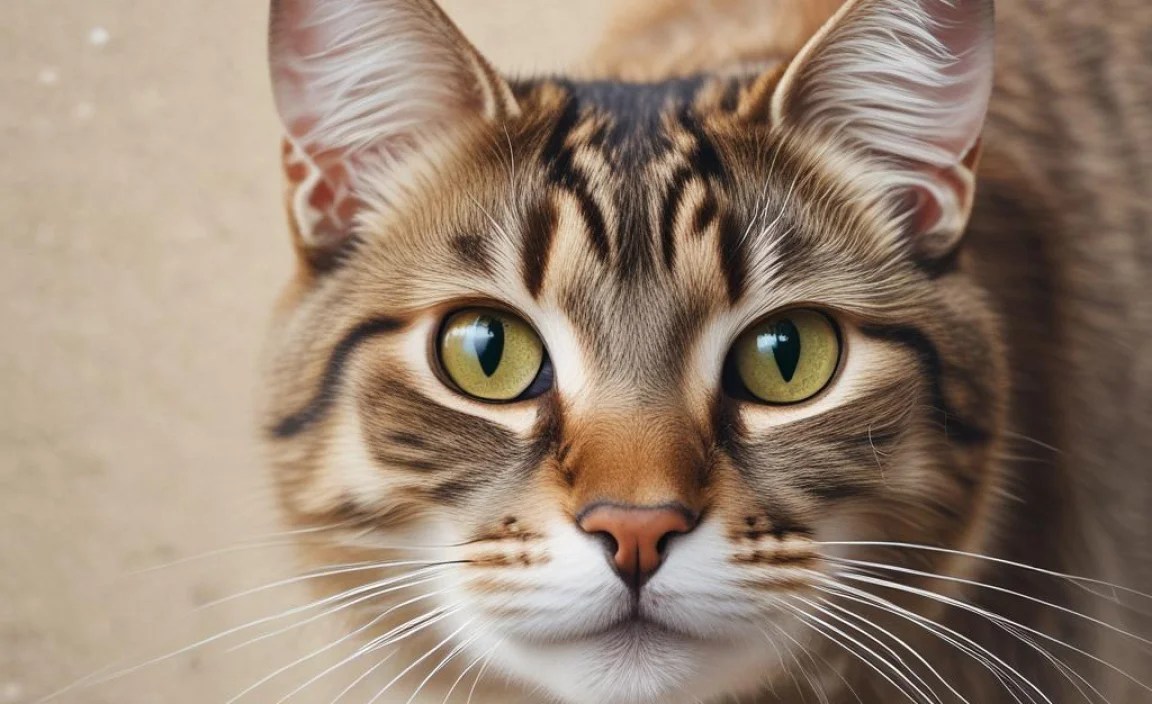
Before we dive into adding new ingredients to your cat’s soft food, it’s essential to remember they are obligate carnivores. This means their diet must consist of meat to survive and thrive. Their bodies are designed to process animal protein efficiently. Any additions to their food should complement, not replace, a high-quality, meat-based diet.
Most commercial cat foods, especially wet (soft) foods, are formulated to be nutritionally complete. This means they contain all the vitamins, minerals, and macronutrients your cat needs. When you add supplements or flavor enhancers, you want to ensure you aren’t unbalancing this carefully crafted nutrition, especially if you are doing it regularly.
For a deeper understanding of feline nutrition, the Cornell Feline Nutrition Program offers excellent resources.
The Best Natural Additions to Soft Food

These natural remedies are generally safe for most cats in small quantities. Always introduce new foods gradually and monitor your cat for any digestive upset. Remember, moderation is key.
1. Unsalted Broth
Plain, unsalted chicken or bone broth is a fantastic way to add moisture and a savory aroma to your cat’s food. Cats are often drawn to the rich smell of meat. Broth also helps increase hydration, which is crucial for cats, especially those prone to urinary tract issues.
Why it works: The smell of meat is highly appealing to cats. It adds moisture, making the food more palatable and easier to eat.
How to use it: Warm a small amount of broth (just enough to moisten the food) and mix it into your cat’s soft food. Ensure it is completely unsalted and free from onion or garlic, which are toxic to cats.
Types to look for: Chicken, turkey, or beef bone broth, specifically formulated for pets or a very high-quality, unsalted human-grade version.
Important note: Never use broths seasoned with onion, garlic, or high levels of salt, as these can be harmful to cats.
2. Pureed Meats and Fish
Plain, cooked, unseasoned meats (like chicken, turkey, or beef) or fish (like salmon or tuna) can be a highly enticing addition. Pureeing them makes them easy to mix into their existing soft food.
Why it works: Cats are carnivores, and the pure scent and taste of meat are irresistible. It provides a protein boost and appeals to their natural instincts.
How to use it: Cook small, plain pieces of meat or fish until fully done. Let them cool, then puree them in a blender or food processor with a tiny bit of water or unsalted broth until smooth. Mix a teaspoon or two into their regular wet food.
Types: Cooked chicken breast, turkey, boiled plain salmon, or white fish. A tiny amount of tuna packed in water (not oil) can be used as a rare treat.
Caution: Avoid any seasoned meats or fish. Raw meat carries a risk of bacterial contamination and should be approached with extreme caution and veterinary guidance. Canned fish in oil or with added salt should also be avoided.
3. Egg Yolk (Cooked)
A small amount of cooked egg yolk can be a special treat and a source of good fats and protein. It’s highly palatable and can encourage a reluctant eater.
Why it works: The rich flavor and texture of egg yolk are often very appealing to cats. It’s also a good source of vitamins and healthy fats.
How to use it: Cook an egg yolk until firm but not dry. Mash it or lightly whisk it into your cat’s soft food. A portion equivalent to one tablespoon of mashed yolk is usually sufficient for a meal.
Important note: Ensure the yolk is fully cooked to eliminate the risk of salmonella. Avoid feeding egg whites, as they contain avidin, which can interfere with biotin absorption over time.
4. Plain Cooked Liver (in moderation)
A tiny amount of plain, cooked liver can be a super-flavorful addition, but it should be offered sparingly due to its high vitamin A content.
Why it works: Liver has a very strong, appealing smell and taste for many cats.
How to use it: Boil or bake a small piece of chicken or beef liver until cooked through. Let it cool, then mash or finely mince a very small portion (e.g., a pea-sized amount) and mix it into their food.
Caution: Liver is very nutrient-dense. Too much can lead to vitamin A toxicity, which can cause serious health problems, including bone abnormalities. Consult your veterinarian before offering liver regularly.
5. Sardines in Water (Once or Twice a Week Max)
A half or whole sardine (packed in water, NOT oil or sauce, and de-boned if possible) can be a treat cats go wild for. They are a good source of omega-3 fatty acids.
Why it works: The strong, fishy aroma is a significant draw for many cats. The omega-3s are beneficial for skin and coat health.
How to use it: Mash one sardine into their soft food. Due to the sodium content, even in water-packed versions, and the rich flavor, this should be an occasional treat, no more than once or twice a week.
What to look for: Small sardines packed in water, with no added salt or other fish.
Considerations: High in phosphorus, so not ideal for cats with kidney issues.
6. Small Amounts of Cat-Specific Nutritional Yeast
Nutritional yeast is a deactivated yeast that has a cheesy, nutty flavor. Human-grade nutritional yeast can be used very sparingly, but cat-specific versions are often better.
Why it works: The savory flavor can add a new dimension to bland food. It also contains B vitamins.
How to use it: Sprinkle a tiny pinch (about 1/8 to 1/4 teaspoon) over your cat’s wet food.
Key point: Ensure it is truly nutritional yeast and not brewer’s yeast or baker’s yeast, as the types have different properties and effects. Always opt for unfortified versions if possible.
7. A Dash of Cat Nip Oil or Valerian Root Tincture (with caution)
For the extremely reluctant eater, a minuscule amount of catnip oil or a valerian root tincture (specifically formulated for pets) can sometimes perk up interest.
Why it works: These herbs can trigger a positive sensory response in cats, making them more curious and potentially encouraging them to investigate their food.
How to use it: Add ONE drop to their food. Observe your cat’s reaction. Not all cats respond to catnip, and some may become overstimulated.
Where to find: Look for pure, food-grade essential oils or tinctures intended for feline consumption from reputable pet supply stores.
Disclaimer: Use these very sparingly and only if other natural options have failed. Always consult your vet regarding herbs.
Making Your Own Cat Food Toppers: Easy Recipes

Creating your own cat food toppers is a fantastic way to control ingredients and ensure freshness. Here are a few simple ideas:
Recipe 1: Savory Chicken Broth Boost
Ingredients:
1 cup unsalted, plain chicken bone broth (pet-specific or human-grade)
Instructions:
1. Gently warm the broth.
2. Pour 1-2 tablespoons over your cat’s soft food as needed.
3. Store excess broth in the refrigerator for up to 3-4 days.
Recipe 2: Tuna Water Delight
Ingredients:
1 small can (approx. 2-3 oz) of light tuna packed in water, no salt added
Instructions:
1. Drain the tuna, reserving the water.
2. Mash a small amount of the tuna (about a teaspoon) into your cat’s food.
3. Use 1-2 teaspoons of the reserved tuna water to moisten the food further.
4. Offer as an occasional treat, not a daily staple.
Recipe 3: Simple Salmon Puree
Ingredients:
1 oz cooked, plain salmon (boiled or baked, no seasoning)
1 teaspoon unsalted broth or water
Instructions:
1. Ensure salmon is cooled.
2. Place salmon and broth/water in a small blender or food processor.
3. Puree until smooth.
4. Mix 1-2 teaspoons into your cat’s meal.
5. Refrigerate any unused puree for up to 2 days.
When to Avoid Certain Additions
It’s crucial to know what not to feed your cat. Some ingredients commonly found in human food are toxic to felines, even in small amounts.
Onions, Garlic, and Chives: These alliums can damage a cat’s red blood cells, leading to anemia.
Grapes and Raisins: Can cause kidney failure in cats.
Chocolate: Contains theobromine, which is toxic and can be fatal.
Alcohol and Caffeine: Highly toxic and can cause severe health issues.
Dairy Products: Most cats are lactose intolerant and can experience digestive upset (vomiting, diarrhea) from milk, cream, and cheese.
Xylitol: An artificial sweetener intensely toxic to pets, found in some sugar-free products.
Raw Dough: Can expand in the stomach and cause alcohol poisoning.
If you are ever unsure about an ingredient, it’s always best to err on the side of caution and avoid it. When in doubt, contact your veterinarian.
Introducing New Foods: A Gradual Approach
Cats have sensitive digestive systems. Introducing new foods too quickly can lead to stomach upset, including vomiting or diarrhea. Here’s how to do it safely:
1. Start Small: Begin by adding just a tiny amount of the new natural remedy to your cat’s regular food. For example, a few drops of broth or a pea-sized amount of pureed meat.
2. Observe: Watch your cat for any changes in behavior or digestion over the next 24-48 hours. Look for signs of vomiting, diarrhea, or loss of appetite.
3. Increase Gradually: If your cat tolerates the initial small amount well, you can slowly increase the quantity over several days.
4. Mix Thoroughly: Ensure the new addition is well-mixed into their regular food so your cat doesn’t simply lick off the tasty bits and leave the rest.
5. Limit One New Item at a Time: Don’t introduce multiple new ingredients at once. This makes it easier to pinpoint any potential issues.
This careful introduction ensures that your cat can enjoy the benefits of these natural boosters without experiencing discomfort.
What To Do If Your Cat Still Won’t Eat
If you’ve tried various natural additions and your cat is still refusing food, or if they are showing other signs of illness (lethargy, vomiting, diarrhea, changes in urination/defecation), it’s time to call the vet.
A sudden loss of appetite in cats is a serious concern because cats can develop hepatic lipidosis (fatty liver disease) if they don’t eat for even a few days.
Here are other reasons a cat might refuse food:
Underlying Medical Conditions: This could range from dental disease to kidney problems, gastrointestinal issues, or infections.
Stress or Anxiety: Changes in their living environment, new pets, or loud noises can cause distress.
Food Quality or Storage: Has the food gone bad? Was it stored improperly, affecting its smell and taste?
* Recent Vaccinations or Medications:** Some medical interventions can temporarily affect appetite.
Your veterinarian can perform a physical exam, run diagnostic tests, and help determine the root cause of your cat’s lack of appetite. They can also advise on specific dietary changes or appetite stimulants if necessary.
Here’s a quick comparison table of some popular natural additions:
| Natural Addition | Pros | Cons/Cautions | Frequency |
|---|---|---|---|
| Unsalted Broth | Increases hydration, appealing aroma, easy to digest. | Must be unsalted, no onion/garlic. | Daily (small amount). |
| Pureed Meats/Fish | Highly palatable, protein boost, natural. | Must be plain cooked, not seasoned. Tuna in moderation. | Several times a week. |
| Cooked Egg Yolk | Palatable, source of good fats and protein. | Must be fully cooked, small amount only. | 1-2 times a week. |
| Plain Cooked Liver | Very strong, appealing smell/taste. | High in Vitamin A, use very sparingly to avoid toxicity. | Once a week (tiny amount). |
| Sardines in Water | Rich in Omega-3s, highly appealing. | Can be high in sodium, high in phosphorus (for kidney cats). | Once or twice a week MAX. |
Conclusion: A Happy Cat Starts with a Happy Meal
Making your cat’s soft food more appealing with natural remedies is a rewarding way to enhance their well-being. From a splash of unsalted broth to a bit of pureed chicken, these simple additions can transform mealtime from a chore into a delight. Remember to introduce new items gradually, always prioritize plain, unseasoned ingredients, and keep an eye on your cat’s digestive health and overall well-being.
By understanding your cat’s needs and using wholesome, natural boosters, you’re contributing to a happier, healthier feline companion. If your cat’s appetite issues persist or you have any concerns, always consult with your veterinarian. Happy feeding!
Frequently Asked Questions About Natural Cat Food Boosters
Q1: Can I give my cat tuna or salmon every day?
While cats often love tuna and salmon, it’s best not to feed them these options every day. Tuna, especially when packed in oil or brine, can be high in mercury and sodium, and feeding it daily can lead to nutritional imbalances and health issues like hyperthyroidism. Salmon is a healthier option but should still be offered as part of a varied diet, not as a sole food source or daily addition, and always cooked and plain.
Q2: How much unsalted broth can I give my cat?
A good rule of thumb is to start with just a tablespoon or two mixed into their regular soft food to moisten it. This adds flavor and hydration without significantly altering their overall nutritional intake. Ensure it’s completely unsalted and free from toxic ingredients like onion and garlic. You can offer small amounts daily.
Q3: What are the risks of feeding my cat human food?
The biggest risk is feeding foods that are toxic to cats, such as onions, garlic, chocolate, grapes, and xylitol. Even non-toxic human foods can cause digestive upset if your cat isn’t used to them, leading to vomiting or diarrhea. Additionally, many human foods lack the balanced nutrition cats need, and feeding too much can lead to obesity or malnutrition if it displaces their regular, balanced cat food.