
Boosting your cat’s immune system through preventive care is straightforward! Focus on a high-quality diet, regular vet check-ups, vaccinations, parasite control, and a stress-free environment. These simple steps create a strong defense against illness, ensuring your feline friend lives a long, healthy, and happy life.
Keeping your furry friend robust and healthy is a top priority for any cat parent. Sometimes, despite our best efforts, our cats can fall ill, leading to worry and unexpected vet bills. But what if you could proactively strengthen your cat’s natural defenses? Good news! Preventive care is your secret weapon to support a vibrant immune system. This guide will walk you through simple, genius tips to help your cat stay strong and resilient, making those vet visits less about sickness and more about wellness checks. Ready to discover how to give your cat the best chance at a long, healthy life? Let’s dive in!
Why Immune Boosting for Cats Matters

A cat’s immune system is its body’s built-in defense force, working tirelessly to fight off germs, viruses, and other invaders. When this system is strong, your cat is less likely to get sick, recovers faster if they do, and generally has more energy and a better quality of life. Think of it as building a strong fortress for your cat. The more robust the walls (the immune system), the harder it is for any trouble (illness) to get in.
Several factors can weaken a cat’s immune system, including poor nutrition, chronic stress, lack of sleep, and insufficient veterinary care. These can leave them vulnerable to opportunistic infections and diseases. Fortunately, by focusing on key areas of preventive care, you can significantly boost your cat’s ability to stay healthy. This proactive approach saves stress and money in the long run and, most importantly, keeps your beloved companion feeling their best!
The Pillars of a Strong Feline Immune System

Building a strong immune system for your cat isn’t a single action but a combination of consistent, foundational practices. These pillars work together synergistically to keep your cat healthy from the inside out.
1. Nutrition: The Cornerstone of Immunity
What you feed your cat is the single most significant factor in their overall health, including their immune function. A balanced, high-quality diet provides the essential nutrients that fuel the immune system, allowing it to function optimally.
What to Look For in Cat Food:
- High-Quality Protein: Cats are obligate carnivores, meaning they need meat. Look for a food where a named meat source (like chicken, turkey, or fish) is the first ingredient. Protein provides the amino acids essential for building immune cells.
- Essential Nutrients: Vitamins (like A, E, and B-vitamins) and minerals (such as zinc and selenium) play critical roles in immune response. These are often found in well-formulated commercial cat foods.
- Omega-3 and Omega-6 Fatty Acids: These healthy fats help reduce inflammation and support immune cell function.
- Avoid Fillers: Foods high in corn, wheat, or soy can be harder for cats to digest and offer less nutritional value. Choose options with whole-food ingredients.
Feeding Tips for Immune Support:
- Wet Food is Often Best: Canned or wet cat food generally has higher moisture content, which is good for overall health and kidney function. It also tends to be higher in protein and lower in carbohydrates compared to many dry foods.
- Portion Control: Feeding the correct amount prevents obesity, which is a major contributor to weakened immunity and various health issues. Follow feeding guidelines on the packaging or consult your vet.
- Consider Food Additives (with Vet Approval): Some supplements, like specific probiotics or antioxidants, can be beneficial. Always discuss any additions to your cat’s diet with your veterinarian before you start. For instance, some studies suggest that supplementing with certain antioxidants can support immune function in senior cats. You can find more information on feline nutrition from the Cornell Feline Health Center.
A balanced diet fuels the production of antibodies and immune cells, ensuring your cat’s body can mount a strong defense when challenged.
2. Veterinary Care: Your Partner in Prevention
Regular veterinary check-ups are not just for when your cat is sick; they are a crucial part of preventive care designed to catch potential problems early and keep your cat’s immune system in top shape.
Annual (or Biannual) Wellness Exams:
- Early Detection: A vet can spot subtle signs of illness or disease before your cat shows obvious symptoms. This early detection significantly improves the chances of successful treatment and recovery.
- Health Assessment: During an exam, your vet will check your cat’s weight, listen to their heart and lungs, examine their eyes, ears, and mouth, and palpate their abdomen.
- Discussion: It’s your opportunity to ask questions about your cat’s diet, behavior, and overall well-being.
Vaccinations: A Shield Against Disease
Vaccinations are a safe and effective way to protect your cat from serious, potentially life-threatening infectious diseases. They work by stimulating your cat’s immune system to produce antibodies without causing the actual illness.
Core Vaccinations:
- Rabies: Required by law in many areas and crucial for public health.
- Feline Viral Rhinotracheitis (FVR): A common cause of upper respiratory infections.
- Feline Calicivirus (FCV): Another common cause of upper respiratory illness.
- Feline Panleukopenia (FPV): A highly contagious and often fatal viral disease.
Non-Core Vaccinations (Recommended Based on Lifestyle):
- Feline Leukemia Virus (FeLV): Recommended for kittens and cats at risk of exposure.
- Feline Immunodeficiency Virus (FIV): Often recommended for cats that go outdoors.
Your veterinarian will recommend a vaccination schedule tailored to your cat’s age, health status, and lifestyle based on recommendations from organizations like the American Animal Hospital Association (AAHA).
Parasite Prevention: The Unseen Threat
Fleas, ticks, heartworms, and intestinal worms are more than just a nuisance. They can cause significant health problems, weaken the immune system, and even transmit serious diseases.
- Fleas and Ticks: Can cause anemia, skin infections, and transmit tapeworms and Lyme disease.
- Heartworms: Transmitted by mosquitoes, heartworm disease can be fatal and is costly to treat.
- Intestinal Worms: Internal parasites steal nutrients, can cause digestive upset, anemia, and some are zoonotic (transmissible to humans).
Your vet will recommend appropriate year-round parasite prevention products (topical spot-ons, oral chews, or injections) to keep these pests at bay.
3. A Clean and Safe Environment: Reducing Exposure
A cat’s surroundings play a significant role in their health. A clean, safe, and stimulating environment helps reduce exposure to pathogens and minimizes stress, both of which are vital for a robust immune system.
Hygiene Habits for a Healthy Cat:
- Litter Box Maintenance: Scoop the litter box at least once daily and change the litter completely weekly or bi-weekly. A clean litter box prevents the spread of bacteria and encourages your cat to urinate and defecate properly, which is important for monitoring their health.
- Food and Water Bowls: Wash food and water bowls daily with hot, soapy water. This prevents the buildup of bacteria and mold, ensuring your cat has access to clean sustenance.
- Grooming: Regular brushing not only keeps your cat’s coat healthy and reduces hairballs but also allows you to check them for any lumps, bumps, parasites, or skin issues. For long-haired cats, regular grooming prevents painful mats.
Stress Reduction: A Calm Cat is a Healthy Cat
Chronic stress can suppress a cat’s immune system, making them more susceptible to illness. Creating a calm and predictable environment is key.
- Vertical Space: Cats love to climb and observe from high places. Provide cat trees, shelves, or perches.
- Safe Havens: Ensure your cat has quiet, comfortable places to retreat and sleep where they won’t be disturbed.
- Playtime: Regular interactive play sessions are crucial for physical and mental stimulation, reducing boredom and stress. Use toys that mimic prey for a natural hunting experience.
- Routine: Cats thrive on routine. Consistent feeding times, playtime, and interaction can provide a sense of security.
- Pheromones: Synthetic feline facial pheromones (like Feliway) can help create a calming atmosphere, especially in multi-cat households or during stressful events like moving or introducing a new pet.
A stress-free environment supports your cat’s natural behaviors and allows their immune system to function without the added burden of stress.
4. Dental Care: An Often Overlooked Area
Dental health is intrinsically linked to your cat’s overall health and immune system. Infections in the mouth can spread throughout the body and weaken a cat’s defenses.
Why Dental Care Matters for Immunity:
- Preventing Gum Disease (Gingivitis and Periodontitis): Plaque and tartar buildup lead to inflammation of the gums, which can progress to more severe infections that damage the teeth and jawbone.
- Reducing Bacterial Spread: Bacteria from infected gums can enter the bloodstream and travel to vital organs like the heart, kidneys, and liver, causing systemic illness.
- Improving Comfort and Nutrition: Dental pain can make it difficult for cats to eat, leading to weight loss and poor nutrient absorption, further compromising their immune system.
How to Provide Dental Care:
- Veterinary Dental Cleanings: Professional cleanings under anesthesia are the gold standard for removing plaque and tartar and assessing oral health. Your vet will recommend how often these are needed, often annually for adults.
- At-Home Dental Care:
- Dental Diets: Special kibble designed to scrape plaque off teeth as the cat chews.
- Dental Treats: Many treats are formulated to help reduce plaque and tartar. Look for VOHC (Veterinary Oral Health Council) approved products.
- Water Additives/Gels: Some products can be added to water or applied to the gums to help fight bacteria.
- Tooth Brushing: The most effective method, though challenging for many cats. Use a cat-specific toothbrush and toothpaste. Start slowly and make it a positive experience.
Consistent dental care, guided by your veterinarian, is a vital component of preventive immune support.
Supplements: When and If Needed

While a balanced diet is the primary source of nutrients, some supplements might be considered to further support your cat’s immune system, especially during times of stress or illness, or for older cats. However, it’s crucial to approach supplements with caution and always under veterinary guidance.
Common Immune-Supporting Supplements:
- Probiotics: Beneficial bacteria can improve gut health, which is a major component of the immune system. A healthy gut microbiome helps prevent bad bacteria from entering the bloodstream.
- Omega-3 Fatty Acids (Fish Oil): Known for their anti-inflammatory properties, which can help regulate immune responses.
- Antioxidants: Vitamins C and E, and selenium can help protect cells from damage caused by free radicals, which are byproducts of immune activity.
- Lysine: An amino acid that can be particularly helpful in managing feline herpesvirus infections, which are common and can flare up when the immune system is stressed.
Always Consult Your Vet:
Your veterinarian is the best resource for determining if your cat needs supplements and which ones are appropriate. They can advise on dosage and potential interactions with other medications or health conditions. Over-supplementation or using the wrong products can be harmful. Websites like PetMD offer general information, but personal veterinary advice is irreplaceable.
Living an Immune-Boosting Lifestyle with Your Cat
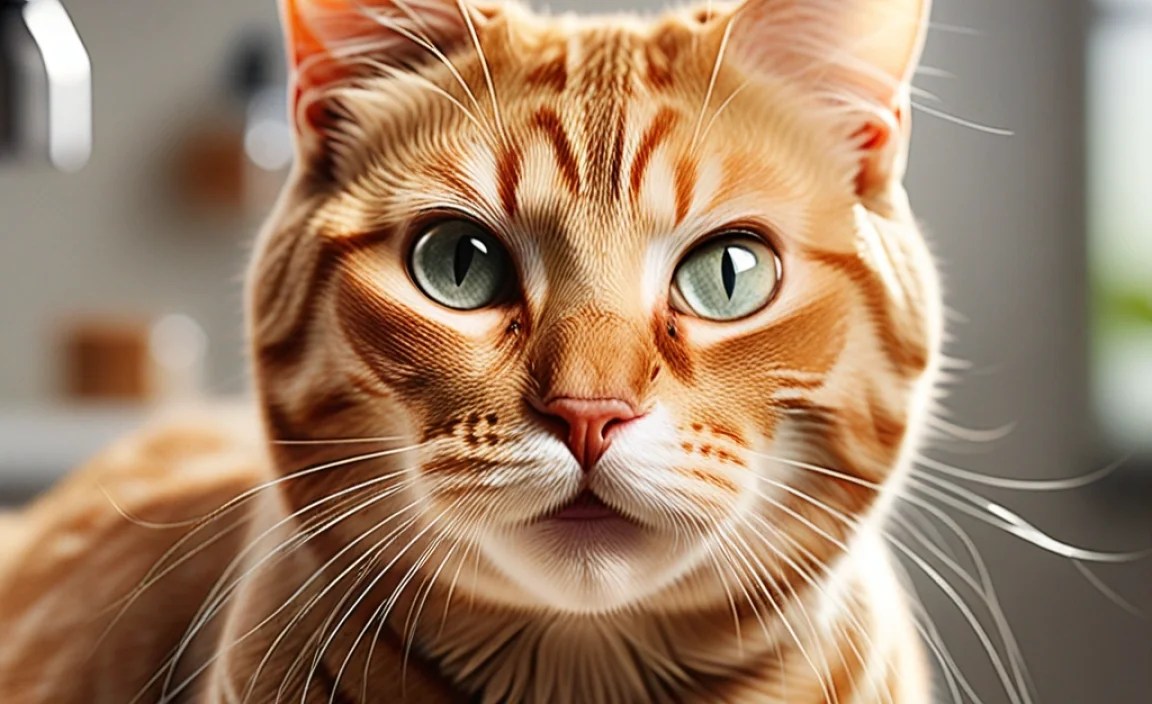
Beyond the core pillars, integrating immune-boosting practices into your daily life with your cat fosters a continuous environment of wellness.
Activity and Exercise
Regular physical activity is essential for maintaining a healthy weight and circulation, both of which support a strong immune system. Even indoor cats need opportunities to move and play.
Ideas for Active Play:
- Feather wands and laser pointers (used safely with an “end prize”): Mimic hunting behaviors.
- Crinkle balls and mouse toys: Provide auditory and tactile stimulation.
- Puzzle feeders: Make mealtime an engaging activity that requires problem-solving.
- Catnip toys: Offer a natural stimulant for play.
Aim for at least two 15-minute play sessions per day. This not only keeps them physically fit but also strengthens your bond and reduces stress.
Hydration is Key
Proper hydration is crucial for all bodily functions, including the immune system’s ability to transport nutrients and flush out waste products. Cats, in general, are not big drinkers, which is why incorporating wet food is so beneficial.
Tips for Increasing Water Intake:
- Provide fresh water daily.
- Use multiple water bowls in different locations.
- Try a pet water fountain – many cats prefer moving water, which is more appealing and oxygenated.
- Add a small amount of tuna water or low-sodium chicken broth to their water bowl (ensure no onion or garlic, which are toxic to cats).
Monitor Your Cat’s Behavior
You know your cat better than anyone. Paying attention to their usual behaviors can help you spot subtle changes that might indicate an underlying health issue before it becomes serious.
What to Watch For:
- Changes in Appetite or Thirst: Eating significantly more or less, drinking much more or less.
- Lethargy or Increased Sleeping: Sleeping more than usual or seeming less interested in play.
- Changes in Litter Box Habits: Straining to urinate, infrequent urination, diarrhea, or constipation.
- Grooming Habits: Over-grooming (leading to bald patches) or neglecting grooming (matted fur).
- Vocalizations: Unusual meowing or distress calls.
- Physical Changes: Weight loss or gain, coughing, sneezing, discharge from eyes or nose.
If you notice any persistent changes, it’s always best to consult your veterinarian.
Table: Preventive Care Checklist
Use this checklist to ensure you’re covering all the bases for your cat’s immune-boosting preventive care.
| Category | Action | Frequency | Why It Helps Immunity |
|---|---|---|---|
| Nutrition | Feed high-quality, protein-rich food | Daily | Provides building blocks for immune cells and energy. |
| Ensure adequate hydration (wet food, water fountains) | Daily | Supports all bodily functions, including waste removal and nutrient transport. | |
| Consult vet regarding diet changes or supplements | As needed/Annually | Ensures optimal nutrient intake and avoids deficiencies/toxins. | |
| Veterinary Care | Annual Wellness Exam | Every 12 months (or 6 for seniors/high-risk) | Early detection of illness, parasite screening, and health assessment. |
| Vaccinations | As per vet’s schedule | Protects against common and serious infectious diseases. | |
| Parasite Prevention (fleas, ticks, heartworms, internal parasites) | Year-round | Prevents disease transmission and nutrient theft by parasites. | |
| Environment & Safety | Maintain clean litter box, food/water bowls | Daily scooping, daily washing | Reduces exposure to bacteria and pathogens. |
| Provide a low-stress, stimulating environment with safe spaces | Constant | Minimizes stress, which can suppress immune function. | |
| Dental Care | Vet dental check-ups; at-home care | Annually (professional); Daily/Weekly (at-home) | Prev |