
Quick Summary: Establishing a consistent feeding schedule is key to a balanced diet for cats, promoting better digestion, weight management, and overall health. Typically, adult cats thrive on two meals a day, while kittens and senior cats may require more frequent, smaller meals. Always consult your veterinarian for personalized feeding recommendations based on your cat’s age, activity level, and health status.
Finding the perfect mealtime routine for your feline friend can feel like a puzzle. Is your cat a grazer, or do they prefer set mealtimes? Understanding a balanced diet for cats and a proven feeding schedule is crucial for their well-being. Too little food can lead to malnutrition, while too much can cause obesity and related health issues. This guide will break down how to create a simple, effective feeding schedule that supports your cat’s health and happiness. Let’s unlock the secrets to happy mealtimes!
Understanding a Balanced Diet for Cats
A balanced diet is the cornerstone of a healthy cat. Cats are obligate carnivores, meaning their bodies are designed to thrive on a diet primarily consisting of meat. This means their food needs to be rich in protein, moderate in fat, and very low in carbohydrates. A well-balanced cat food will provide all the essential nutrients they need, including vitamins, minerals, and amino acids like taurine, which is vital for heart health and vision.
When we talk about a “balanced diet,” we’re referring to a food that meets the established nutrient profiles for cats. Organizations like the Association of American Feed Control Officials (AAFCO) set these standards. AAFCO-approved cat foods are formulated to provide complete and balanced nutrition for a cat’s specific life stage, whether it’s for kittens, adult maintenance, or senior cats.
Key Components of a Balanced Cat Diet:

- Protein: Essential for muscle development and overall bodily functions. Look for animal-based protein sources like chicken, turkey, fish, or beef as the first ingredients.
- Fats: Provide energy and help absorb fat-soluble vitamins. Essential fatty acids like omega-3 and omega-6 are crucial for skin and coat health.
- Vitamins and Minerals: Support various bodily processes, from immune function to bone health.
- Taurine: A critical amino acid that cats cannot produce enough of on their own. Deficiency can lead to serious health problems.
- Water: Crucial for hydration and all bodily functions. Ensuring your cat drinks enough water is as important as their food.
The type of food you choose—wet, dry, or a combination—also plays a role. Wet food typically contains more moisture, which is beneficial for cats’ hydration, especially those who don’t drink much water independently. Dry food can be convenient for free-feeding (though scheduled feeding is often better) and can sometimes help with dental hygiene, but it’s lower in moisture content.
Why a Proven Feeding Schedule Matters
Just as important as what you feed your cat is when you feed them. A consistent feeding schedule offers numerous benefits:
- Digestive Health: A regular feeding routine helps regulate your cat’s digestive system, reducing the chances of stomach upset, vomiting, or constipation. Their bodies learn to anticipate meals, optimizing the release of digestive enzymes.
- Weight Management: Scheduled meals make it easier to control portion sizes, which is vital for preventing obesity or maintaining a healthy weight. Free-feeding (leaving food out all the time) can often lead to overeating.
- Behavioral Stability: Cats are creatures of habit. A predictable feeding routine can reduce anxiety and create a sense of security. This can also help prevent begging and destructive behaviors associated with hunger.
- Monitoring Health: When you have set mealtimes, it’s easier to notice changes in your cat’s appetite. A sudden decrease or increase in food intake can be an early indicator of a health problem.
- Nutrient Absorption: Regular meal intervals ensure your cat’s body receives a steady supply of nutrients throughout the day rather than a massive intake at one or two random times.
For most adult cats, a schedule of two meals per day is ideal. However, this can vary based on age, activity level, health conditions, and the type of food being offered.
Creating a Feeding Schedule for Your Cat: A Step-by-Step Guide
Setting up a feeding schedule isn’t complicated, but it does require consistency and understanding your cat’s individual needs. Follow these steps to establish a routine that works:
Step 1: Consult Your Veterinarian

This is the most crucial first step. Before implementing any new feeding schedule or significantly changing your cat’s diet, discuss it with your veterinarian. They can assess your cat’s:
- Age and life stage (kitten, adult, senior)
- Activity level
- Body condition score (to determine if they are underweight, overweight, or ideal)
- Any existing health conditions (e.g., diabetes, kidney disease, allergies)
Your vet can recommend the appropriate type of food, the total daily caloric intake, and a suitable feeding frequency. Many vets use online calculators like those provided by the Pet Nutrition Alliance to help estimate needs.
Step 2: Determine the Number of Meals Per Day

The number of meals often depends on your cat’s life stage:
- Kittens (under 6 months): Kittens have high energy needs and small stomachs. They typically need to eat 3-4 small meals per day.
- Young Adult Cats (6 months – 7 years): Most adult cats do well on 2 meals per day.
- Senior Cats (7+ years): Depending on their health, senior cats may also benefit from 2-3 smaller meals per day, especially if they have digestive issues or reduced appetites.
- Special Cases: Cats with certain medical conditions like diabetes may require specific meal timings to coincide with medication.
Step 3: Choose Your Food Type (Wet, Dry, or Mixed)

Your veterinarian’s recommendation will guide this, but consider the pros and cons:
- Wet Food: High moisture content is excellent for hydration. It’s often more palatable and can be easier for older cats to eat. It usually requires scheduled feeding as it can spoil if left out.
- Dry Food (Kibble): Convenient and can be left out for controlled grazing if needed, though scheduled feeding is still preferable. May contribute to dental cleaning for some cats. Ensure your cat drinks plenty of water if feeding primarily dry food.
- Mixed Feeding: Many owners opt for a combination. For example, a small portion of wet food supplemented with a measured amount of dry food throughout the day or at a different mealtime. This provides variety and benefits from both types.
Step 4: Calculate Portion Sizes
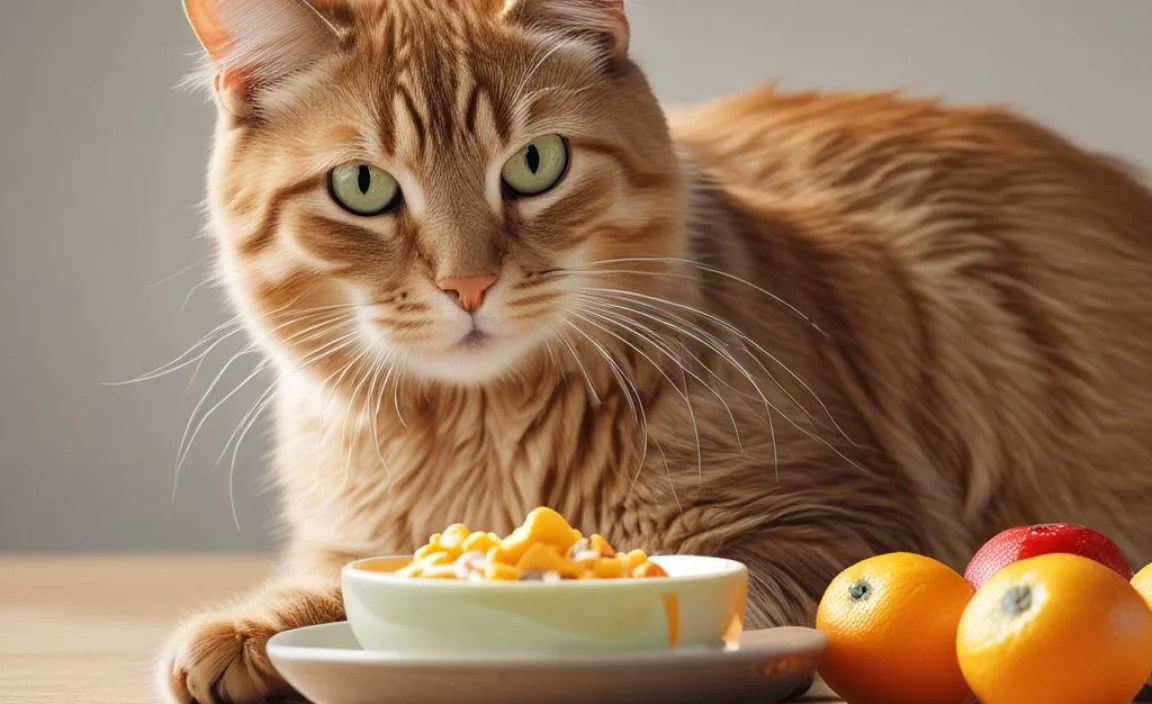
This links back to your vet’s recommendations and the specific food’s calorie content. Food packaging usually provides feeding guidelines based on weight, but these are general. Your vet will give you a more precise daily calorie target. You’ll then need to divide this total into the number of meals you’ve decided on.
Example: If your cat needs 250 calories per day and you’re feeding two meals, each meal should be approximately 125 calories. If you’re feeding wet and dry food, you’ll need to calculate the portion of each that adds up to 125 calories.
Always use a standard measuring cup or a kitchen scale for accuracy. Don’t eyeball portion sizes!
Step 5: Establish Consistent Meal Times
Consistency is key. Choose times that fit your schedule and stick to them as closely as possible, even on weekends.
For 2-Meal Schedule (Example):
- Morning Meal: Around 7:00 AM
- Evening Meal: Around 6:00 PM
Or any times that work for you, as long as there’s a consistent gap between them and they are at roughly the same time each day. A typical split is one meal in the morning and one in the evening, allowing for about 10-12 hours between meals.
For 3-Meal Schedule (Example for Kittens or Seniors):
- First Meal: Around 7:00 AM
- Midday Meal: Around 1:00 PM
- Evening Meal: Around 7:00 PM
Step 6: Monitor and Adjust
After a few weeks of following the schedule, observe your cat:
- Are they maintaining a healthy weight?
- Do they seem satisfied after meals, or are they constantly begging?
- Are their litter box habits regular and normal?
- Do they have good energy levels?
If you notice issues, don’t hesitate to adjust portion sizes slightly or consult your vet again. Your cat’s needs can change over time.
Sample Feeding Schedules for Different Cat Needs
Here are some common scenarios and how a feeding schedule might look:
Adult Cat (Typical, Active, 1-7 Years Old)
Goal: Maintain weight, provide balanced nutrition, regulate digestion.
Frequency: 2 meals per day.
Example Schedule:
| Time | Meal | Notes |
|---|---|---|
| 7:00 AM | 1/2 of Daily Portion (Wet or Dry) | Ensure accurate measurement. |
| 6:00 PM | Remaining 1/2 of Daily Portion (Wet or Dry) | Clear bowl after eating. |
Key Consideration: Ensure adequate water is available at all times.
Kitten (Under 6 Months Old)
Goal: Support rapid growth and high energy needs.
Frequency: 3-4 small meals per day.
Example Schedule:
| Time | Meal | Notes |
|---|---|---|
| 7:00 AM | 1/3 to 1/4 of Daily Portion (Kitten Formula Wet or Dry) | Kitten-specific nutrition is vital. |
| 12:00 PM (Noon) | 1/3 to 1/4 of Daily Portion | Midday meal for sustained energy. |
| 5:00 PM | 1/3 to 1/4 of Daily Portion | Evening meal to fuel overnight growth. |
| (Optional – if needed for very young kittens) 9:00 PM | Small additional portion | Adjust based on kitten’s hunger and vet advice. |
Key Consideration: Kittens often need a higher calorie and nutrient density food formulated specifically for their growth phase.
Senior Cat (7+ Years Old, may have reduced activity or health conditions)
Goal: Maintain muscle mass, support organ function, manage potential health issues like arthritis or kidney concerns.
Frequency: 2-3 smaller meals per day.
Example Schedule:
| Time | Meal | Notes |
|---|---|---|
| 8:00 AM | 1/2 or 1/3 of Daily Portion (Senior Formula Wet or Dry) | Easier to digest, possibly with joint support nutrients. |
| 2:00 PM | 1/2 or 1/3 of Daily Portion | Smaller midday meal for consistent energy. |
| 7:00 PM | Remaining portion | Final meal, ensure it’s easily digestible. |
Key Consideration: Senior cats may have specific dietary needs (e.g., controlled phosphorus for kidney health). Always follow vet recommendations closely.
Tips for Success and Troubleshooting
Sticking to a new routine can sometimes have hiccups. Here are some tips and common issues addressed:
- Consistency is Paramount: Stick to the schedule as much as possible, even on holidays or when you’re tired. Your cat will learn to rely on it.
- Puzzle Feeders: For cats who eat too quickly or need mental stimulation, puzzle feeders can slow down consumption and make mealtime more engaging.
- Separate Feeding Areas: If you have multiple cats, feed them in separate areas, especially if one is a faster eater or needs a special diet. This prevents food stealing and ensures everyone gets their correct portion.
- Dealing with Picky Eaters: If your cat refuses their scheduled meal, don’t immediately offer an alternative. Wait until the next scheduled mealtime. If they consistently refuse food, consult your vet, as it could signal a health issue.
- Transitioning Foods Gradually: If you’re changing your cat’s food, do it slowly over 7-10 days by mixing increasing amounts of the new food with decreasing amounts of the old food to avoid digestive upset.
- The “Begging Bandit”: If your cat begs between meals, ensure they are getting enough food at their scheduled times and that the portions are correct. Sometimes, a slightly increased portion at mealtime or a small, healthy snack might be appropriate (if approved by your vet), but generally, resisting begging is key to sticking to the schedule. Puzzle feeders can distract them.
- Wet Food Storage: If feeding wet food, only leave it out for 20-30 minutes. Refrigerate leftovers promptly.
- Hydration Stations: Ensure fresh water is always available. Consider a pet water fountain, as many cats prefer running water.
Remember that boredom can sometimes mimic hunger. Ensure your cat has plenty of toys and interaction throughout the day.
FAQ: Your Burning Questions About Cat Feeding Schedules
Q1: How often should I feed my adult cat?
For most healthy adult cats, feeding twice a day (morning and evening) is the recommended schedule. This mimics their natural hunting behavior to some extent and helps regulate digestion. Always confirm with your veterinarian based on your cat’s specific needs.
Q2: Can I leave food out for my cat all day (free-feeding)?
While convenient, free-feeding is generally not recommended for most cats. It can lead to overeating and obesity, make it difficult to monitor food intake (hindering early detection of illness), and can sometimes exacerbate issues like vomiting from eating too quickly. Scheduled meals are typically healthier and easier to manage.
Q3: My cat wakes me up very early demanding food. How can I stop this?
This is a common issue! Try setting your alarm 15-30 minutes earlier to feed your cat before they wake you. Alternatively, use an automatic feeder that dispenses food at a set early time. Ensure their last meal of the day is substantial enough to keep them satisfied overnight.
Q4: My cat seems to eat their food too fast and then vomits. What can I do?
Slow feeder bowls or puzzle feeders are excellent solutions for cats who eat too quickly. These devices make the cat work for their food, slowing down their consumption and often preventing them from gulping air, which can lead to vomiting. Ensure they are not being fed too large a portion at once.
Q5: How do I know if my cat is getting the right amount of food?
Your cat should maintain a healthy, lean body weight. You should be able to feel their ribs easily with a light covering of fat, and they should have a visible waistline when viewed from above. If you’re unsure, your veterinarian can assess your cat’s body condition score and advise on portion sizes.
Q6: Can I mix wet and dry food in the same meal?
Yes, many owners successfully mix wet and dry food. You can offer wet food in the morning and dry food in the evening, or even mix a portion of wet food into their dry kibble. This can increase moisture intake from wet food while offering the convenience of dry food. Just be sure to accurately measure both to maintain portion control and consult your vet on an appropriate mix for your cat.
Q7: What’s the best food for my cat?
The “best” food is one that is complete and balanced according to AAFCO standards for your cat’s life stage, palatable, and meets their individual nutritional needs. High-quality protein from animal sources should be primary. Consulting your veterinarian is the best way to.