
Keep your kitten’s diet pure and wholesome by focusing on kitten health nutrition without additives. This guide helps you select the best foods, understand ingredients, and provide a natural, nutrient-rich diet for a happy, healthy growing feline.
Welcoming a new kitten is incredibly exciting! As you shower your tiny furball with love, you’ll naturally want to ensure they get the very best start in life, especially when it comes to their food. Figuring out the right nutrition can sometimes feel overwhelming. With so many choices, reading labels, and understanding what “healthy” truly means for a growing kitten can be a challenge. You want to avoid artificial stuff and give them pure goodness. Don’t worry! This guide is here to make kitten health nutrition without additives simple and stress-free. We’ll break down what to look for, what to avoid, and how to create a diet that supports your kitten’s amazing growth and vitality. Let’s get started on building a foundation for a long, happy life together!
Understanding Kitten Nutritional Needs
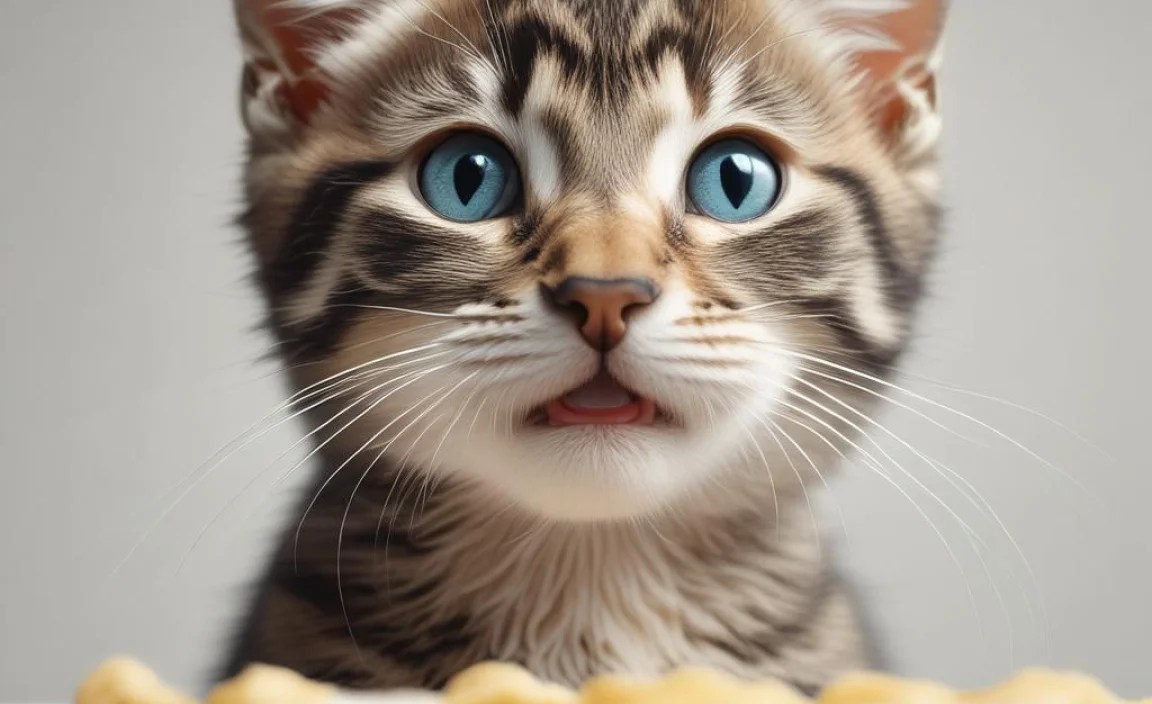
Kittens are tiny bundles of energy and rapid growth! Their nutritional requirements are much higher than those of adult cats. They need a specific balance of proteins, fats, carbohydrates, vitamins, and minerals to support everything from developing their tiny bones and strong muscles to building a robust immune system and a shiny coat. Without the right nutrients, they might not grow as they should, could become more susceptible to illness, or even develop developmental issues. The goal is to mimic the nutrient-dense diet a kitten would get from its mother, but in a safe and convenient way for us pet parents.
Why “Without Additives” Matters for Kittens
When we talk about “without additives” in kitten food, we’re referring to avoiding artificial colors, flavors, preservatives, and fillers. Kittens have sensitive digestive systems, and these artificial ingredients can sometimes cause upset tummies, allergies, or long-term health problems. They don’t add nutritional value, and frankly, they aren’t necessary for a healthy diet when natural ingredients are used. Choosing foods free from these unwanted extras means you’re giving your kitten pure, wholesome nutrition designed to help them thrive naturally.
Key Nutritional Components for Kittens
A kitten’s diet needs to be rich and complete. Here’s a breakdown of what matters most:
- Protein: Kittens are obligate carnivores, meaning they must eat meat to survive and thrive. Animal-based protein is essential for building muscles, organs, and tissues. Look for animal protein as the first ingredient.
- Fats: Healthy fats provide energy and are crucial for absorbing fat-soluble vitamins (A, D, E, K). They also contribute to healthy skin and a glossy coat. Essential fatty acids like Omega-3 and Omega-6 are incredibly important.
- Carbohydrates: While not as critical as protein for cats, small amounts of digestible carbohydrates from sources like sweet potatoes or peas can provide energy. However, excessive fillers like corn, wheat, and soy are best avoided.
- Vitamins and Minerals: These are vital for countless bodily functions, from bone health (calcium, phosphorus) to vision (Vitamin A) and immune support (Vitamin E, Zinc).
- Taurine: This is an essential amino acid that cats cannot produce themselves. A deficiency can lead to serious heart and eye problems. High-quality cat food formulations will include adequate taurine.
- Water: Always ensure fresh, clean water is available. It’s the most vital nutrient for all life!
Decoding Kitten Food Labels: What to Look For

Navigating the pet food aisle can feel like a maze. To ensure you’re selecting the best kitten health nutrition without additives, learn to read and understand the label. It’s your roadmap to good food.
The Ingredient List: Your Primary Guide
The ingredient list is where the truth lies. Ingredients are listed by weight, from heaviest to lightest. This means the first few ingredients make up the bulk of the food.
- Focus on Whole Animal Proteins: Look for identifiable meat sources like “chicken,” “turkey,” “lamb,” or “fish” as the first ingredient. Avoid vague terms like “meat by-products” or “animal digest” if they are primary ingredients, as their origin and quality can be questionable.
- Identify Beneficial Fats: Healthy fats like “chicken fat” or “fish oil” are good. These are animal-sourced and provide essential fatty acids.
- Spot Minimal, Recognizable Carbohydrates: Carbohydrates are often used as binders or fillers. For a grain-free or low-grain diet, you might see ingredients like “sweet potato,” “peas,” or “lentils.” Excessive amounts of common grains like corn, wheat, and soy are generally less desirable.
- Look for Vitamin & Mineral Sources: You’ll often see specific vitamin and mineral names, which is a good sign that the food is fortified to meet feline needs.
Understanding Guaranteed Analysis
The guaranteed analysis provides the minimum percentages of crude protein and crude fat, and the maximum percentages of crude fiber and moisture. For kittens, you’ll want to see:
- Crude Protein: High is good! Kittens need at least 30% protein on a dry matter basis.
- Crude Fat: Essential for energy, aim for around 18-25%.
- Crude Fiber: Should be low, typically under 5%.
- Moisture: This varies greatly between wet and dry food. Wet food is typically 70-85% moisture, while dry food is around 10%.
Decoding “Natural,” “Holistic,” and “Organic”
These terms can be appealing but don’t always mean what you think. The Association of American Feed Control Officials (AAFCO) provides definitions. Generally:
- Natural: Ingredients are derived from plant, animal, or mined sources, existing in a naturally occurring state, and are not subject to a chemically synthetic process.
- Organic: This refers to specific farming and production methods. Certified organic foods adhere to strict standards, which can be a good indicator of a high-quality, additive-free product, but they are often more expensive.
Choosing the Right Food Type: Wet vs. Dry

Both wet and dry kitten foods have their pros and cons. Many owners opt for a combination to offer variety and ensure all nutritional needs are met. When focusing on kitten health nutrition without additives, both types can be excellent choices.
Wet Kitten Food
Wet food has a higher moisture content, which is fantastic for feline hydration. Cats, by nature, don’t always drink much water, so food can be a significant source of hydration. It’s also often highly palatable and can be easier for very young kittens to eat.
Pros of Wet Food:
- High Moisture Content: Excellent for hydration, supporting kidney and urinary tract health.
- Often More Palatable: The aroma and texture can be very attractive to kittens.
- Lower Carbohydrate Content: Usually fewer fillers compared to many dry kibbles.
- Fresher Ingredients (Sometimes): Many wet foods use fresh meat as a primary ingredient.
Cons of Wet Food:
- Can Be More Expensive: Per serving, wet food often costs more than dry.
- Dental Health: Does not provide the same abrasive action on teeth as kibble, so dental care is even more important.
- Spoilage: Once opened, wet food needs to be refrigerated and can spoil quickly if left out.
Dry Kitten Food (Kibble)
Dry kibble is convenient, cost-effective, and can be left out for grazing (though scheduled feeding is often better for monitoring intake). It’s also formulated to have a lower moisture content.
Pros of Dry Food:
- Convenience: Easy to store, serve, and portion.
- Cost-Effective: Generally cheaper than wet food.
- Dental Benefits: Some kibble is designed to help scrape plaque away from teeth.
- Longer Shelf Life (Unopened):
Cons of Dry Food:
- Lower Moisture Content: Can contribute to dehydration if the kitten isn’t drinking enough water.
- Higher Carbohydrate Load: Many brands contain more grains or starches as binders.
- Potential for Additives: It can be harder to find dry kibbles entirely free of artificial preservatives, colors, or flavors.
- Less Palatable for Some Kittens:
Finding “Additive-Free” Options

When searching for kitten health nutrition without additives, focus on brands that prioritize whole, natural ingredients and have transparent sourcing. Here’s what to look for and how to verify:
Brands to Consider (General Guidance)
Many reputable pet food brands are now focusing on limited ingredients and avoiding artificial additives. When you’re shopping, look for brands that prominently display claims like “no artificial preservatives, colors, or flavors” on their packaging. Some brands known for their commitment to natural ingredients include:
- Orijen/Acana
- Taste of the Wild
- Wellness CORE
- Blue Buffalo (their Wilderness line, specifically)
- Merrick
Note: This is not an endorsement of specific brands but examples of lines that often focus on higher-quality ingredients and fewer additives. Always check individual product labels for your kitten’s specific needs.
Checking for Specific “Free-From” Claims
Look for packaging that clearly states:
- “No Artificial Preservatives”
- “No Artificial Colors”
- “No Artificial Flavors”
- “Grain-Free” (if that’s your preference)
- “Limited Ingredient Diet” (for sensitive kittens)
Natural Preservatives
Foods that are truly “additive-free” still need to be preserved to prevent spoilage. Look for foods preserved naturally with ingredients like:
- Mixed Tocopherols: This is simply Vitamin E, a natural antioxidant.
- Rosemary Extract: A natural plant-based antioxidant.
Avoid foods preserved with artificial chemicals like BHA, BHT, or ethoxyquin. The FDA discusses animal feed additives and their regulation.
Creating a Balanced Diet Plan for Your Kitten

Deciding on the right food is just the first step. How you feed your kitten and what else you can offer is just as important for their overall health and well-being. Consistency and quality are key.
Feeding Schedule and Portion Control
Young kittens (under 6 months) have small stomachs and high caloric needs. They should be fed multiple small meals throughout the day.
Recommended Feeding Schedule:
- Kittens 6-12 weeks: 3-4 meals per day.
- Kittens 3-6 months: 3 meals per day.
- Kittens 6-12 months: 2 meals per day.
Portion sizes will vary based on the specific food’s caloric density and your kitten’s age, activity level, and breed. The feeding guide on the back of your chosen kitten food packaging is a great starting point. Always serve moistened kibble for very young kittens or offer wet food. As they grow, you can gradually transition to dry kibble or a mix. Monitor your kitten’s body condition—you should be able to feel their ribs easily but not see them prominently.
Introducing New Foods
When transitioning your kitten to a new food, do it gradually to avoid digestive upset. A good rule of thumb is the “7-10 day transition”:
- Days 1-3: 75% old food, 25% new food.
- Days 4-6: 50% old food, 50% new food.
- Days 7-10: 25% old food, 75% new food.
- After Day 10: 100% new food.
If your kitten experiences vomiting or diarrhea, slow down the transition or return to their previous food and consult your veterinarian.
Treats and Supplements: Use Wisely
In kitten health nutrition without additives, treats should also be high-quality and additive-free. Look for single-ingredient dehydrated meat treats or specially formulated kitten treats. Remember that treats should only make up a small percentage (no more than 10%) of your kitten’s daily caloric intake to avoid unbalancing their nutritious diet. Supplements are generally not necessary if you’re feeding a high-quality kitten-specific food formulated to meet AAFCO standards. Always consult with your veterinarian before giving your kitten any supplements.
Potential Pitfalls and How to Avoid Them
Even with the best intentions, you might encounter a few challenges. Being aware of them and knowing how to navigate them will help ensure your kitten stays healthy and happy.
Common Issues with Kitten Nutrition:
- Digestive Upset: Sudden diet changes, too many treats, or low-quality ingredients can lead to vomiting or diarrhea. Solution: Gradual transitions, limiting treats, choosing high-quality, easily digestible foods.
- Nutrient Deficiencies: Feeding an adult cat food to a kitten or a poorly formulated food can lead to deficiencies. Solution: Always feed a food specifically formulated for kittens.
- Allergies/Sensitivities: Some kittens may react to certain proteins or ingredients. Solution: If you suspect an allergy, work with your vet to identify the trigger and consider a limited-ingredient diet.
- Obesity: Overfeeding, even with healthy food, can lead to weight gain. Solution: Follow feeding guides, monitor body condition, and ensure adequate play and exercise.
- Dehydration: Especially common with dry food diets if water intake is insufficient. Solution: Always provide fresh water, consider wet food as at least part of the diet, and use water fountains to encourage drinking.
When to Consult Your Veterinarian
Your veterinarian is your most valuable resource for your kitten’s health. Don’t hesitate to reach out if you observe any of the following:
- Persistent vomiting or diarrhea
- Loss of appetite or significant weight loss
- Lethargy or unusual tiredness
- Changes in coat quality (dullness, hair loss)
- Straining to urinate or defecate
- Any other concerns about your kitten’s health or diet.
They can help diagnose issues, recommend appropriate diets, and provide peace of mind.
A Look at Ingredient Quality: What’s in Your Kitten’s Bowl?
The “quality” of Ingredients is a substantial factor in kitten health nutrition without additives. It’s not just about what’s not in the food, but also about the caliber of what is in it. High-quality ingredients are more bioavailable, meaning your kitten’s body can absorb and utilize the nutrients more effectively.
Meat as the Primary Ingredient
We’ve touched on this, but it bears repeating. For a kitten, meat should be the star. This includes:
- Boneless Meat: e.g., Deboned Chicken, Turkey, Salmon.
- Meat Meals: e.g., Chicken Meal, Turkey Meal. While it sounds less appealing to us, a “meal” (like chicken meal) is rendered meat that has had most of its water content removed. This makes it a concentrated source of protein and nutrients. The key is to ensure it’s a named meat meal (e.g., “Chicken Meal” not “Meat Meal”), indicating its origin. Reputable brands will use specific, high-quality meat meals.
Avoid diets where grains, corn, or “meat by-products” are listed as the first few ingredients, especially if the specific animal source isn’t clear.
Digestible Carbohydrates
While cats don’t require carbohydrates, they can be a source of energy and fiber. When present, choose high-quality, digestible sources:
- Sweet Potatoes
- Peas
- Lentils
- Oats (often well-tolerated by cats)
These are often found in grain-free formulas and are generally considered healthier alternatives to corn, wheat, and soy, which can be common allergens or harder for some cats to digest.
Fats and Oils
Fats are essential energy sources and carry vital fat-soluble vitamins. Good sources include:
- Chicken Fat (stabilized with natural preservatives like mixed tocopherols)
- Fish Oil (like salmon oil)
- Flaxseed Oil
These provide essential Omega-3 and Omega-6 fatty acids, crucial for brain development, immune function.