
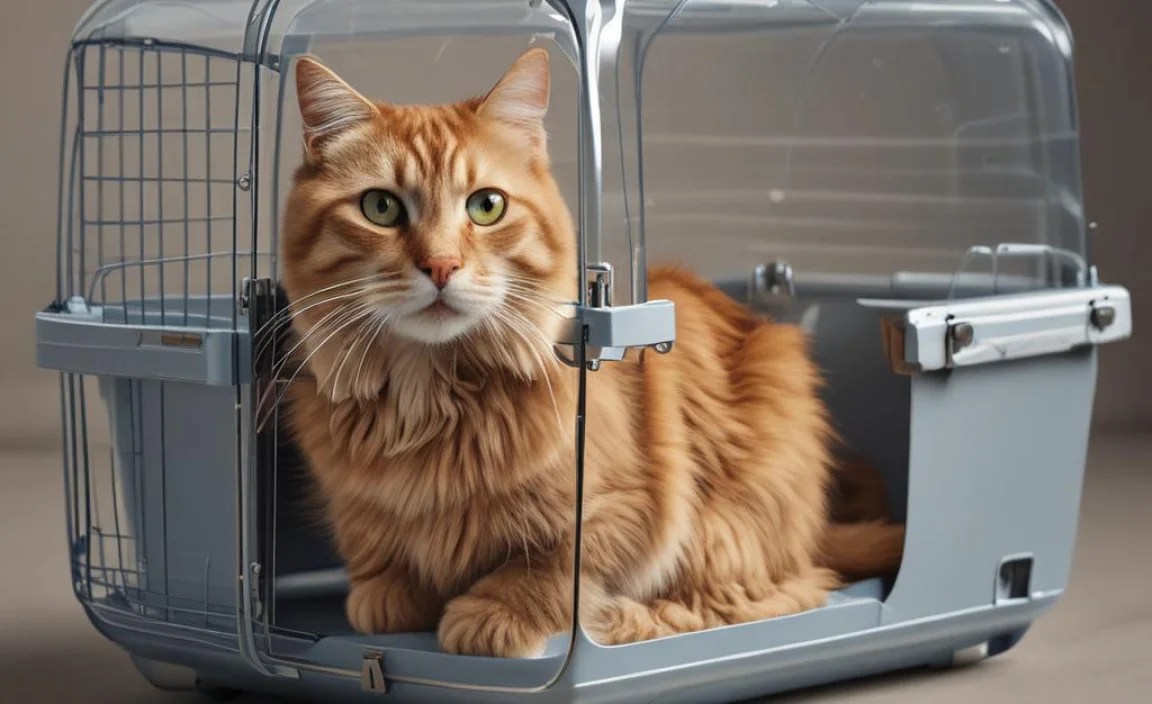
A cat carrier with a cover is an essential tool for providing your feline friend with security, comfort, and a sense of privacy during travel or vet visits, reducing stress for both of you.
Heading out with your cat? Traveling can be tough for our feline pals. They’re creatures of habit and often find new environments unsettling. This can lead to a lot of anxiety, for them and for you! The good news is there are simple ways to make these trips smoother. A special type of carrier, one with a cover, can make a world of difference. It’s a small change that offers big benefits. We’ll explore why a covered carrier is so great and how to choose the best one for your kitty. Get ready to make vet visits and adventures much more peaceful!
Why a Cat Carrier with a Cover? The Cozy Sanctuary

Cats, by nature, are creatures of comfort and can be easily overstimulated. When they feel exposed and vulnerable, their stress levels can skyrocket. Think about their wild cousins – they often seek out den-like spaces to feel safe. A cat carrier with a cover mimics this natural behavior, providing a secure, enclosed environment. This enclosure helps to:
- Reduce Visual Stimuli: The outside world can be a barrage of sights and sounds that are overwhelming for a cat. A cover blocks out much of this visual noise, helping to calm their nerves.
- Create a Sense of Security: Just like a cozy den, a covered carrier makes your cat feel hidden and protected. This feeling of safety is crucial for reducing anxiety.
- Manage Stress: Lowered stress means a happier, healthier cat. Less panic during transport means fewer chances of injury and more pleasant experiences for everyone involved.
- Aid in Acclimation: Even for cats that are a bit shy, a covered carrier can make the introduction to the carrier itself less intimidating, encouraging them to see it as a safe space rather than a place of confinement.
When choosing a carrier, the material and design of the cover are important. Some covers are permanently attached, while others are removable or have openings for you to peek in. We’ll dive into what to look for a little later.
Choosing the Right Cat Carrier with a Cover: Key Features

Not all carriers are created equal, and when you add a cover into the mix, there are even more factors to consider. Here’s what to look for to ensure you’re picking the best option for your furry friend:
Size Matters: Ensuring a Comfy Fit
A carrier that’s too small will be cramped and uncomfortable, while one that’s too large might make your cat feel insecure. The general rule of thumb is that the carrier should be large enough for your cat to stand up, turn around, and lie down comfortably. For measuring, you’ll want to take these dimensions:
- Length: From the tip of their nose to the base of their tail.
- Height: From the floor to the top of their head or shoulders when standing.
- Width: Their widest point when standing.
Always add a couple of inches to these measurements to ensure adequate space. For example, if your cat is 16 inches long, aim for a carrier that’s at least 18-20 inches long.
Ventilation: Fresh Air is Key!
Even with a cover, proper ventilation is non-negotiable. Your cat needs to be able to breathe easily. Look for carriers with mesh panels or plenty of ventilation holes on multiple sides. The cover shouldn’t completely obstruct airflow. A carrier with a fully enclosed soft cover might be tempting for privacy, but you need to ensure there are still plenty of air pockets. Reputable organizations like the Humane Society emphasize the importance of safe and comfortable transport for pets, and good ventilation is paramount.
Accessibility and Security: Getting In and Out
Consider how easy it is to get your cat into and out of the carrier. Some cats tolerate being put in from the top much better than being pushed in from the front. Look for carriers that offer both top and front loading options. Secure latches are also vital to prevent any accidental escapes. Double-check that all zippers and clasps are sturdy and cat-proof.
The Cover Itself: Material and Functionality
The cover is the star of this show! When examining carriers with covers, pay attention to:
- Material: Is it breathable? Is it durable? Soft, washable materials are often best for comfort.
- Attachment: How does the cover attach to the carrier? Snaps, Velcro, zippers, or a slip-on design? Ensure it’s easy to put on and take off but secure enough not to shift during transit.
- Coverage: Does it cover most or all of the carrier? Some covers have windows or flaps that allow you to see your cat or offer them a peek-out option if they are comfortable.
- Washability: Accidents happen. A washable cover makes cleanup much easier.
Portability: Carrying Comfort
You’ll be carrying this carrier, so how easy is it for you to transport? Look for carriers with sturdy, comfortable handles or a padded shoulder strap. If you’ll be driving, consider how it fits on your car seat. Some carriers have seatbelt loops.
Durability and Cleaning
A good cat carrier should last for years. Opt for carriers made from robust materials that can withstand wear and tear. Easy-to-clean surfaces are also a huge plus, especially if your cat experiences travel sickness. For carriers with fabric covers, ensure they are machine washable or at least easy to wipe down.
Types of Cat Carriers with Covers

When searching for a cat carrier with a cover, you’ll encounter a few common styles. Each has its pros and cons, and the best choice often depends on your cat’s personality and your specific needs.
Soft-Sided Carriers with Integrated Covers
These are often the most comfortable and user-friendly options. They are typically made from durable fabric with mesh windows for ventilation. The cover might be a separate layer that zips or fastens around the carrier, or it could be a flap that rolls up or down. Many of these also offer top-loading entry, which many cats prefer.
Pros:
- Lightweight and often foldable for storage.
- Generally more comfortable for the cat due to soft materials.
- Integrated covers provide a consistent, cozy environment.
- Washable materials are common.
Cons:
- Less rigid structure, may not be ideal for very large or boisterous cats.
- Can be harder to thoroughly disinfect compared to hard carriers.
- Durability might be a concern with very frequent or rough use.
Hard-Sided Carriers with Added Covers
This category involves standard hard-sided carriers (usually plastic) that you can then purchase a separate cover for. These covers are typically made of fabric and slide over the existing carrier. This offers flexibility, as you can use the carrier with or without the cover.
Pros:
- Very durable and easy to clean the carrier itself.
- Provides excellent protection during travel.
- The separate cover can be removed for regular use, offering versatility.
- Often more secure and rigid for larger pets.
Cons:
- Hard carriers can be heavier and bulkier.
- Can be more alarming for cats due to visibility and noise (rattling).
- Finding a perfectly fitting cover might require some searching.
- Less natural coziness compared to a fabric carrier.
Carrier Bags with Built-in Covers/Shields
These are more like stylish duffle bags or backpacks designed for pets. They usually have a mesh top or side that can be zipped open. The “cover” here might be a panel that rolls down to obscure the view, offering a semi-private environment. They are often designed for smaller cats and for shorter trips or airline travel.
Pros:
- Often very stylish and discreet.
- Can be carried as a shoulder bag or backpack, freeing up your hands.
- Good for discreet travel or when you want to blend in.
Cons:
- Generally only suitable for smaller cats.
- Ventilation can sometimes be compromised if not designed well.
- Less rigid, so they might not offer as much protection.
- May not be approved for all airline travel.
Making the Carrier a Safe Space: Tips for Success

Simply buying a carrier with a cover isn’t enough. You need to help your cat associate the carrier with positive experiences. This is key to reducing travel anxiety. Here’s how to do it:
Step 1: Acclimatize Your Cat to the Carrier
Never introduce the carrier only when you absolutely need it for an appointment. By then, your cat will already associate it with stress. Instead, make the carrier a permanent fixture in your home for a while.
- Placement: Choose a quiet, familiar area of your home to keep the carrier. Leave the door open.
- Familiar Scents: Place a soft blanket or a favorite toy inside that smells like your cat. You can also place a t-shirt that smells like you in there.
- Positive Reinforcement: Toss treats or dry food into the carrier. This helps build positive associations.
- Feeding Time: If your cat is comfortable, try feeding them their meals inside or near the carrier.
- Gradual Cover Introduction: Once your cat is comfortable entering and exiting the carrier at will, start introducing the cover. Leave it partially on for short periods, then gradually increase the time and coverage. Always provide treats and praise.
Step 2: Prepare for the Journey
Before you even open the car door, a few preparations can make the trip much smoother.
- Calming Aids: Consider using Feliway diffusers or sprays in the carrier (and at home) for a few days before travel. These mimic natural feline facial pheromones that have a calming effect. Consult your veterinarian about other calming supplements or prescription medications if your cat has severe anxiety.
- Familiar Bedding: Ensure the carrier has soft, familiar bedding.
- Temperature Control: On a hot day, ensure the carrier is well-ventilated and not in direct sunlight. On a cold day, drape a blanket over the carrier (but ensure ventilation is still excellent).
Step 3: During the Trip
Once you’re on the move, your actions can help keep your cat calm.
- Secure the Carrier: Always secure the carrier in your vehicle. Place it on the floor behind the front seats or buckle it into a seat. This prevents it from sliding or tipping.
- Drive Smoothly: Avoid sudden stops, starts, or sharp turns. Drive as smoothly as possible.
- Keep the Cover On: Resist the urge to open the cover frequently to check on your cat. Unless there’s a specific emergency, continued visual exposure can undo the calming effect. If the cover has a small peek-a-boo window, you can use that discreetly.
- Quiet Environment: Keep the radio volume low and speak in a calm, reassuring tone if you speak to your cat.
- Avoid Idling in the Car: Never leave your cat unattended in a vehicle, even for a short period, as temperatures can become dangerous very quickly. Learn more about pet safety in vehicles from resources like the American Veterinary Medical Association (AVMA).
Step 4: Arrival and Unloading
When you arrive at your destination (be it the vet or a new home), patience is key.
- Quiet Removal: Once at home, place the carrier in a quiet room and let your cat come out on their own. Don’t force them.
- Positive Reinforcement: Offer praise and treats once they are out and relaxed.
- Vet Visits: At the vet’s office, keep the carrier covered until it’s time for examination. If possible, let the vet examine your cat in the carrier.
Common Issues and Troubleshooting
Even with the best preparation, you might encounter some challenges. Here are common issues and how to address them:
My Cat Hates the Carrier, Even with a Cover
Solution: This is where patience and positive reinforcement are paramount. Go back to Step 1: AcclimatizeYour Cat to the Carrier. Spend more time making the carrier a positive place. Ensure the cover isn’t causing additional anxiety – perhaps it smells new, or the material is bothersome. Try a different style of cover or a different carrier altogether. Some cats never fully love carriers, but you can often reduce their fear significantly.
My Cat Gets Motion Sick
Solution: Ensure excellent ventilation. Avoid feeding your cat for several hours before travel. Some cats benefit from anti-nausea medication prescribed by your vet. Driving as smoothly as possible is also crucial.
The Cover Doesn’t Fit Well or Slips Off
Solution: If you bought a carrier with an integrated cover that shifts, consider adding Velcro strips to help secure it. If you have a separate cover, ensure you bought the correct size for your carrier. You might need to adjust it or use clips to hold it in place. Safety first – it shouldn’t come off during transport.
My Cat Manages to Escape
Solution: This is a critical safety issue. Immediately reinforce latches and zippers. If the carrier itself is failing, it’s time for a new, more secure model. Ensure all escape routes are completely blocked and that the carrier structure is intact. Cats are escape artists, so double-checking all security measures is vital.
Benefits of Using a Cat Carrier with Cover: A Quick Comparison
To summarize the advantages, here’s a look at why a covered carrier shines:
| Feature | Standard Carrier (No Cover) | Cat Carrier with Cover |
|---|---|---|
| Security & Privacy | Limited; can expose cat to stressors. | High; mimics den-like environment, reduces visual stimuli. |
| Stress Reduction | Often increases anxiety due to exposure. | Significantly reduces anxiety and fear. |
| Stimulus Control | Cat is fully exposed to all sights and sounds. | Blocks most visual distractions. |
| Comfort & Familiarity | Relies on internal bedding. | Enhances comfort by creating a cozy, den-like feel. |
| Acclimation Ease | Can be harder to get cats accustomed to. | Easier to introduce as a safe, comforting space. |
| Versatility | Standard. | Can often remove the cover for different situations. |
Beyond the Carrier: General Cat Travel Tips
While the carrier is crucial, other factors contribute to a successful journey:
- Veterinary Check-ups: Ensure your cat is healthy before traveling. Discuss any travel-related anxieties with your vet.
- Identification: Always have your cat microchipped and wear an ID tag that includes your contact information.
- Familiar Objects: Bring a small item that smells like home, such as a favorite blanket or toy.
- Practice Makes Perfect: Short, positive car rides to non-stressful destinations (like a park or a friend’s house) can help your cat get used to the car and carrier.
Frequently Asked Questions (FAQ)
Q1: How do I know if my cat carrier is the right size?
A: Your cat should be able to stand up, turn around, and lie down comfortably inside the carrier. Measure your cat from nose to tail and from floor to shoulder height, and add a few inches to ensure adequate space.
Q2: Can I use a regular blanket as a cover for my cat carrier?
A: Yes, you can use a familiar blanket to cover a standard carrier. Ensure it provides privacy while still allowing for ample ventilation. Avoid completely covering all openings, which can restrict airflow.
Q3: How often should I clean my cat carrier with a cover?
A: Ideally, spot clean after each use if there are any accidents. A thorough cleaning with soap and water (and a pet-safe disinfectant if needed) every few months is recommended, or more often if there are frequent accidents or it gets dirty.