
Ensure your indoor feline is getting enough water with these simple, effective cat hydration tips for indoor cats. We’ll cover why water is crucial, common challenges, and practical solutions to keep your cat healthy and happy.
Cats can be tricky when it comes to drinking water. Many indoor cats don’t drink enough, which can lead to health problems down the road. It’s a common worry for devoted pet parents, but the good news is that improving your cat’s water intake is achievable with a few smart strategies. This guide will walk you through easy steps to make sure your furry friend stays perfectly hydrated, so you can both feel more relaxed and confident about their well-being.
Why Hydration is Crucial for Your Indoor Cat

Water is essential for all living beings, and cats are no exception. Adequate hydration plays a vital role in maintaining their overall health, supporting everything from kidney function to digestion. For indoor cats, who may have a more sedentary lifestyle and rely entirely on us for their water sources, ensuring they drink enough is paramount.
Think of water as the unsung hero of feline health. It helps:
- Flush out toxins: Proper hydration aids the kidneys and liver in filtering waste products from the body.
- Support digestion and nutrient absorption: Water is necessary for breaking down food and moving it through the digestive tract.
- Regulate body temperature: Especially important for cats who may not get as much exposure to natural cooling methods as outdoor cats.
- Lubricate joints: Essential for keeping their agile bodies moving smoothly.
- Maintain healthy skin and coat: Hydration contributes to a shiny coat and healthy skin.
Dehydration in cats, even mild, can lead to serious health issues. It can predispose them to urinary tract infections, kidney stones, and chronic kidney disease. Recognizing the signs and proactively encouraging water intake is one of the best things you can do for your indoor companion’s long-term wellness.
Understanding Your Cat’s Natural Hydration Needs

To effectively encourage your cat to drink more, it helps to understand their natural instincts. In the wild, cats are descended from desert-dwelling felines. As such, they have a naturally low thirst drive. Their ancestors derived most of their moisture from their prey, which is typically high in water content.
This innate characteristic means that even a well-fed house cat might not instinctively seek out a water bowl to “catch up” on fluids. They are used to getting their water from their food. This is a key reason why transitioning a fully-kibble-fed cat to a diet that includes wet food can significantly improve their hydration.
Another instinct is their preference for fresh, running water. Stagnant water can sometimes signal danger or contamination to a cat, so they are naturally drawn to sources that appear cleaner, like streams or puddles. This is why many cats are fascinated by dripping faucets or even the toilet bowl (though we certainly don’t want them drinking from the latter!).
Common Reasons Indoor Cats Don’t Drink Enough
Several factors can contribute to your indoor cat’s reluctance to drink from their water bowl:
- Water bowl placement: If the bowl is too close to their food or litter box, they might avoid it due to a perceived unsanitary environment. Cats often prefer their food and water sources to be separate.
- Bowl type and cleanliness: Some cats dislike plastic bowls which can retain odors, or they might be sensitive to the material. Dirty bowls are a major deterrent.
- Water freshness: Cats have a keen sense of smell and can detect changes in water quality or if it hasn’t been refreshed recently.
- Water temperature: While not as common, some cats have preferences for cooler or room-temperature water.
- Underlying health issues: Certain medical conditions can affect a cat’s thirst levels, either increasing or decreasing them.
- Diet: A diet consisting solely of dry kibble provides much less moisture than a wet food diet.
Cat Hydration Tips for Indoor Cats: Practical Strategies
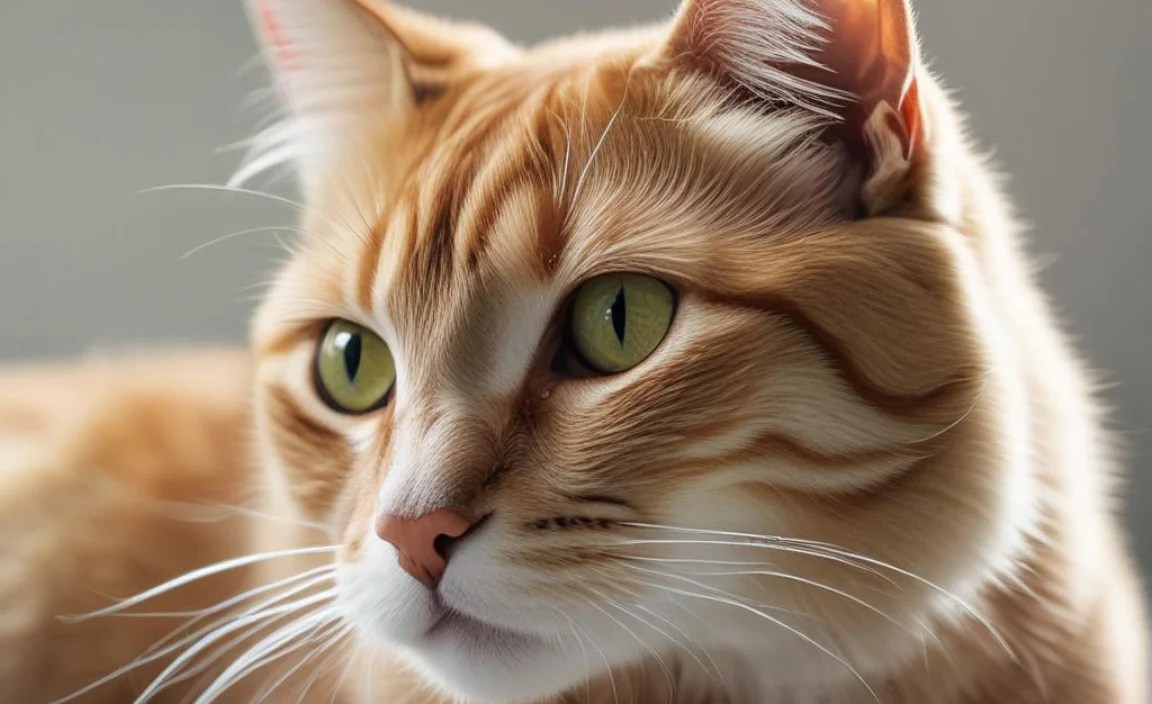
Now that we understand why hydration is key and what might be holding your cat back, let’s dive into actionable strategies to boost their water intake. These tips are designed to be easy to implement and can make a significant difference.
1. Upgrade Their Water Source
This is often the most impactful change you can make. Since cats are naturally drawn to fresh, running water, consider these options:
- Invest in a cat water fountain: These are fantastic for encouraging drinking. They keep water circulating, filtered, and aerated, mimicking a fresh stream. Many cats are immediately intrigued by the gentle flow of water.
-
- Popular Fountain Materials:
Material Pros Cons Ceramic Easy to clean, doesn’t retain odors or flavors, aesthetically pleasing. Can be heavy, breakable if dropped. Stainless Steel Durable, easy to sanitize, doesn’t retain odors or flavors, doesn’t break. Can be noisy if water level is low, some cats dislike the metallic taste. Plastic Lightweight, affordable, widely available. Can retain odors and scratches, potentially harboring bacteria; some cats are sensitive to plastic. -
- Leave a faucet slightly dripping: If your cat shows interest, leaving a faucet in a low-traffic bathroom or sink on a very slow drip can be a temporary or supplementary water source. Always supervise this to avoid waste and monitor water quality.
- Offer water in different containers: Experiment with different bowl types – ceramic, stainless steel, and even glass. Observe which ones your cat seems most comfortable using.
PetMD offers further insights into feline water needs, emphasizing that a cat’s hydration is tied to their overall health and diet. They suggest that a cat’s daily water intake should be roughly equivalent to 3.5 ounces per 5 pounds of body weight, though individual needs can vary.
2. Strategic Water Bowl Placement
Where you put the water bowl matters! Cats have sensitive noses and can be picky about their environment. Follow these placement tips:
- Separate from food: Cats often prefer their drinking water to be away from their food bowls. This instinct stems from their wild ancestors who didn’t want their hunting grounds (food source) to be contaminated by their drinking water.
- Away from the litter box: This is a no-brainer. Place water bowls in areas that are clean, quiet, and far from the litter box to avoid any association with waste.
- Multiple locations: Place water bowls or fountains in several different areas of your home, especially on different floors. This makes hydration convenient and accessible for your cat, no matter where they are lounging.
- Quiet, accessible spots: Choose locations that are not high-traffic areas where your cat might be startled or feel vulnerable while drinking. A cozy corner in a living room or hallway can be ideal.
3. Enhance Water Appeal
Sometimes, all it takes is a little “flavor” or a temperature change to entice your cat:
- Add a small amount of low-sodium chicken or tuna broth: Ensure it’s specifically made for pets or is plain, low-sodium broth with no onion or garlic. A tiny amount mixed into their water can make it more enticing.
- Offer ice cubes: Some cats enjoy playing with or licking ice cubes, which can slowly add to their water intake. You can even freeze small treats inside to make it more appealing.
- Taste and temperature experimentation: Try offering water at different temperatures. Some cats prefer cool water, others room temperature. You can also try filtered water versus tap water if you suspect an issue with taste.
4. Incorporate Moisture-Rich Foods
This is a cornerstone of good feline nutrition and hydration. Cats get a significant portion of their daily water intake from their food, especially if they consume wet food.
If your cat primarily eats dry kibble, consider gradually transitioning them to a diet that includes wet food. Even adding a small amount of wet food to their daily routine can make a difference.
- Wet food benefits: Commercial wet cat food typically contains 70-80% moisture, compared to dry kibble, which has only about 10% moisture.
- Adding water to food: You can also add a tablespoon or two of water or unsalted broth to your cat’s wet or even dry food. This increases moisture intake without requiring them to drink more from a bowl.
- Homemade “soups”: For a special treat, you can prepare simple cat-safe broths or “soups” by simmering plain chicken or fish (without bones, skin, or seasonings) and then pureeing it with water. Always ensure any homemade additions are vet-approved.
For insights into feline dietary needs and how food impacts hydration, the Cornell Feline Health Center provides excellent resources on cat nutrition and health. Their research often highlights the critical link between diet, hydration, and preventing common feline ailments.
5. Monitor Their Intake and Behavior
Keep an eye on how much your cat is drinking and any changes in their behavior. This can give you clues about their hydration status and overall health.
Signs of good hydration:
- Bowel movements: Regular, well-formed stools indicate good digestion, which relies on hydration.
- Urine: Pale yellow urine is a sign of proper hydration. Dark or concentrated urine can be a warning sign.
- Skin elasticity: Gently pinch the skin on the back of your cat’s neck. If it snaps back quickly, they are likely well-hydrated. If it stays tented for a few seconds before returning to normal, it could indicate dehydration. (This is a rough test and should be confirmed by a vet if you have concerns).
- Activity levels: Hydrated cats are generally more energetic and playful.
Signs of potential dehydration:
- Lethargy or unusual tiredness
- Loss of appetite
- Panting (uncommon in cats unless stressed or overheated)
- Dry gums or nose
- Sunken eyes
- Constipation
- Reduced urine output
If you notice persistent signs of dehydration, contact your veterinarian immediately. They can assess your cat’s condition and rule out any underlying medical issues. You can also track how often you refill bowls or how full fountains remain to get a general idea of consumption. A simple jotting in a notebook can be very useful.
6. Make it a Routine
Consistency is key with cats. Establishing a routine for water freshness can help encourage drinking:
- Daily water changes: Make it a habit to refresh all water bowls and fountains daily.
- Regular cleaning: Clean water bowls and fountain reservoirs thoroughly at least once a week to prevent slime and bacterial buildup.
- Observe and adapt: Pay attention to which methods your cat responds to best and adjust your routine accordingly.
Troubleshooting Common Hydration Challenges
Some cats are more stubborn than others when it comes to drinking. If you’ve tried several tips without much success, here are some troubleshooting ideas:
- The “Pickiest” Cat: Some cats seem to have unique preferences. Continue to experiment with different materials, shapes, and locations for their water bowls. Sometimes, a change is all it takes.
- Litter Box Proximity Issues: If your cat only drinks from the toilet, it signals a strong aversion to their designated water source or its location. Rule out bowl cleanliness and placement first. You might need to find a creative, safe spot for their water elsewhere, perhaps a high shelf that feels secure.
- Fear of Fountain Noise: Some cats are initially scared by the sound or moving parts of a fountain. Start with it running at night when the house is quiet, or place it slightly further away until they get used to it. Ensure there’s another water bowl available initially.
- Reliance on Food Moisture: If your cat is older or has specific health needs, they might rely heavily on wet food. Focus on making their wet food as hydrating as possible by adding a little water or safe broth.
Always consult with your veterinarian if you have persistent concerns about your cat’s hydration or overall health. They can provide tailored advice and perform necessary diagnostics. The VCA Animal Hospitals website offers helpful advice on monitoring cat health, including hydration, as part of routine care.
FAQ: Your Cat Hydration Questions Answered
Q1: How much water should an indoor cat drink per day?
A: A general guideline is about 3.5 to 4.5 ounces of water per 5 pounds of body weight daily. However, this can vary based on activity level, diet (wet food contributes to this), and health. The key is consistent hydration; monitoring their intake and signs of health is more important than hitting an exact number.
Q2: My cat only drinks from the toilet. Is this dangerous?
A: While it’s not ideal, it’s often a sign they’re seeking fresh, cool, running water. The danger lies in potential contamination from cleaning chemicals or bacteria in the toilet bowl. Try to make their designated water sources more appealing by offering fresh water in clean, appealing bowls or a fountain, and keeping it far from the litter box.
Q3: Can I add flavor to my cat’s water?
A: Yes, you can! A very small amount of low-sodium chicken or tuna broth (specifically for pets, or plain and unsalted) stirred into their water can make it more enticing. Just a teaspoon or two is usually enough. Avoid broth with onion, garlic, or excessive salt.
Q4: My cat seems to drink a lot. Should I be worried?
A: Increased thirst (polydipsia) can be a symptom of several health issues, including diabetes, kidney disease, or hyperthyroidism. If you notice a sudden or significant increase in your cat’s water intake, it’s important to schedule a veterinary visit to rule out any underlying medical conditions.
Q5: How often should I clean my cat’s water bowl or fountain?
A: Water bowls should be rinsed and refilled daily. A thorough cleaning with soap and water (rinsed very well!) should be done at least once a week. Cat water fountains require more frequent cleaning, often weekly, to prevent biofilm and ensure proper function. Always follow the manufacturer’s instructions for cleaning fountains.
Q6: My cat eats mostly dry food. How can I ensure they get enough water?
A: This is a common challenge! To increase water intake, try gradually adding water or low-sodium broth to their kibble, offering wet food as a supplement or primary diet, and making multiple fresh water sources available in appealing locations. A water fountain can also be a great motivator.
Conclusion
Keeping your indoor cat well-hydrated is a fundamental aspect of responsible pet ownership, and thankfully, it doesn’t have to be a constant battle. By understanding your cat’s natural preferences and implementing these practical, beginner-friendly tips, you can significantly boost their water intake and contribute to their long-term health and happiness.
Whether it’s investing in a friendly water fountain, strategically placing bowls in quiet spots, or enhancing their diet with moisture-rich foods, each small step makes a difference. Observe your cat, experiment with different approaches, and remember that consistency is key. Empower yourself with this knowledge, and you’ll be well on your way to ensuring your beloved feline companion stays healthy, vibrant, and thoroughly hydrated!