
For superior cat litter disposal and odor control, combine daily scooping with a high-quality, odor-neutralizing litter. Seal waste in airtight bags, use a dedicated, vented trash can, and clean the litter box regularly. Consider natural odor absorbers like baking soda or activated charcoal for an extra layer of freshness.
Is your home occasionally less than welcoming due to lingering litter box odors? You’re not alone! Many cat parents struggle with keeping that distinct “cat smell” at bay. It can be frustrating, especially when you’re trying to maintain a fresh and inviting atmosphere for yourself, your guests, and most importantly, your feline friend. But don’t worry, managing cat litter odor doesn’t have to be a losing battle. With a few simple, effective strategies, you can significantly improve your home’s air quality. This guide will walk you through a genius solution for cat litter disposal that promises better odor control, making your home smell as fresh as can be.
We’ll cover everything from the best scooping habits and litter choices to smart disposal methods that trap unpleasant smells. Get ready to say goodbye to embarrassing odors and hello to a cleaner, fresher home for you and your cherished cat!
Understanding Cat Litter Odor
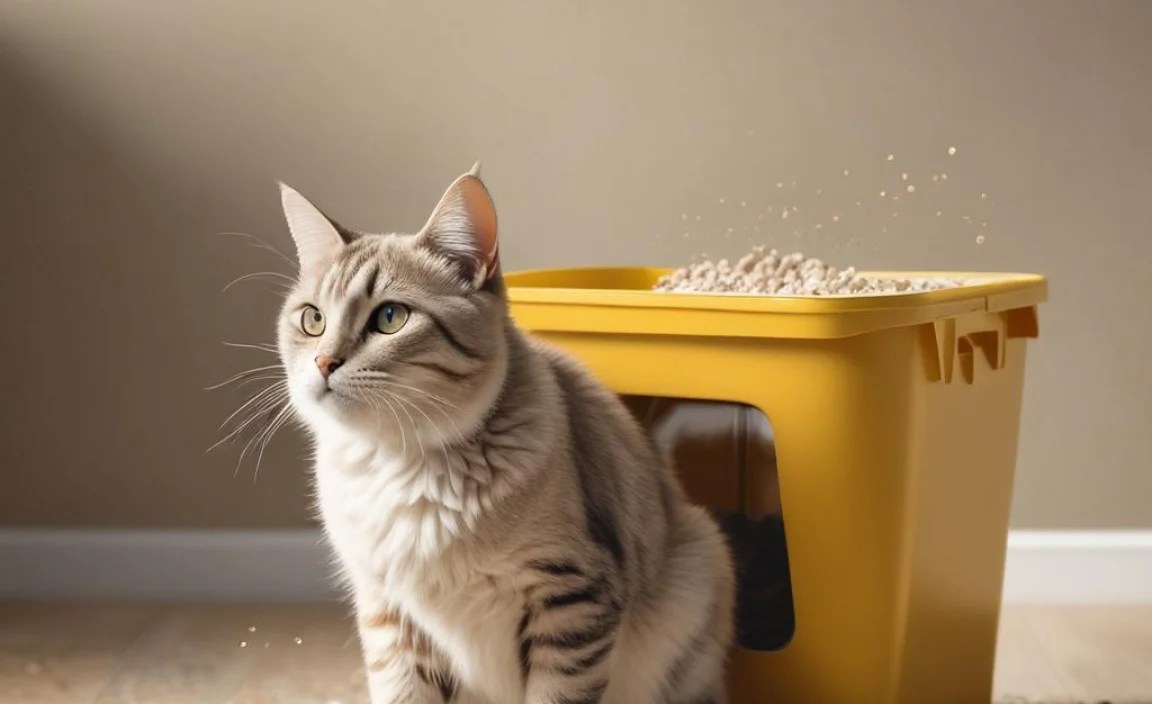
Before we dive into the solutions, it’s helpful to understand why cat litter odors happen. Cat urine and feces contain compounds like ammonia and sulfur, which are the primary culprits behind those strong smells. When waste sits in the litter box, these compounds release into the air. The type of litter you use plays a role, as do the frequency of cleaning and how you ultimately dispose of the waste.
The bacterial breakdown of waste is a natural process that intensifies these odors over time. Ammonia, in particular, is a pungent gas that can become quite noticeable. While a clean litter box quickly minimizes these smells, consistent and effective disposal is key to long-term odor control.
Many factors contribute to litter box smell:
- Urine & Feces Composition: The natural byproducts of your cat’s digestion.
- Bacterial Activity: Bacteria thrive on waste, intensifying odors.
- Ammonia Production: A common and potent odor compound from urine.
- Litter Type: Some litters absorb or neutralize odors better than others.
- Moisture Content: Waste that remains moist for too long promotes bacterial growth.
- Airflow: Poor ventilation in the litter box area can trap smells.
The Genius Solution: A Multi-Pronged Approach

The “genius” solution isn’t a single magic product; it’s a combination of smart habits and the right tools working together. This approach focuses on minimizing odor at its source and then containing and neutralizing any remaining smells.
We’ll break this down into actionable steps:
- Choosing the Right Litter
- Daily Scooping and Maintenance
- Effective Waste Bagging Techniques
- The Ultimate Litter Box Trash Can
- Deep Cleaning and Beyond
Step 1: Choosing the Right Litter for Odor Control

The foundation of odor control starts with the litter itself. Not all litters are created equal when it comes to tackling smells. Some litters are designed with odor-neutralizing properties or superior absorbency.
Types of Cat Litter and Their Odor-Fighting Potential
- Clumping Clay Litters: These are very popular because they form solid clumps when wet, making scooping easy. Many clumping litters are also formulated with activated charcoal or baking soda to help absorb odors. They are generally effective when used correctly.
- Silica Gel Crystal Litters: These litters work by absorbing moisture and trapping odors. They can be highly effective at odor control and often require less frequent full changes than clay litters, though they can be more expensive.
- Natural/Plant-Based Litters: Made from materials like wood pellets, corn, wheat, or paper, these litters can be eco-friendly. Their odor control varies greatly by brand and type. Some are excellent at absorbing moisture and neutralizing smells, while others may absorb less effectively.
- Activated Charcoal Litter: Litters that specifically feature activated charcoal are excellent for odor absorption. Charcoal has a porous structure that traps odor molecules.
- Baking Soda Infused Litter: Baking soda is a natural deodorizer that can help neutralize acids in urine and feces.
What to Look For in an Odor-Control Litter:
- Activated Charcoal: A proven odor absorber.
- Baking Soda: Helps neutralize odors.
- High Absorbency: The better it absorbs moisture, the less odor.
- Clumping Ability: For easy removal of waste before it can significantly smell.
- Unscented Varieties: Perfumed litters can sometimes mask odors temporarily but can also be off-putting to cats and may not address the root cause of the smell. Unscented litters that use odor absorbers are usually best.
For the best odor control, consider a clumping clay litter that is infused with activated charcoal or baking soda. If you are exploring natural options, look for brands that specifically highlight their odor-disposal capabilities.
External Resource: For more on cat behavior and litter box preferences, explore resources from the ASPCA, a leading animal welfare organization.
Step 2: Daily Scooping and Maintenance

This is arguably the most critical step for containing odors. The longer waste sits in the litter box, the more time it has to break down and release pungent smells. Think of it as tackling the problem at its source before it has a chance to spread.
The Golden Rule: Scoop Twice a Day
Yes, twice a day! It sounds like a lot, but it makes a world of difference. Cats are naturally clean animals and often prefer a tidy litter box. Scooping in the morning and again in the evening ensures that waste is removed promptly.
- Morning Scoop: Remove any waste left overnight.
- Evening Scoop: Remove any waste deposited throughout the day.
This frequency prevents the buildup of odor-causing ammonia and keeps your cat happy and using the box consistently.
Proper Scooping Technique:
- Use a sturdy, good-quality litter scoop with holes sized appropriately for your litter type.
- Gently disturb the litter with the scoop to find all waste.
- Scoop out all clumps and solid waste.
- For non-clumping litter, you’ll need to scrape the bottom and sides to remove wet spots.
Don’t Forget the Litter Level!
Ensure there’s enough litter for your cat to dig and bury comfortably – typically a depth of 2-3 inches. If the litter is too shallow, waste can stick to the bottom, making it harder to clean and increasing odor potential.
Adding a small amount of fresh litter after each scooping session can also help maintain the desired level and absorbency.
Step 3: Effective Waste Bagging Techniques
Once you’ve scooped, how you bag the waste is crucial for locking in odors. Simply throwing a clump into a regular trash can often isn’t enough. You need to create a barrier.
The Power of Double Bagging
This is a game-changer for odor containment within your home. Your goal is to create an airtight seal around the scooped waste.
- Step 1: Use small, sturdy plastic bags. Biodegradable options are great for the environment, but ensure they are strong enough to prevent leaks and tears. Specially designed pet waste bags are often thicker than standard grocery bags.
- Step 2: Place the scooped waste into the first bag.
- Step 3: Twist the top of the first bag tightly and tie it securely.
- Step 4: Place the tied first bag into a second bag. Twist and tie the second bag, ensuring a tight seal.
This double-layer system acts as a strong barrier against escaping odors. For an extra boost, you can sprinkle a little baking soda or treated activated charcoal into the bag before tying the waste.
Consider Specialized Litter Disposal Bags
Some companies offer odor-blocking litter disposal bags that are thicker and often infused with charcoal or other deodorizing agents. While an extra expense, they can be very effective for sensitive noses.
Step 4: The Ultimate Litter Box Trash Can
Where you put those securely bagged clumps makes a significant difference. A standard kitchen trash can might not be up to the task.
Choosing the Right Receptacle
The ideal litter disposal bin has a few key features:
- Airtight Seal: A lid that closes tightly is paramount.
- Odor-Filtering System: Many specialized bins incorporate carbon filters or other materials to neutralize smells that might escape.
- Foot Pedal Operation: This is a huge convenience and helps keep hands clean.
- Compact Size: You can keep it conveniently located near the litter box or in a designated area.
- Easy to Clean: The bin itself should be easy to wipe down.
Popular Options for Odor Control Bins:
Some of the most effective solutions are often referred to as “diaper pails,” but they work wonderfully for cat litter too. Brands like Litter Genie or Ubbi are specifically designed for this purpose.
| Feature | Basic Trash Can | Specialized Litter Bin (e.g., Litter Genie, Ubbi) |
|---|---|---|
| Odor Seal | Poor; odors escape easily. | Excellent; multi-layer or carbon filter systems contain odors. |
| Convenience | Requires frequent emptying; can become very smelly. | Holds multiple scoops, reducing frequency of emptying; easy foot pedal operation on some models. |
| Hygiene | Direct exposure to waste. | Hands-free operation; waste is contained in a sealed cartridge or bag system. |
| Cost | Low initial cost, higher ongoing bag cost. | Higher initial cost, cartridge/bag cost varies by brand. |
| Filtration | None. | Often includes carbon or other odor-filtering mechanisms. |
A specialized litter disposal bin with a foot pedal and good sealing mechanism is an excellent investment for serious odor control. It keeps the waste contained and minimizes the trips to your outdoor trash bin, which can also reduce lingering smells within your home.
Where to Place Your Litter Disposal Bin:
Ideally, keep it as close to the litter box as possible. This minimizes the distance odor-accruing waste has to travel. A small, discreet bin in the same room or a closely adjoining area works well.
Step 5: Deep Cleaning and Beyond
Even with diligent scooping and bagging, periodic deep cleaning is essential to maintain a fresh environment.
Regular Litter Box Washing
How often you do this depends on the litter type and your cat’s habits, but a good rule of thumb is to wash the litter box thoroughly at least once a month.
- Empty and Dispose: Remove all old litter and waste.
- Wash: Use mild, unscented dish soap and hot water. Avoid harsh chemicals or strong-smelling cleaners, as these can deter your cat from using the box. A clean sponge or brush dedicated solely to the litter box is recommended.
- Rinse Thoroughly: Ensure no soap residue remains.
- Dry Completely: Damp litter boxes can promote bacterial growth and odors.
- Refill: Replenish with fresh litter, ensuring the appropriate 2-3 inch depth.
If your cat still has accidents outside the box, a good enzymatic cleaner (like those recommended by Tufts Cummings School of Veterinary Medicine) will be invaluable for breaking down and eliminating the odor molecules that might trigger repeated marking.
Cleaning the Surrounding Area
Don’t forget the area around the litter box. Cat litter can track, and stray particles can contribute to odor. Regularly sweep or vacuum the floor around the box. If you use a litter mat, clean it frequently.
Consider Aeration and Natural Deodorizers
Good airflow can help dissipate any residual odors. Consider placing the litter box in a well-ventilated area, or use a small, quiet fan to gently circulate air. For an added layer of odor absorption, you can:
- Baking Soda: Sprinkle a thin layer of baking soda at the bottom of the clean litter box before adding fresh litter. You can also sprinkle a small amount on top after refilling, though some cats may be sensitive to the texture or smell.
- Activated Charcoal: Place a small open dish of activated charcoal granules (designed for air purification, not necessarily pet-specific) near, but not in, the litter box.
Important Note: Always ensure any added deodorizers are safe for cats and kept out of reach if they pose a choking hazard or are toxic if ingested. For added assurance, many pet supply stores offer specific odor-absorbing products designed to be placed near litter boxes.
The Complete Litter Disposal Checklist
To make things easy, here’s a quick checklist to ensure you’re on track with your odor control strategy:
| Frequency | Task | Notes |
|---|---|---|
| Daily (Morning & Evening) | Scoop litter box | Remove all waste. |
| After Scooping | Double bag waste | Twist and tie securely; consider pet waste bags. |
| Daily | Deposit bagged waste into specialized bin | Ensure bin lid is sealed. |
| As Needed (Daily/Every Few Days) | Empty specialized bin to outdoor trash | Use gloves and consider a final tie-off. |
| Weekly | Sweep/vacuum around litter box | Manage tracked litter. |
| Monthly | Wash litter box thoroughly | Use mild soap & water; dry completely. |
| As Needed | Add a bit of fresh litter | Maintain 2-3 inch depth for comfortable digging. |
| Periodically (When odor persists) | Consider adding baking soda/charcoal | To the bottom of the box or near it. |
Frequently Asked Questions (FAQ)
Q1: How often should I completely change my cat’s litter?
This depends on the type of litter. For clumping clay litter, a full change every 2-4 weeks is typical, provided you scoop daily. Crystal litters might last longer, sometimes up to a month. Always replace if you notice persistent odors or if the litter is no longer absorbing moisture effectively. A good indicator is if your cat seems hesitant to use the box.
Q2: My cat kicks litter out of the box. How can I prevent this mess and odor?
Litter tracking is common. Using a litter box with high sides or a covered litter box can help contain it. A large litter mat placed in front of the box can catch stray litter as your cat exits. Regularly sweeping or vacuuming the area will also manage the mess and prevent odor from tracked litter scattering.
Q3: Can scented litter really help with cat litter odor?
Scented litters can mask odors temporarily, but they don’t always eliminate them. Some cats are very sensitive to strong perfumes and may avoid the litter box. Unscented litters with added odor absorbers like activated charcoal or baking soda are often a better choice for both odor control and cat acceptance.
Q4: I’m worried about the smell when I take the bagged litter outside. Any tips?
When emptying your specialized litter bin into your outdoor trash, consider using a sturdy outdoor trash bag. Tying it very securely and perhaps even double-bagging can help. Ensure your outdoor trash can has a tight-fitting lid. If odors are a persistent issue, some people use specialized outdoor odor-absorbing products for their trash bins.