
Scented cat litter can be a safe choice for your cat if you select the right products and monitor your cat’s reactions. The key is to choose litters with gentle, natural scents or unscented options, as strong artificial fragrances can irritate your cat’s sensitive respiratory system and lead to behavioral issues.
Keeping your cat’s litter box clean and appealing is a top priority for any pet parent. Sometimes, the odor can be a bit much, and you might wonder if scented cat litter is the answer. It’s a common question, and understandably so! We all want a fresh-smelling home, but our feline friends have very different needs and sensitivities. The good news is that scented cat litter doesn’t have to be a no-go. With a little knowledge and careful selection, you can find options that work for both you and your kitty. This guide will walk you through everything you need to know to make an informed choice, ensuring your cat’s health and happiness come first.
Understanding Cat Scent Sensitivity
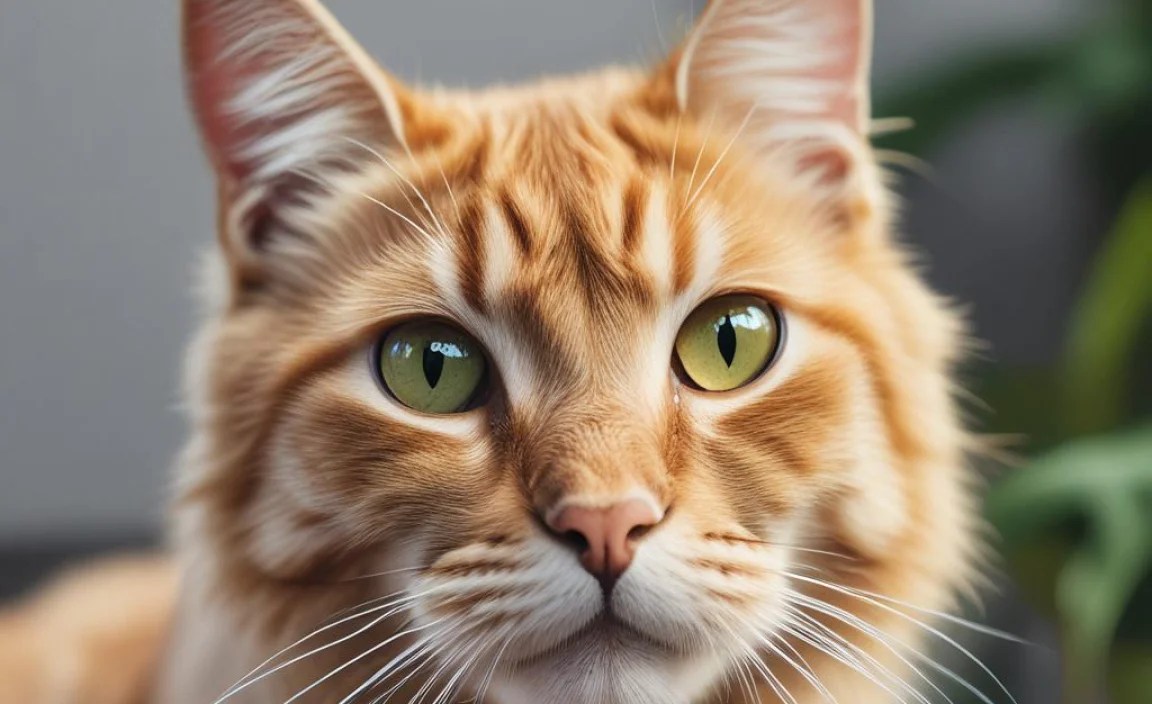
Cats have an incredibly powerful sense of smell, estimated to be about 14 times stronger than ours. This means fragrances that we find pleasant or barely noticeable can be overwhelming for them. Their noses are vital for communication, identifying their territory, and even detecting danger. When their olfactory system is bombarded with strong artificial scents, it can cause distress, irritation, and a host of other problems.
Think about it: your cat spends a significant amount of time with their face close to their litter box. If the litter itself is emitting strong chemicals, it’s like them wearing a perfume they didn’t choose, all day, every day. This isn’t just uncomfortable; it can have real health implications. Understanding this sensitivity is the first step to ensuring you’re using products that are truly safe and beneficial for your beloved pet.
Why Artificial Fragrances Can Be Problematic
Many commercial scented litters use synthetic fragrances and other chemicals to mask odors. These can include:
- Volatile Organic Compounds (VOCs): These chemicals can be released into the air and inhaled, potentially irritating a cat’s respiratory tract.
- Phthalates: Often used to make fragrances last longer, phthalates are a group of chemicals that have raised health concerns for both humans and animals.
- Other Harsh Chemicals: A cocktail of unlisted chemicals might be present, designed to create specific scents, but without thorough testing for feline safety.
For cats, especially those with pre-existing respiratory conditions like asthma or allergies, these artificial scents can trigger sneezing, coughing, watery eyes, and even more severe breathing difficulties. It’s also possible for some cats to develop sensitivities over time, even if they’ve used scented litter without issue before.
When Scented Litter Might Be Okay (and What to Look For)

While caution is advised, not all scented litters are created equal. The key is to prioritize litters that use natural, pet-safe ingredients for their scents. If your primary concern is odor control and your cat hasn’t shown any adverse reactions to gently scented products, there are certainly options to consider.
Natural and Essential Oil-Based Scents
Some brands opt for scents derived from natural sources, such as plant-based extracts or essential oils. However, even these require careful consideration. While natural, some essential oils can still be too potent or even toxic to cats if ingested or if they are highly concentrated.
- Lavender: Often perceived as calming, a very diluted form might be acceptable for some.
- Chamomile: Another gentle, natural scent that may be a better choice.
- Baking Soda: While not a scent in itself, baking soda is a natural odor absorber and is perfectly safe for cats. Many litters incorporate it.
It’s crucial to research the specific essential oils used and their concentration. It’s generally safer to choose litters scented with only a very mild, natural fragrance. For more information on pet-safe essential oils, you can consult resources like the ASPCA’s Animal Poison Control Center, which offers extensive lists of toxic and non-toxic substances for pets.
What to Avoid in Scented Litter
When examining scented cat litter labels, steer clear of products that:
- List generic “fragrance” or “parfum” without specifying the source.
- Contain artificial dyes or perfumes.
- Use strong, overpowering chemical smells, even if labeled as “odor control.”
- Are not transparent about their ingredients.
If a litter smells overwhelmingly like a cleaning product or a strong air freshener, it’s best to avoid it. Your cat’s well-being is paramount, and a subtle or absent scent is often the safest bet.
Signs Your Cat Dislikes Scented Litter

Your cat will tell you if they’re unhappy with their litter, you just need to know what to look for. If you’ve recently switched to a scented litter and notice changes in your cat’s behavior or physical well-being, it’s a strong indicator that the scent is the problem. These signs can range from subtle to obvious:
- Litter Box Avoidance: This is the most common and telling sign. Your cat may start urinating or defecating outside the litter box. They are essentially telling you they find the litter box an unpleasant or even aversive place to be.
- Hesitation or Anxiety: A cat might approach the litter box, sniff it, and then back away. They might also seem rushed when using it, hurrying in and out.
- Excessive Pawing or Digging: Some cats will try to “bury” or “cover” the scent by digging more vigorously than usual, sometimes kicking litter out of the box.
- Sneezing or Coughing: If your cat starts sneezing when near or in the litter box, or exhibits any signs of respiratory distress, the scent is likely irritating their airways.
- Changes in Grooming Habits: A stressed cat might groom themselves excessively, or conversely, neglect their grooming.
- Holding Urine or Feces: In severe cases, a cat may try to hold it in rather than use a disliked litter box, which can lead to urinary tract infections or constipation.
- Spraying or Marking: While often a sign of territorial issues, a change in litter can sometimes trigger behavioral modifications like spraying if the cat feels their environment is compromised by an unwelcome scent.
| Behavioral Sign | Potential Cause with Scented Litter | What to Do |
| Litter Box Avoidance | Overpowering scent, irritant | Switch to unscented litter immediately. Consult vet if problem persists. |
| Hesitation/Anxiety | Scent too strong, unnatural | Try a gentler scented litter or opt for unscented. |
| Excessive Pawing | Trying to cover an unpleasant smell | Monitor this; if paired with other signs, switch litter. |
| Sneezing/Coughing | Respiratory tract irritation | Immediate switch to unscented litter is critical. See a veterinarian. |
| Neglected Grooming | Stress from scent | Address litter box and consider other stressors. |
| Holding Urine/Feces | Aversion to litter, potential blockage | Urgent: Switch litter & see a vet immediately. This is a medical emergency.|
| Spraying/Marking | Uncomfortable environment | Rule out medical issues, then address litter box scent and environmental cues. |
If you observe any of these signs, the most prudent course of action is to immediately switch back to an unscented, natural clay litter or a hypoallergenic option. Monitor your cat closely for improvement.
How to Safely Introduce New Litter

Introducing any new cat litter, scented or unscented, should be done gradually to avoid upsetting your cat. Cats are creatures of habit, and a sudden change can lead to litter box issues. This is especially true when trying a new scented formula, as you’ll want to gauge your cat’s reaction to both the texture and the aroma.
Here’s a step-by-step approach:
- Start with a 75/25 Mix: For the first few days, mix about 25% of the new scented litter with 75% of your cat’s current, familiar unscented litter. Ensure the new scent is very mild.
- Observe Closely: Watch your cat’s behavior. Are they using the box without hesitation? Are there any signs of distress like sneezing or avoidance?
- Gradually Increase New Litter: If your cat is comfortable, slowly increase the ratio of the new litter to 50/50. Continue to observe.
- Progress to 75/25 New Litter: If all is well, move to a 75% new litter and 25% old litter mix.
- Full Switch: If your cat has accepted each stage, you can transition to 100% of the new scented litter. Again, constant observation is key.
If at any stage your cat shows signs of discomfort or avoids the litter box, revert to the previous ratio or go back to their old litter entirely. You may need to try a different brand or a different type of scent or reconsider unscented options.
Best Practices for Litter Box Odor Control (Without Overwhelming Scents)

For those who want a fresh-smelling home but are wary of scented litters, there are many effective alternatives. Harnessing natural deodorizers and maintaining a consistent cleaning routine are your best allies in combating litter box odors. The goal is to eliminate the source of the smell, not to mask it with potentially irritating chemicals.
1. Frequent Scooping is Key
This is the single most effective way to manage litter box odor. Waste that sits in the litter box for too long releases ammonia and other unpleasant smells. Aim to scoop the litter box at least once, ideally twice, a day. This ensures that the litter remains as clean as possible between full changes and makes it more appealing for your cat to use.
2. Choose the Right Litter Material
Some litter materials are naturally better at absorbing moisture and trapping odors than others:
- Clay Litter: Particularly clumping clay litters, are excellent at absorbing urine and forming solid clumps that can be easily scooped out. This prevents liquid from soaking to the bottom of the box and creating a persistent smell.
- Silica Gel Litter: These crystals are highly absorbent and can trap odors effectively. They are often less dusty than clay and can last longer, though they may be more expensive.
- Natural/Plant-Based Litters: Materials like corn, wheat, walnut shells, or recycled paper can also be effective odor absorbers and are more eco-friendly. Some brands of these also have subtle, natural deodorizing properties.
3. Use Natural Odor Absorbers
You can boost the odor-fighting power of your chosen litter by adding natural absorbers:
- Baking Soda: Sprinkle a thin layer of baking soda at the bottom of the litter box before adding litter, or lightly mix it into the litter itself. It’s a highly effective and safe odor neutralizer.
- Activated Charcoal: This is another powerful odor absorber that can be found in some cat litters or purchased separately to add to existing litter.
4. Regular Full Litter Box Cleaning
Even with daily scooping, you’ll need to do a more thorough cleaning regularly. How often depends on the type of litter and how many cats you have, but generally:
- Clumping Litter: Empty and clean the entire box every 2-4 weeks.
- Non-Clumping Litter: This needs to be fully emptied and the box cleaned more frequently, often weekly.
When cleaning: remove all old litter, wash the litter box with mild, unscented soap and water, rinse thoroughly, and dry completely before refilling with fresh litter. Avoid harsh chemicals or strong-smelling cleaners, as these can deter your cat from using the box.
5. Location, Location, Location
The placement of your litter box can significantly impact odor. Placing it in a well-ventilated area can help dissipate smells more effectively. Avoid placing it in enclosed, stagnant spaces where odors can build up.
6. Invest in a Good Litter Box
Consider a litter box with high sides or a hood. While some cats prefer open boxes, a covered one can help contain odors and litter scatter for a while longer. Ensure it’s the right size for your cat – they should be able to turn around comfortably inside.
Choosing a Reputable Brand
When selecting any cat litter, especially one with a scent or claimed odor-controlling properties, it’s wise to opt for brands that are known for their commitment to pet safety and ingredient transparency. Look for companies that:
- Clearly list all ingredients on their packaging.
- Are transparent about the source of their fragrances (if any).
- Have a good track record and positive reviews from other pet owners regarding safety and efficacy.
- Are recommended by veterinarians or reputable animal welfare organizations.
Brands focusing on natural, hypoallergenic, or veterinarian-approved formulas are often a safer bet. Doing a little research on the brand’s philosophy and product development can give you peace of mind.
Frequently Asked Questions About Scented Cat Litter
Q1: Is scented cat litter bad for cats?
Scented cat litter can be problematic for many cats due to their sensitive respiratory systems. Strong artificial fragrances can cause irritation, leading to sneezing, watery eyes, and respiratory issues. While some mild, natural scents might be tolerated, unscented litter is generally considered the safest option to avoid potential harm.
Q2: How can I tell if my cat doesn’t like their scented litter?
Signs include your cat avoiding the litter box altogether, urinating or defecating outside of it, showing anxiety when approaching or using the box, sneezing or coughing when near it, or excessive digging. These behaviors indicate that the litter, possibly the scent, is making the box an unpleasant place for them.
Q3: Can essential oils in cat litter be harmful?
Yes, some essential oils, especially when highly concentrated or ingested (which can happen during grooming), can be toxic to cats. While certain natural scents like lavender or chamomile in very diluted forms might be acceptable for some, it’s always wise to err on the side of caution. Always research the specific essential oils used and their safety for felines.
Q4: What is the best alternative to scented cat litter for odor control?
The best way to control odor without using scented litter is through diligent cleaning: scoop the litter box at least once daily, use a high-quality clumping litter, wash the litter box regularly with mild soap and water, and consider adding natural odor absorbers like baking soda or activated charcoal. Ensuring good ventilation in the litter box area also helps.
Q5: Should I switch to unscented litter if my cat is sneezing?
Absolutely. If your cat starts sneezing or shows any signs of respiratory distress after a litter change, especially to a scented one, it’s a clear indication that the scent is irritating their airways. Switch back to a trusted unscented litter immediately and consult your veterinarian.
Q6: Are “odor control” litters always heavily scented?
Not necessarily. Many “odor control” litters achieve their effectiveness through superior odor-trapping materials like activated carbon or clumping agents, rather than artificial perfumes. It’s important to read the ingredients list and avoid litters that explicitly mention artificial fragrances or strong chemical scents. Baking soda-enriched litters also offer good odor control without added perfumes.
Q7: How gradually should I introduce a new litter if I choose a lightly scented one?
Introduce a new litter very gradually. Start by mixing 25% new litter with 75% old litter for several days, observing your cat’s reaction. If they are comfortable, slowly increase the amount of new litter over a few weeks to 50/50, then 75/25, and finally 100%. If at any point your cat shows discomfort or avoidance, revert to the previous ratio.
Conclusion
Navigating the world of cat litter can feel overwhelming, especially when you’re trying to balance your home’s freshness with your cat’s sensitive needs. The question of “scented cat litter safe” doesn’t have a simple yes or no answer. For many cats, especially those with respiratory sensitivities, heavily fragranced litters pose a risk that simply isn’t worth it. The safest path is almost always to opt for unscented, natural litters.
However, if you’re determined to find a gently scented option and your cat has shown no adverse reactions to milder scents in the past, prioritize products that use natural fragrances and transparent ingredient lists. Always introduce any new litter gradually and remain vigilant for signs of discomfort or behavioral changes. Ultimately, your commitment to observing your cat’s reactions and prioritizing their well-being will guide you to the best litter choice. By focusing on good hygiene practices, choosing appropriate materials, and paying close attention to your feline friend’s.