
For multiple cats, the ‘N+1 rule’ is essential! Aim for one litter tray per cat, plus one extra, placed in different, accessible locations. This prevents territorial disputes, reduces accidents, and keeps your multi-cat home clean and harmonious.
As cat parents, we know our feline friends have unique personalities. When you’re lucky enough to share your home with more than one kitty, ensuring their comfort and happiness becomes even more important. One area that can sometimes cause a little stress, both for you and your cats, is the litter box situation. It’s a common challenge: suddenly, you might notice cats avoiding the litter box, or worse, having accidents elsewhere. Don’t worry, this is a phase many multi-cat households experience! The good news is that setting up the right litter tray system is simpler than you think. By understanding a few key principles, you can create a clean, stress-free environment for all your beloved companions.
In this guide, we’ll break down exactly why having enough litter trays is so crucial for multi-cat homes. We’ll explore the magic number, the best places to put them, and how to keep them pristine. Get ready to transform your litter routine and foster peace in your furry family!
The “N+1 Rule”: Why More is Definitely More

If you’re a proud owner of more than one cat, you’ve likely pondered the question: “How many litter boxes do I actually need?” The answer is simpler than you might think and is widely recommended by veterinarians and feline behaviorists: the ‘N+1 rule’. This means if you have ‘N’ cats, you should have ‘N+1’ litter boxes. So, for two cats, you need three litter boxes. For three cats, you need four, and so on.
Why this magic number? Cats are naturally clean animals. In the wild, they bury their waste to avoid leaving a scent trail that could attract predators or rivals. They also prefer to relieve themselves in a quiet, private place. When multiple cats share a single litter box, it can become unappealing very quickly. The scent of waste can be overpowering, and a cat might feel exposed or vulnerable while using it. This can lead to them seeking out alternative, inappropriate places to eliminate, which is frustrating for everyone involved.
A study published by VCA Animal Hospitals highlights that behavioral issues, including inappropriate urination and defecation, are often linked to litter box aversion. Providing ample litter box options directly addresses this, reducing competition and ensuring each cat has a comfortable, private space when nature calls.
Reasons Behind the “N+1 Rule”
Let’s dive deeper into why this rule is so effective:
- Reduces Territorial Disputes: Cats can be territorial, and a litter box can become a prized piece of real estate. Having multiple boxes, especially if placed strategically, minimizes the chances of one cat guarding the box and preventing others from using it.
- Minimizes Odor and Contamination: Even with daily scooping, a single box can get dirty quickly in a multi-cat household. More boxes mean less accumulated waste in any single location, making them more pleasant for your cats to use.
- Accommodates Different Preferences: Just like us, cats have preferences. Some might prefer a covered box, others an open one. Some might like a specific type of litter. Having multiple options increases the likelihood that all your cats will have a box that suits their individual needs.
- Provides Backup Options: If one box is suddenly out of order (e.g., you’re cleaning it, or a cat is having a minor tiff with another near it), there are other options available. This prevents a rush to use the sole available box or the dreaded ‘rebellion’ against the system.
- Supports Kittens and Senior Cats: Kittens are still learning and seniors might have mobility issues. Extra boxes at ground level and in easily accessible locations are vital for these vulnerable cats.
Choosing the Right Litter Boxes for Your Crew

Beyond just the number of boxes, the type and size of the litter box itself play a significant role in your cats’ acceptance and use. Not all litter boxes are created equal, especially when catering to multiple feline residents.
Size Matters: More Space, Please!
This is non-negotiable. Litter boxes, particularly for multiple cats, need to be large. Cats need enough space to enter, turn around comfortably, dig, and cover their waste without their fur touching the sides or their tail hanging out. A general rule of thumb is to choose a litter box that is at least 1.5 times the length of your largest cat, from nose to the base of their tail.
For larger breeds like Maine Coons or Ragdolls, or just for cats who like to stretch out, standard-sized boxes often won’t cut it. Look for extra-large or even storage bin-style boxes. Many owners find that large, clear plastic storage containers are an excellent, budget-friendly alternative to expensive designer litter pans. You can often find them at your local home improvement or department stores.
Consider the height of the sides too. Kittens and older cats might struggle with very high-sided boxes. If you have a kitten, start with a low-entry box and you might need to transition to a higher one as they grow, or keep one low-entry option available always.
Types of Litter Boxes: Key Considerations
When you have multiple cats, you might find that a variety of box types works best to cater to everyone’s unique preferences.
- Open Litter Boxes: These are the most basic and often the most accepted by cats. They offer an unobstructed view and easy entry/exit, which many cats prefer for their sense of security. They are also easier to clean. The downside is that they can be more prone to tracking litter outside the box, and odor can spread more readily if not scooped frequently or if the litter isn’t odor-controlling.
- Hooded (Covered) Litter Boxes: These offer more privacy and are excellent at containing litter scatter and masking odors. However, some cats dislike them because they can trap odors inside, making them unpleasant for the cat. The enclosed space can also make some cats feel trapped or anxious. If you have a hooded box, ensure it has ample ventilation and that the opening is large enough.
- Self-Cleaning Litter Boxes: These can be a fantastic investment for busy multi-cat households, as they automatically scoop waste after each use. This ensures a consistently clean box, which can significantly reduce accidents. However, they can be expensive, require electricity, and the mechanical motion or sound can sometimes startle or deter sensitive cats initially. It’s wise to introduce these gradually and ensure at least one non-automated box remains available, especially when first transitioning.
- Top-Entry Litter Boxes: These boxes have an opening on the lid, forcing cats to enter from the top. They are remarkably effective at preventing litter from being tracked out of the box, as cats shake their paws on the grate before exiting. They also offer a degree of privacy. Like hooded boxes, some cats may find the entry awkward or unnerving, and cleaning can be a bit more involved.
For a multi-cat household, a good strategy is to offer a mix of box types. For example, you might have two large open boxes and one large hooded box. This caters to different preferences and ensures that if one cat is particular about privacy, they have an option available.
Litter Material: A Matter of Preference
Just like the box itself, the litter material is a major factor in your cat’s comfort and willingness to use the box. While many cats are adaptable, some can be quite picky.
Recommended Litter Types:
- Unscented Clumping Clay Litter: This is generally the most popular type among cats. It clumps when wet, making it easy to scoop, and the unscented varieties are best as perfumes can be overwhelming to a cat’s sensitive nose.
- Natural Clumping Litters (e.g., plant-based, pine, corn): Many eco-friendly options are available that clump well and can be biodegradable. Ensure they are finely textured, like sand, as cats often prefer this.
Litters to Approach with Caution:
- Scented Litters: As mentioned, cats have a much stronger sense of smell than humans. Artificial scents can be irritating and deter them from using the box.
- Non-Clumping Litters: These are harder to scoop clean, meaning the litter box can become soiled faster. This requires more frequent full litter changes, which can be a lot of work in a multi-cat home.
- Silica Gel (Crystal) Litter: While excellent at odor control for humans, some cats dislike its texture and the crunching sound it makes underfoot.
- Litters with Large Pellets or Crystals: These can be uncomfortable for sensitive paws.
If you have multiple cats and are unsure about their preferences, consider testing out a few different unscented, finely-textured litters in separate boxes to see which one your cats gravitate towards. You can also transition gradually by mixing a new litter with their old one.
Strategic Placement: Where to Put Your Litter Boxes

Having enough of the right kind of litter boxes is crucial, but their placement is equally important for encouraging consistent use and preventing conflicts.
The Golden Rules of Placement
Think like a cat when deciding where to put those litter boxes. They value privacy, quiet, and easy access:
- Privacy and Quiet: Locate boxes in areas where your cats won’t be startled or disturbed. Avoid high-traffic zones in your home, areas near loud appliances (like washing machines or dishwashers), or places where children or other pets might inadvertently bother them. A quiet corner in a spare room, a bathroom, a laundry room, or a spacious closet are often good choices.
- Accessibility: Ensure that every cat in your home can easily get to all the litter boxes. For homes with multiple floors, place at least one box on each level. If you have senior cats or kittens with mobility issues, ensure boxes are not on elevated platforms unless there’s a ramp, and that entry is low.
- Away from Food and Water: Cats are instinctively clean and do not like to eat or drink near their elimination areas. Keep litter boxes far away from their food and water bowls. A general guideline is to have them at opposite ends of the house or room.
- Avoid High-Traffic Doors: Don’t place a litter box right next to a door that frequently opens and closes. The sudden noise and movement can startle a cat, making them associate the litter box area with fear.
- Multiple Locations: This ties back to the N+1 rule. Spreading the boxes out reduces competition. If you have a large home, consider placing boxes in different wings or zones. For smaller homes, placing them in separate rooms on the same floor can also work.
Creating a Litter Box “Zone”
For maximum success in a multi-cat home, consider creating dedicated litter box zones. This might involve setting up two or three boxes in the same general area, but spaced a few feet apart, rather than clustered together.
For example, in a large bathroom, you might place one large open litter box, a few feet away from that, another large open litter box, and perhaps further down the hall or in an adjacent room, a hooded box. This distribution ensures that if one particular box is occupied, or if a cat is feeling a bit territorial, there are other options available that don’t require them to enter the immediate vicinity of another cat using a box.
A practical tip is to use baby gates or strategically placed furniture to create a semi-private, accessible alcove for one or two boxes, ensuring that dogs or young children can’t easily access them, but the cats can move in and out freely. This can be particularly helpful in open-plan living spaces.
Maintaining a Pristine Litter Box Environment
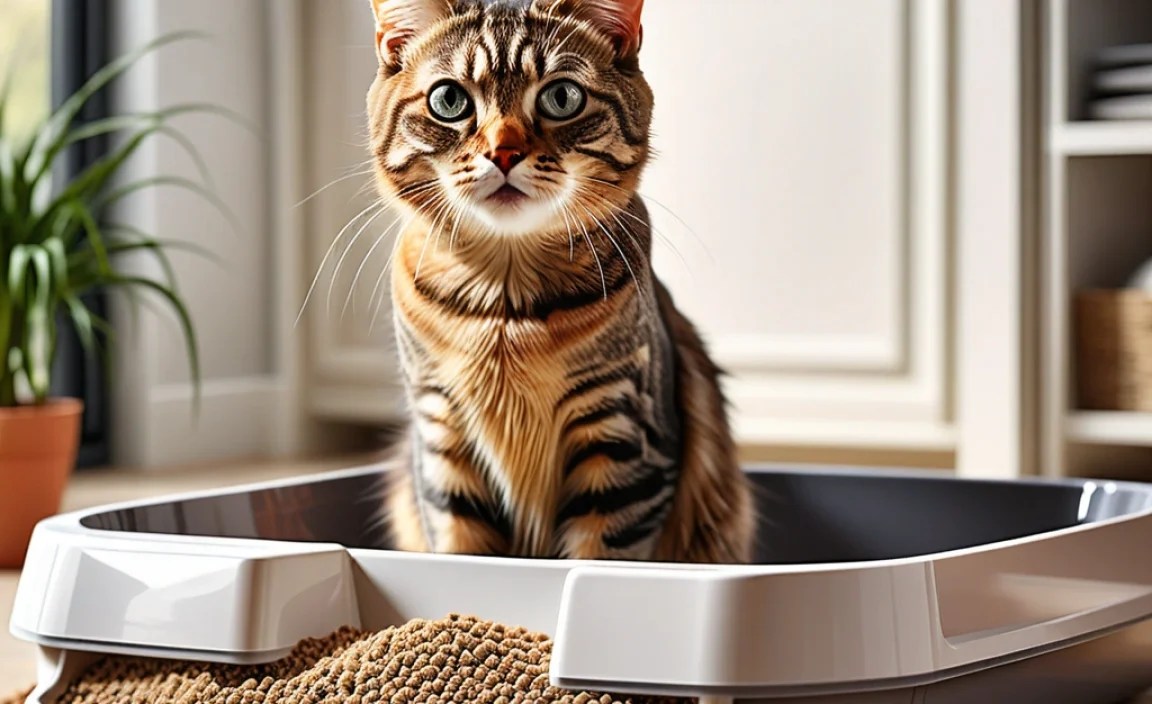
Even with the perfect number and placement of litter boxes, their cleanliness is paramount. Cats are fastidious creatures, and a dirty litter box is the number one reason for them to seek alternatives.
Daily Scooping is Key
This cannot be stressed enough: scoop the litter boxes at least once, preferably twice, a day. Remove all solid waste and urine clumps. This keeps the box fresh, inviting, and minimizes odors. For multi-cat homes, this becomes a significant daily task, but it’s essential for preventing behavioral issues and maintaining a pleasant household.
Regular Full Cleaning
Beyond daily scooping, you’ll need to do a full litter box clean-out regularly:
- Empty and Wash: Every 1-4 weeks (depending on litter type and usage), completely empty the litter boxes. Wash them thoroughly with mild, unscented soap and warm water.
- Avoid Harsh Chemicals: Never use ammonia-based cleaners or strong disinfectants, as their strong odors can deter cats and potentially be harmful. A simple dish soap followed by a good rinse is sufficient.
- Dry Thoroughly: Ensure the boxes are completely dry before refilling with fresh litter. Moisture can lead to odors and bacterial growth.
- Refill with Fresh Litter: Add about 2-3 inches of fresh litter. This depth allows cats to dig and cover their waste properly.
Litter Matting and Tracking Control
Litter tracking can be a messy reality with multiple cats. Investing in good quality litter mats designed to trap litter can significantly reduce the amount of scattered litter around the box area.
These mats have deep grooves or textures that capture litter from your cats’ paws as they step out. Placing these mats in front of each litter box can save you a lot of sweeping and vacuuming. Some top-entry boxes also have integrated mats or grates that help with this.
Monitoring Your Cats’ Habits
When you have multiple litter boxes, it’s a good idea to observe your cats’ litter box habits. Are certain boxes being used more than others? Is any cat showing reluctance to use a particular box? Observing these details can help you identify potential issues early on.
For instance, if you notice one box is consistently pristine while others are heavily used, it might mean that particular cat has a strong preference for it. If a cat is suddenly avoiding all boxes, or a previously well-used box is being ignored, it could signal a medical issue (like a urinary tract infection) or a stress-related behavior problem. In such cases, consulting your veterinarian is crucial.
Troubleshooting Common Litter Box Issues in Multi-Cat Homes

Despite your best efforts, you might encounter some hiccups. Here are common issues and how to tackle them:
Issue: Cat Urinating or Defecating Next to the Litter Box
- Possible Causes:
- The box is too dirty.
- The box is too small.
- The litter type is disliked.
- The location is stressful or inaccessible.
- Inter-cat conflict over the box.
- Underlying medical condition (e.g., UTI, kidney disease, arthritis).
- Solutions:
- Increase scooping frequency.
- Get larger, more appropriate boxes.
- Experiment with different unscented, finely textured litters.
- Relocate boxes to quieter, more accessible areas.
- Add more boxes according to the N+1 rule.
- Clean urine-soaked areas thoroughly with an enzymatic cleaner to remove all traces of odor.
- Consult your veterinarian to rule out medical causes.
Issue: One Cat is Blocking Access to the Litter Box
- Possible Causes: Territorial behavior, anxiety, or a perception of scarcity.
- Solutions:
- Add more litter boxes immediately.
- Place the additional boxes in different, widely separated locations. Ensure they are not in a confined space where one cat can easily “ambush” another.
Issue: Cats Don’t Like the New Litter You Introduced
- Possible Causes: Dislike of scent, texture, or a drastic change.
- Solutions:
- Transition very gradually. Mix a small amount of the new litter with the old.
- Slowly increase the proportion of new litter over several weeks.
- If the new litter is a different type (e.g., from clay to corn), ensure it has a similar texture if possible.
- If after careful transition, cats still refuse, revert to their preferred litter and try a different type of new litter later.
Issue: Litter Box Aversion Escalates (e.g., Cat Starts Hiding to Urinate)
- Possible Causes: Stress, anxiety, bullying by another cat, or a significant negative association with the box.
- Solutions:
- This is often a sign of deeper stress. Ensure you have sufficient boxes (N+1), strategically placed.
- Make sure there are no subtle bullying behaviors happening (e.g., one cat huffing at another leaving a box).