
Fixing cat obesity affordably is totally achievable with simple diet tweaks, controlled portions, and increased playtime. This guide offers practical, budget-friendly strategies to help your feline friend slim down and live a healthier, happier life without breaking the bank.
Is your furry friend carrying a little extra weight? You’re not alone! Cat obesity is a common concern for many pet parents, and it can feel overwhelming to tackle. The good news is that helping your cat reach a healthy weight doesn’t have to be expensive or complicated. With the right approach, you can make a real difference in their health and well-being. This guide will walk you through affordable and effective ways to help your kitty slim down, step by step.
Understanding Cat Obesity: More Than Just a Chubby Cat

Before we dive into solutions, let’s understand why a little extra padding on your cat can be a big problem. Obesity in cats isn’t just about looks; it significantly impacts their health and lifespan. Overweight cats are at a higher risk for serious medical conditions, including:
- Diabetes mellitus
- Arthritis and joint pain
- Heart disease
- Liver disease
- Urinary tract issues
- Reduced immune function
- Increased surgical risks
The average cat needs a specific amount of calories per day, and this varies based on age, activity level, and whether they are spayed or neutered. Unfortunately, many indoor cats don’t get enough exercise and are fed too many calories, leading to weight gain. Recognizing the signs of obesity is the first step. You might notice your cat is less active, has difficulty grooming themselves, or you can’t easily feel their ribs. A healthy weight for your cat is crucial for their overall quality of life.
Affordable Strategies for Cat Weight Loss: A Practical Guide

Taking on your cat’s weight can seem daunting, but with consistent effort and the right tools, you can achieve success without overspending. The core of any weight loss plan revolves around diet and exercise. Let’s explore how to make these aspects budget-friendly and effective.
1. Smart Feeding: The Foundation of Affordable Weight Loss
Diet plays the most significant role in your cat’s weight. Making smart, affordable choices here can have a huge impact. It’s not about expensive “diet” foods; it’s about portion control and quality.
A. Portion Perfection: Measuring is Key
The single most effective and affordable way to manage your cat’s weight is by accurately measuring their food. Free-feeding, where kibble is always available, often leads to overconsumption. Instead, establish set meal times and measure out the exact portion advised by your veterinarian or a reputable calculator. Use a standard measuring cup for dry food and a liquid measuring cup or kitchen scale for wet food.
According to the Cornell Feline Health Center, precise portion control is paramount. The amount of food your cat needs daily depends on their desired target weight, not their current weight. If you’re unsure about the exact calories your cat needs, consult your veterinarian. They can help you determine the ideal daily calorie intake.
B. Choosing the Right Food (Without Breaking the Bank)
You don’t need to buy the most expensive “weight management” cat food. Often, a good quality, high-protein, moderate-fat diet is what cats thrive on. Look for foods where a named meat source (like chicken, turkey, or fish) is the first ingredient. Avoid foods with excessive fillers like corn, wheat, or soy, as these offer less nutritional value and can sometimes lead to digestive upset.
Consider purchasing larger bags of dry food if your cat eats it, as this often reduces the cost per pound. However, ensure it’s stored properly to maintain freshness. For wet food, buying in bulk cases can also offer savings. Compare prices per ounce or pound from different brands and retailers.
Table 1: Comparing Cat Food Types for Weight Management (Affordability Focus)
| Food Type | Pros for Weight Loss | Potential Cons & Affordability Notes | Affordable Choices |
|---|---|---|---|
| Dry Kibble | Generally more affordable per calorie. Easier to measure for portion control. | Can be calorie-dense, easy to overfeed if not measured. May contain more fillers. Freshens slowly once opened. | Look for higher protein, lower carb options in larger bags. Compare cost per pound. |
| Wet Food | Higher protein, lower carbohydrate content. High water content aids satiety. | Typically more expensive per serving. Can be messy if not consumed quickly. | Buy in bulk cases from trusted online retailers or supermarkets. Look for sales. |
| Raw/Homemade (Not Recommended for Beginners) | Controlled ingredients, can be very high protein. | Extremely difficult to balance nutritionally without expert guidance. High risk of bacterial contamination. Significant upfront cost for ingredients and preparation. Generally NOT the most affordable option for beginners. | This route requires significant veterinary nutritionist consultation and is not a cost-effective starting point for most owners. |
C. The Truth About Treats
Treats are a major hidden calorie culprit. If you’re giving your cat treats daily, they can add significant calories without providing much nutrition. For weight loss, most treats should be eliminated or severely restricted.
- Small is Best: If you must give treats, choose tiny, low-calorie options.
- Use Kibble: Measure out a few pieces of their regular kibble to use as treats. This adds no extra calories and is completely free!
- Interactive Play Rewards: Reward successful training or play sessions with praise and affection, not food.
- Avoid Table Scraps: Never give your cat human food. Many foods are toxic, and even “safe” options are often high in fat, salt, and calories.
2. Boosting Activity: Making Playtime Count (and Cost Nothing!)
Exercise is crucial for burning calories and stimulating your cat’s metabolism. More importantly, it keeps them mentally and physically engaged, preventing boredom-related behavioral issues.
A. Daily Play Sessions: The Power of Routine
Aim for at least two 10-15 minute play sessions per day. Cats are natural hunters, so mimic this with toys that move erratically. Lasers (with a slight caution for frustration – always end with a tangible toy), feather wands, and crinkle balls are great for this. The key is to engage their predatory instincts.
Think about it from your cat’s perspective: a stimulating chase after a toy mimics hunting prey. This is not just fun; it’s a vital part of their physical and mental well-being. An active cat is a happier, healthier cat.
B. Affordable Toy Ideas
You don’t need to spend a fortune to keep your cat entertained and active. Many of the best cat toys are DIY or very inexpensive:
- Cardboard boxes and paper bags: Cats love to hide, pounce, and explore. Cut some holes in a box or leave a paper bag open for endless fun. (Ensure bag handles are removed to prevent entanglement).
- Toilet paper rolls: Fold one end closed and put a few kibbles inside. Fold the other end, then let your cat “hunt” for their snack.
- Bottle caps: Lightweight and fun to bat around.
- Crumbled paper balls: Simple to make and satisfyingly noisy.
- Dedicated wand toys: These can be a bit more of an investment but offer excellent interactive play for years. Look for deals on sale.
C. Harness Training for Outdoor Adventures (Optional & Safe)
If your cat is amenable and you have a safe outdoor space (like a backyard or quiet balcony), consider harness training. This allows supervised exploration, providing new sights, sounds, and smells, which naturally increases activity. Ensure you use a properly fitted harness and a secure leash. The Humane Society offers great tips on how to introduce your cat to a harness safely and gradually.
3. Environmental Enrichment: Making Every Day a Little More Active
Even indoors, you can make your cat’s environment more stimulating to encourage movement and play.
- Vertical Space: Cats love to climb and explore at different levels. Cat trees, shelves, or even sturdy furniture can provide this. You don’t need fancy, expensive ones. Repurposed shelving units or sturdy crates can work wonders.
- Window Perches: A sunny spot by the window allows your cat to observe the outside world, which can be mentally stimulating and may even prompt them to “chase” birds or bugs they see.
- Puzzle Feeders: These toys dispense food gradually as your cat plays with them. They slow down eating and turn mealtime into an active game. You can find affordable options or even make your own by poking holes in plastic containers.
Monitoring Progress: Seeing the Scale Move (Slowly!)
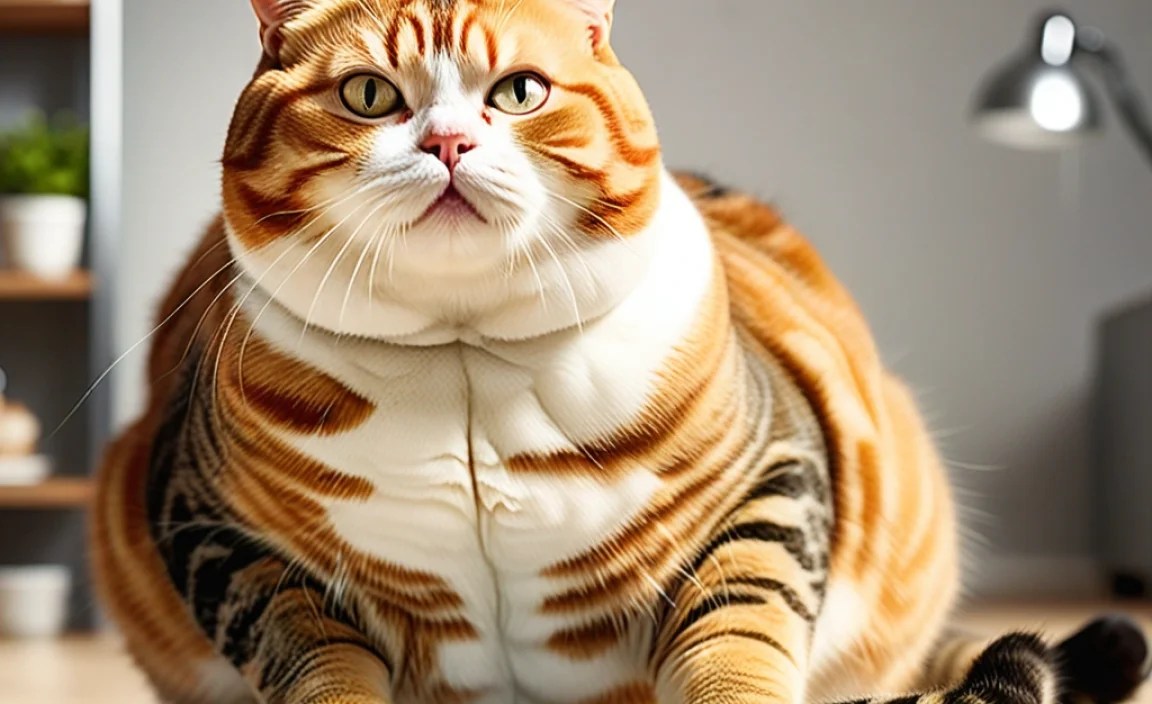
Weight loss in cats should be gradual. A safe and healthy rate is typically 1-2% of their body weight per week. Rapid weight loss can be dangerous and lead to hepatic lipidosis (fatty liver disease). Regular weigh-ins are essential.
A. At-Home Weigh-Ins
You can weigh your cat at home using a bathroom scale. Weigh yourself first, then pick up your cat and weigh yourself holding them. Subtract your weight from the combined weight to find your cat’s weight. Do this weekly or bi-weekly. Keep a log to track their progress.
B. Understanding Body Condition Score (BCS)
Besides weight, a Body Condition Score (BCS) is an excellent visual tool. It’s a subjective assessment of your cat’s body fat. Most veterinarians will assess BCS during check-ups using a scale, typically from 1 to 9, where 4-5 is considered ideal.
Table 2: Cat Body Condition Score (BCS) Guide
| Score | Description | Ideal for Weight Loss? |
|---|---|---|
| 1-3 | Underweight/Emaciated: Ribs, spine, and pelvic bones are easily visible and palpable. Little body fat. | Needs to gain weight, not lose. |
| 4-5 | Ideal: Ribs are palpable with a slight fat covering. Waist visible from above. Abdomen tucked up from the side. | Target range. Maintain. |
| 6-7 | Overweight: Ribs palpable with a moderate fat covering. Waist less visible. Abdominal fat pad may be present. | Needs gradual weight loss. |
| 8-9 | Obese: Ribs difficult to palpate due to significant fat. Waist is absent or barely visible. Broad, fatty back. Large abdominal fat pad. | Needs significant weight loss. |
You can learn to assess your cat’s BCS at home by looking at their sides and feeling their ribs. Your vet can show you how to do this properly. The World Small Animal Veterinary Association (WSAVA) offers visual guides that can help you learn to score your cat’s body condition.
When to Seek Professional Help: Your Vet is Your Best Ally

While these affordable strategies are incredibly effective, always consult your veterinarian before starting any significant diet or exercise changes for your cat. They can:
- Rule out any underlying medical conditions contributing to weight gain.
- Provide a specific feeding plan and calorie target tailored to your cat.
- Recommend appropriate, high-quality food brands that might fit your budget.
- Offer advice on safe exercise levels and potential challenges.
Your vet is your most valuable partner in ensuring your cat