
For cats needing a lower-fat diet, focus on high-quality protein sources, controlled portion sizes, and avoiding fatty treats. Look for foods specifically labeled “low fat” or “weight management” and consult your vet for personalized recommendations to ensure your feline friend stays healthy and happy on a balanced, nutrient-rich plan.
Cats are cherished members of our families, and their well-being deeply affects ours. Sometimes, our furry companions need a little extra dietary attention, especially when it comes to managing their weight or addressing certain health concerns. A low-fat diet isn’t just about shedding pounds; it’s a crucial part of a healthy lifestyle for many cats. Navigating the world of cat food can feel overwhelming, with so many options and so much information.
You might be wondering if their current food is a good fit or how to make the switch effectively. Rest assured, taking this step is a sign of responsible pet ownership. This guide is here to make understanding and implementing a low-fat diet for your cat simple and stress-free. We’ll break down what makes a food “low fat,” why it might be necessary, and how to choose the best options, ensuring your cat gets the nutrition they need without the excess.
Why a Low-Fat Diet Might Be Necessary for Your Cat

As feline caregivers, we want our adventurous kitties to live long, vibrant lives. Sometimes, their health journey requires a specific dietary approach. A low-fat diet is often recommended for several key reasons, usually revolving around weight management and specific medical conditions. It’s not a one-size-fits-all solution but a tailored approach to improve their quality of life.
Weight Management and Obesity in Cats
Obesity is a significant health concern in cats, just as it is in humans. Overweight cats are at a higher risk for various health problems. A low-fat diet is a cornerstone of weight loss programs for felines. Excess fat in their diet contributes to weight gain, and by reducing fat intake, we can help cats burn stored fat for energy. This leads to a healthier body weight, which in turn can alleviate pressure on their joints, improve mobility, and boost their overall energy levels. Think of it as helping your cat get back to their playful, nimble selves!
Medical Conditions Requiring a Low-Fat Diet
Beyond general weight control, veterinarians often prescribe low-fat diets for cats suffering from specific medical conditions. These can include:
Pancreatitis: An inflammation of the pancreas. High-fat foods can trigger or worsen this painful condition. A low-fat diet helps to reduce the workload on the pancreas.
Gastrointestinal Disorders: Conditions like inflammatory bowel disease (IBD) or malabsorption syndromes can make it difficult for cats to digest and absorb fats. A low-fat diet can ease digestive upset and improve nutrient absorption.
Heart Conditions: While less common than in dogs, some heart issues in cats may benefit from dietary fat restriction, though protein and overall calorie intake are also critical considerations.
Liver Disease: The liver plays a vital role in fat metabolism. In cats with liver disease, reducing dietary fat can lessen the strain on the liver.
Certain types of cancer: Some cancers may necessitate dietary fat modification to support the cat’s overall health and treatment.
It’s always essential to work closely with your veterinarian when managing these conditions. They can help determine if a low-fat diet is appropriate and guide you in selecting the best food.
Understanding “Low Fat” Cat Food

The term “low fat” on a cat food label can be a bit vague without a little understanding. What does it truly mean in terms of ingredients and nutritional value? It’s more than just a marketing slogan; it refers to the percentage of fat content in the food, typically on a dry matter basis.
What Constitutes “Low Fat”?
While there isn’t a single, universally mandated definition for “low fat” in cat food, general guidelines can help consumers. Typically, a cat food labeled as “low fat” will have significantly less fat than standard adult maintenance formulas.
Standard Adult Cat Food: Often contains around 15-20% fat on a dry matter basis.
“Low Fat” or “Weight Management” Cat Food: Usually contains 10-15% fat or even less on a dry matter basis.
The “dry matter basis” is crucial because it accounts for the moisture content of the food. Wet food has higher moisture, so the fat percentage will appear lower, but on a dry matter basis, it can be comparable to dry food. To calculate dry matter basis:
(Nutrient percentage on label / Percentage of dry matter in food) 100
For example, if a wet food has 5% fat and 30% dry matter, its fat content on a dry matter basis is (5 / 30) 100 = 16.7%. If a dry food has 15% fat and 90% dry matter, its fat content on a dry matter basis is (15 / 90) 100 = 16.7%.
Always check the guaranteed analysis on the packaging. This section lists the minimum percentages of crude protein and crude fat, and the maximum percentages of crude fiber and moisture.
Key Ingredients to Look For (and Avoid)
When selecting a low-fat cat food, the quality of ingredients is paramount. Your cat still needs essential nutrients, including protein, vitamins, and minerals, to thrive.
Look For:
High-Quality Protein Sources: Ingredients like chicken, turkey, fish (ensure no excessive oils), or specialized animal protein isolates should be listed as primary ingredients. Protein is vital for maintaining muscle mass, especially during weight loss.
Sufficient Fiber: Fiber helps cats feel full and aids in digestion. Look for sources like beet pulp or psyllium husk.
Specific “Low Fat” or “Weight Management” Labels: These are formulated with reduced fat and often controlled calories.
Veterinary Therapeutic Diets: If recommended by your vet, these diets are specifically formulated for medical conditions and have precise nutritional profiles.
Avoid:
Excessive Fat Content: Obviously, steer clear of foods with high fat percentages (over 15-20% dry matter).
Fillers: Ingredients like corn, wheat, and soy can be used as cheap fillers and may not provide optimal nutrition for your cat. While not inherently bad for all cats, they offer less nutritional value per calorie compared to high-quality protein.
Animal By-Products (if not specified): While some by-products can be nutritious, poorly sourced or unspecified by-products might indicate lower quality ingredients.
Artificial Colors, Flavors, and Preservatives: These offer no nutritional benefit and can sometimes cause sensitivities.
Choosing the Right Low-Fat Cat Food

Selecting the perfect low-fat food for your feline friend involves a few key steps. It’s not just about grabbing the first “diet” food you see; it requires thoughtful consideration of your cat’s individual needs and a keen eye on the product labels.
Consulting Your Veterinarian: The First Step
Before making any significant changes to your cat’s diet, a conversation with your veterinarian is absolutely essential. Your vet is your most trusted partner in your cat’s health journey. They can:
Diagnose the Need: Confirm if a low-fat diet is truly necessary and rule out other underlying health issues.
Recommend Specific Products: Based on your cat’s health status, age, breed, and activity level, they can suggest specific brands or veterinary therapeutic diets that are most appropriate.
Determine Portion Sizes: Crucial for weight management, portion control is key. Your vet will help calculate the exact amount of food your cat needs daily.
Monitor Progress: Regular check-ups will allow your vet to monitor your cat’s weight and overall health, adjusting the diet as needed.
Wet Food vs. Dry Food: What’s Best?
Both wet and dry low-fat cat foods have their pros and cons. The best choice often depends on your cat’s preferences, your lifestyle, and your vet’s recommendation.
Low-Fat Wet Food:
Pros: Higher moisture content (excellent for hydration, which is crucial for cats who often don’t drink enough), often more palatable, can be lower in calories and fat per serving due to water content, easier to portion accurately.
Cons: Can be more expensive, may spoil if left out too long.
Low-Fat Dry Food (Kibble):
Pros: Convenient for “free feeding” if controlled, generally more economical, can be good for dental health (though not all kibble is created equal for this).
Cons: Lower moisture content (can contribute to dehydration if the cat doesn’t drink enough), often higher in carbohydrates than wet food, can be calorie-dense, making portion control critical to prevent overfeeding.
Table: Comparing Low-Fat Wet vs. Dry Cat Food
| Feature | Low-Fat Wet Food | Low-Fat Dry Food (Kibble) |
| Moisture | High (70-80%) – Promotes hydration | Low (10%) – Requires conscious water intake |
| Palatability | Generally very high | Varies greatly by brand and flavor |
| Calorie Density | Lower per volume due to high water content | Higher per volume, requires strict portion control |
| Convenience | Requires refrigeration once opened, spoilage risk | Can be left out (with careful portioning), easy to serve |
| Cost | Can be more expensive per serving | Often more economical |
| Digestibility | Often easier to digest for cats with GI issues | Can be very digestible if high-quality ingredients used |
| Dental Health | No direct benefit (unless specific dental kibble) | Can help scrape plaque, but not a substitute for brushing |
Reading Food Labels: Decoding Nutritional Information
Understanding how to read a cat food label is a superpower for any pet parent. For low-fat diets, focus on these key areas:
1. Guaranteed Analysis: This is where you find the minimum crude protein, minimum crude fat, maximum crude fiber, and maximum moisture. As discussed, look for lower fat percentages here.
2. Ingredient List: Listed in descending order by weight. The first few ingredients should be high-quality protein sources.
3. Nutritional Adequacy Statement: This statement, often found on the back or side of the package, indicates that the food is formulated to meet the nutritional levels established by the Association of American Feed Control Officials (AAFCO) for a specific life stage (e.g., maintenance, growth). Ensure it’s appropriate for adult cats.
4. Calorie Content: Look for the “kcal” or “calories per cup” (for dry food) or “kcal per can/pouch” (for wet food). This is vital for portion control. Many low-fat or weight management foods will also list calories per serving on their feeding guidelines.
Implementing a Low-Fat Diet: Practical Steps
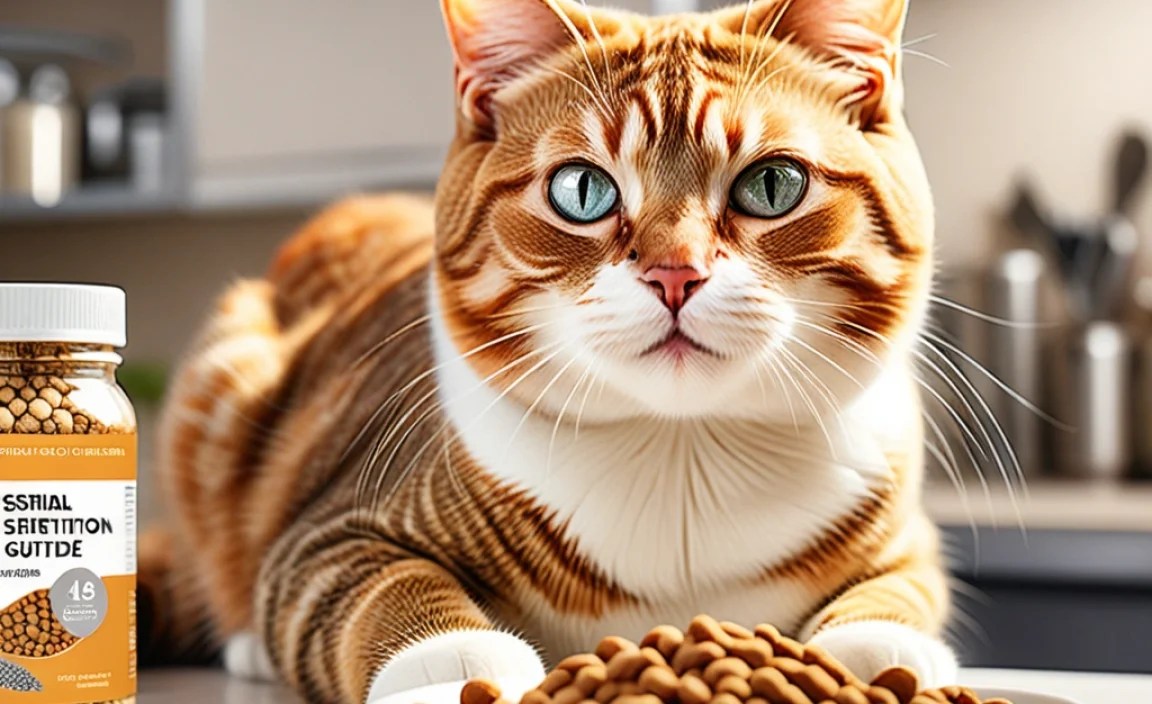
Transitioning your cat to a new diet and managing their intake requires patience and consistency. Here’s how to make the process smooth and successful.
Gradual Transitioning to New Food
Sudden diet changes can upset a cat’s digestive system, leading to vomiting or diarrhea. A gradual transition over 7-10 days is recommended.
Here’s a common transition schedule:
Days 1-3: 25% New Food / 75% Old Food
Days 4-6: 50% New Food / 50% Old Food
Days 7-9: 75% New Food / 25% Old Food
Day 10 onwards: 100% New Food
Monitor your cat closely during this period for any signs of digestive upset. If issues arise, slow down the transition or consult your vet.
Portion Control: The Key to Success
Even the best low-fat food won’t work if your cat eats too much of it. Exact portioning is critical for weight loss and maintenance.
Use a Measuring Cup: For dry food, always use a standard, dry measuring cup to measure out the exact amount recommended by your veterinarian or the food manufacturer (based on your cat’s ideal weight, not their current weight if obese).
Weigh Food: For maximum accuracy, consider using a kitchen scale to weigh out your cat’s food, especially for dry kibble and when following specific veterinary guidelines.
Pre-package Meals: Portioning out daily meals into small containers or baggies ahead of time can prevent overfeeding and make meal times easier.
Multiple Small Meals: Feeding 2-3 smaller meals a day can help manage hunger and keep your cat more satisfied.
Avoiding High-Fat Treats and Table Scraps
Treats and human food can sabotage even the most carefully managed low-fat diet. Cats are notorious for their love of tasty tidbits, so we need to be vigilant.
Healthy, Low-Fat Treat Options: If you must give treats, opt for commercial cat treats specifically formulated as low-fat or weight-management options. Small pieces of lean, cooked chicken or turkey (no skin, no seasoning) can be used sparingly. A few kibbles from their daily ration can also serve as a treat.
Portion Treats Appropriately: Remember that treats count towards their total daily calorie intake. Treats should ideally make up no more than 10% of their total daily calories.
NO Table Scraps: Human food is often too high in fat, salt, and can contain ingredients toxic to cats (like onions, garlic, xylitol). Always resist the urge to share your meals.
Educate Your Household: Ensure everyone in the family understands the importance of the low-fat diet and the rules around treats and forbidden human foods.
Monitoring Your Cat’s Progress
Observing your cat’s response to their new diet is crucial for long-term success. This involves regular weigh-ins, behavior observation, and understanding what signs to look for.
Weighing Your Cat Regularly
Consistent weigh-ins are the most direct way to track progress.
Frequency: Consult your veterinarian for their recommended weighing schedule. Typically, for weight loss, this might be weekly or bi-weekly visits to the vet’s office, or you can weigh them at home monthly if your vet approves.
Home Weighing: If weighing at home, use a kitchen scale for kittens/small cats or a bathroom scale for larger cats. You can weigh yourself, then weigh yourself holding your cat, and subtract the difference. Or, place a sturdy carrier on the scale, note its weight, then place your cat inside and weigh them together, subtracting the carrier’s weight.
Record Keeping: Keep a log of your cat’s weight, feeding amounts, and any observed changes in their health or behavior. This information is invaluable for your vet.
Observing Behavior and Health Changes
Beyond the number on the scale, changes in your cat’s behavior and overall health are important indicators.
Increased Activity: As your cat loses weight, you might notice them becoming more playful, alert, and willing to engage in activities.
Improved Mobility: They might jump or climb more easily, showing less stiffness.
Appetite and Fullness: A well-managed diet should help your cat feel satisfied, not constantly starving. If they seem excessively hungry or distressed by their food, discuss it with your vet.
Coat Condition: A balanced diet, even a low-fat one, should result in a healthy, shiny coat. Poor coat condition could indicate a nutrient imbalance.
Digestive Health: Watch for consistent, normal stool consistency and frequency. Any persistent diarrhea or constipation should be reported to your vet.
Adjusting as Needed with Your Vet
Dietary needs can change. What works today might need tweaking tomorrow.
Weight Loss Plateaus: If your cat stops losing weight for an extended period, your vet may recommend adjusting the food portion, changing the food type, or increasing activity levels.
Weight Loss Too Rapid: Rapid weight loss can be dangerous for cats, potentially leading to hepatic lipidosis (fatty liver disease). If you suspect your cat is losing weight too quickly, contact your vet immediately.
Muscle Mass: While reducing fat, it’s crucial to maintain lea