
Is your cat overweight? A low-fat cat weight loss plan is a proven, safe method to help your feline friend shed pounds. This guide offers practical steps, focusing on adjusted feeding, increased activity, and regular vet check-ups for a healthier, happier cat.
Seeing your furry companion gain a few extra pounds can be concerning. Overweight cats face increased risks of health issues like diabetes, arthritis, and heart disease. But don’t worry, managing your cat’s weight doesn’t have to be complicated or stressful. This guide is designed to be your easy-to-follow roadmap for a healthy, low-fat approach to cat weight loss. We’ll break down exactly what you need to do, step-by-step, so you can help your cat feel their best and live a longer, more vibrant life. Get ready to discover a proven method that’s simple, effective, and puts your cat’s well-being first.
Understanding Cat Obesity: Why It Matters

Your cat’s weight is a crucial part of their overall health. Just like in humans, carrying excess pounds puts a strain on their tiny bodies. It doesn’t take much for a cat to become overweight, especially with indoor lifestyles, free-feeding habits, and calorie-dense treats. This excess weight can lead to a host of serious medical problems, significantly impacting their quality of life and lifespan. Recognizing the signs and understanding the risks is the first step toward a solution.
Common Health Risks Associated with Cat Obesity:
- Diabetes Mellitus: Overweight cats are much more prone to developing diabetes, a chronic condition requiring lifelong management.
- Arthritis and Joint Pain: Extra weight puts undue stress on their joints, leading to inflammation and pain, making movement difficult and uncomfortable.
- Heart Disease: Obesity can contribute to cardiovascular strain and increase the risk of heart conditions.
- Liver Disease: Particularly dangerous is hepatic lipidosis (fatty liver disease), which can occur if an overweight cat stops eating.
- Respiratory Issues: Excess fat around the chest and neck can make breathing harder.
- Decreased Lifespan: Studies consistently show that overweight cats tend to live shorter lives than their healthy-weight counterparts.
- Reduced Mobility and Playfulness: Obese cats are often less active, less interested in playing, and may even struggle to groom themselves effectively.
The Low-Fat Cat Weight Loss Plan: A Proven Method

A low-fat diet is often recommended by veterinarians for feline weight loss because it helps reduce calorie intake without drastically altering the amount of food offered, which can lead to begging or distress. The key is to maintain adequate nutrition while significantly lowering the fat content. This isn’t about starvation; it’s about smart, targeted nutrition and increased energy expenditure. This proven method focuses on a balanced approach that your cat can stick to for lasting results. We’ll cover everything from choosing the right food to encouraging more movement.
Step 1: Consult Your Veterinarian – The Golden Rule
Before you make any significant changes to your cat’s diet or exercise routine, a visit to your veterinarian is absolutely essential. They are your best resource for a safe and effective weight loss plan tailored specifically to your cat’s unique needs. Your vet will:
- Determine Your Cat’s Ideal Weight: Based on breed, age, and body condition score, your vet can set a realistic target weight.
- Rule Out Underlying Medical Conditions: Sometimes, weight gain or difficulty losing weight can be a symptom of another health issue.
- Calculate Caloric Needs: Your vet can calculate the precise daily caloric intake your cat needs to lose weight safely. Rapid weight loss can be dangerous for cats, so a controlled approach is vital.
- Recommend Appropriate Foods: They can suggest specific veterinary prescription diets or high-quality commercial low-fat cat foods.
- Advise on Exercise: They can help you create a safe and effective exercise plan for your cat.
Remember, a veterinarian’s guidance is paramount to ensure your cat’s health and safety throughout the weight loss journey. You can find information on feline weight management and body condition scoring on university veterinary sites, like the Cornell University College of Veterinary Medicine.
Step 2: Choose the Right Low-Fat Cat Food
Selecting the correct food is the cornerstone of a low-fat weight loss plan. Not all low-fat foods are created equal, and it’s important to choose options that are still nutritionally complete and balanced for cats.
What to Look For in Low-Fat Cat Food:
- Appropriate Fat Content: Aim for foods with a fat percentage typically below 15-17% on a dry matter basis, but always consult your vet for specific recommendations.
- High Protein: Cats are obligate carnivores, meaning they need a diet rich in animal protein. Protein helps them feel full and preserves muscle mass during weight loss.
- Palatability: Even the best food won’t work if your cat won’t eat it. Look for options that are appealing to your cat’s taste.
- Fiber Content: Fiber can help your cat feel fuller for longer, aiding in appetite control.
- AAFCO Statement: Ensure the food meets the nutritional levels established by the Association of American Feed Control Officials (AAFCO) for your cat’s life stage.
Types of Low-Fat Foods to Consider:
- Veterinary Prescription Diets: These are specifically formulated by veterinary nutritionists for weight management. They are often the most effective but require a prescription. Examples include Hill’s Prescription Diet Metabolic, Royal Canin Satiety Support, and Purina Pro Plan Veterinary Diets OM Overweight Management.
- Over-the-Counter Low-Fat Foods: Some commercial cat foods are lower in fat and calories. Look for brands that clearly state “weight management” or “low-fat” on the packaging and have a protein-first ingredient list. Always discuss these options with your vet first.
- Wet Food: Canned or wet food generally has fewer calories and carbohydrates than dry kibble and can help cats feel more satisfied due to its water content. This can be a great alternative or supplement to dry kibble.
When transitioning to a new food, do so gradually over 7-10 days to avoid digestive upset. Mix increasing amounts of the new food with decreasing amounts of the old food.
Step 3: Measure and Control Portions Precisely
This is arguably the most critical step in any weight loss plan. Eyeballing your cat’s food can lead to overfeeding, even with low-fat options. Accurate portion control ensures your cat is consuming the correct number of calories prescribed by your vet.
Essential Tools for Portion Control:
- Digital Kitchen Scale: This is the most accurate method. Weighing out the exact amount of kibble or wet food ensures consistency.
- Calibrated Measuring Cups: If a scale isn’t feasible, use a dedicated, calibrated measuring cup for pet food. Avoid using standard kitchen cups, as they can vary.
- Pet Food Dispensers: Some automatic feeders can be programmed for precise portion sizes.
How to Portion Accurately:
- Know Your Cat’s Target Daily Calorie Intake: This will be provided by your veterinarian.
- Check the Food’s Caloric Density: This information is usually on the food packaging or can be found on the manufacturer’s website (often listed as kcal/cup or kcal/kg for dry food, and kcal/can for wet food).
- Calculate the Amount of Food: Divide the target daily calorie intake by the food’s caloric density to determine the total daily amount of food.
- Divide into Meals: For most cats, two or three small meals per day are ideal. Divide the total daily food amount into these smaller meals.
- Be Strict: Stick to the measured portions. No exceptions, even for a “little extra” because they look hungry.
Example: If your vet prescribes 200 calories per day, and your chosen low-fat dry food contains 350 calories per cup (which equals about 4 ounces), you would feed approximately 0.57 cups (200/350) per day. Using a scale, you’d weigh this amount. Splitting this into two meals means roughly 0.285 cups per meal.
Step 4: Eliminate or Drastically Reduce Treats and Table Scraps
Treats and human food can secretly sabotage a low-fat weight loss plan. Many common cat treats are high in fat and calories, and table scraps are often even worse. Even seemingly harmless temptations can add up quickly.
- High-Calorie Treats: Many commercial cat treats are calorie bombs. If you must give treats, find low-calorie options specifically designed for weight management or use small pieces of their regular low-fat kibble as rewards.
- Table Scraps: Never feed your cat table scraps. Many human foods are fatty, seasoned, or even toxic to cats (like onions, garlic, and chocolate).
- Diet-Specific Treats: If using treats, choose those that are carbohydrate-free and low in calories.
- Portion Control for Treats: If treats are part of training or rewarding, ensure they are factored into the cat’s total daily caloric intake. A good rule of thumb is that treats should not make up more than 10% of your cat’s daily caloric intake.
Consider using interactive toys or affection as rewards instead of food.
Step 5: Increase Physical Activity and Playtime
Diet is crucial, but increasing your cat’s activity level is just as important for burning calories and building muscle mass. Sedentary cats need more stimulation to get moving.
Fun Ways to Encourage Exercise:
- Interactive Toys: Feather wands, laser pointers (use with caution and always end with a tangible reward), and puzzle feeders are excellent for engaging your cat’s hunting instincts and encouraging movement.
- Scheduled Play Sessions: Dedicate at least two 10-15 minute play sessions daily. Mimic hunting behavior with toys that move erratically.
- Vertical Space: Cats love to climb. Cat trees or shelves can encourage jumping and climbing, providing excellent exercise.
- New Toys: Rotate toys to keep them novel and exciting.
- Training: Believe it or not, you can train cats! Teaching them to come, jump through a hoop, or fetch can be great exercise.
Ensure playtime is fun and not stressful for your cat. For older cats or those with mobility issues, choose gentler activities. Observe your cat’s energy levels and adapt the intensity.
Step 6: Monitor Progress and Adjust as Needed
Weight loss is a journey, not a race. Regular monitoring allows you to track progress and make necessary adjustments to the plan.
- Regular Weigh-Ins: Weigh your cat at home (if possible) or at the vet’s office every 2-4 weeks.
- Body Condition Scoring: Learn how to assess your cat’s body condition score. Your vet can teach you this. It involves feeling their ribs and spine and observing their waist tuck.
- Patience is Key: A safe weight loss rate for cats is typically 1-2% of their body weight per week. Faster loss can be dangerous.
- Adjustments: If your cat isn’t losing weight, consult your vet. They may recommend slight adjustments to food portions or caloric intake. If your cat is losing weight too rapidly, they will also advise on how to slow it down.
Don’t get discouraged by small plateaus. Consistency is more important than perfection.
Feeding Schedules vs. Free-Feeding
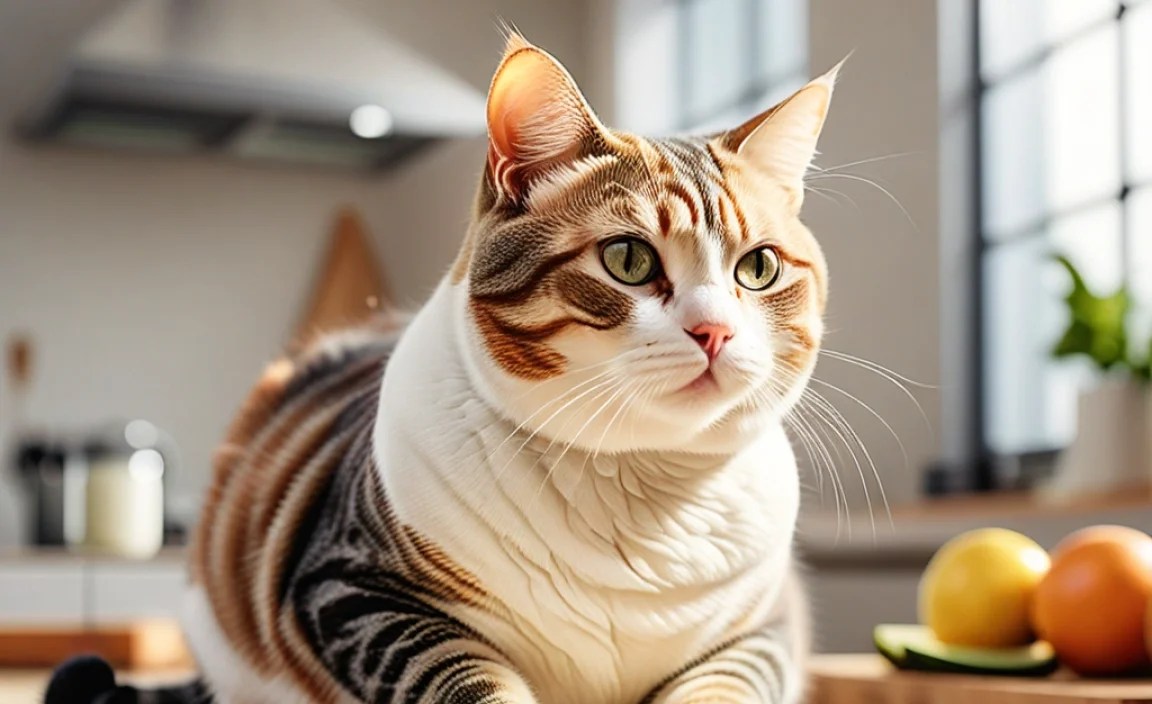
For weight loss, moving away from free-feeding to a structured feeding schedule is almost always necessary. Free-feeding, where dry kibble is left out all day, makes it impossible to accurately track how much your cat is eating, often leading to overconsumption.
| Feature | Free-Feeding | Scheduled Feeding |
|---|---|---|
| Calorie Control | Difficult to manage; easy to overfeed. | Precise control; easy to measure exact portions. |
| Activity Monitoring | Food intake is constant, can encourage sedentary behavior. | Can be paired with interactive feeding toys; allows for structured calorie intake. |
| Obsession with Food | Can lead to constant grazing and begging. | Helps regulate hunger; cat learns to associate specific times with food. |
| Digestive Health | Continuous intake can lead to digestive upset for some cats. | Allows digestive system rest between meals. |
| Weight Management Success | Generally poor for weight loss. | Essential for successful weight loss. |
Transitioning to scheduled meals means your cat will eat their entire measured portion at specific times of the day. This helps them associate specific times with food and can reduce begging once they adjust. It also makes incorporating puzzle feeders easier.
Interactive Feeding for Weight Management
Interactive feeders and puzzle toys are fantastic tools for managing your cat’s weight. They slow down eating, provide mental stimulation, and can even help satisfy your cat’s natural hunting instincts.
Benefits of Interactive Feeders:
- Slows Eating: Prevents “gulping,” which is common in cats and can lead to digestive upset and overeating.
- Mental Stimulation: Engages their brain, preventing boredom, which can often lead to overeating.
- Mimics Hunting: Satisfies natural predatory behaviors.
- Increased Calorie Expenditure: Cats expend energy trying to get the food out, adding to their daily activity.
Types of Interactive Feeders:
- Puzzle Balls: Dispense kibble as the cat bats them around.
- Food Mazes: Cats push kibble through a maze to reach their food.
- Slow Feeder Bowls: Bowls with raised dividers that make it harder for cats to eat quickly.
- DIY Options: You can create simple feeders using empty toilet paper rolls with holes poked in them, or ice cube trays.
Introduce these gradually. Some cats may need time to adjust. For very picky eaters, you might start by putting a small amount of their regular food in the puzzle and gradually increasing it, or using highly palatable treats initially to entice them.
FAQ: Your Cat Weight Loss Questions Answered
Here are some common questions new pet parents have about feline weight loss plans.
Q1: How much weight should my cat lose per week?
A1: A safe and healthy rate of weight loss for cats is typically 1-2% of their body weight per week. Rapid weight loss can be dangerous and lead to serious health complications like hepatic lipidosis (fatty liver disease). Always consult your veterinarian for a safe target rate.
Q2: Is it okay to mix wet and dry food for weight loss?
A2: Yes, as long as the total daily caloric intake is carefully controlled and the veterinarian approves. Many owners find a mix beneficial, as wet food can help cats feel fuller due to its water content, and dry kibble can be used in puzzle feeders to increase activity.
Q3: My cat is begging for food constantly, what should I do?
A3: This is common during a diet. Ensure your cat is receiving their full, measured portion at scheduled meal times. Increase interactive playtime to distract them and satisfy their instinctual need to “hunt.” If begging is excessive, discuss with your vet if a slightly higher fiber food or a different feeding strategy might help.
Q4: Can I use human food as treats for my cat?
A4: It’s strongly advised not to. Many human foods are too high in fat and calories for cats. Some are even toxic. If you want to use treats, opt for approved low-calorie cat treats, or use a small portion of your cat’s regular food as a reward.
Q5: My cat refuses to eat the “diet” food. What are my options?
A5: First, ensure you are transitioning the food gradually. If your cat still refuses, discuss this with your vet. They may have other prescription diet options, or you might need to explore high-quality commercial foods that are lower in fat and calories, but always under veterinary supervision. Some cats may also benefit from appetite stimulants if medically warranted.
Q6: How long will it take for my cat to reach their healthy weight?
A6: The duration varies greatly depending on the amount of weight your cat needs to lose, their metabolism, and how consistently the diet and exercise plan is followed. It can take months, sometimes even up to a year or more, for significantly overweight cats.