
Quick Summary: A cat obesity help feeding schedule involves precise portion control, multiple small meals daily, and choosing appropriate, high-quality cat food. Consult your vet for personalized calorie needs, monitor your cat’s weight, and gradually adjust portions to promote healthy weight loss and a happier, healthier feline companion.
Seeing your beloved cat a little on the chubby side can be concerning. It’s a common issue, and it’s totally understandable to feel a bit lost when trying to help your furry friend slim down. But don’t worry! With the right approach, you can make a big difference. This guide is here to set you on the path to a healthier weight for your cat, making it simple and stress-free for both of you. We’ll break down exactly how to create a feeding schedule that works. Get ready to help your cat feel more energetic and playful again!
Understanding Cat Obesity: Why It Matters

Cat obesity isn’t just about looks; it carries serious health risks for our feline friends. Just like in humans, an extra few pounds can lead to a whole host of problems, significantly impacting your cat’s quality of life and longevity. It’s our responsibility as pet parents to recognize the signs and take action to ensure our cats live their best, healthiest lives.
The Health Risks of an Overweight Cat
Excess weight puts undue stress on a cat’s body, contributing to or worsening several conditions:
- Diabetes Mellitus: Overweight cats are much more prone to developing diabetes, a chronic condition that requires lifelong management through diet and insulin.
- Arthritis and Joint Pain: The extra weight puts significant strain on your cat’s joints, exacerbating or causing painful arthritis, leading to reduced mobility and discomfort.
- Heart Disease: Obesity can contribute to cardiovascular problems, making the heart work harder and increasing the risk of heart failure.
- Liver Disease (Hepatic Lipidosis): Particularly in cases of rapid or prolonged weight loss, overweight cats can be susceptible to a serious liver condition.
- Urinary Tract Issues: Obesity is linked to an increased risk of developing urinary stones and other bladder problems.
- Reduced Lifespan: Studies consistently show that overweight cats tend to have shorter lifespans than their lean counterparts.
- Decreased Activity and Playfulness: When a cat is overweight, everyday activities like jumping, playing, and grooming become more difficult and less appealing, impacting their overall happiness and well-being.
It’s crucial to remember that these risks are serious. Early intervention through proper feeding and management can prevent or delay the onset of these conditions, ensuring your cat enjoys more healthy, happy years with you.
How to Determine Your Cat’s Ideal Weight and Calorie Needs

Before you can create a successful feeding schedule, you need to know what you’re aiming for. This involves understanding your cat’s ideal weight and how many calories they need to reach and maintain it.
Consult Your Veterinarian First
This is the most important step. Your veterinarian is your best resource. They can:
- Accurately assess your cat’s current body condition score (BCS).
- Determine your cat’s ideal target weight based on their breed, age, and overall health.
- Calculate the exact daily calorie intake recommended for gradual, safe weight loss. This is crucial because too rapid weight loss can be dangerous.
- Rule out any underlying medical conditions that might be contributing to weight gain.
Never attempt to put your cat on a diet without veterinary guidance. Your vet can provide a personalized weight loss plan tailored to your cat’s specific needs. They will often recommend resources like the Ohio State University’s Pet Nutrition resources for further general information on pet diets.
Estimating Calorie Needs
Once you have your vet’s recommendation, you’ll have a target daily calorie intake. For instance, a common guideline for weight loss is around 20-30 calories per pound of ideal body weight per day. However, this is just a generalization. Your vet will provide the precise number.
For example, if your vet determines your cat’s ideal weight is 8 pounds and recommends a weight loss plan, they might suggest a daily intake of around 160-240 calories (20-30 calories x 8 pounds). But again, this is just an illustration, and your vet’s assessment is paramount.
Reading Cat Food Labels
Understanding your cat’s food is key. The packaging will state the calorie content per cup or per can (e.g., “350 kcal/cup” or “100 kcal/can”). This information is vital for portioning correctly.
Using a Body Condition Score (BCS) Chart
A BCS chart helps you visually and physically assess your cat’s weight. You can feel your cat’s ribs under a thin layer of fat, and they should have a visible waist when viewed from above. If you can’t feel the ribs easily, or if the waist is not apparent, your cat may be carrying too much weight. Your vet will use a standardized chart, typically on a 1-5 or 1-9 scale.
Here’s a simplified look at what a medium BCS typically means:
| Feature | Ideal Weight | Overweight |
|---|---|---|
| Ribs | Easily felt with a thin fat covering. | Difficult to feel due to thick fat layer. |
| Waist | Visible from above. | Not visible; abdomen appears rounded. |
| Abdominal Tuck | Slight upward curve from ribs to hips. | No noticeable tuck; abdomen may hang down. |
The Proven Best Feeding Schedule Plan for Obese Cats

Creating a consistent and controlled feeding schedule is fundamental to your cat’s weight loss journey. The goal is to manage intake carefully while ensuring your cat still feels satisfied.
1. Portion Control is Paramount
This is non-negotiable. Free-feeding, where food is available all the time, is a major contributor to obesity. You must measure every meal precisely.
Use Measuring Tools
- Dry Food: Use a standard measuring cup specifically designed for pet food or a kitchen scale for the most accuracy. A kitchen scale is highly recommended by many veterinary professionals for consistent results.
- Wet Food: For canned food, use measuring cups or spoons. Some come in smaller cans, making portioning easier.
Calculate Portions Based on Vet Recommendations
Take the total daily calorie target provided by your vet and divide it by the number of meals you plan to feed. Let’s say your vet recommends 200 calories per day, and you plan to feed two meals.
200 calories / 2 meals = 100 calories per meal.
Now, check your cat’s food label to see how many grams or cups equal 100 calories.
| Food Type | Calorie Content on Label | Target Calories per Meal | Calculated Amount per Meal |
|---|---|---|---|
| Dry Food A | 350 kcal per cup (approx. 100g) | 100 kcal | ~1/4 cup (approx. 25-30g) |
| Wet Food B (1 can) | 150 kcal per 3oz can | 150 kcal | 1 full 3oz can |
| Wet Food C (1 pouch) | 85 kcal per 1.7oz pouch | 85 kcal | 1 full 1.7oz pouch |
Note: Always use the specific details from your chosen cat food’s packaging and your vet’s calorie recommendation for accurate measurements.
2. Frequency: Multiple Small Meals
Instead of one or two large meals, feeding your cat multiple smaller meals throughout the day is often more beneficial. This mimics a cat’s natural hunting behavior and can help them feel more satisfied.
- Ideal Frequency: Aim for 3 to 4 small meals per day.
- Benefits: Spreading calories out can prevent immediate hunger pangs, reduce begging, and potentially manage blood sugar levels better. It also helps prevent the temptation to overeat if food is left out.
3. Timing and Consistency
Establish a regular feeding schedule. Cats are creatures of habit, and a predictable routine can reduce anxiety and begging.
- Morning Meal: Feed your cat their first portion shortly after you wake up.
- Midday Meal (Optional but Recommended): If possible, feed a third meal around lunchtime or have someone else do it.
- Evening Meal: Feed the final meal before you go to bed. This can sometimes help prevent nighttime waking for food.
Example Daily Feeding Schedule (3 Meals):
- 7:00 AM: Meal 1 (1/3 of daily calories)
- 1:00 PM: Meal 2 (1/3 of daily calories)
- 7:00 PM: Meal 3 (1/3 of daily calories)
If you have a busy schedule, consider using an automatic cat feeder. These devices can be programmed to dispense pre-portioned meals at set times, ensuring consistency even when you’re not home.
4. Choosing the Right Food
The type and quality of food play a significant role. Opt for high-quality cat food that is nutritionally complete and balanced.
- High-Quality Protein: Cats are obligate carnivores. Their diet should be rich in animal-based protein. Look for foods where a meat source is listed as the first ingredient.
- Appropriate Fat Content: While fat is necessary, foods with lower fat content can be beneficial for weight loss, as fat is calorie-dense.
- Fiber Content: Some veterinary-approved weight-loss diets are formulated with higher fiber to help cats feel fuller longer.
- Prescription Diet Foods: Your vet may recommend a specific therapeutic weight-loss diet. These are scientifically formulated with optimal nutrient profiles to support weight loss safely and effectively while meeting all nutritional needs. You can learn more about the principles behind these diets from organizations like the World Small Animal Veterinary Association (WSAVA).
- Avoid “Light” or “Diet” Foods Without Vet Approval: Not all commercial “light” or “diet” foods are suitable. Some may contain fillers or unbalanced nutrients that aren’t ideal for all cats. Always prioritize your vet’s recommendation.
5. Limiting Treats and Table Scraps
Treats and human food can significantly derail a weight loss plan. The calories from these “extras” can add up quickly without providing balanced nutrition.
- Treat Calories: Treats should not exceed 10% of your cat’s total daily calorie intake. If your cat is on a strict weight loss diet, their daily calorie allowance is already low, leaving very little room for treats.
- Vet-Approved Treats: If you want to give treats, choose low-calorie options specifically made for cats, and factor their calories into the daily total.
- No Table Scraps: Human food is often too high in fat, salt, and calories for cats and can even be toxic (e.g., onions, garlic, chocolate).
- Creative Alternatives: Instead of food rewards, use praise, petting, or playtime as positive reinforcement. Small pieces of cooked, unseasoned chicken or fish (in very small quantities and accounted for in calories) can also be used sparingly as high-value treats.
Incorporating Exercise and Play

Diet is crucial, but exercise is the other half of the weight loss equation. Increased activity burns calories and builds muscle, which further aids metabolism.
- Interactive Play: Engage your cat in at least two 10-15 minute play sessions daily. Use toys that mimic prey, such as feather wands, laser pointers (use with caution, ensuring they always “catch” something tangible), or crinkle balls.
- Puzzle Feeders: Instead of putting all their food in a bowl, use puzzle feeders or treat balls for dry food. This forces your cat to “work” for their food, slowing down consumption and adding mental stimulation.
- Vertical Space: Ensure your cat has access to climbing opportunities like cat trees or shelves. This encourages movement and provides mental enrichment.
- Encourage Natural Behaviors: Hide a few kibbles for them to “hunt” around the house, or rotate toys to keep their interest piqued.
Remember, the goal is to make exercise fun, not a chore. Observe what your cat enjoys and tailor play activities to their preferences. Even a little extra movement can make a big difference over time.
Monitoring Progress and Adjusting the Plan
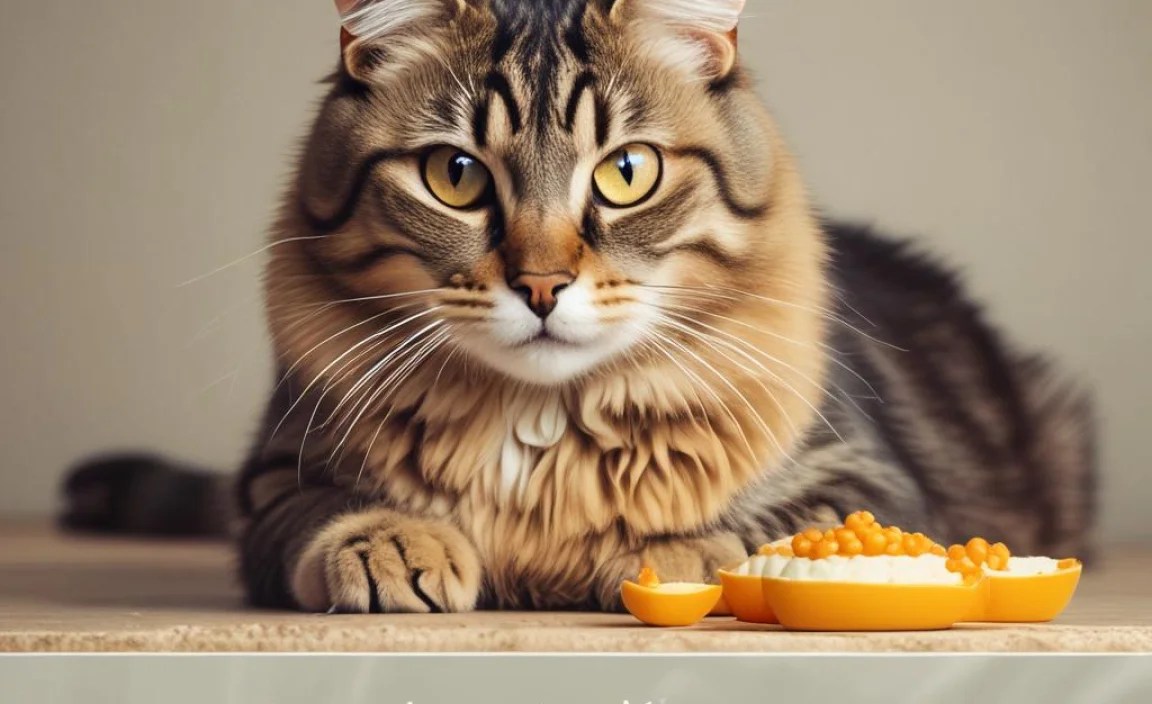
Weight loss is a journey, not a race. Consistent monitoring is key to ensuring the plan is working and making necessary adjustments safely.
- Regular Weigh-Ins: Weigh your cat every 2-4 weeks, ideally at the same time of day and on the same scale. Your vet’s office is the best place for accurate weigh-ins.
- Body Condition Score Checks: Regularly assess your cat’s BCS. Sometimes the number on the scale doesn’t tell the whole story; changes in body composition are important.
- Observe Behavior: Look for changes in energy levels, mobility, and overall happiness. A cat on a healthy weight loss plan should become more active, not lethargic.
- Adjusting Calories: If your cat isn’t losing weight after 2-4 weeks, consult your vet. They may suggest a slight calorie reduction (e.g., by 50-100 calories) or a different diet. Conversely, if your cat is losing weight too quickly (more than 1-2% of their body weight per week), your vet will advise increasing calories to prevent health issues.
Safety First: Rapid weight loss in cats can lead to hepatic lipidosis (fatty liver disease), a life-threatening condition. This is why slow, steady weight loss under veterinary supervision is crucial.
Common Challenges and How to Overcome Them
Even with the best plan, you might encounter some hurdles. Being prepared can help you navigate them smoothly.
1. Begging and Guilt Trips
When you start restricting food, your cat might start begging more intensely. Their adorable tactics are designed to get you to give in!
- Stick to the Schedule: Be firm and consistent. The begging is temporary.
- Distraction: Offer play or affection instead of food when they beg.
- Automatic Feeders: These can be a lifesaver, as they dispense food on a schedule, removing you as the “food dispenser” and avoiding the begging at meal times.
2. Litter Box Issues
Sometimes, changes in diet or stress can temporarily affect a cat’s litter box habits. If you notice changes, ensure there are no underlying medical issues by visiting your vet.
3. Slow or No Weight Loss
If progress stalls, it’s time for a vet check. Are you measuring precisely? Is the food truly as low in calories as you think? Are there hidden calorie sources (e.g., occasional treats you forgot to count)? Your vet can help troubleshoot.
4. Picky Eating After Diet Change
Some cats are resistant to new foods. Gradual introduction, warming wet food slightly to release aromas, or mixing a small amount of the new food with the old (while still portioning correctly) can help.
Frequently Asked Questions (FAQs)
Q1: How often should I feed my overweight cat?
A1: For weight loss, feeding 3-4 small meals a day is generally recommended. This helps manage hunger and mimics natural eating patterns. Always refer to your vet’s specific advice.
Q2: Can I feed my cat a “light” or “weight management” commercial food?
A2: You can, but only under veterinary guidance. Your vet can recommend specific brands or prescription diets formulated for safe weight loss, ensuring your cat receives adequate nutrition.