
Boost your cat’s health and happiness in 2025 with essential preventive care! This guide offers simple, actionable tips on vet visits, nutrition, grooming, and home safety to keep your feline friend thriving and reduce potential health risks. Learn how proactive care saves time, money, and worry.
Keeping your cat healthy should be simple and enjoyable! We all want our furry companions to live long, happy lives. Sometimes, figuring out the best way to care for them can feel like a puzzle. This handy guide is here to help. We’ll break down the most important steps for keeping your cat in tip-top shape throughout 2025. You’ll learn easy ways to prevent common problems before they start. Get ready to become an even more confident and informed cat parent!
Why Preventive Care is a Paw-sitive Investment

Preventive care for cats is all about staying ahead of health issues. Think of it like regular check-ups for yourself – they help catch things early and keep you feeling your best. For your feline friend, this means fewer surprises, lower vet bills in the long run, and a much happier, healthier kitty. In 2025, making a commitment to preventive care will benefit both you and your cat in countless ways.
The Cornerstones of Preventive Cat Care in 2025

Effective preventive care isn’t just one thing; it’s a combination of smart habits and regular attention. We’ll dive into each of these key areas, making it easy for you to implement them into your daily routine.
1. Regular Veterinary Check-ups: Your Cat’s Best Friend

Veterinary visits are non-negotiable for preventive care. Even if your cat seems perfectly healthy, these appointments are crucial for early detection of potential issues. Think of your vet as your partner in your cat’s wellness journey.
Annual Wellness Exams

A yearly vet visit is the cornerstone of keeping your cat healthy. During this exam, your veterinarian will:
- Perform a thorough physical examination: This includes checking their eyes, ears, nose, mouth, heart, lungs, abdomen, skin, and coat.
- Monitor weight and body condition: Significant changes can indicate underlying health problems.
- Discuss diet and behavior: Your vet can offer personalized advice based on your cat’s specific needs.
- Recommend necessary vaccinations: Vaccines protect your cat from serious, preventable diseases.
- Discuss parasite prevention: Fleas, ticks, and internal parasites can cause significant health issues.
- Advise on dental health: Dental problems are common in cats and can affect overall health.
- Answer your questions: Don’t hesitate to bring up any concerns you have.
Why are kitten and senior cat visits different?

Kittens need more frequent vet visits initially to complete their vaccination series, get dewormed, and ensure proper growth and development. Senior cats (typically over 7-10 years old) often benefit from semi-annual check-ups as they are more prone to age-related conditions like arthritis, kidney disease, or thyroid issues.
What to Expect During a Vet Visit

Most vet clinics are designed to be calm and safe environments for your cat. Your vet and their team are trained to handle cats gently. Bringing your cat in a secure, comfortable carrier is essential for their safety and to reduce stress. Your vet will likely ask you questions about your cat’s lifestyle, daily habits, and any symptoms you might have noticed, so be prepared to share these details.
2. Nutrition: Fueling a Healthy Life

A balanced diet is fundamental to your cat’s well-being. What you feed your cat directly impacts their energy levels, immune system, coat health, and even their behavior. Understanding their dietary needs will set them up for success.
Choosing the Right Food

Look for cat food that meets the nutritional standards established by the Association of American Feed Control Officials (AAFCO). This ensures the food is complete and balanced for your cat’s life stage (kitten, adult, senior). Consider these options:
| Food Type | Pros | Cons |
|---|---|---|
| Wet Food (Canned) | High moisture content (good for hydration), often more palatable, can be lower in carbohydrates. | Can be more expensive, shorter shelf life once opened, can contribute to dental issues if not managed. |
| Dry Food (Kibble) | Convenient, cost-effective, can help with dental hygiene (though less effectively than often advertised), longer shelf life. | Lower moisture content (risk of dehydration/urinary issues), often higher in carbohydrates, cats may overeat. |
| Raw/Fresh Food Diets | Can mimic a cat’s natural diet, sometimes higher protein, good for picky eaters. | Risk of bacterial contamination (for pets and humans), can be nutritionally unbalanced if not prepared correctly, can be expensive. |
Portion Control and Feeding Schedules

Overfeeding is a common issue that leads to obesity, a major health concern for cats. Always follow the feeding guidelines on your cat’s food packaging, but adjust based on their activity level, age, and body condition. It’s often best to feed your cat at specific meal times rather than leaving food out all day (free-feeding), especially for kibble, to help manage weight and monitor food intake. Consult your vet for personalized portion recommendations.
Water, Water Everywhere

Cats aren’t always great at drinking enough water, which can lead to urinary tract issues and kidney problems. Ensure fresh, clean water is always available. Consider a cat water fountain, as many cats prefer drinking from moving water. Some wet food can also contribute to their daily water intake.
3. Dental Care: More Than Just Fresh Breath

Dental disease is very common in cats and can lead to pain, tooth loss, and even affect other organs. Proactive dental care at home can make a significant difference.
Brushing Your Cat’s Teeth

The most effective way to maintain your cat’s dental health is regular brushing. Start slowly by getting your cat used to the taste of feline-specific toothpaste (never use human toothpaste, as it can be toxic). Gradually introduce a soft-bristled toothbrush or a finger brush. Aim for a few times a week.
Dental Treats and Food

There are also dental treats and specially formulated dental diets designed to help reduce plaque and tartar buildup. While these are helpful additions, they are generally not as effective as brushing.
Veterinary Dental Cleanings

Even with at-home care, your veterinarian may recommend professional dental cleanings under anesthesia. This allows for a thorough cleaning, scaling, and examination of the teeth and gums below the gum line, where most dental disease hides. Your vet will advise on the frequency needed for your cat.
4. Grooming: Keeping Them Comfy and Clean

Grooming is more than just making your cat look pretty; it’s an excellent opportunity to bond and to check for any health issues you might otherwise miss.
Brushing and Coat Health

Regular brushing helps remove loose fur, prevents mats (especially important for long-haired breeds), and distributes natural oils, keeping their coat healthy and shiny. It also reduces hairballs. For short-haired cats, a quick brush a few times a week is usually sufficient. Long-haired cats may need daily grooming.
Checking for Parasites and Skin Issues

While brushing, take a moment to look for fleas, ticks, or matted fur. Also, check their skin for any redness, bumps, sores, or excessive dryness.
Nail Trimming

Overgrown nails can cause discomfort, get snagged, and make it difficult for your cat to walk properly. Trim your cat’s nails regularly. If you’re unsure how to do this safely, ask your vet or a groomer to show you or to do it for you. Only trim the tip, avoiding the quick (the pink part) which contains blood vessels.
5. Parasite Prevention: A Year-Round Battle

Fleas, ticks, heartworms (in some regions), and intestinal worms are more than just a nuisance; they can transmit diseases and cause serious health problems. Consistent prevention is key.
Flea and Tick Control

Talk to your veterinarian about the best topical or oral flea and tick preventatives for your cat. Many are available, and your vet can recommend one that is safe, effective, and appropriate for your cat’s age and health status. Don’t use dog products on cats, as some can be toxic.
Internal Parasite Prevention

Intestinal parasites like roundworms, hookworms, and tapeworms can cause digestive upset, anemia, and weight loss. Your vet will recommend a deworming schedule or fecal testing, especially if your cat goes outdoors or has contact with other animals.
Heartworm Prevention

While less common in cats than dogs, heartworm disease can be transmitted by mosquitoes. Talk to your vet about whether heartworm prevention is recommended in your area. The American Heartworm Society provides valuable resources on this topic.
6. Litter Box Etiquette and Health Monitoring

The litter box is a window into your cat’s urinary and digestive health. Paying attention to it can alert you to potential problems early.
Cleanliness is Key

Scoop the litter box at least once daily, and completely change the litter and wash the box weekly or bi-weekly, depending on the litter type. A clean box is essential for feline hygiene and to prevent them from developing behavioral issues like avoiding the litter box.
Spotting Health Red Flags

Be observant of:
- Frequency and volume of urine: Urinating more or less often, or producing very small amounts, can indicate urinary issues.
- Presence of blood in urine.
- Straining to urinate.
- Changes in stool: Diarrhea, constipation, or presence of worms.
- Changes in behavior around the litter box: Hesitancy, vocalizing, or avoidance.
7. Environmental Enrichment and Safety

A cat’s environment plays a significant role in their mental and physical well-being. A safe, stimulating environment helps reduce stress and prevent behavioral problems.
Safe Indoor Environment

Keeping cats indoors is generally safer. It protects them from traffic accidents, predators, fights with other animals, and exposure to diseases and parasites. However, indoor cats still need stimulation.
Stimulating Play and Interaction

Engage in daily play sessions with your cat using interactive toys like feather wands or laser pointers (always end laser play by directing it onto a physical toy or treat they can catch). Provide scratching posts, climbing trees, and puzzle feeders to keep them mentally and physically active. Rotate toys to keep them interesting.
Home Safety Check

Cat-proof your home by storing toxic plants, chemicals, medications, and small objects that could be ingested. Ensure window screens are secure. Be mindful of open appliance doors (like washing machines or dryers) where a cat could hide. The ASPCA offers a comprehensive list of toxic and non-toxic plants for pets.
8. Behavior and Stress Management
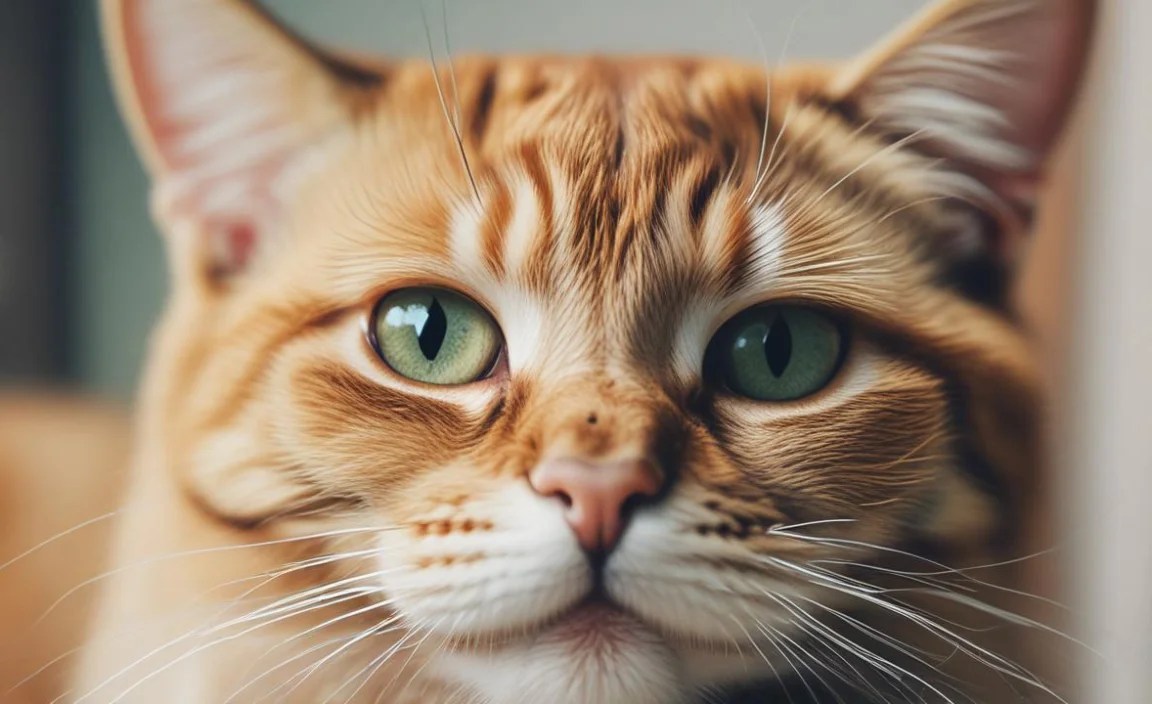
A happy cat is a healthy cat. Changes in behavior can often be the first sign of illness or stress.
Recognizing Stress Signals

Common signs of stress or anxiety in cats include hiding more than usual, excessive grooming, changes in appetite, vocalization, or aggression. Identify potential stressors, such as changes in routine, new pets, or loud noises.